
Field Guide / Constellations
Star charts for the constellations you can see from the United States. Search by name or star, or filter by the season when each is best placed.
59 constellations
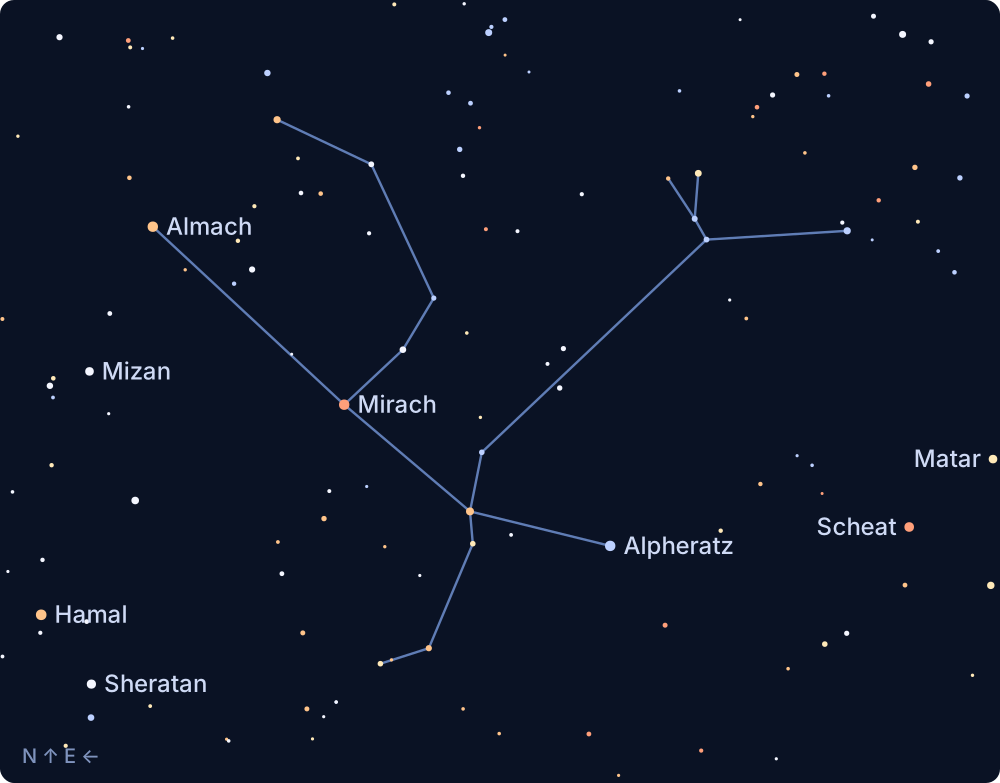 Autumn
The Chained Princess
An autumn constellation of two long lines of stars, home to the Andromeda Galaxy, the farthest object most people can see with the naked eye.
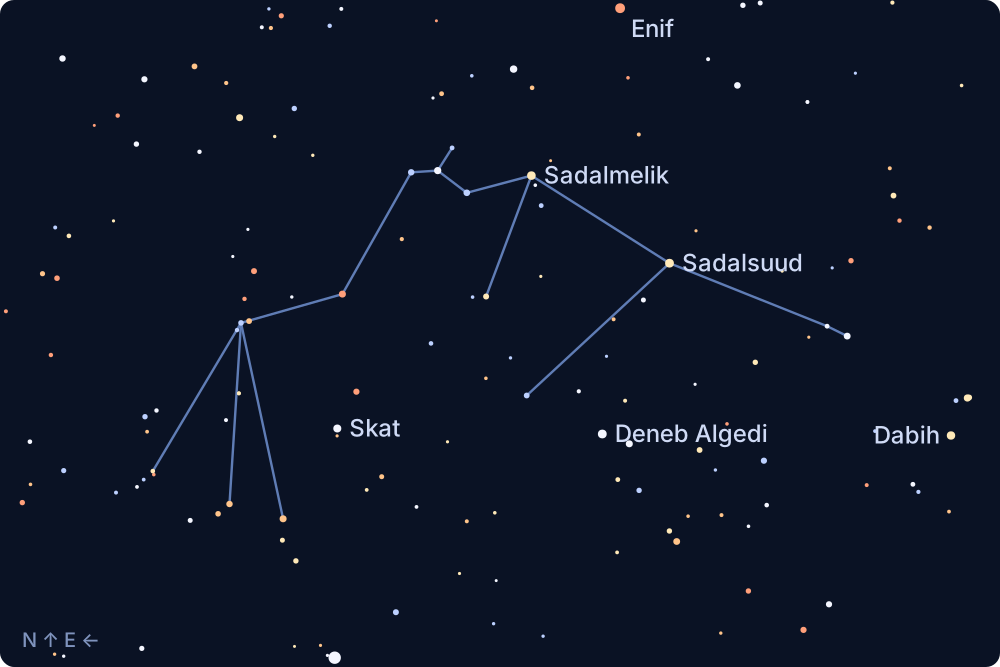 Autumn
The Water Bearer
A large, faint autumn zodiac constellation south of the Great Square of Pegasus, with a small Y-shaped Water Jar and several interesting nebulae.
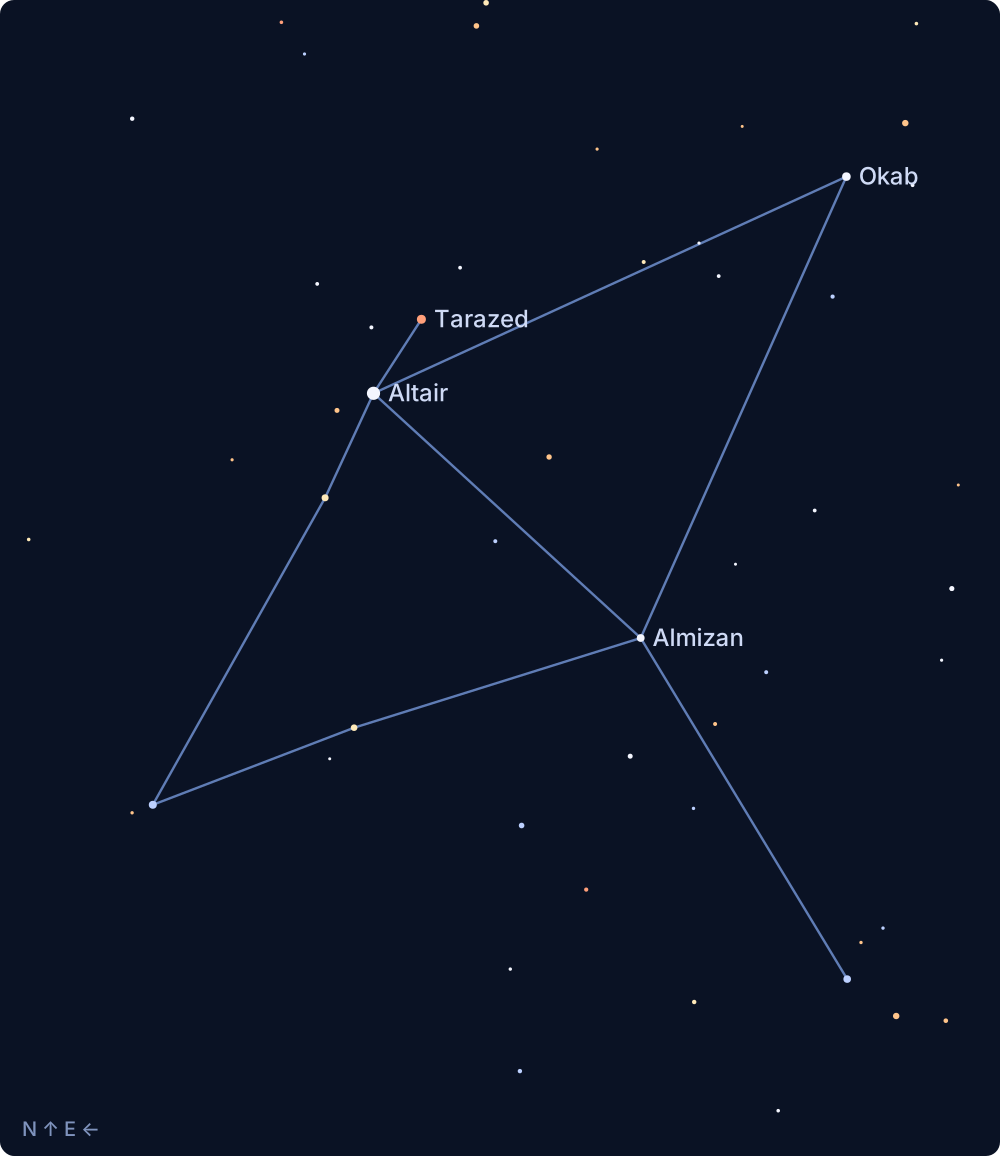 Summer
The Eagle
A summer constellation of the soaring Eagle, with bright Altair flanked by a dimmer star on each side.
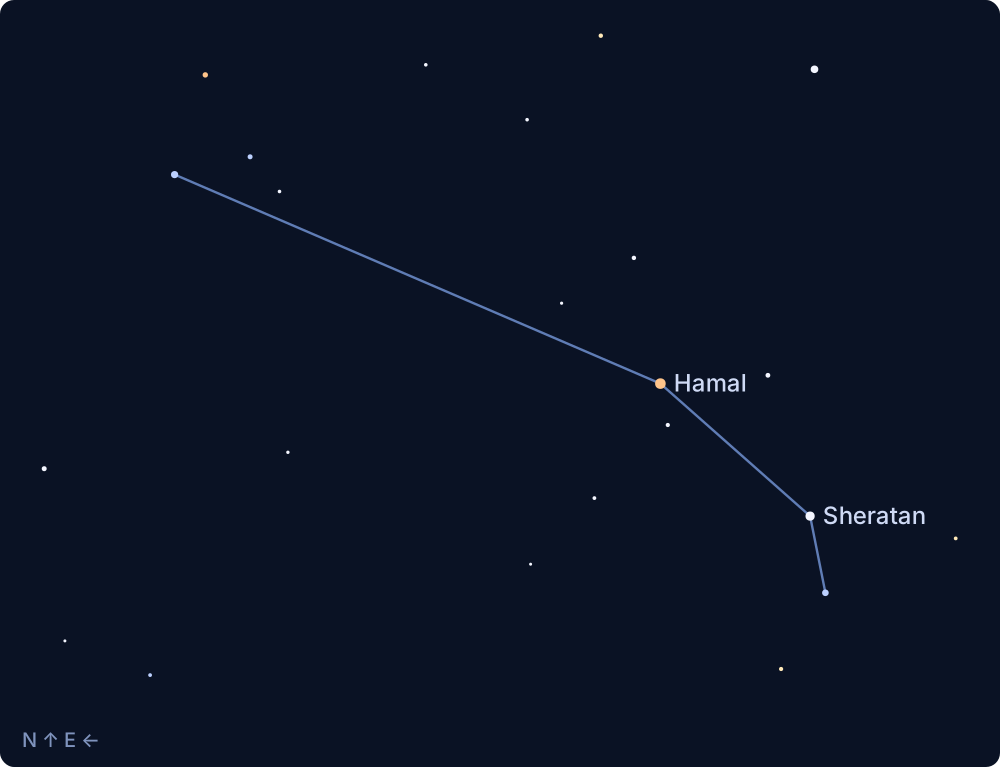 Autumn
The Ram
A small, faint zodiac constellation made of a short bent line of stars, led by orange Hamal. Easy to find once you know it sits between Pegasus and the Pleiades.
 Winter
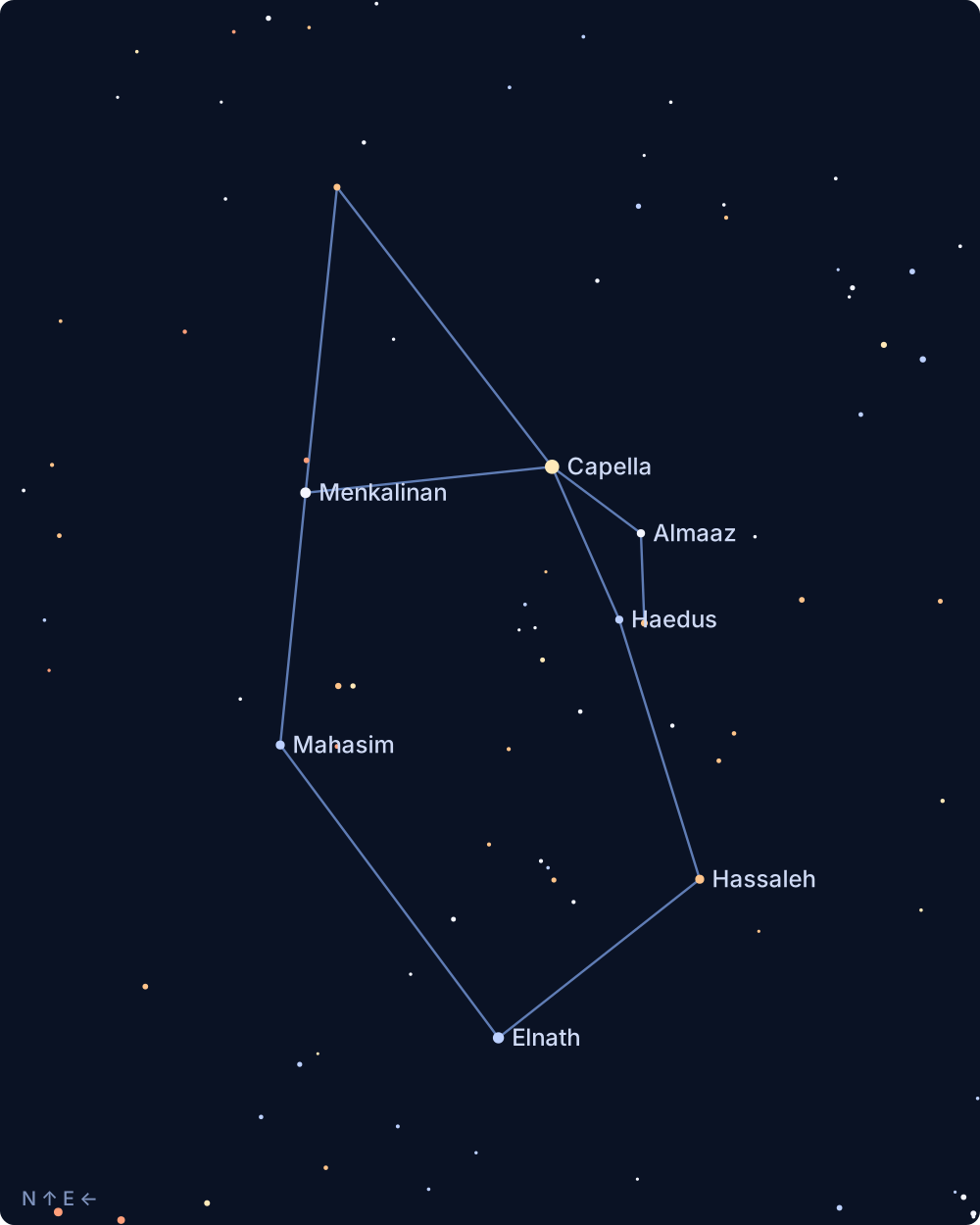
The Charioteer
A winter constellation shaped like a lopsided pentagon, led by brilliant yellow Capella and sprinkled with open clusters.
 Spring
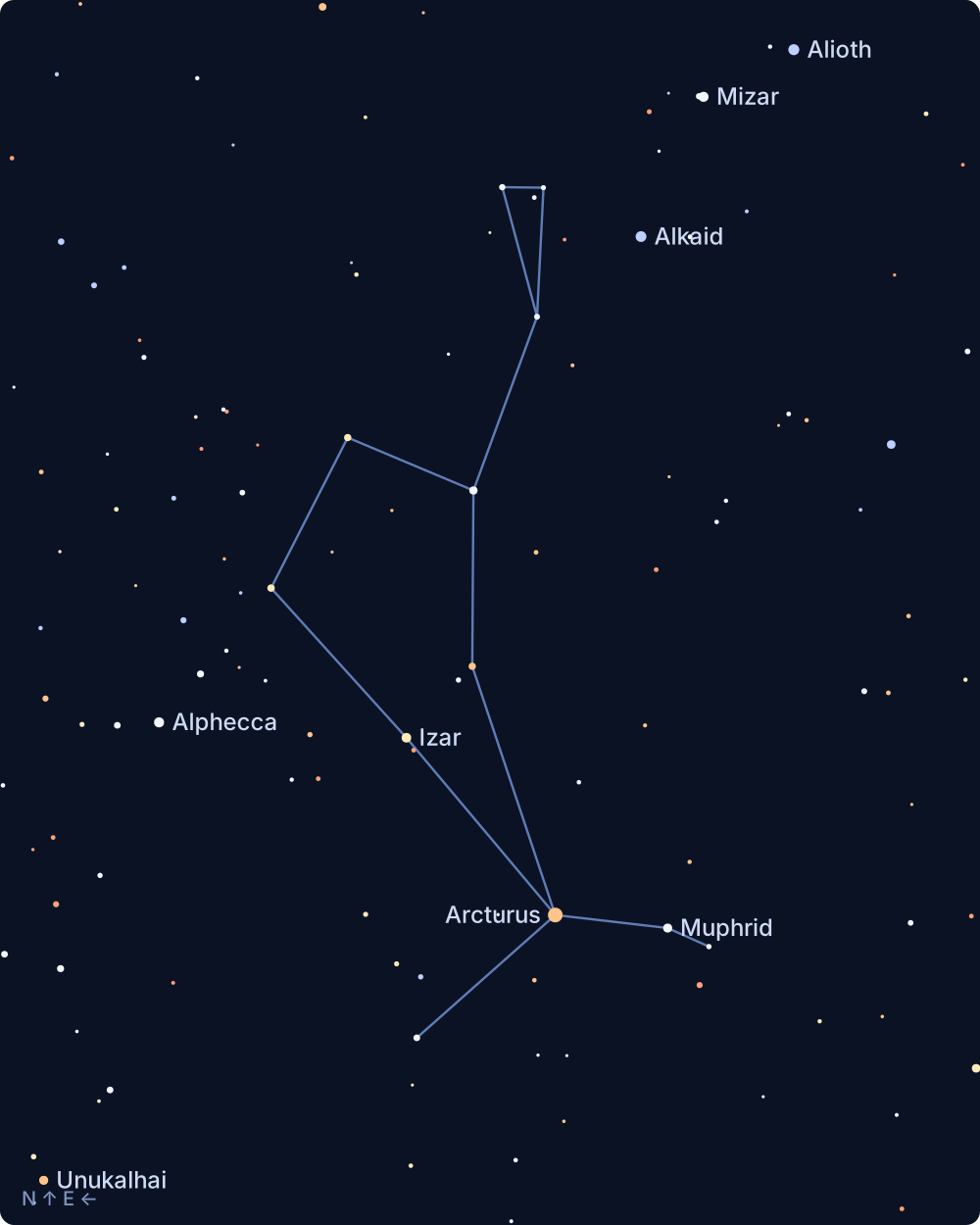
The Herdsman
A spring constellation shaped like a kite or ice-cream cone, led by orange Arcturus, the brightest star in the northern sky.
 Winter · year-round
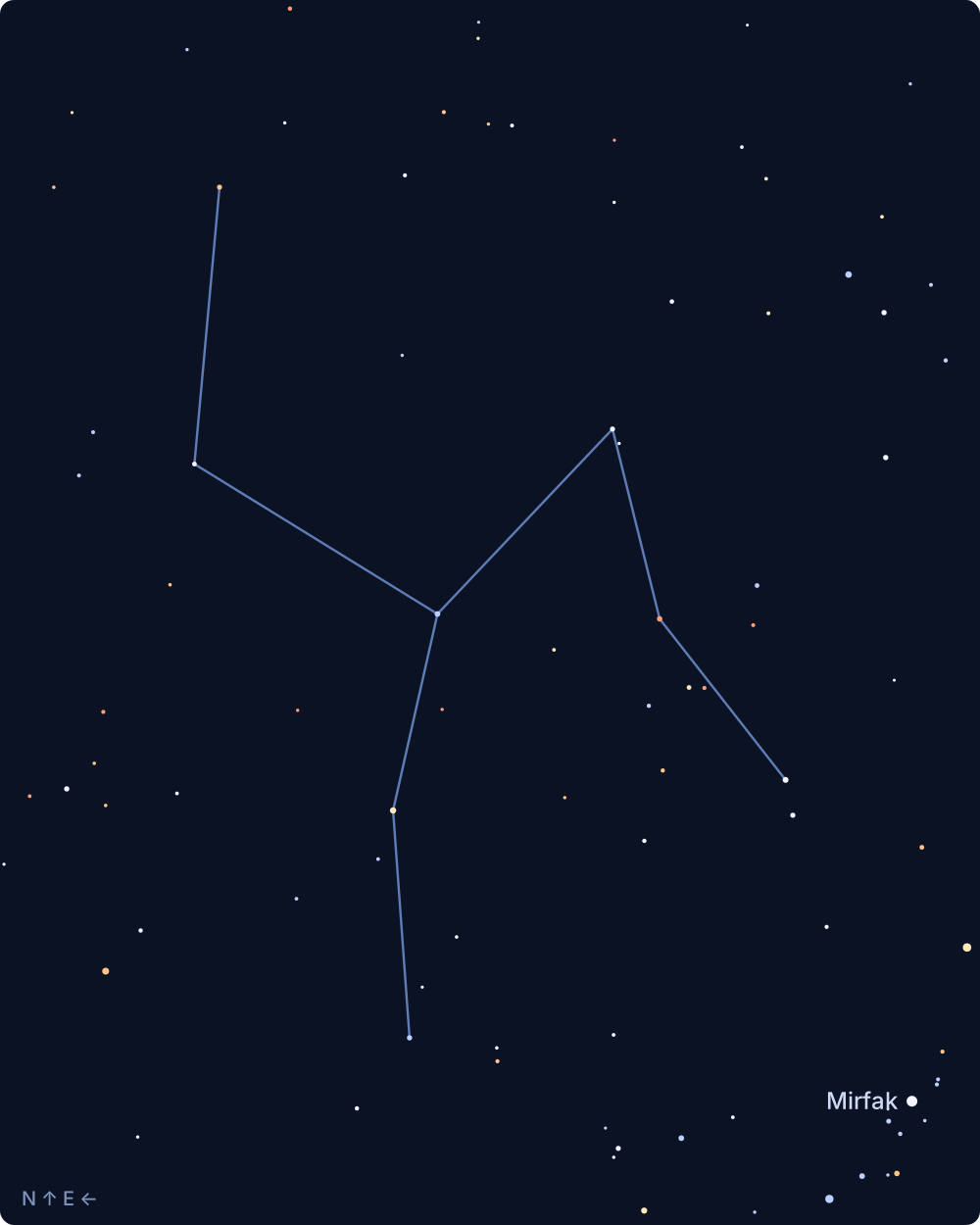
The Giraffe
A large, very faint circumpolar constellation between Cassiopeia and the Big Dipper, home to the stream of stars called Kemble's Cascade.
 Spring
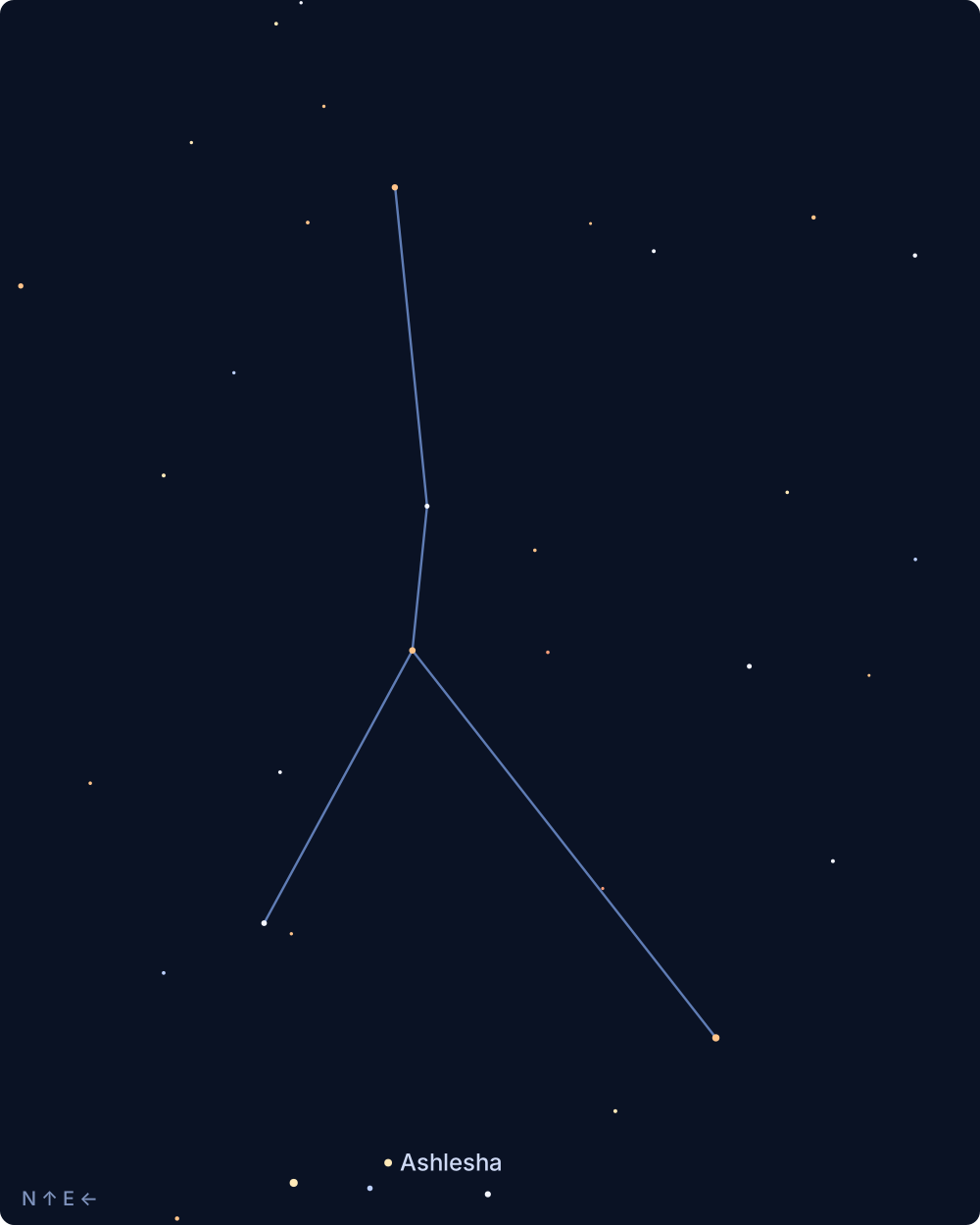
The Crab
The faintest of the zodiac constellations, a dim upside-down Y, and the home of the Beehive Cluster, which shows up as a fuzzy patch to the naked eye in a dark sky.
 Spring
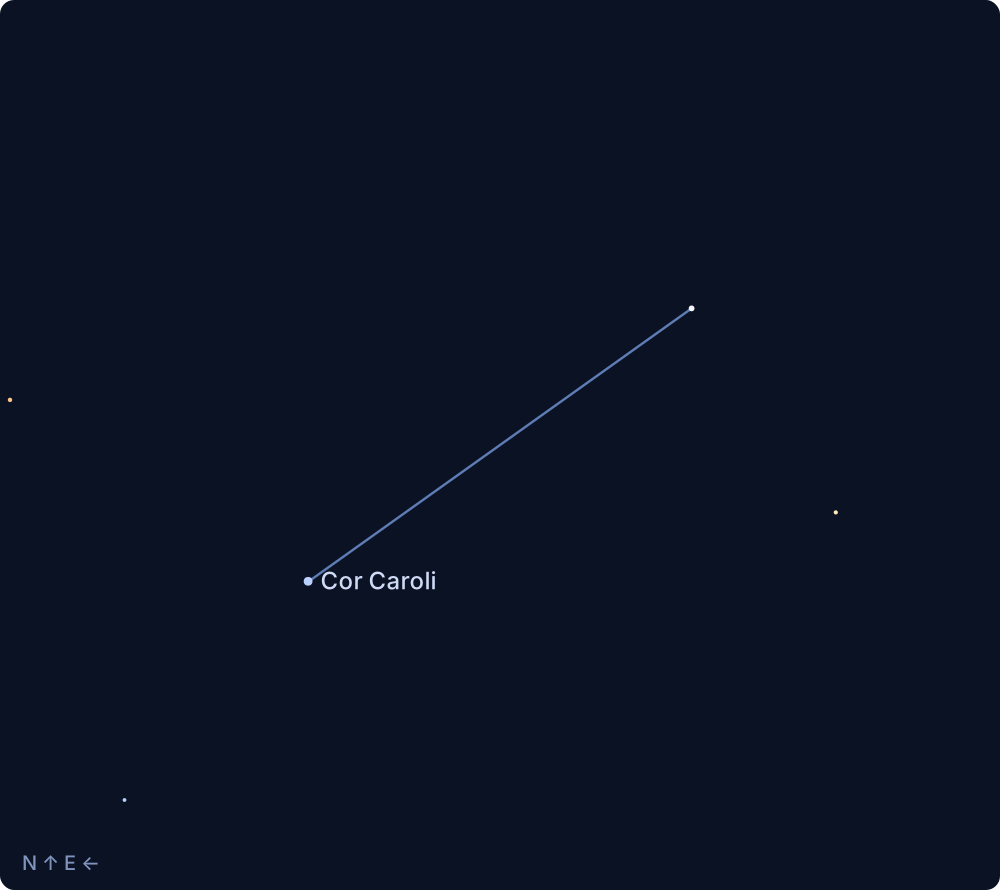
The Hunting Dogs
A faint spring constellation below the Big Dipper's handle, with the Whirlpool Galaxy and the bright globular cluster M3.
 Winter
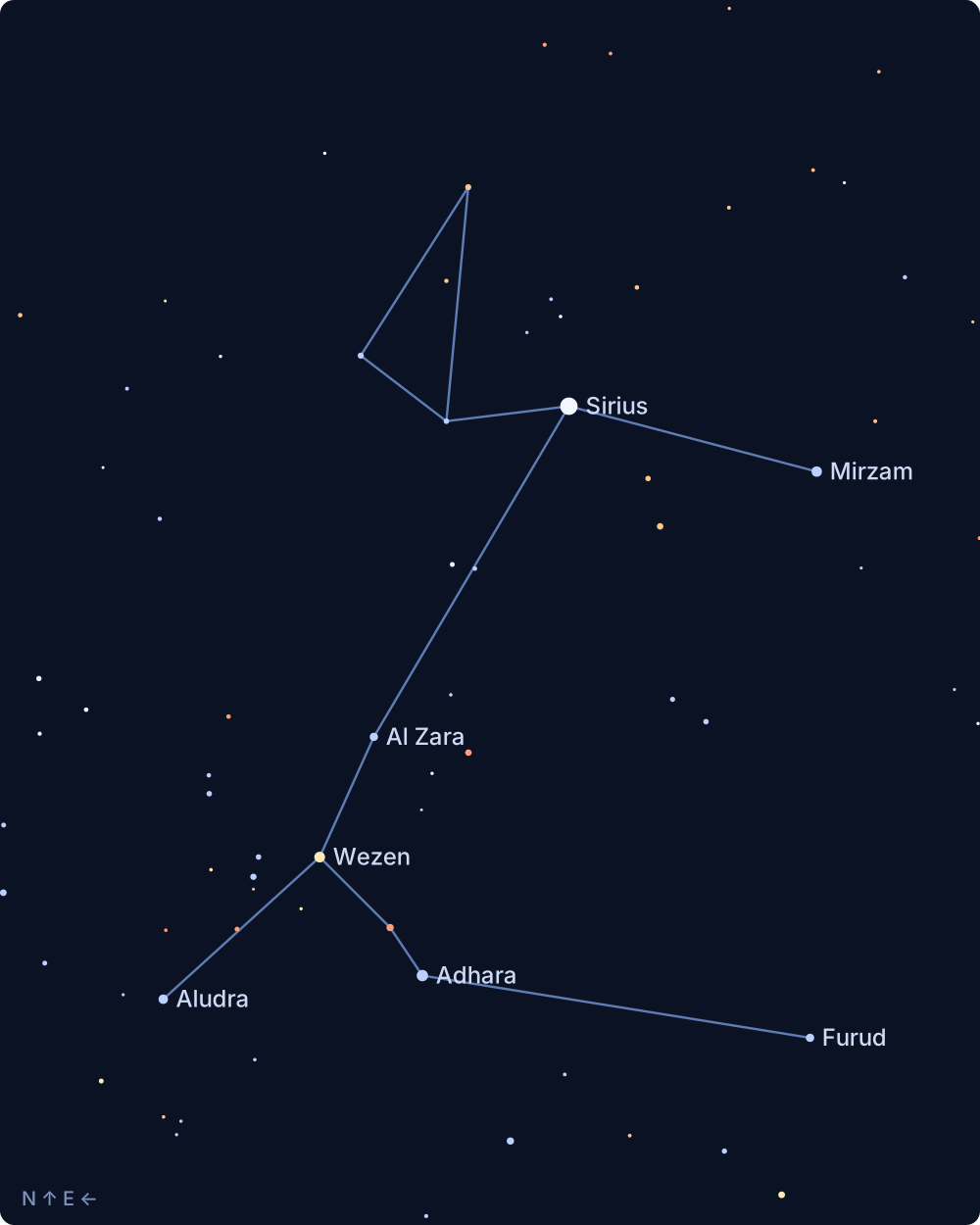
The Great Dog
A winter constellation led by Sirius, the brightest star in the night sky, which sits low in the southeast, trailing Orion.
 Winter
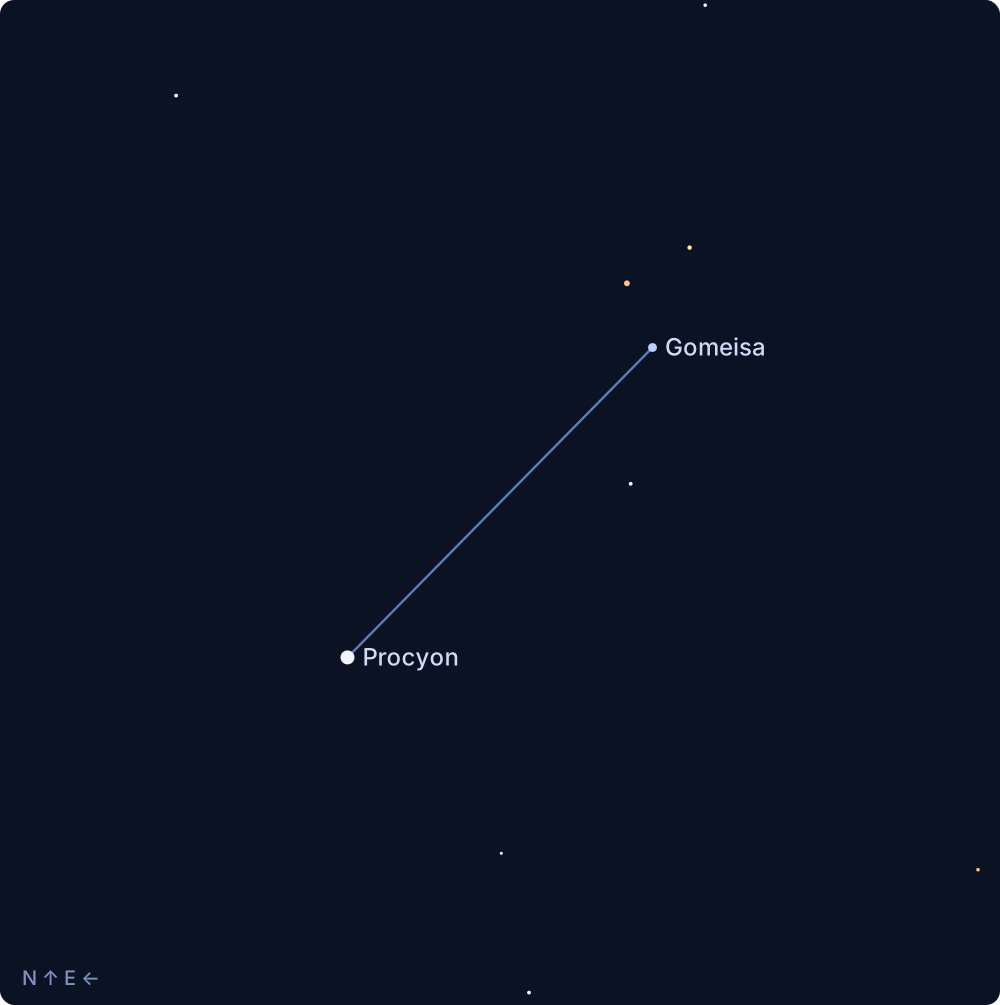
The Little Dog
A tiny winter constellation made of two stars, bright Procyon and fainter Gomeisa, forming one corner of the Winter Triangle.
 Autumn
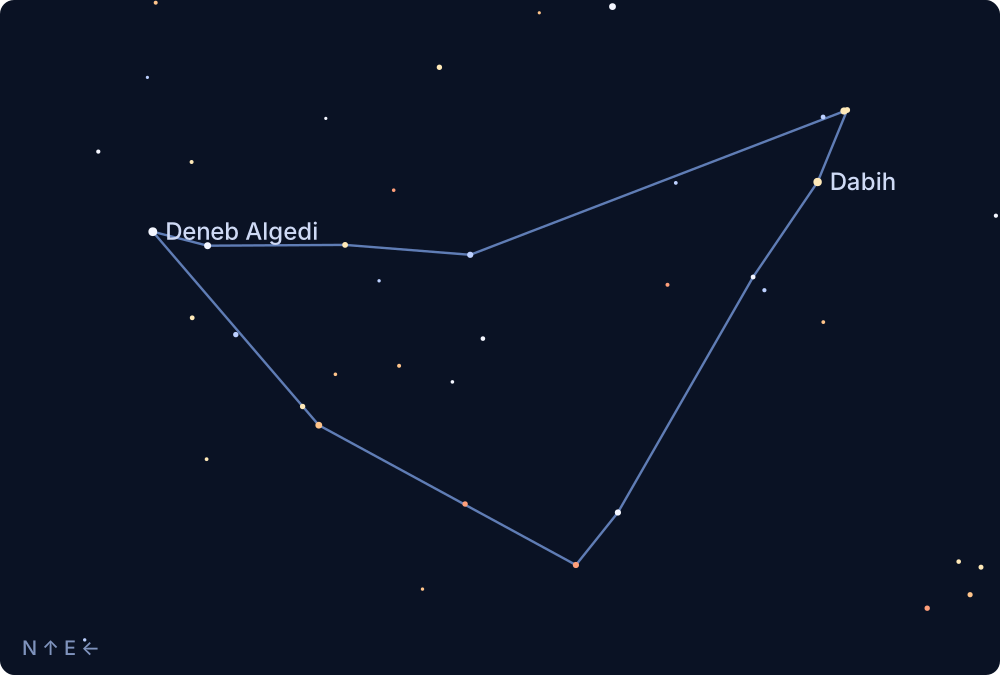
The Sea-Goat
A faint autumn zodiac constellation shaped like a large crescent or smile, easy to spot in a dark sky south of Altair.
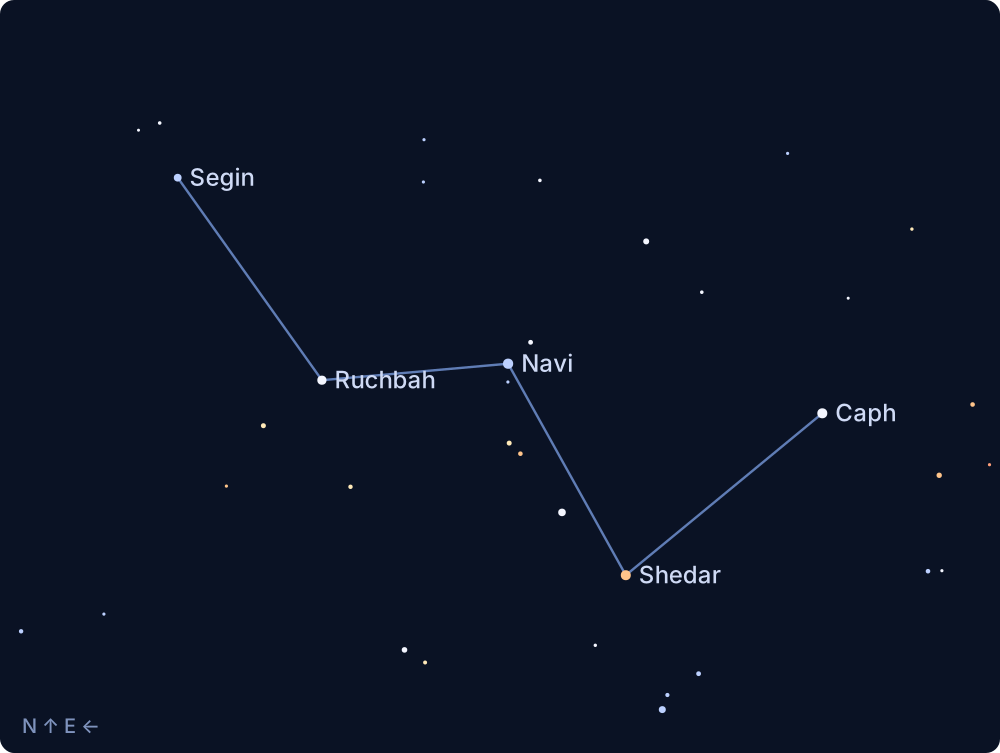 Autumn · year-round
The Queen
A bright, zigzag 'W' of five stars that circles the North Star opposite the Big Dipper, and the easiest way to find your way around the northern sky in autumn.
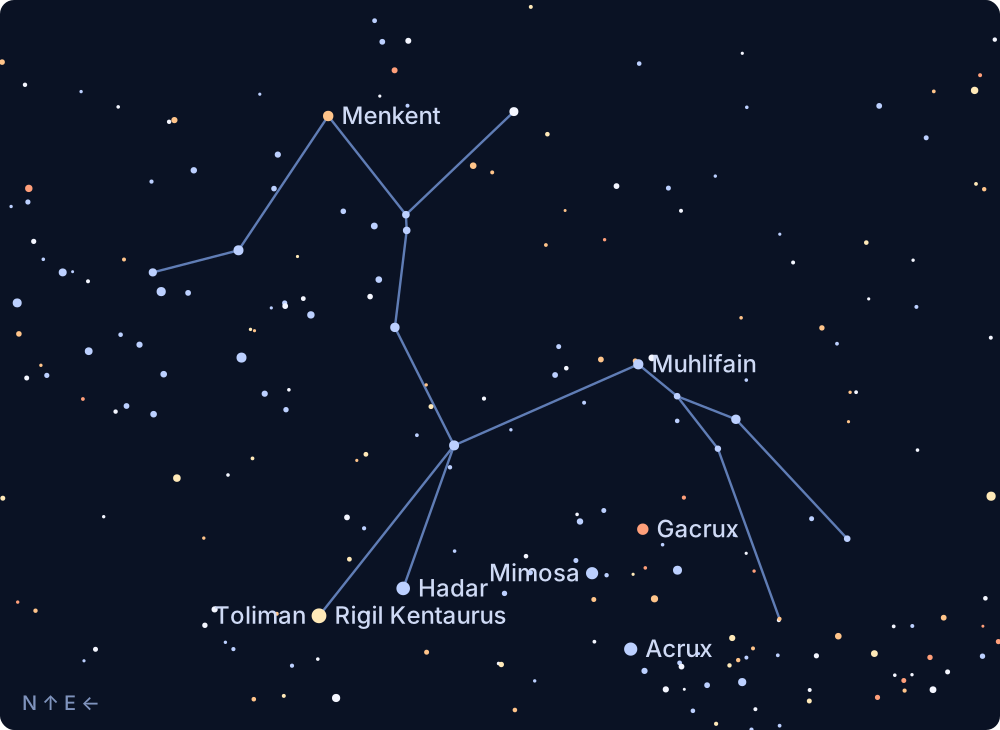 Spring
The Centaur
A large, bright constellation of the southern sky, home to Alpha Centauri, the nearest star system to the Sun, and Omega Centauri, the biggest globular cluster. Only the northern part is visible from most of the United States.
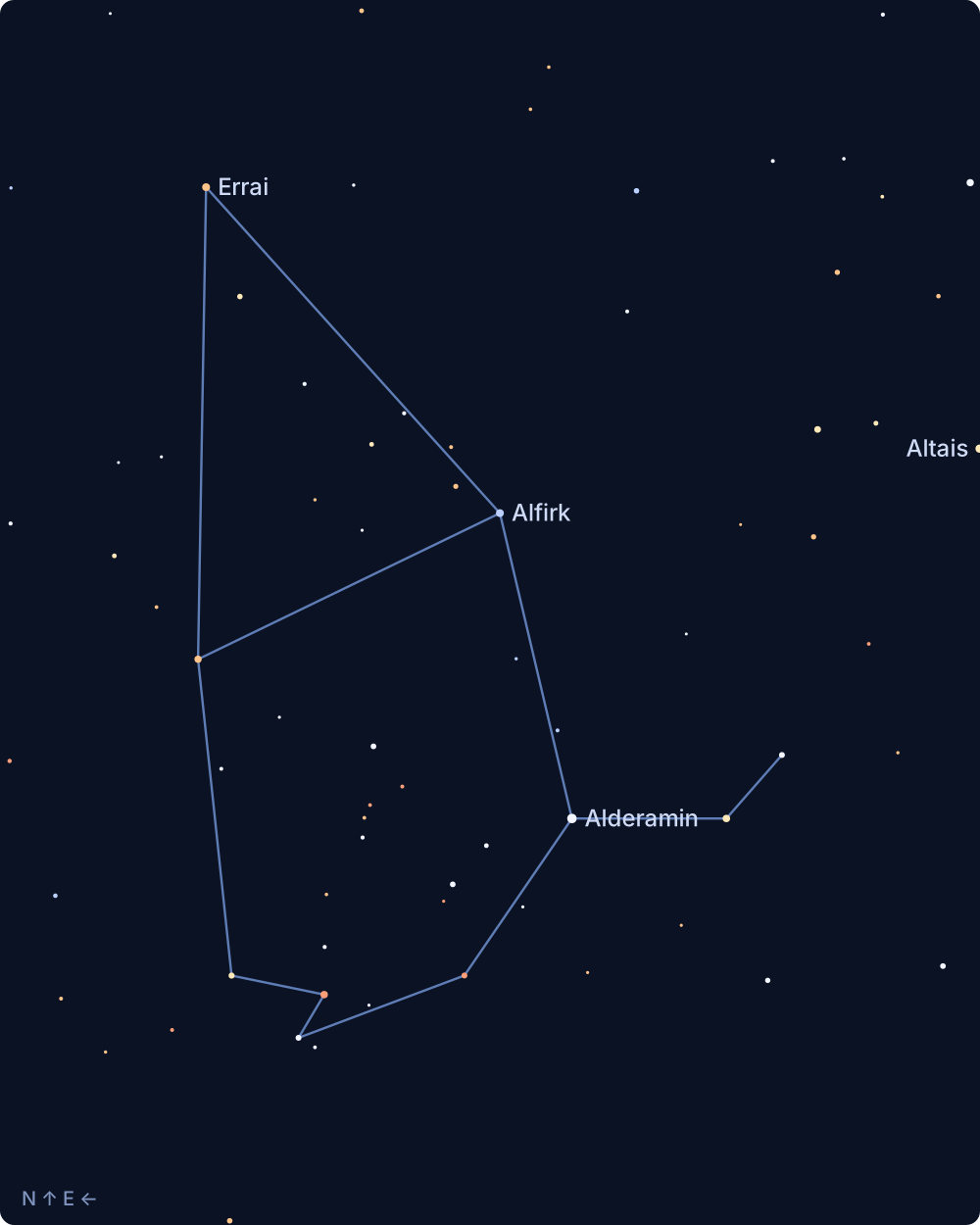 Autumn · year-round
The King
A faint circumpolar constellation shaped like a house with a pointed roof, next to Cassiopeia and pointing toward the North Star.
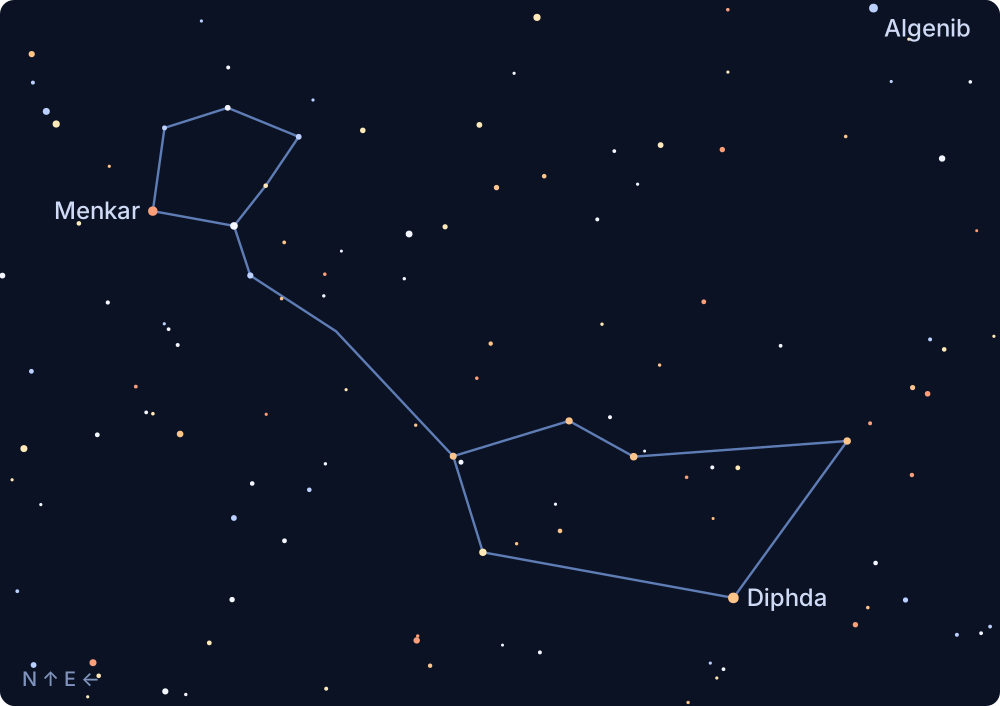 Autumn
The Whale
A large, faint autumn constellation of the Whale, home to Mira, a star that rises and falls in brightness over about eleven months.
 Winter
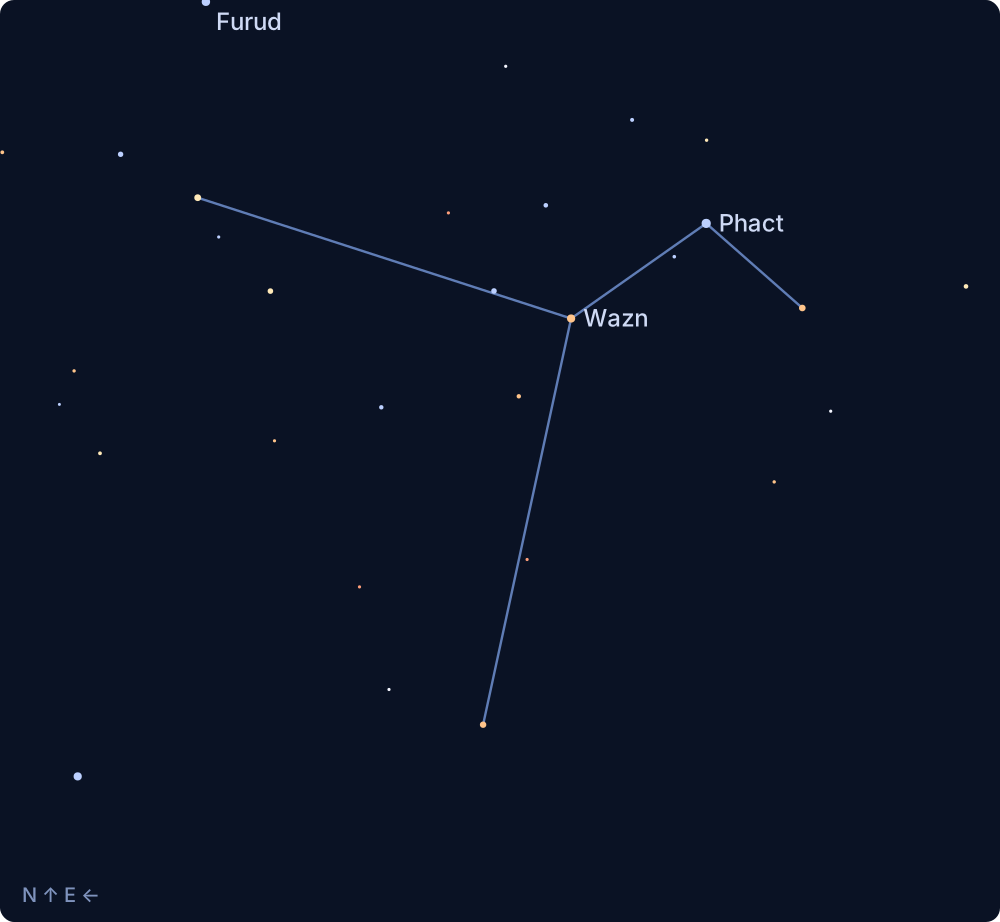
The Dove
A small southern winter constellation just below Lepus, visible low in the south, with Phact as its brightest star.
 Spring
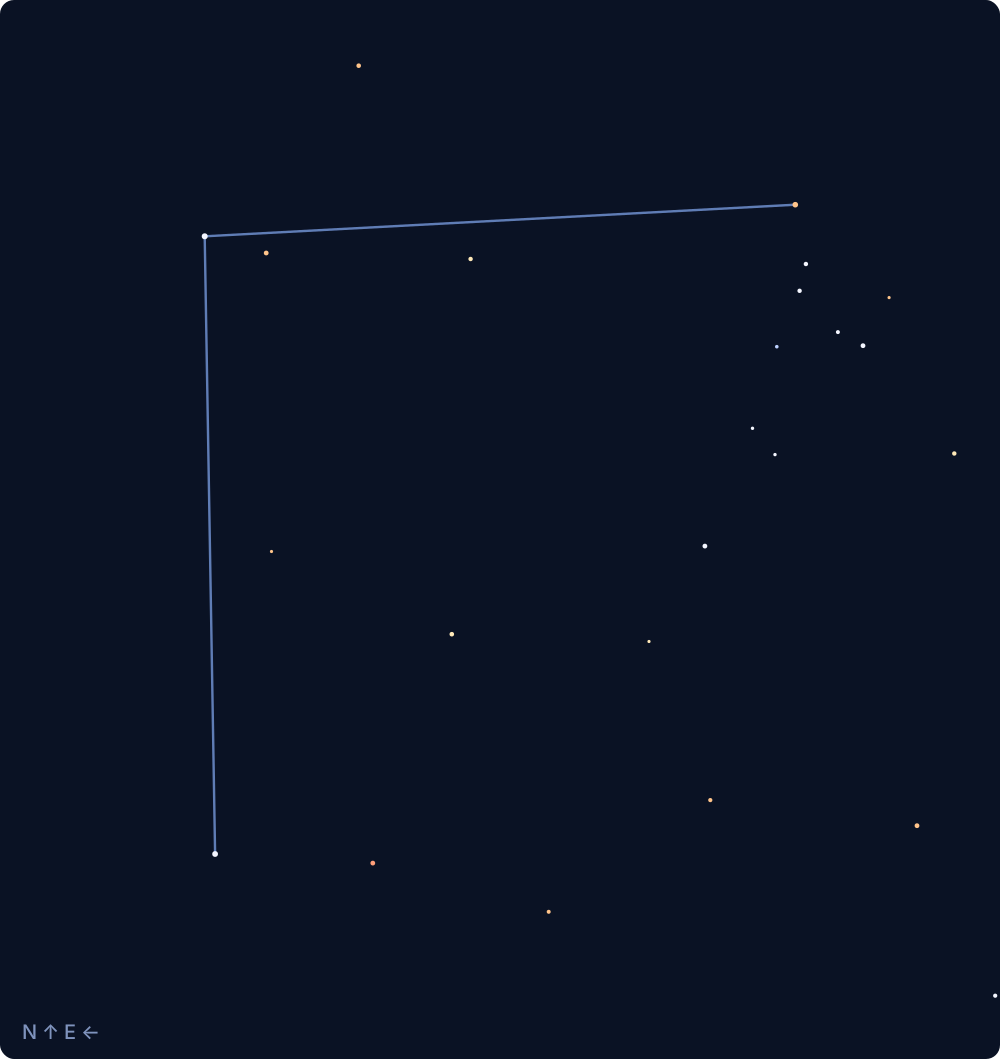
Berenice's Hair
A faint spring constellation that is best known for the Coma Star Cluster, a large, loose cluster of stars visible to the naked eye in a dark sky.
 Summer
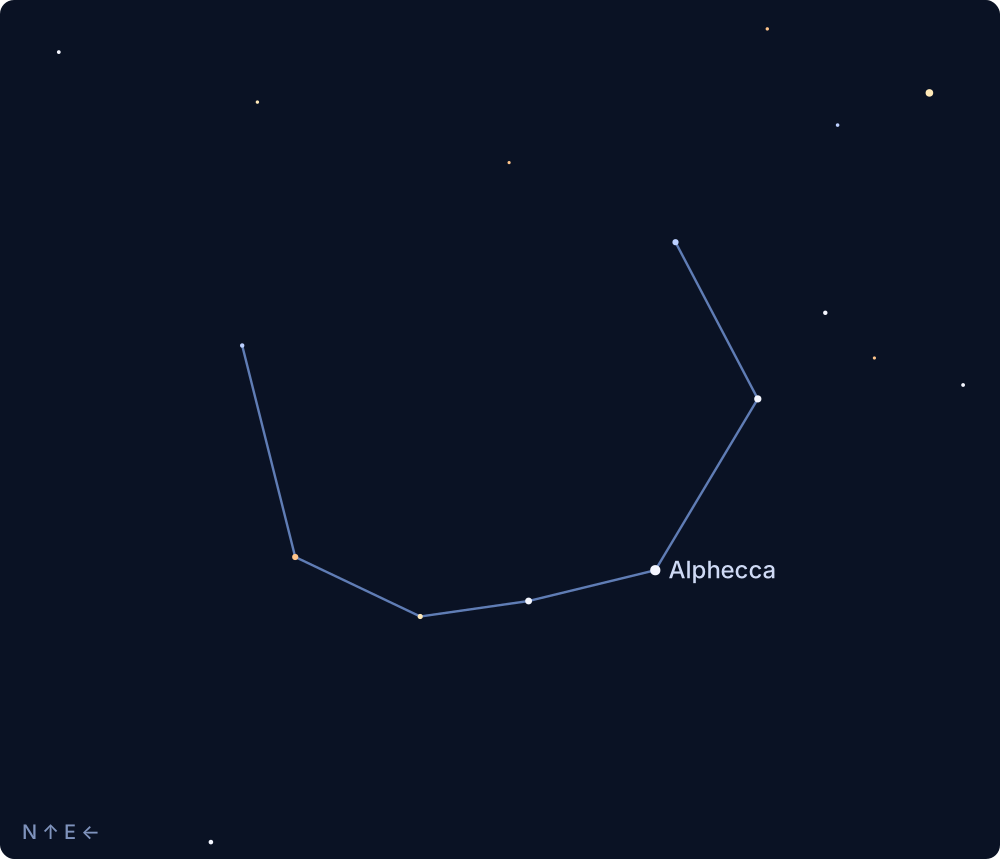
The Northern Crown
A small, graceful semicircle of stars, the Northern Crown, which sits between Boötes and Hercules.
 Spring
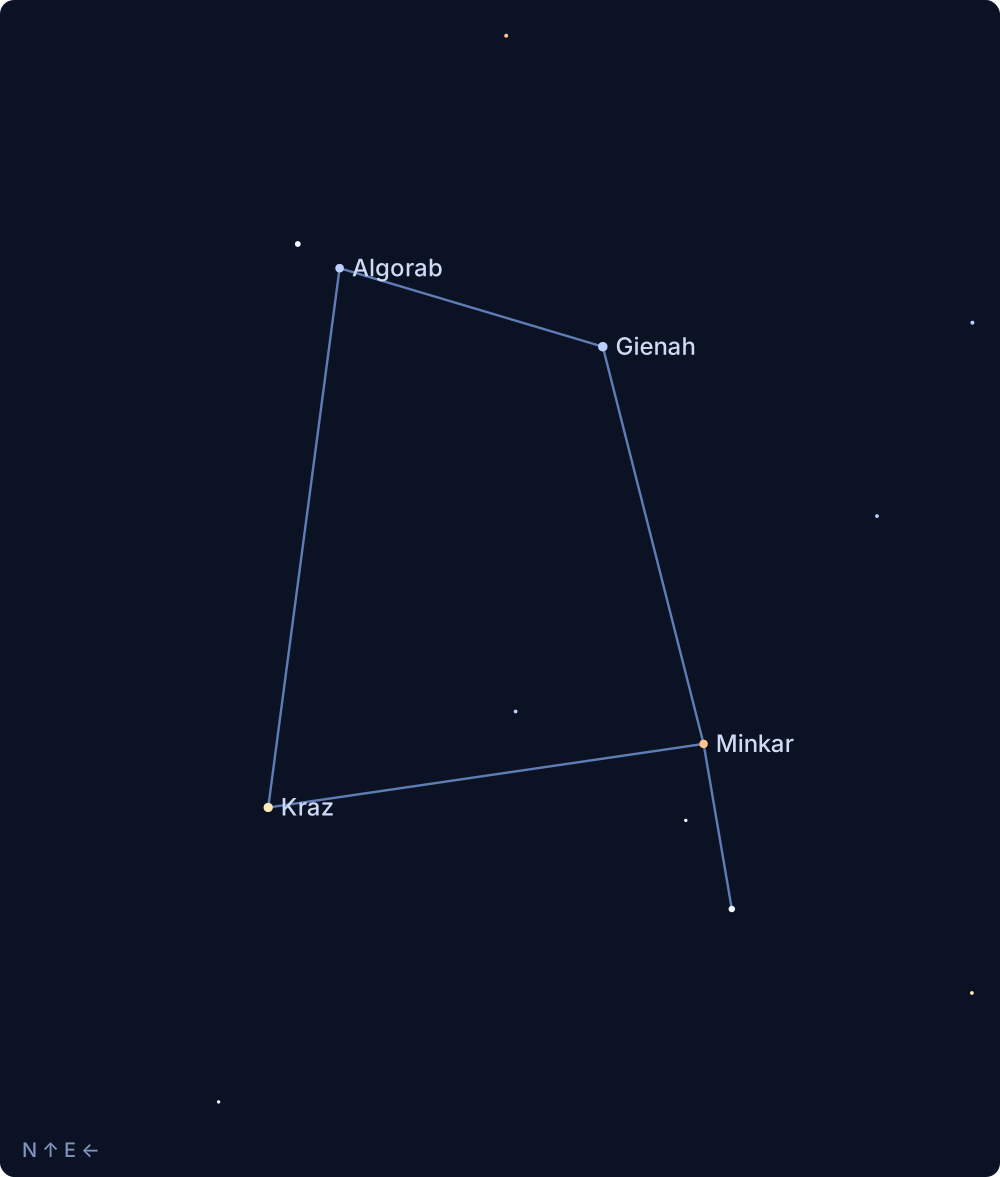
The Crow
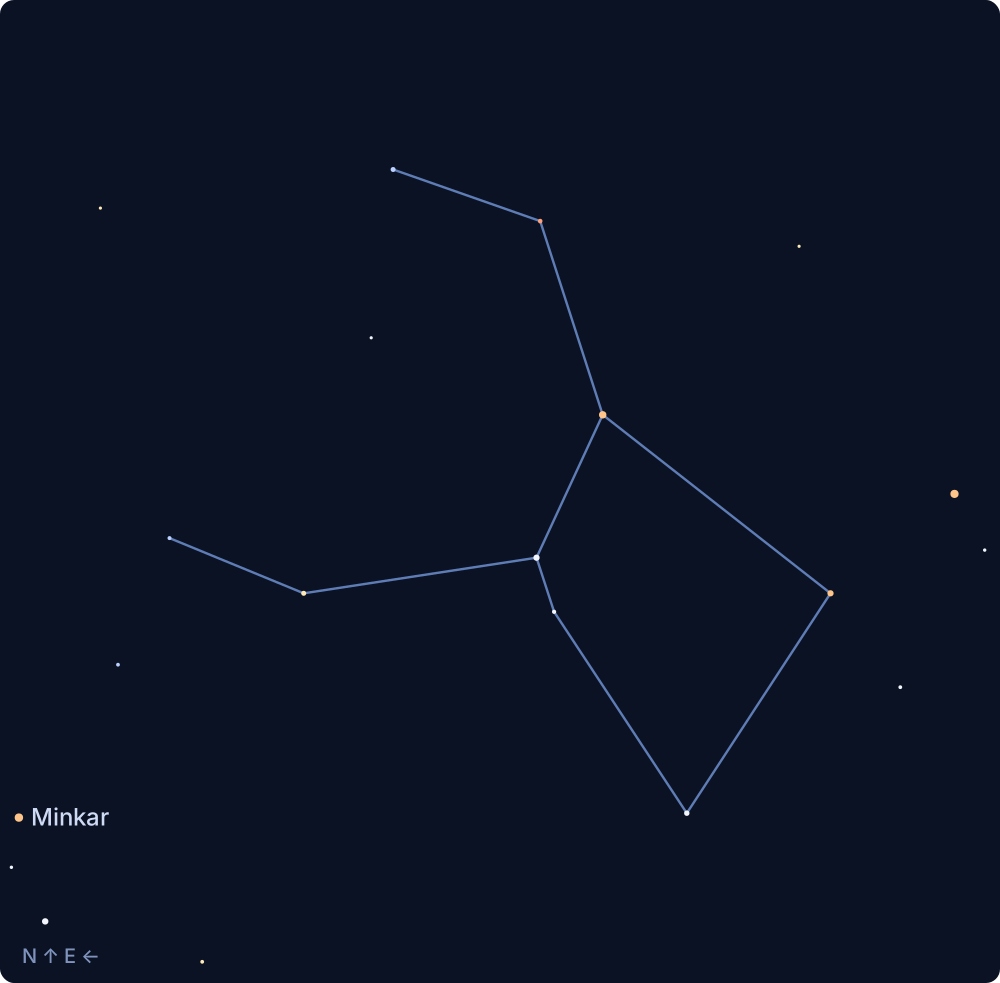
A small spring constellation, a lopsided quadrilateral of four fairly bright stars, just southwest of Spica.
 Spring
The Cup
A small, faint spring constellation of a loose bowl of stars sitting on the back of Hydra, next to Corvus.
 Spring
The Southern Cross
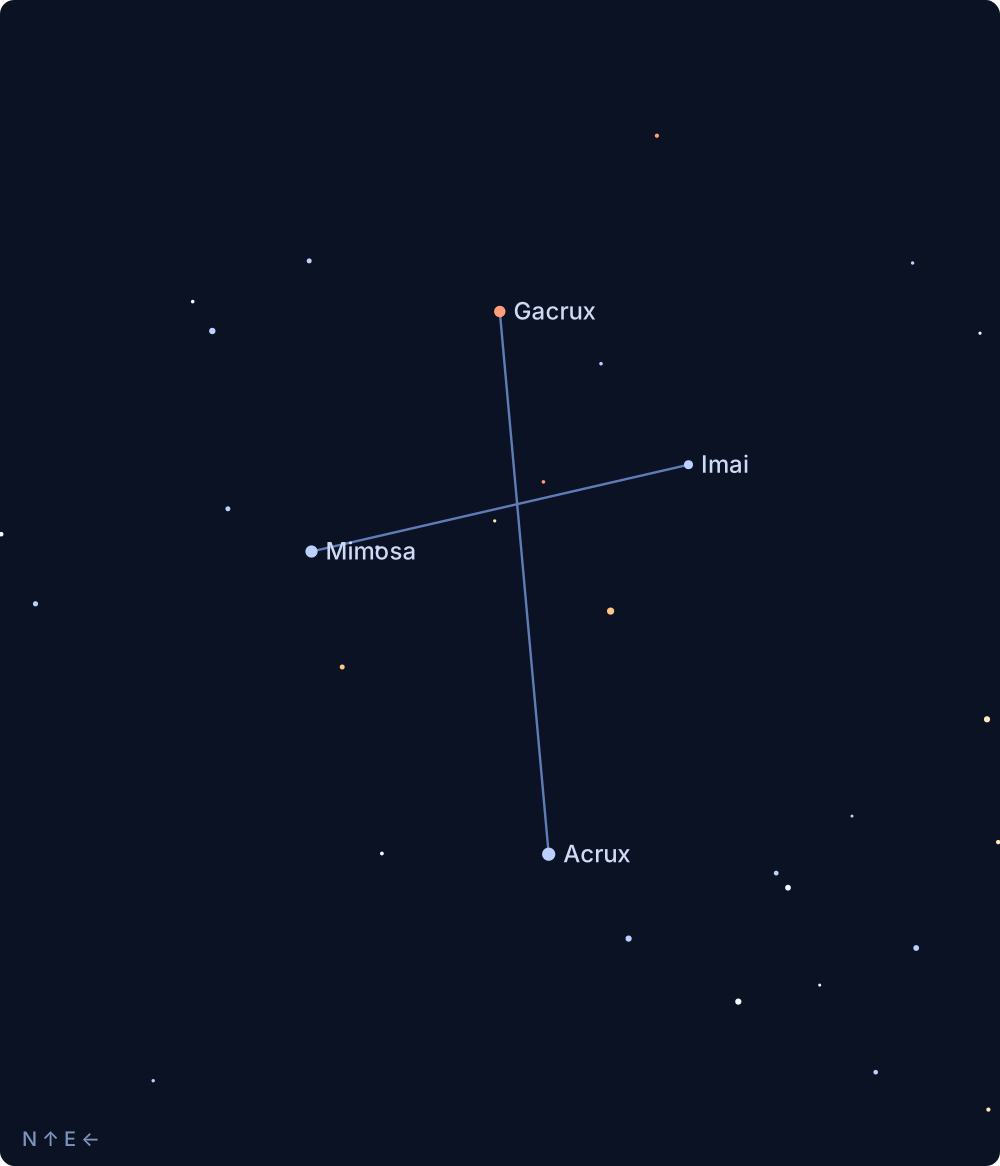
The smallest of all 88 constellations, a compact cross of four bright stars. It is visible only from the far southern United States, such as Florida, southern Texas, and Hawaii.
 Summer
The Swan
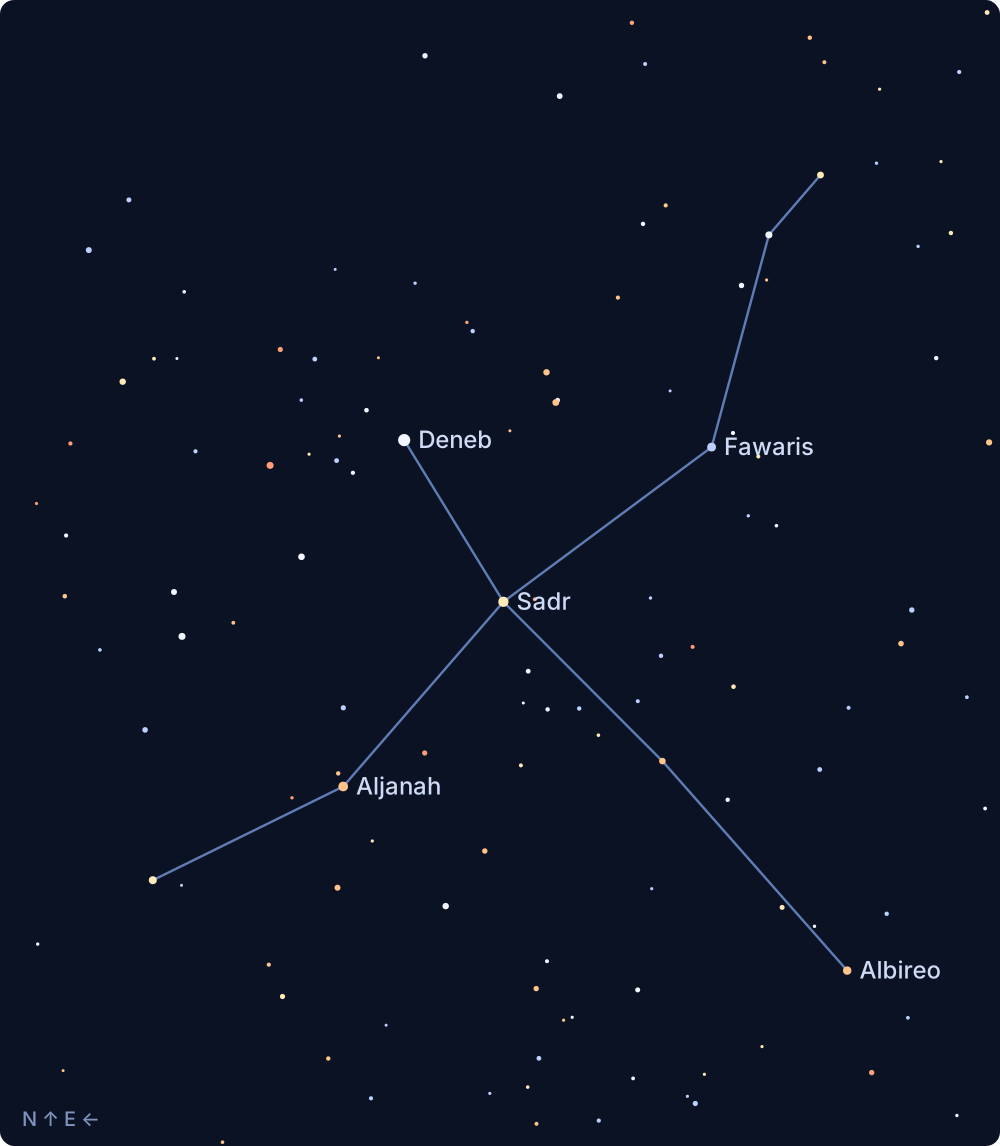
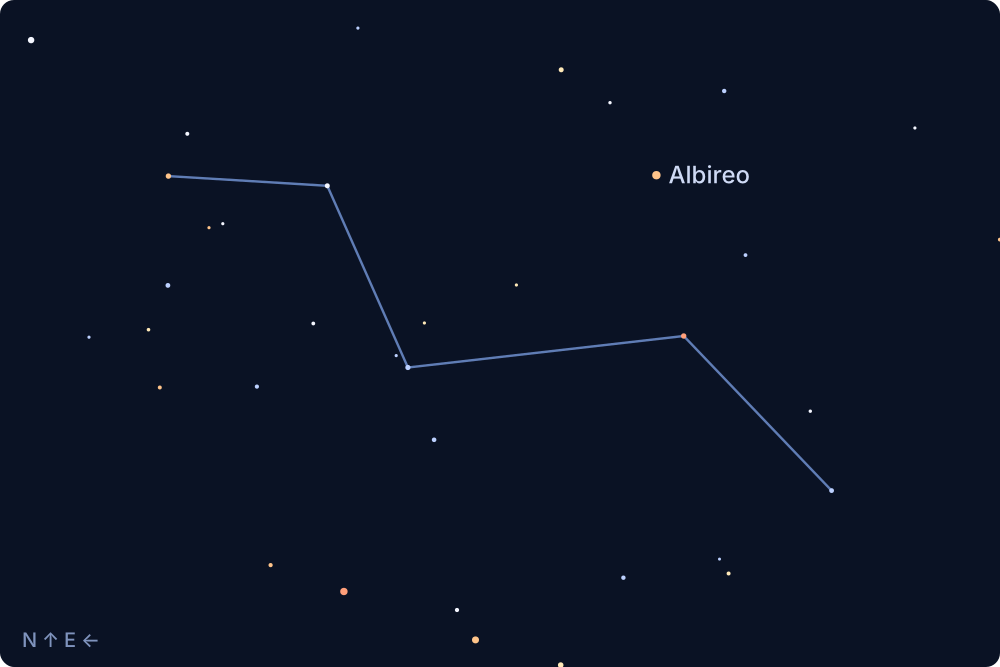
A summer constellation shaped like a large cross, flying along the Milky Way, with Deneb at the tail and the colorful double star Albireo at the beak.
 Summer
The Dolphin
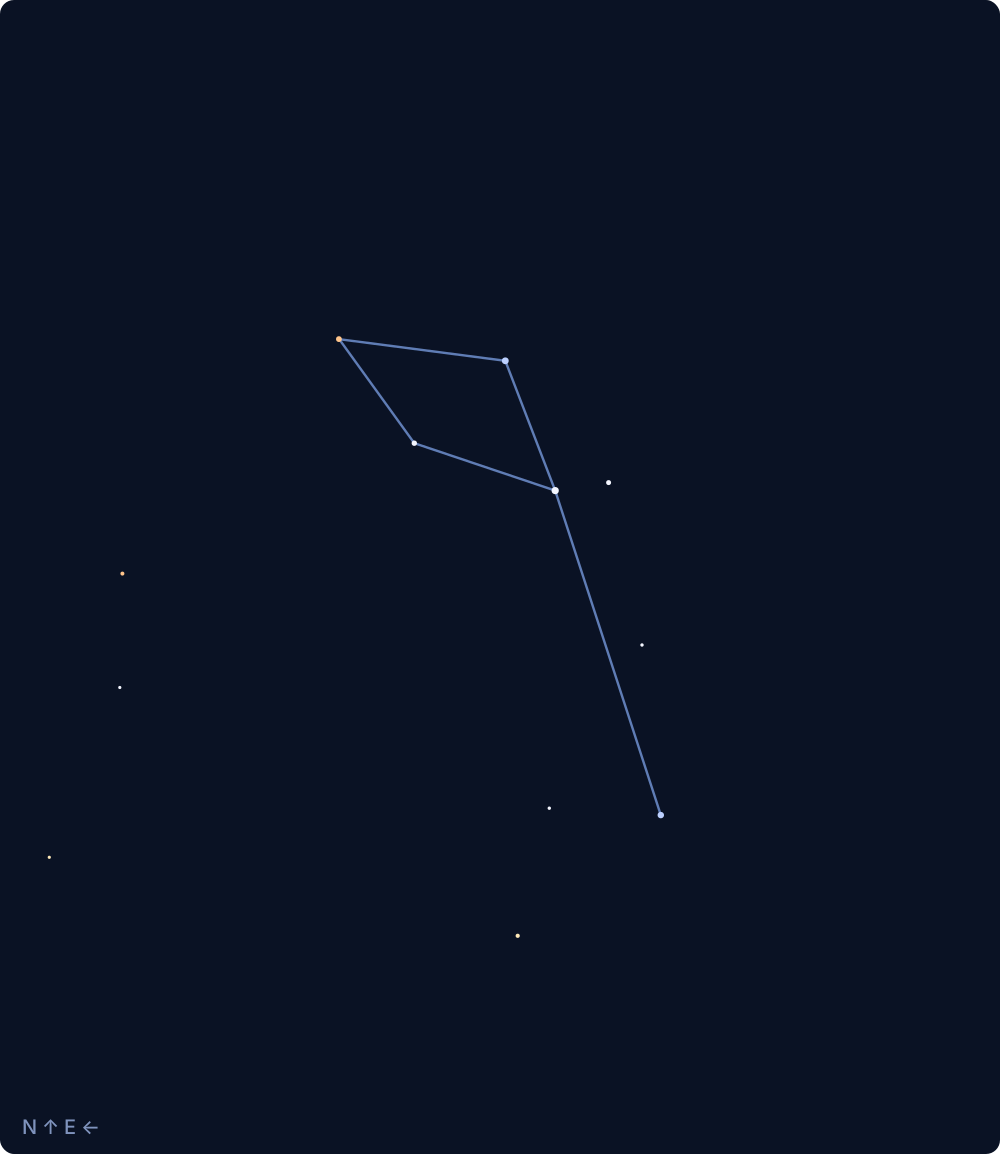
A small, neat constellation, a diamond of four stars with a short tail, that looks like a dolphin leaping.
 Summer · year-round
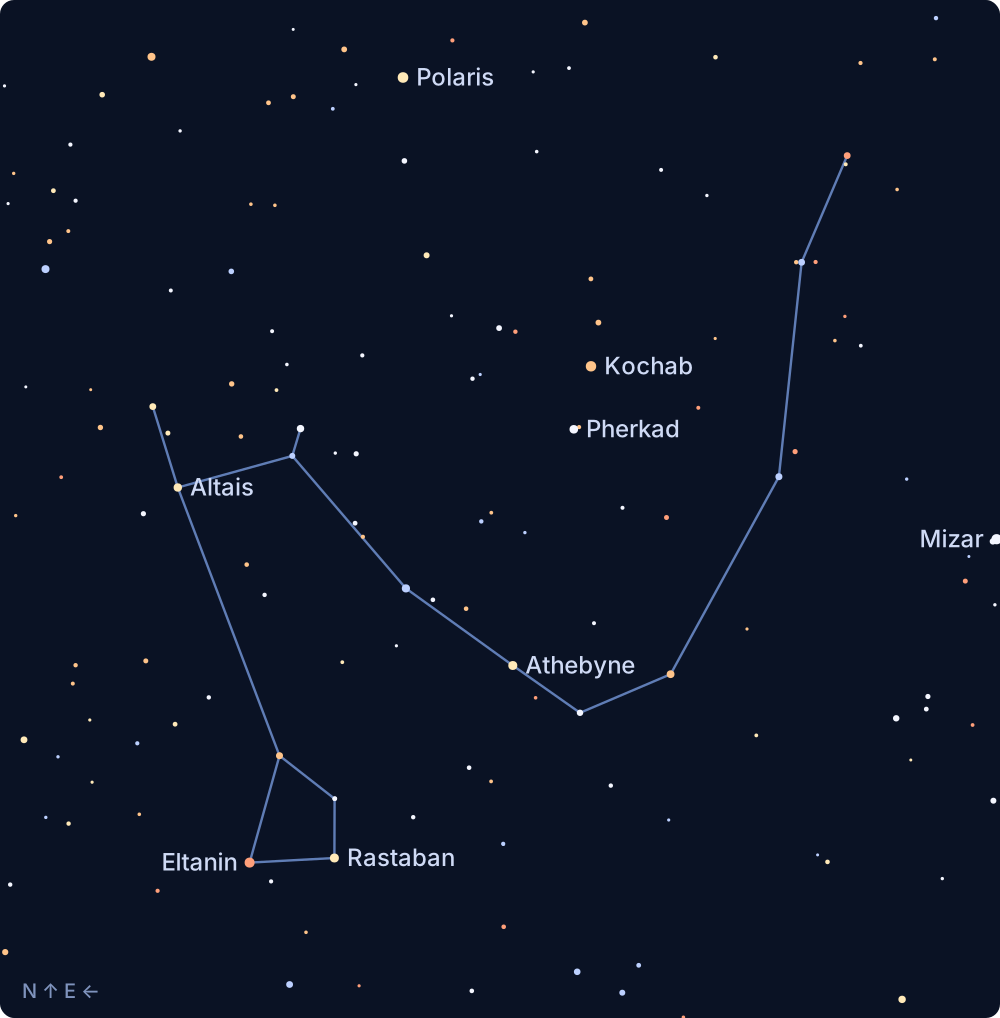
The Dragon
A long, winding circumpolar constellation that curls between the Big and Little Dippers, ending in a lopsided head near Vega.
 Autumn
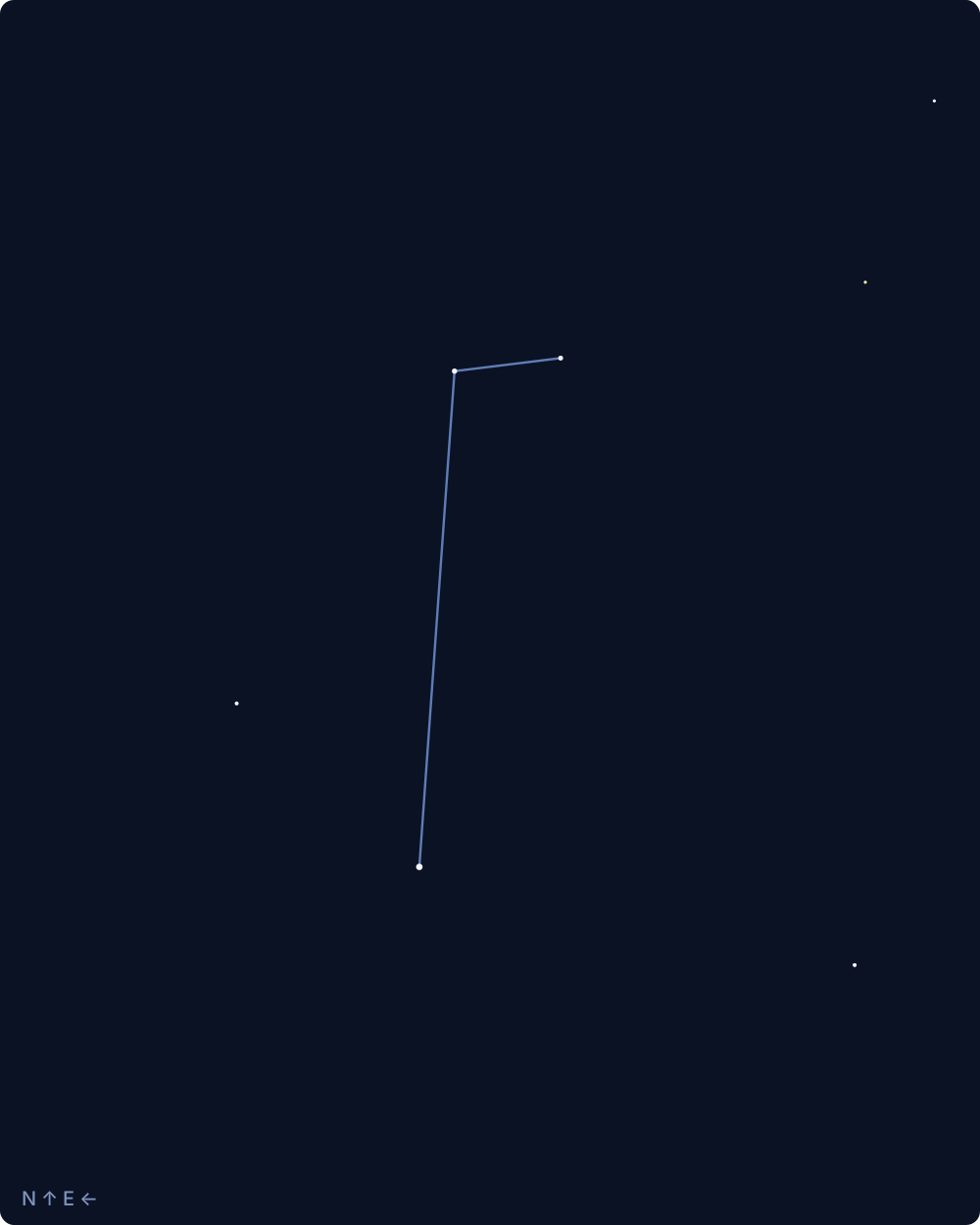
The Little Horse
The second-smallest constellation in the sky, a tiny, faint group of stars just east of Delphinus.
 Winter
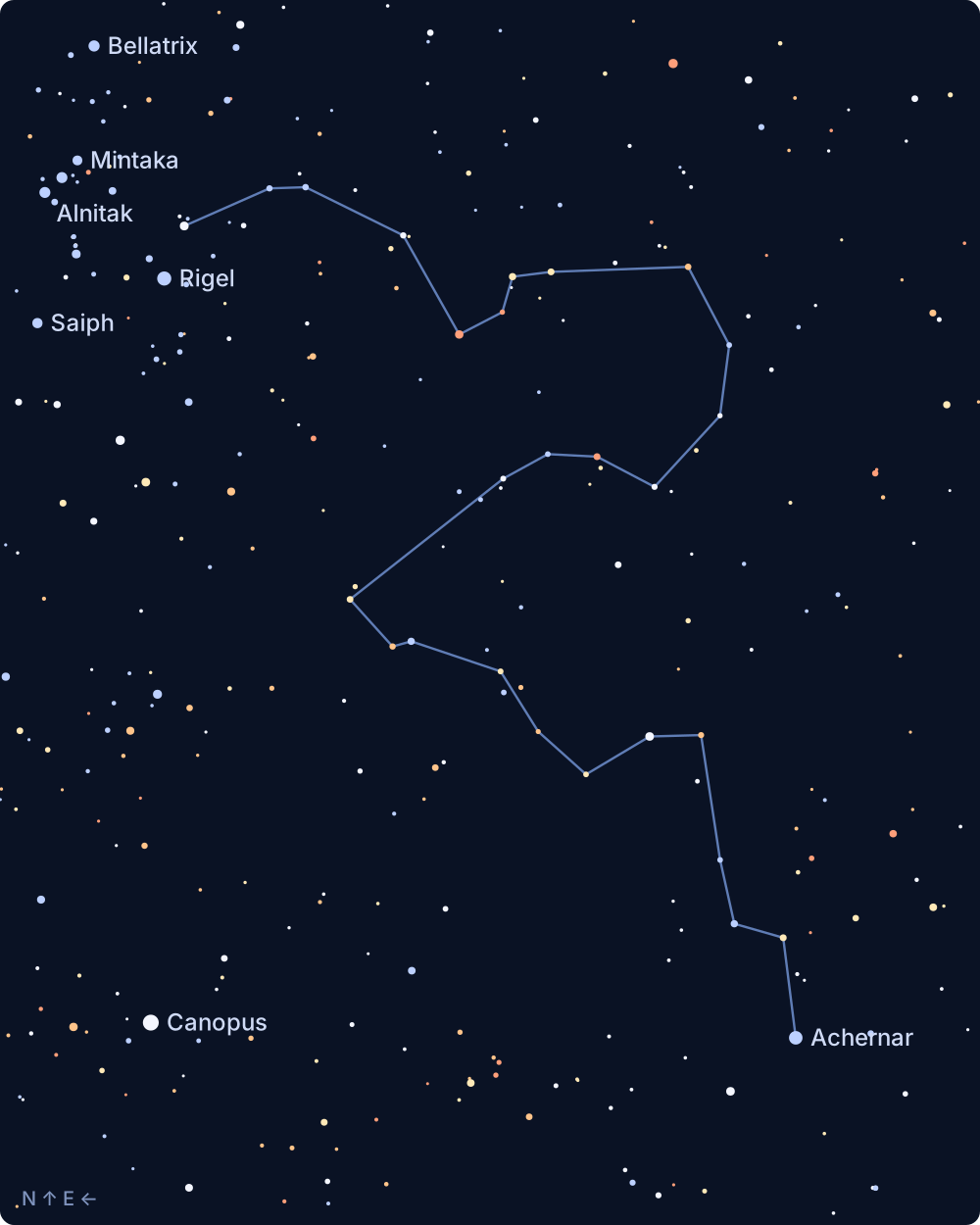
The River
A long, winding river of faint stars that starts near Rigel in Orion and flows south, mostly below the horizon for northern observers.
 Winter
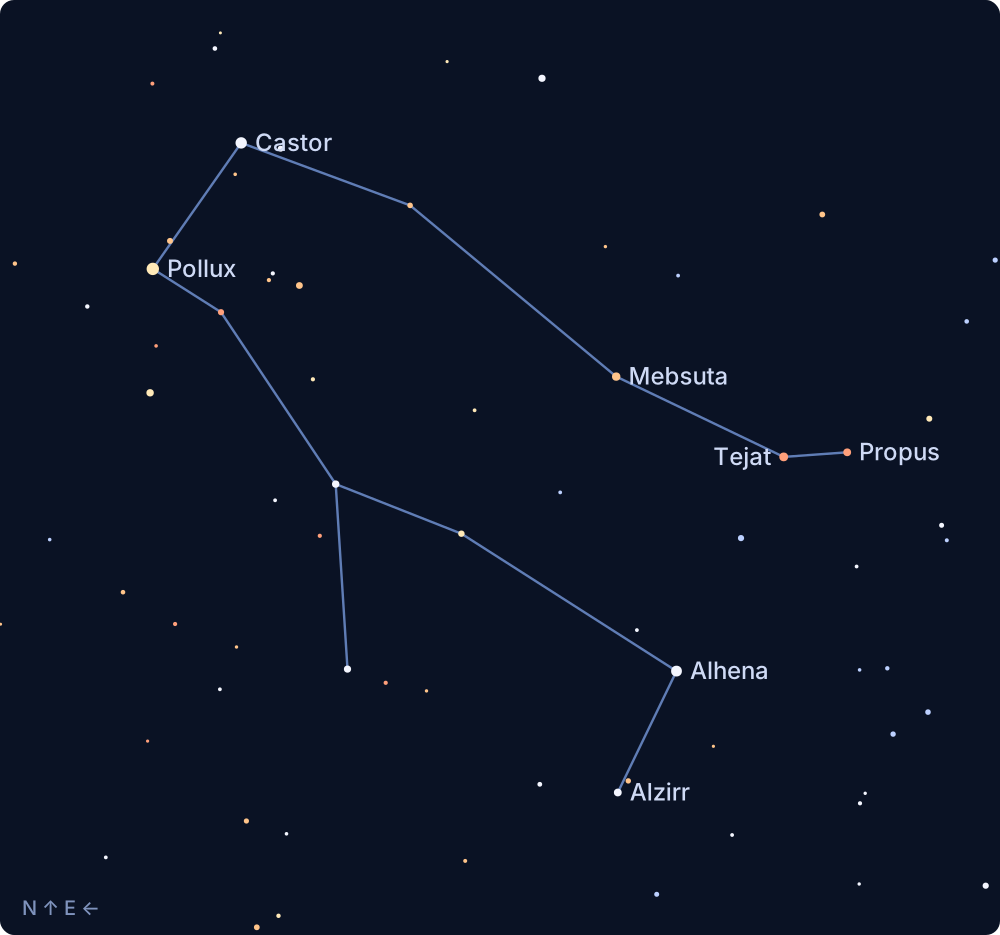
The Twins
A winter zodiac constellation marked by two bright stars, Castor and Pollux, standing side by side like the heads of the twins.
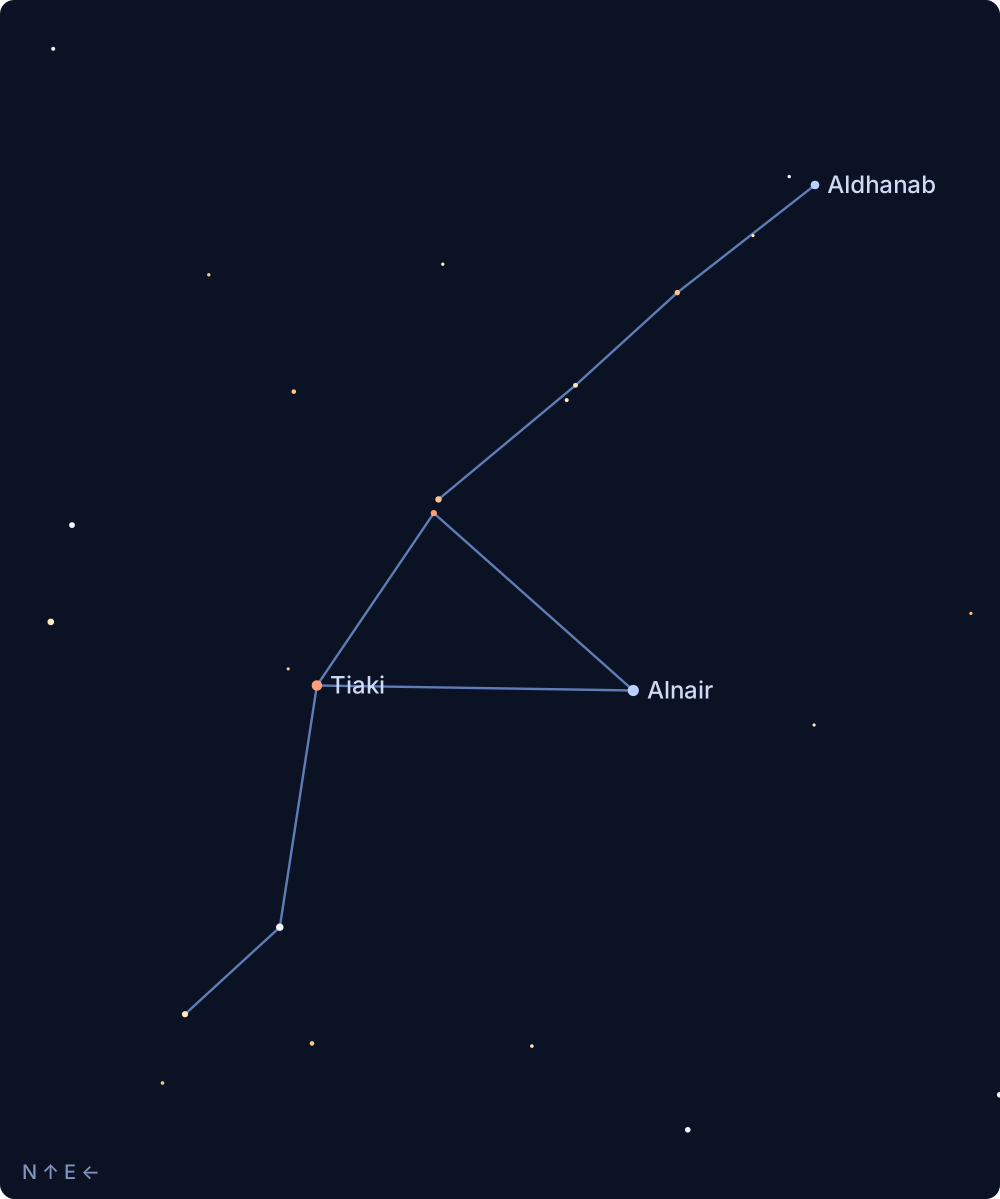 Autumn
The Crane
A southern constellation shaped like a long-necked bird, south of Piscis Austrinus, visible low in the south from the southern United States.
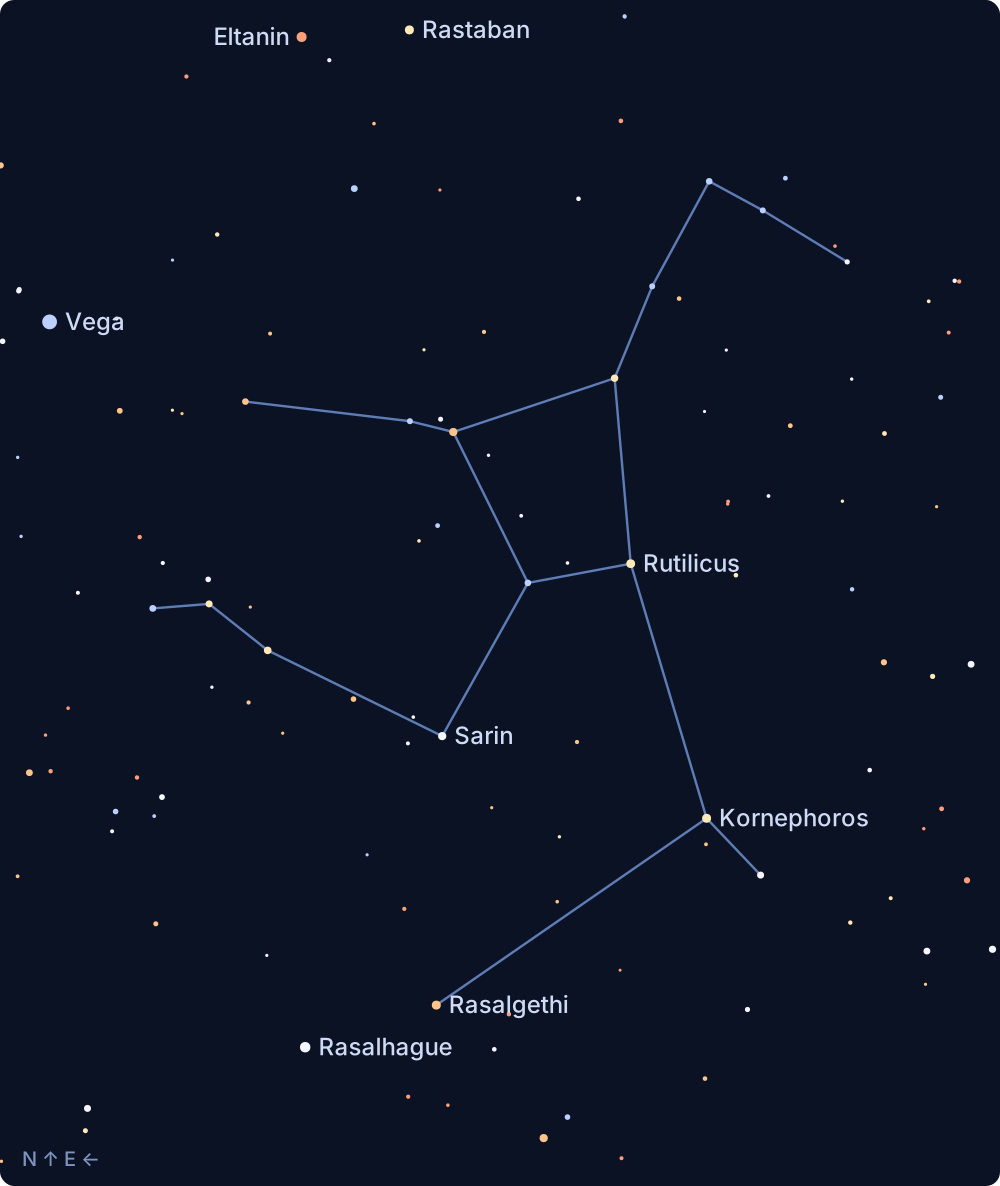 Summer
The Strongman
A large summer constellation with a four-star Keystone and M13, the brightest globular star cluster in the northern sky.
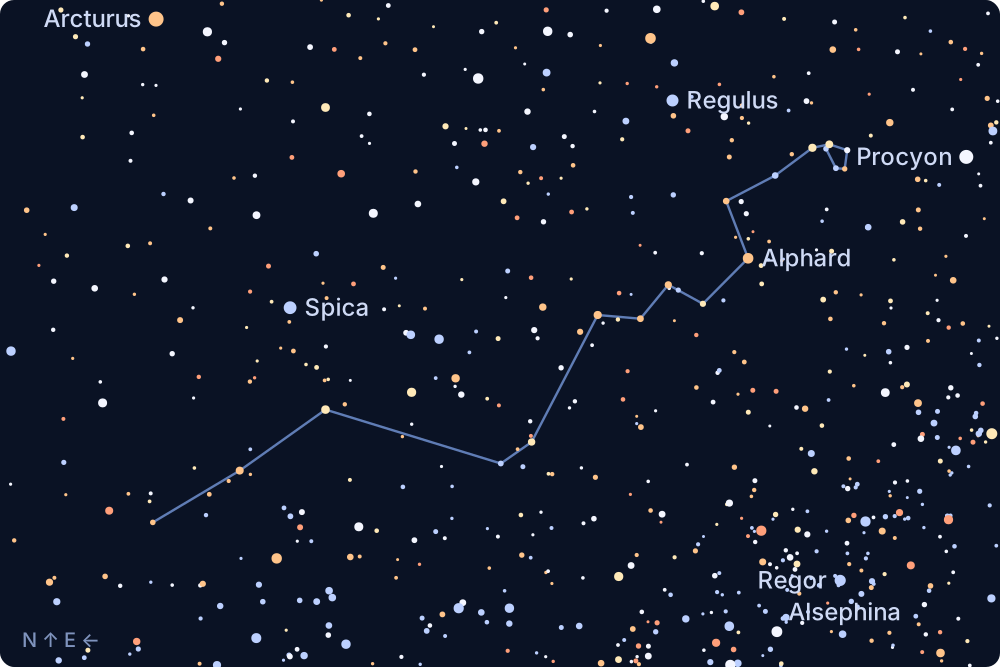 Spring
The Water Snake
The largest constellation in the sky, a long chain of faint stars that stretches from below Cancer to near Libra, with orange Alphard in the middle.
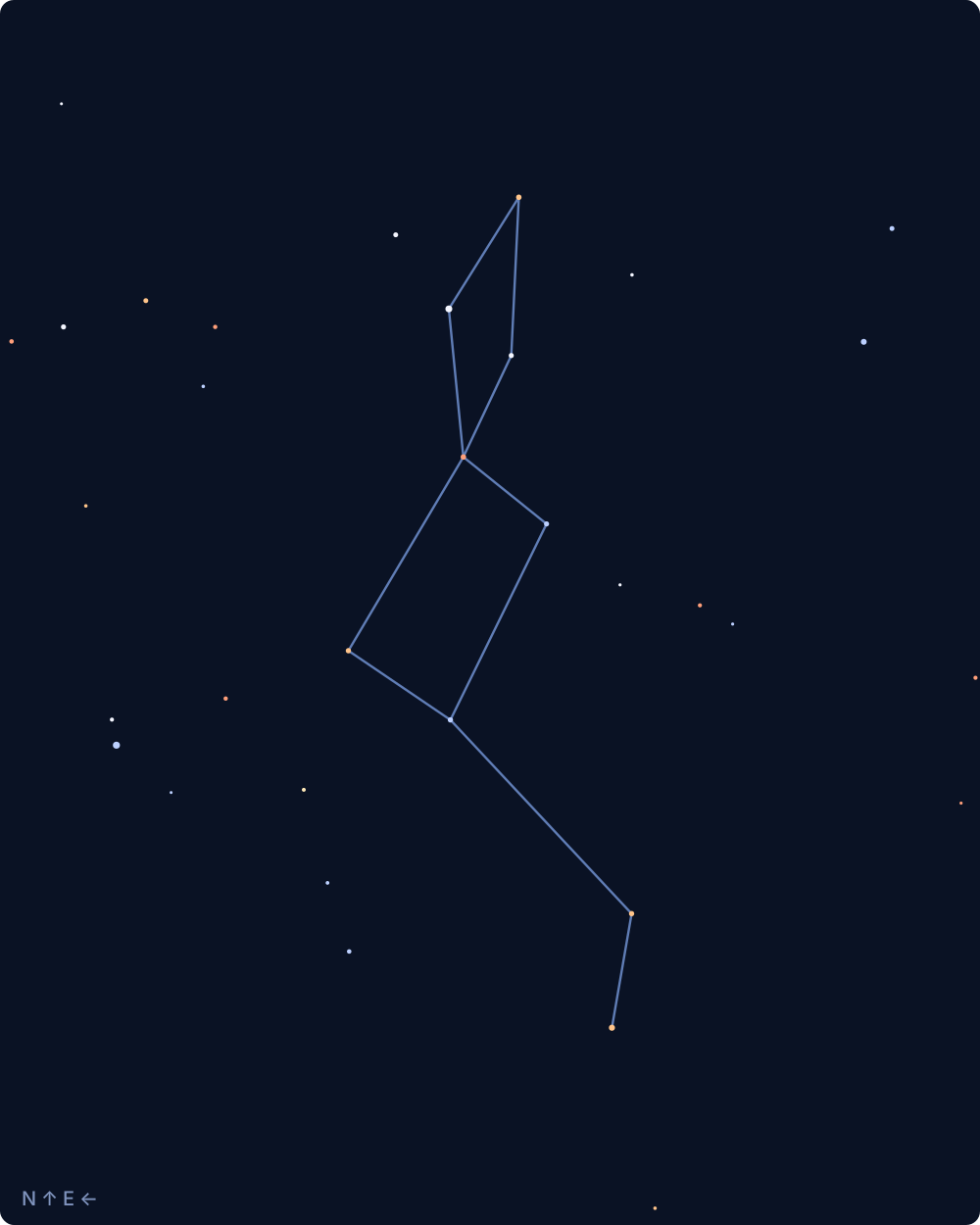 Autumn
The Lizard
A small, faint zigzag of stars between Cygnus and Andromeda, sometimes called Little Cassiopeia because it looks like a dim copy of her W.
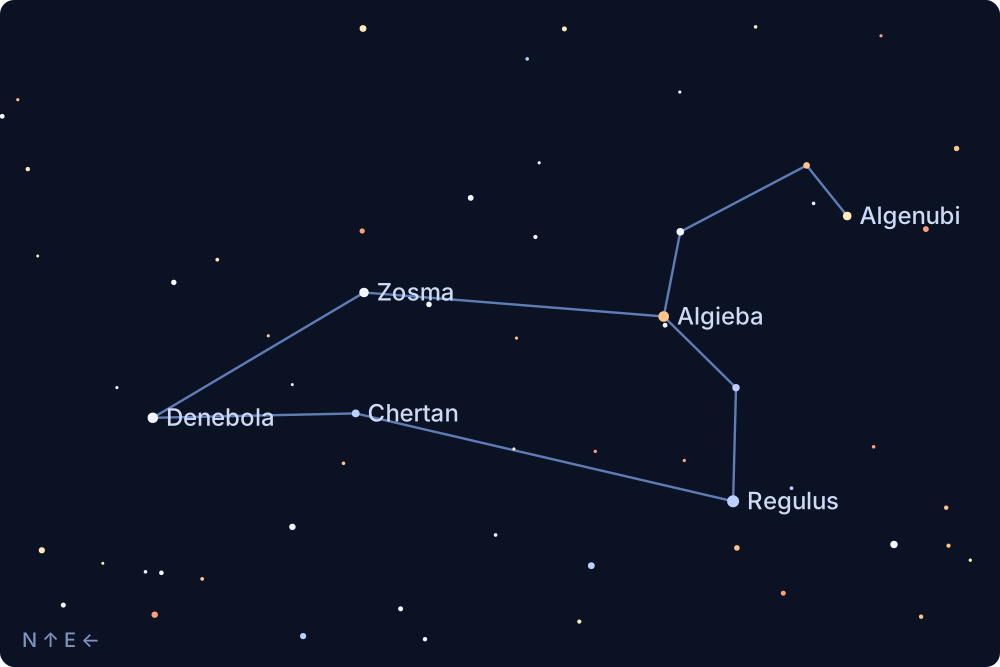 Spring
The Lion
A spring zodiac constellation with a backward question mark for a mane and a triangle for the hindquarters, led by bright blue-white Regulus.
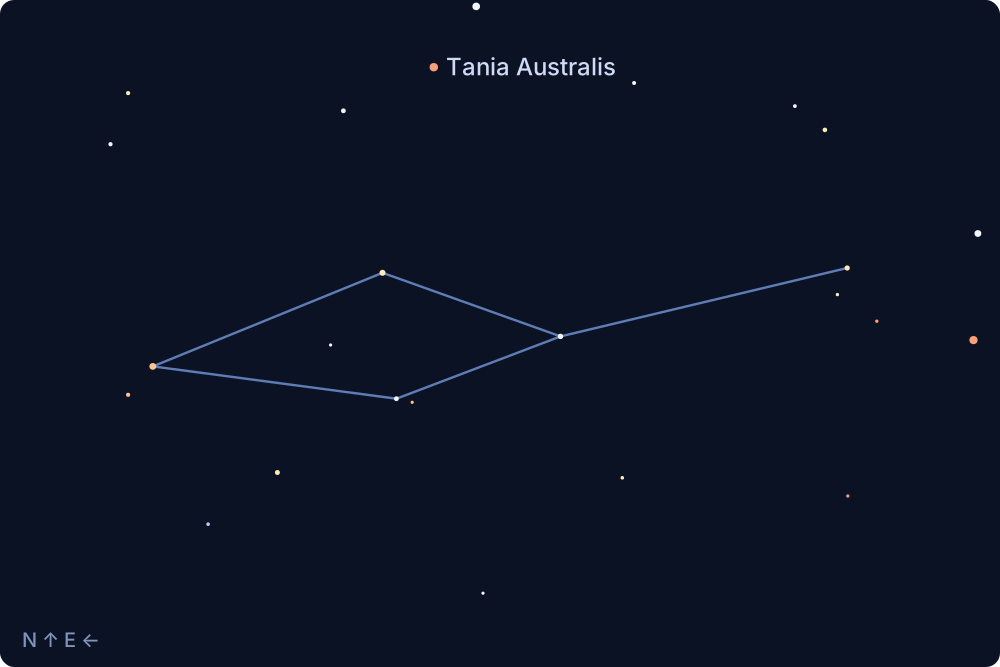 Spring
The Little Lion
A small, faint constellation of a few stars between Leo and the Big Dipper.
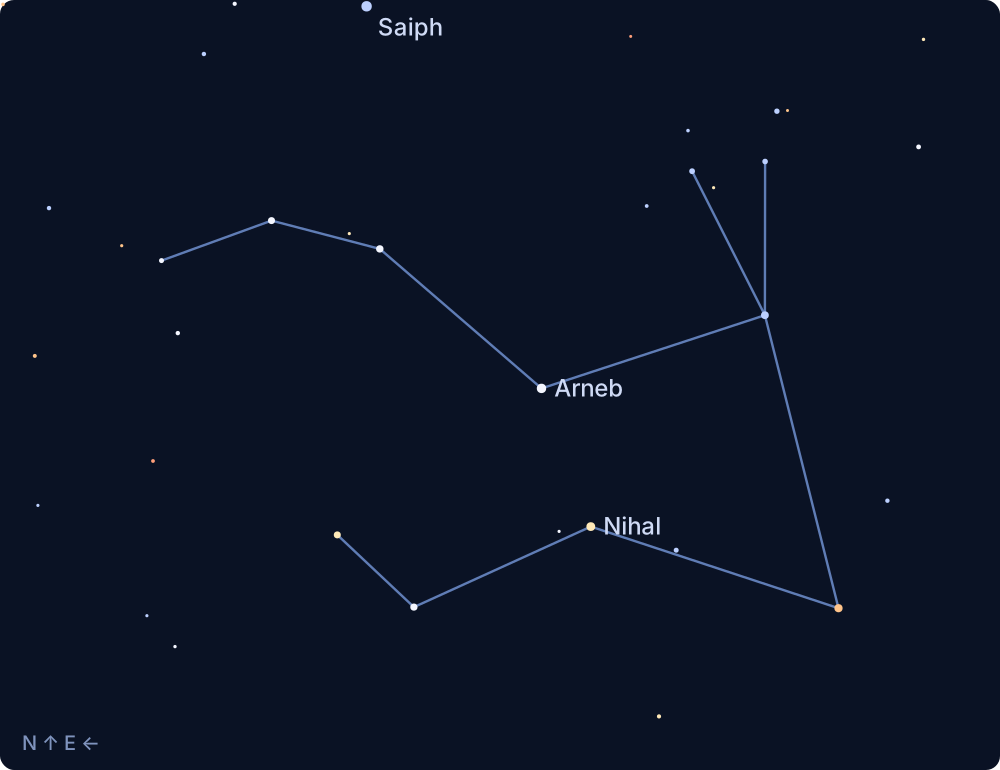 Winter
The Hare
A small winter constellation crouched below Orion's feet, easy to find because it sits right under the Hunter.
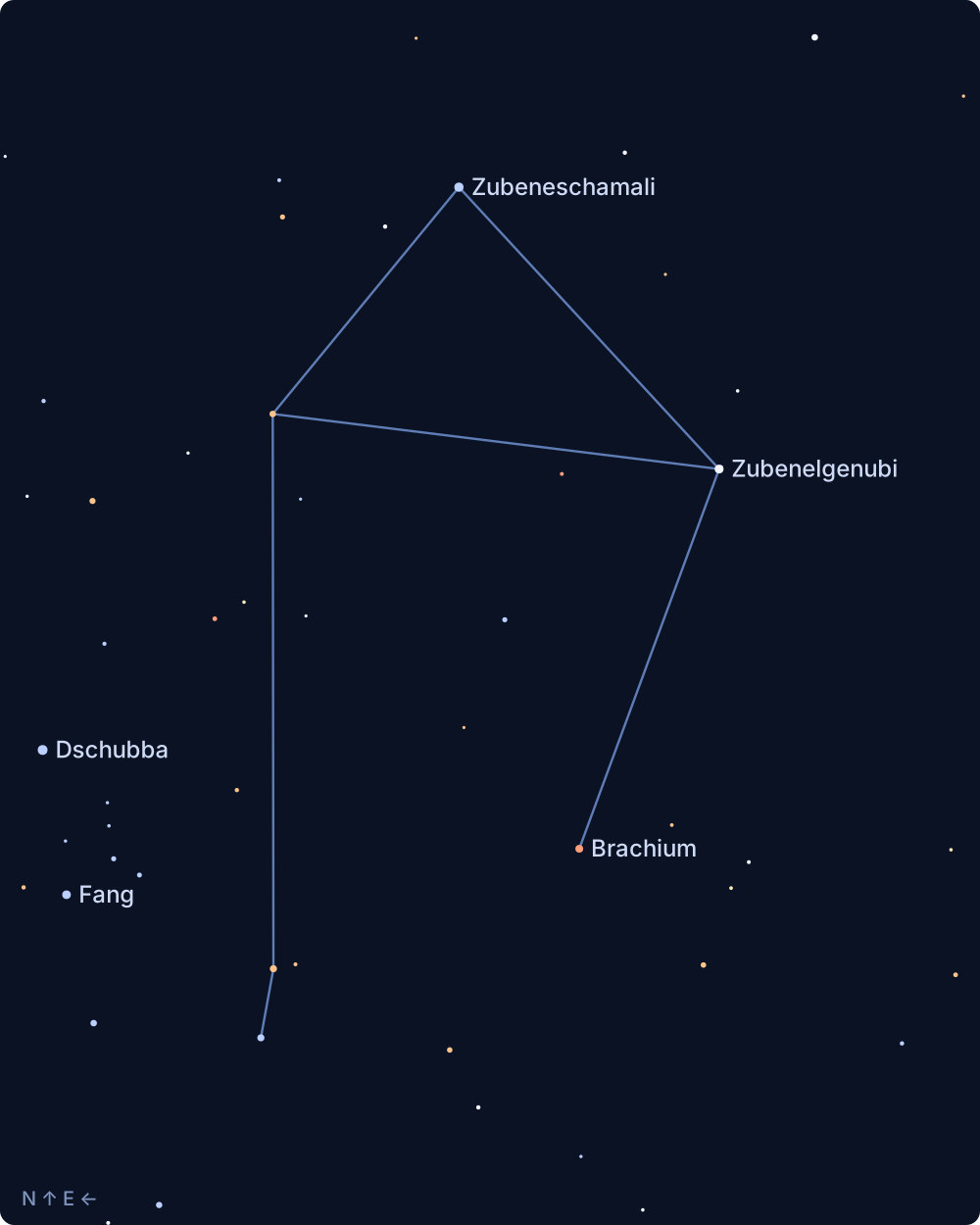 Summer
The Scales
A dim zodiac constellation shaped like a lopsided kite, the only zodiac sign that is an object rather than a creature.
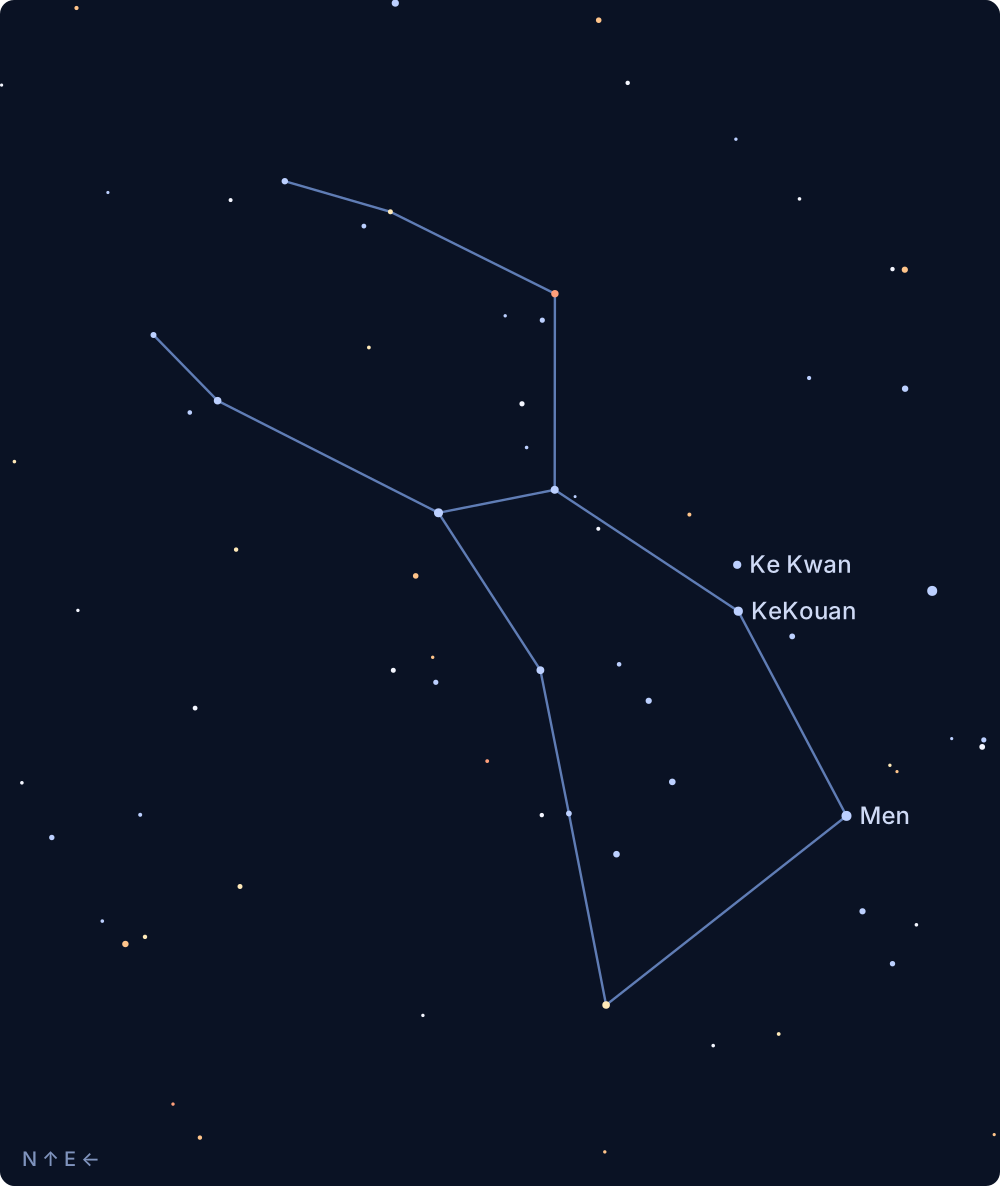 Summer
The Wolf
A southern constellation just south of Libra and Scorpius, where a supernova seen in 1006 AD shone as the brightest star-like event in recorded history. Only the northern part is visible from the United States.
 Winter
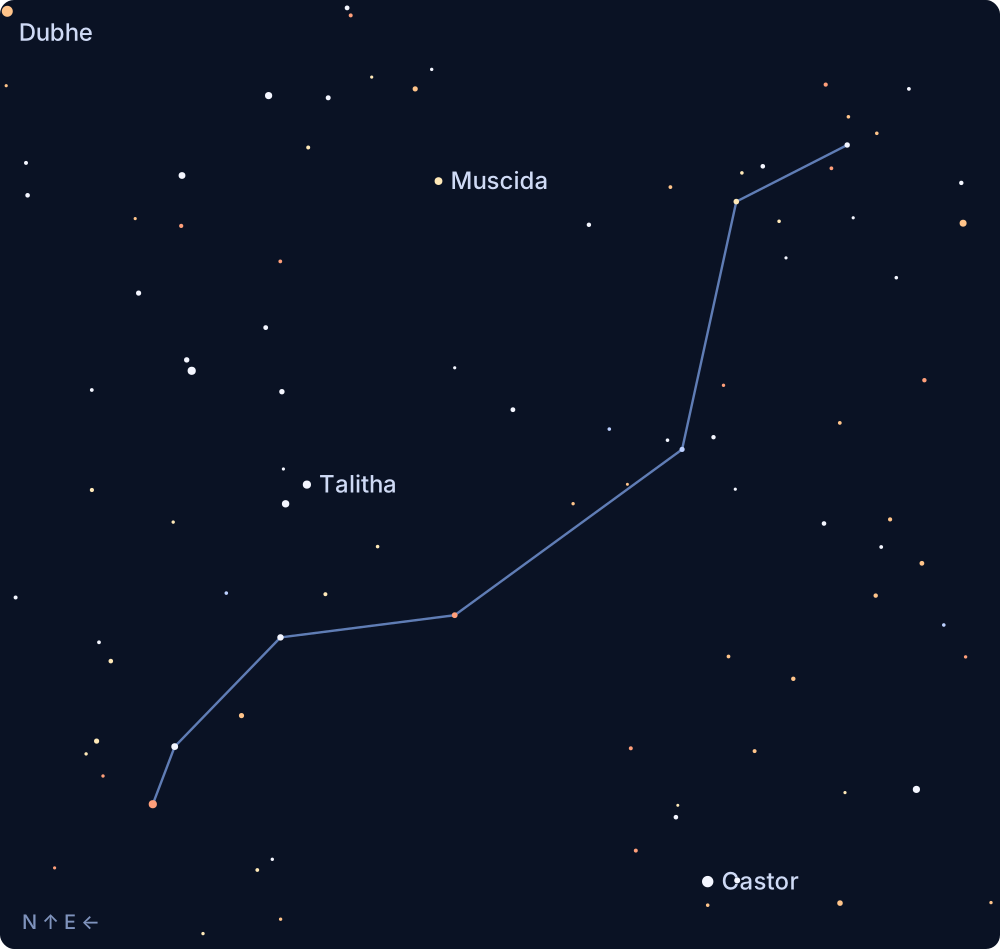
The Lynx
A faint, zigzagging constellation between Auriga, Gemini, and Ursa Major, named because you would supposedly need the eyes of a lynx to see it.
 Summer
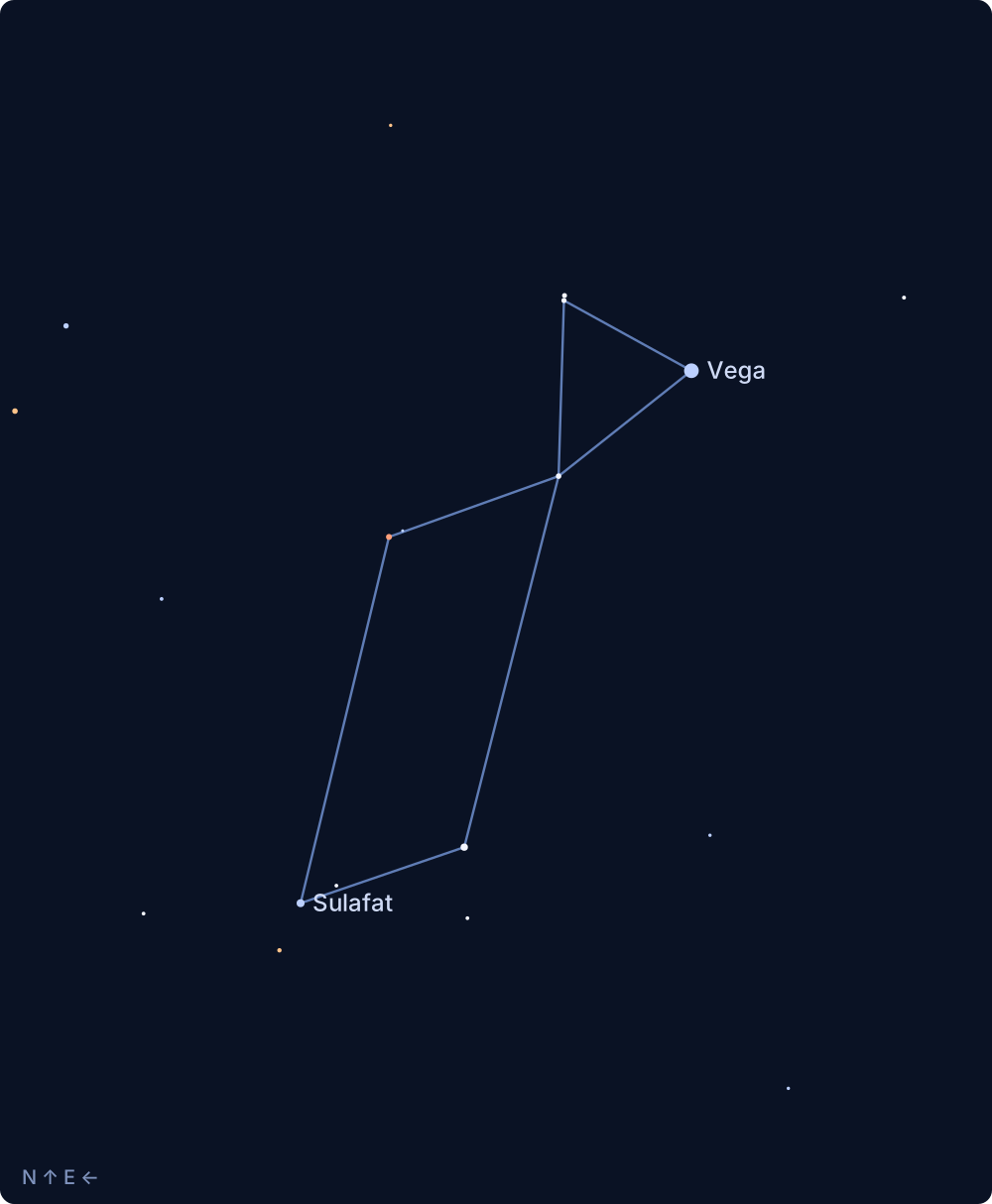
The Harp
A small summer constellation dominated by brilliant blue-white Vega, with a little parallelogram of stars hanging below it.
 Winter
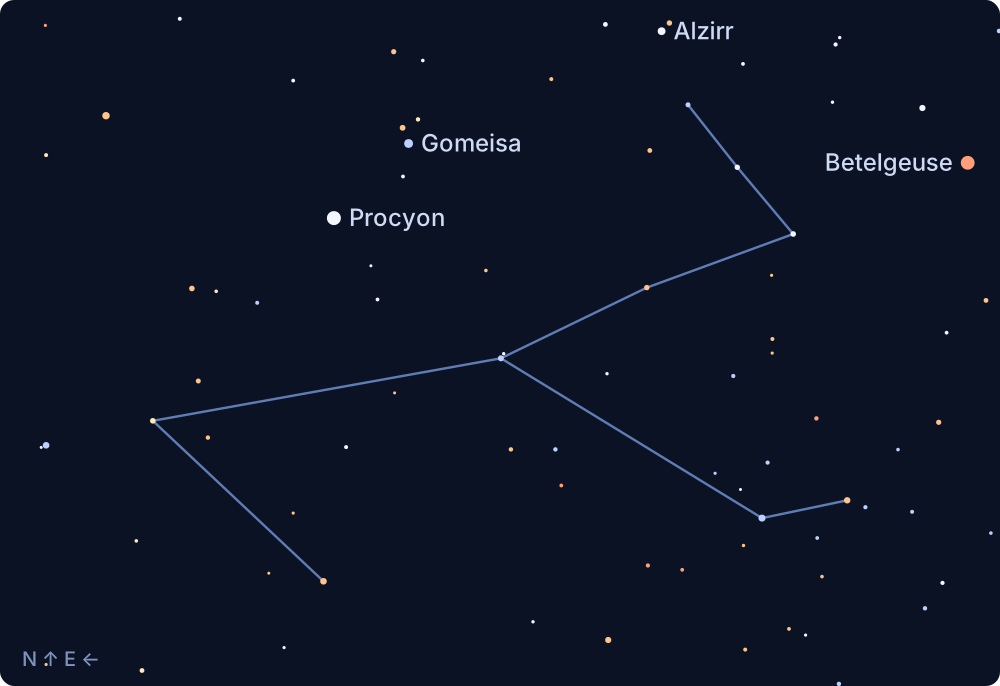
The Unicorn
A faint winter constellation that fills the middle of the Winter Triangle, rich in star clusters and nebulae along the winter Milky Way.
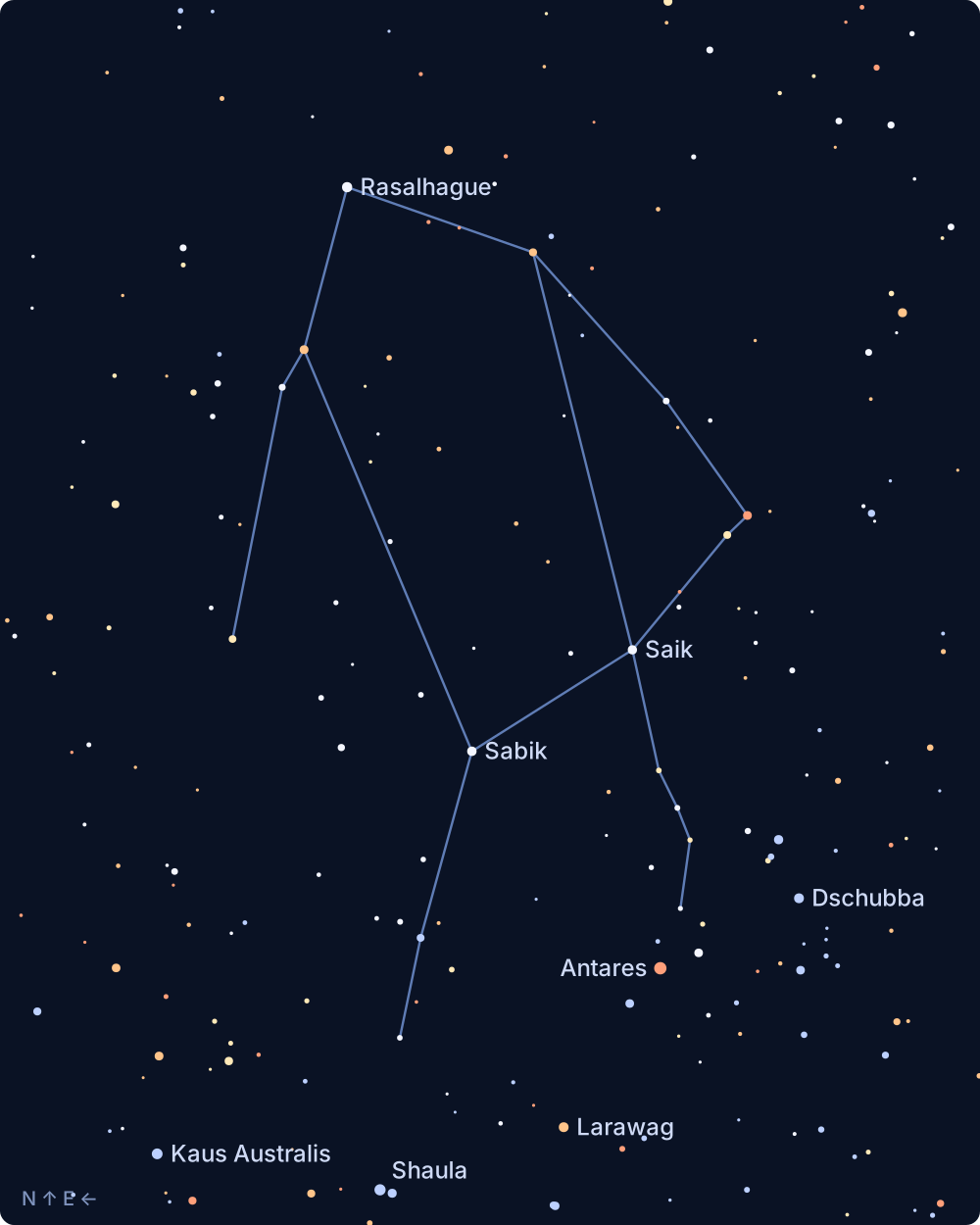 Summer
The Serpent Bearer
A large summer constellation straddling the celestial equator, with the Sun passing through it for about two weeks each December, and Barnard's Star, one of our closest neighbors.
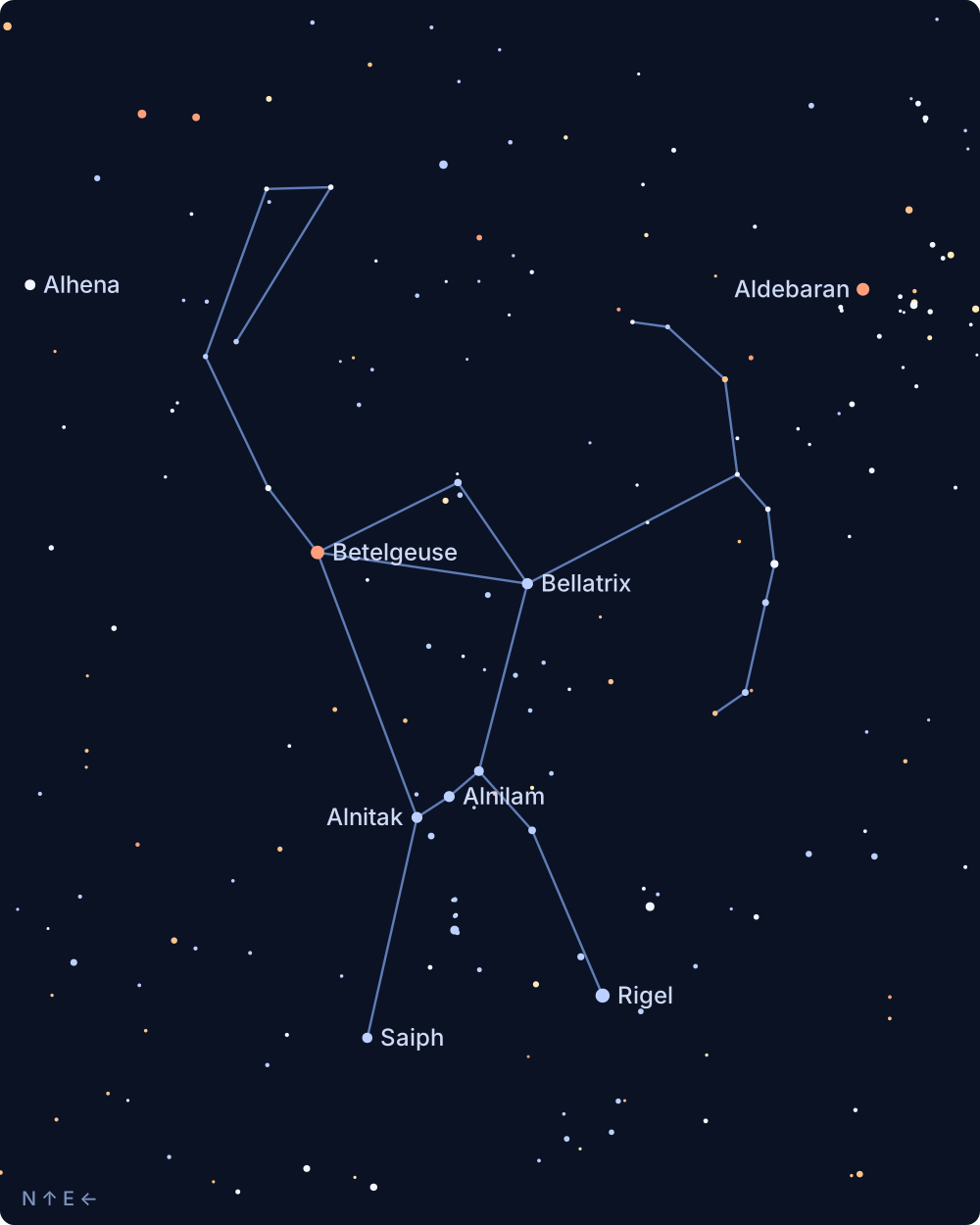 Winter
The Hunter
The brightest and easiest constellation to recognize: a hunter marked by a tight row of three belt stars, with a red giant at one shoulder and a blue-white supergiant at one foot.
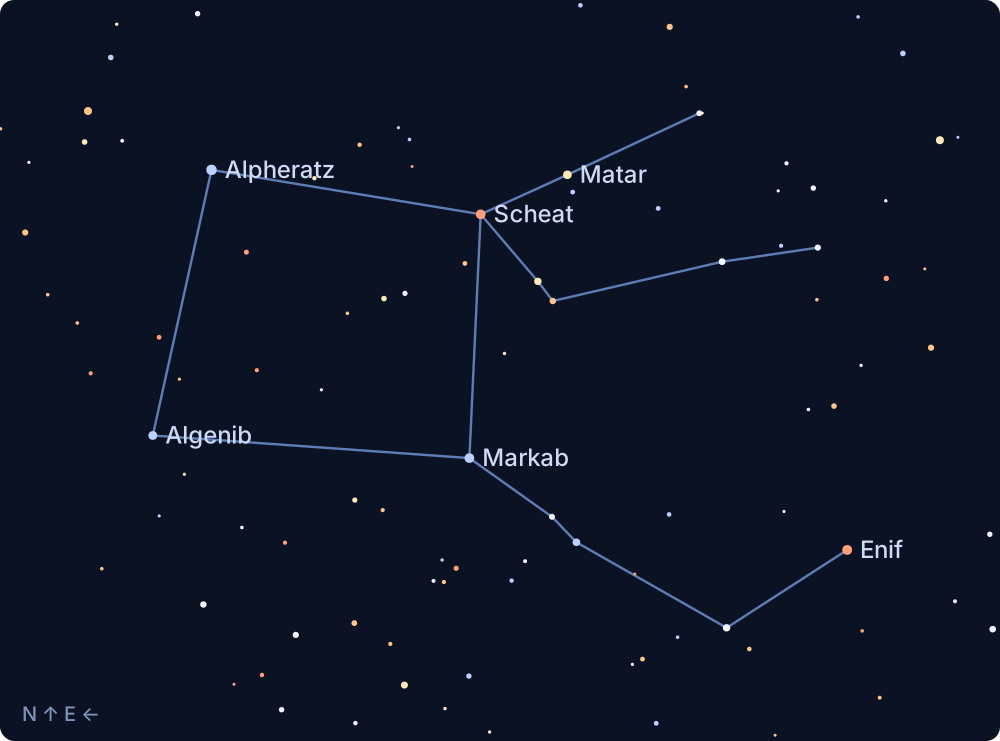 Autumn
The Winged Horse
An autumn constellation whose Great Square is one of the easiest patterns to find, with the horse's neck and head extending toward Enif.
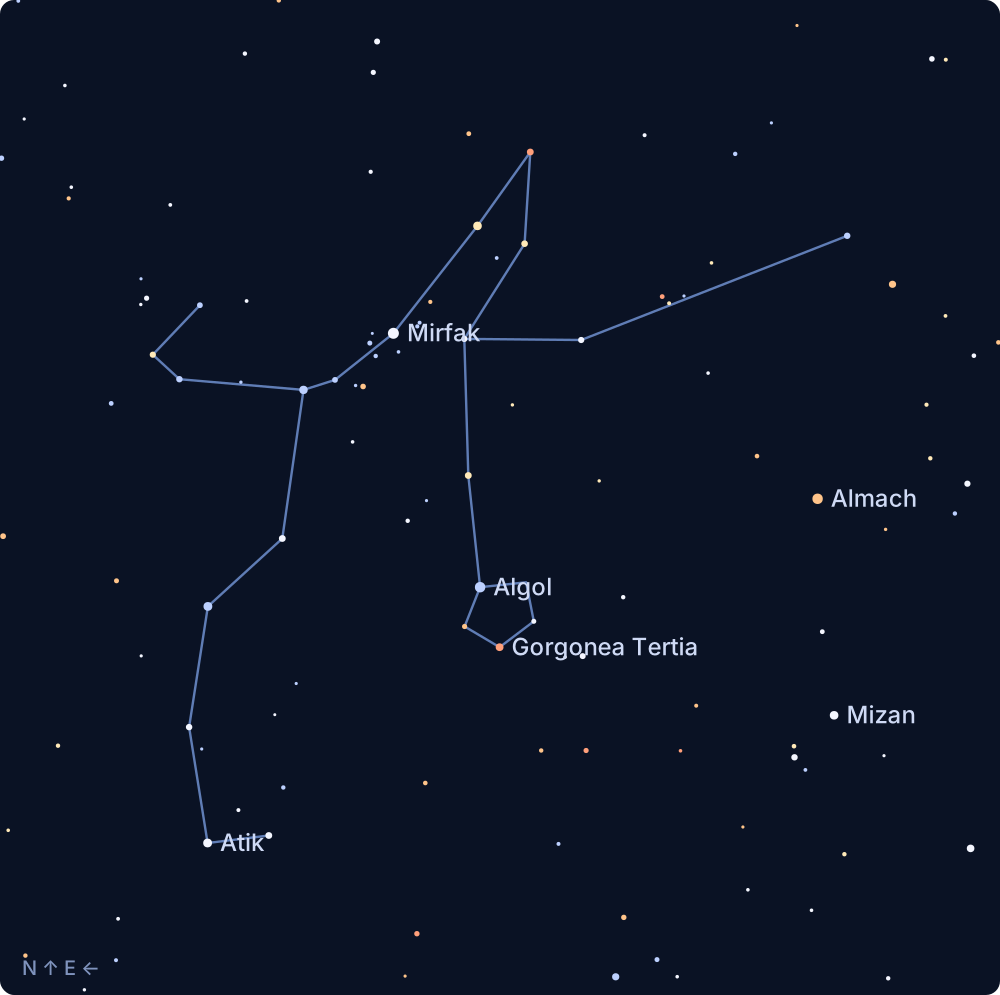 Winter
The Hero
A rich autumn-to-winter constellation in the Milky Way, with the winking variable star Algol, a brilliant Double Cluster, and the Perseid meteor shower.
 Autumn
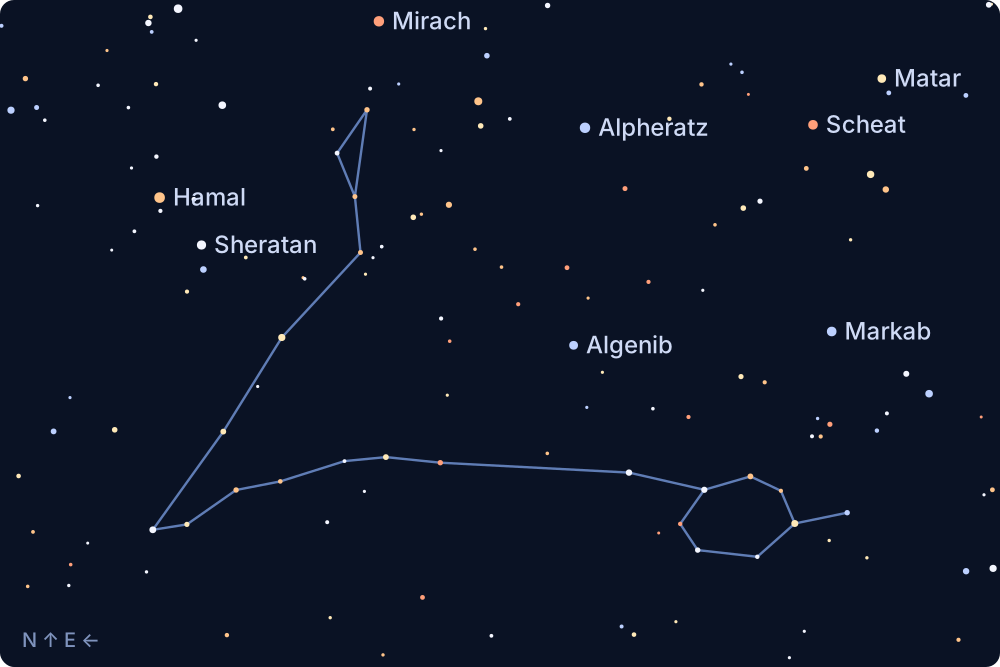
The Fishes
A faint, V-shaped autumn zodiac constellation with two fish tied by a cord, just south of the Great Square of Pegasus.
 Autumn
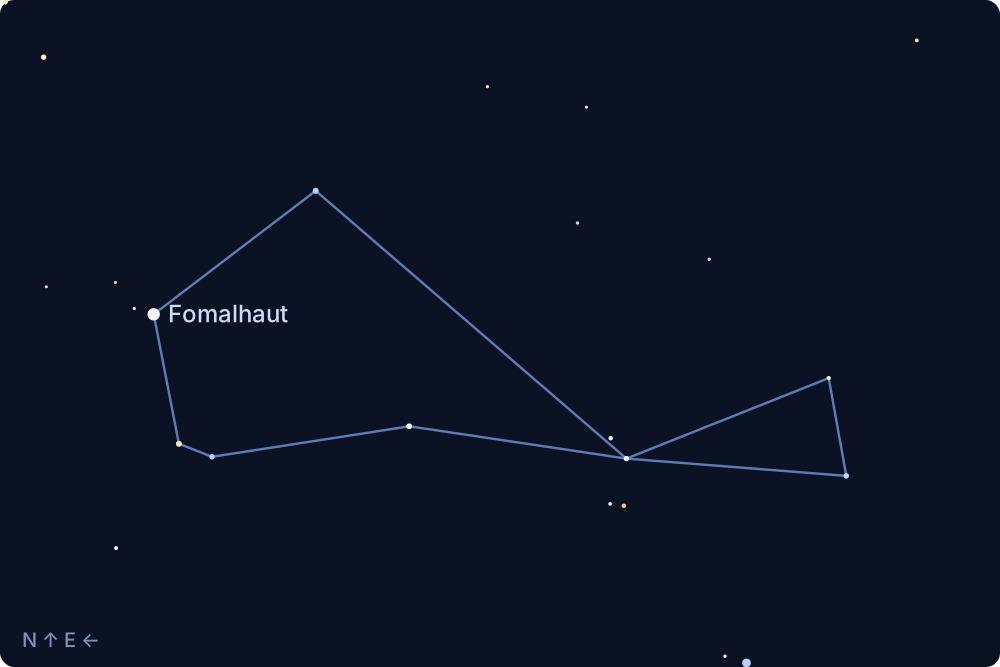
The Southern Fish
A small constellation low in the south on autumn evenings, led by Fomalhaut, a bright star standing alone in a sparse part of the sky.
 Winter
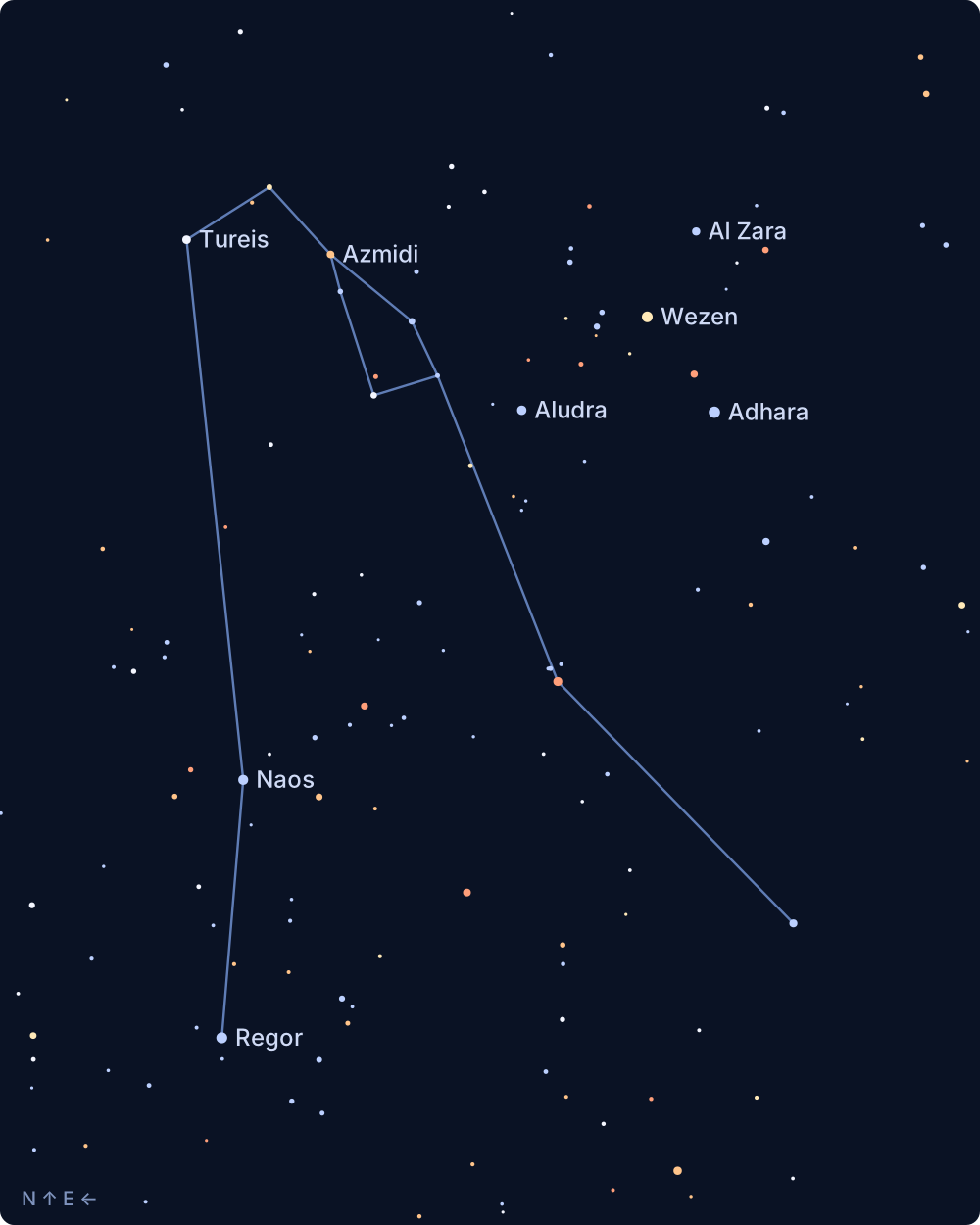
The Stern
A winter constellation in the Milky Way southeast of Canis Major, rich in star clusters, including M46 and M47, which binoculars show as hazy patches.
 Summer
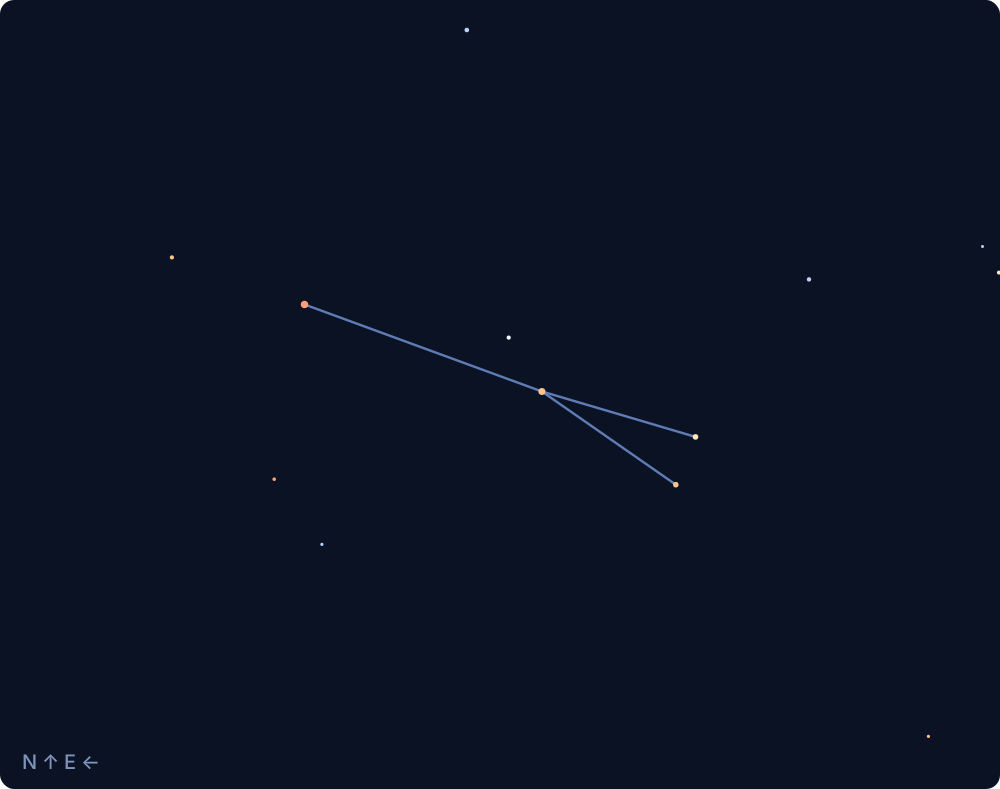
The Arrow
A tiny but unmistakable arrow of stars in the Milky Way, one of the smallest constellations in the sky.
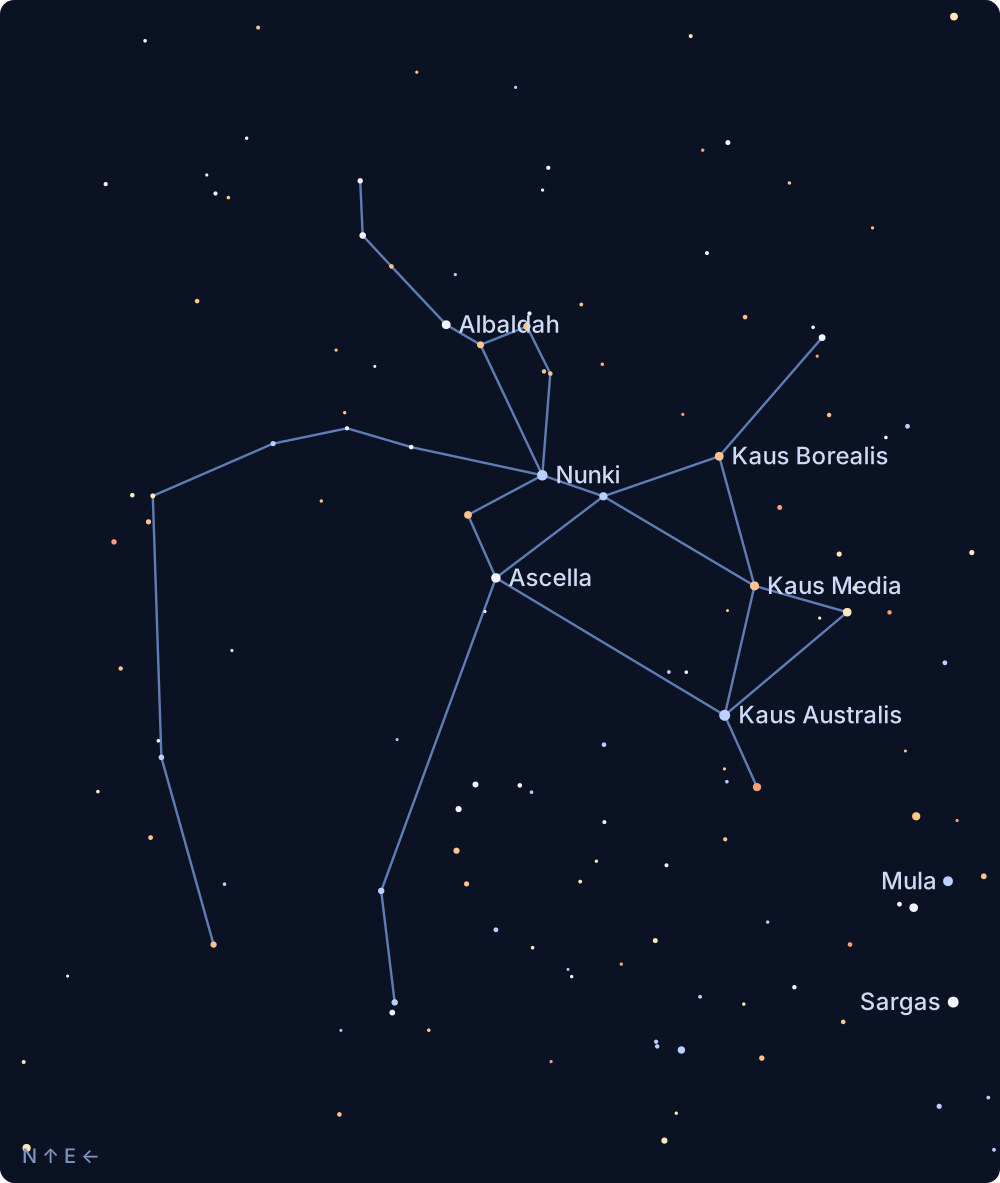 Summer
The Archer
A summer zodiac constellation shaped like a teapot, sitting in the direction of the center of the Milky Way and surrounded by star clouds, nebulae, and clusters.
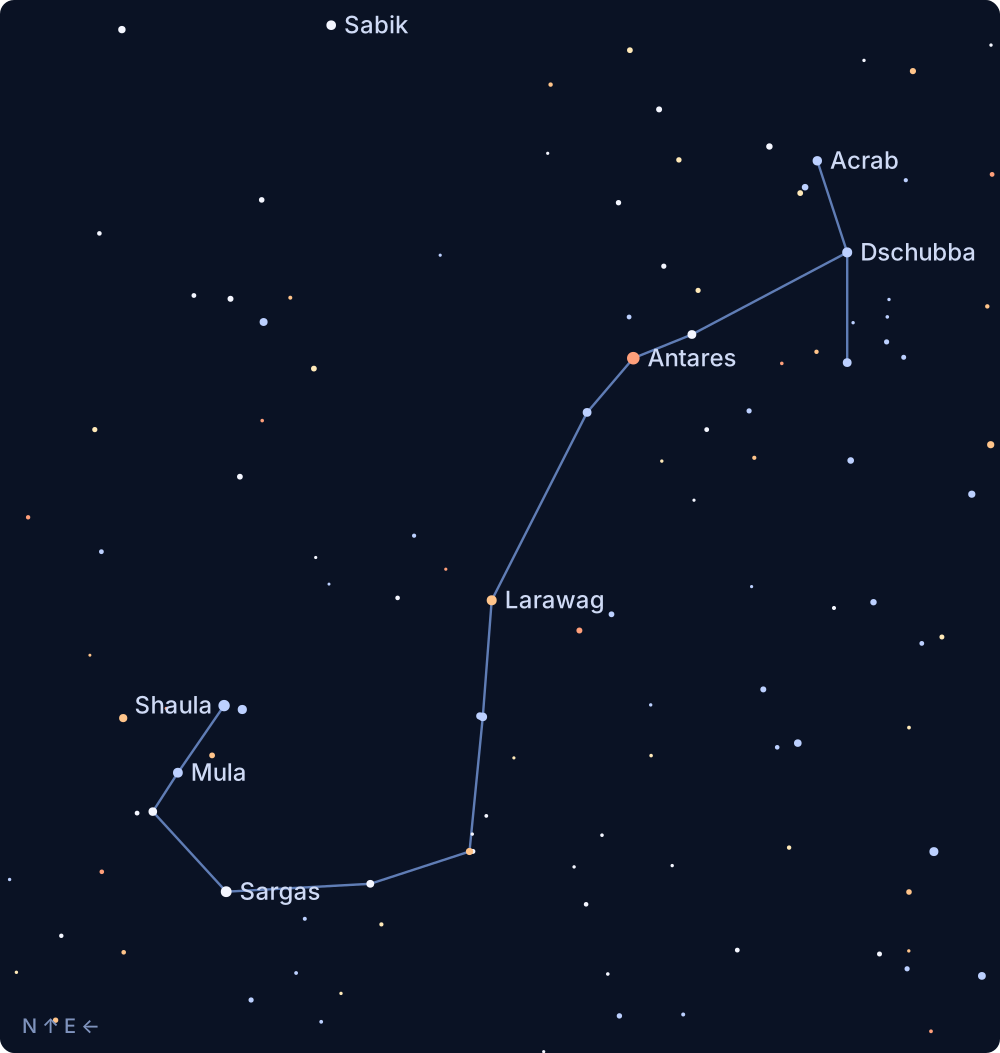 Summer
The Scorpion
One of the few constellations that actually looks like what it is named for: a curving scorpion with a bright red heart and a long, hooked tail low in the southern summer sky.
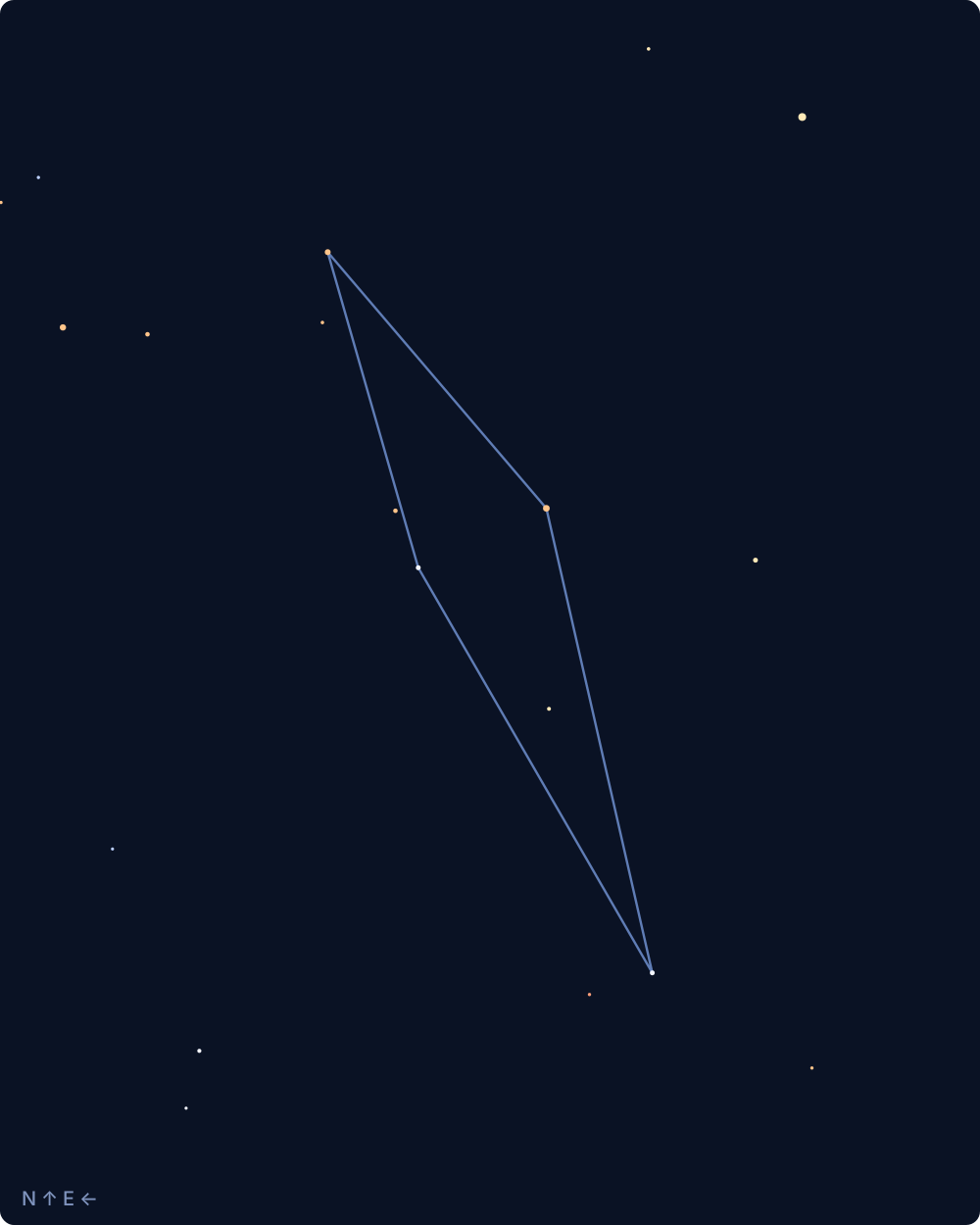 Summer
The Shield
A small, faint summer constellation lying in a bright stretch of the Milky Way, home to the Wild Duck Cluster.
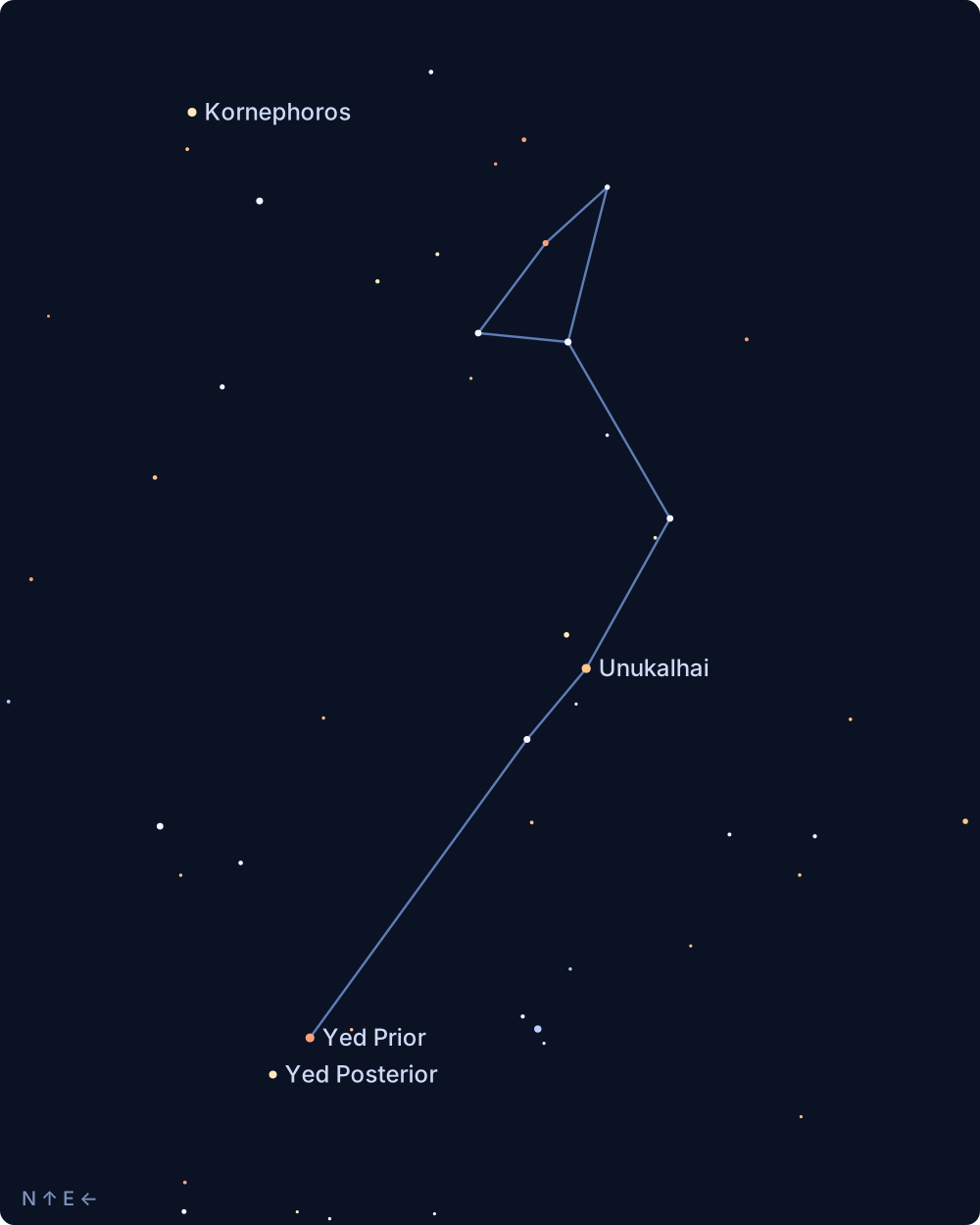 Summer
The Serpent
The only constellation split into two separate pieces, the Head and the Tail of a snake held by Ophiuchus, with bright globular cluster M5 and the Eagle Nebula.
 Spring
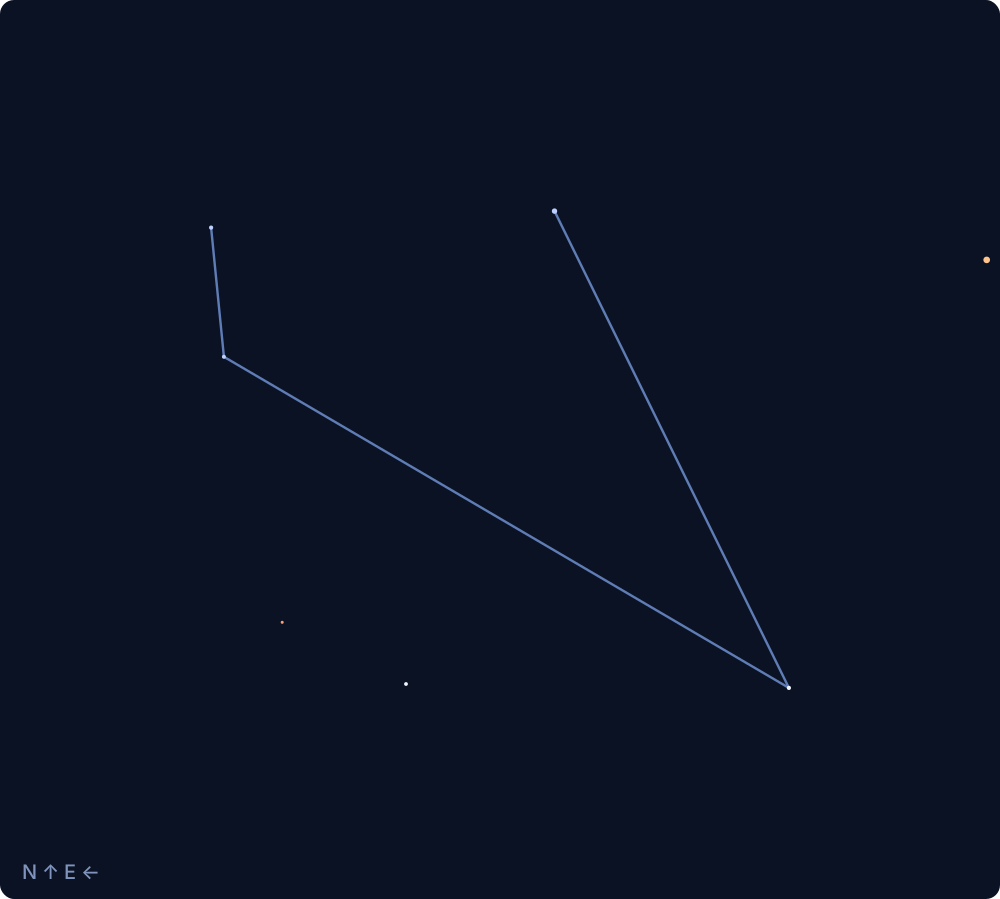
The Sextant
A very faint spring constellation south of Leo, named for a navigation instrument.
 Winter
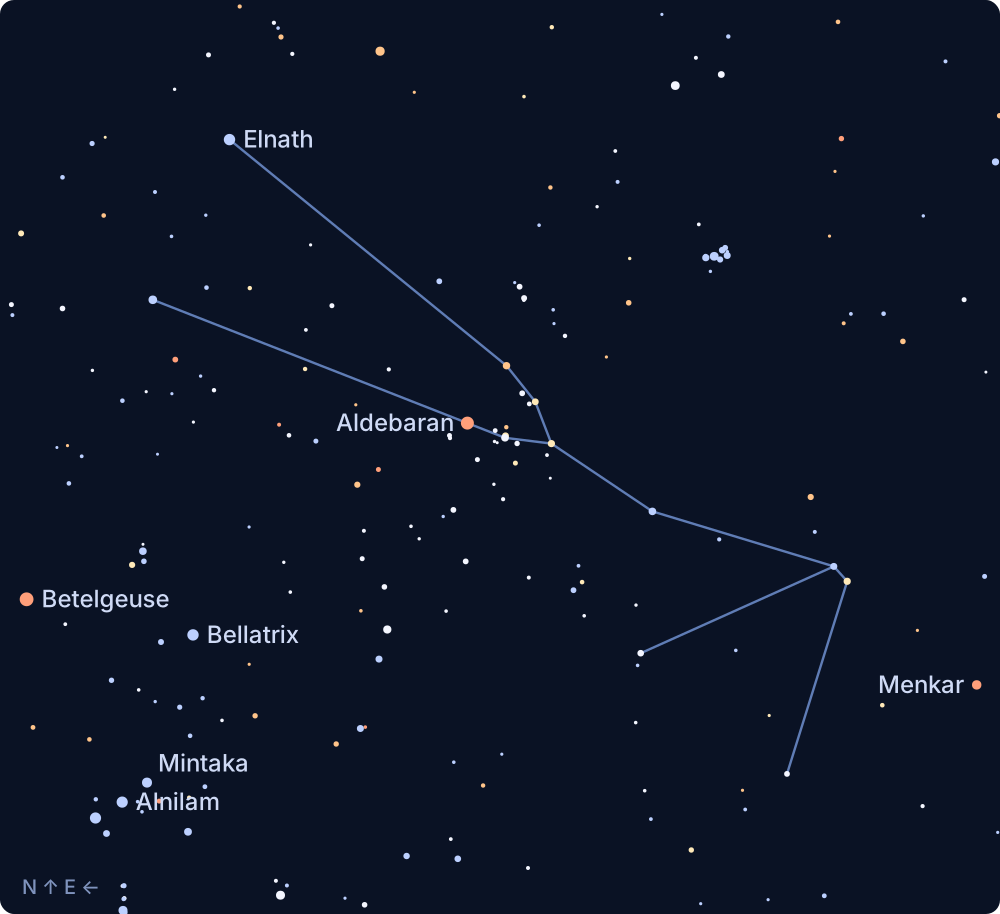
The Bull
A winter zodiac constellation anchored by orange Aldebaran, the V-shaped Hyades face, and the Pleiades star cluster, all easy to find from Orion.
 Autumn
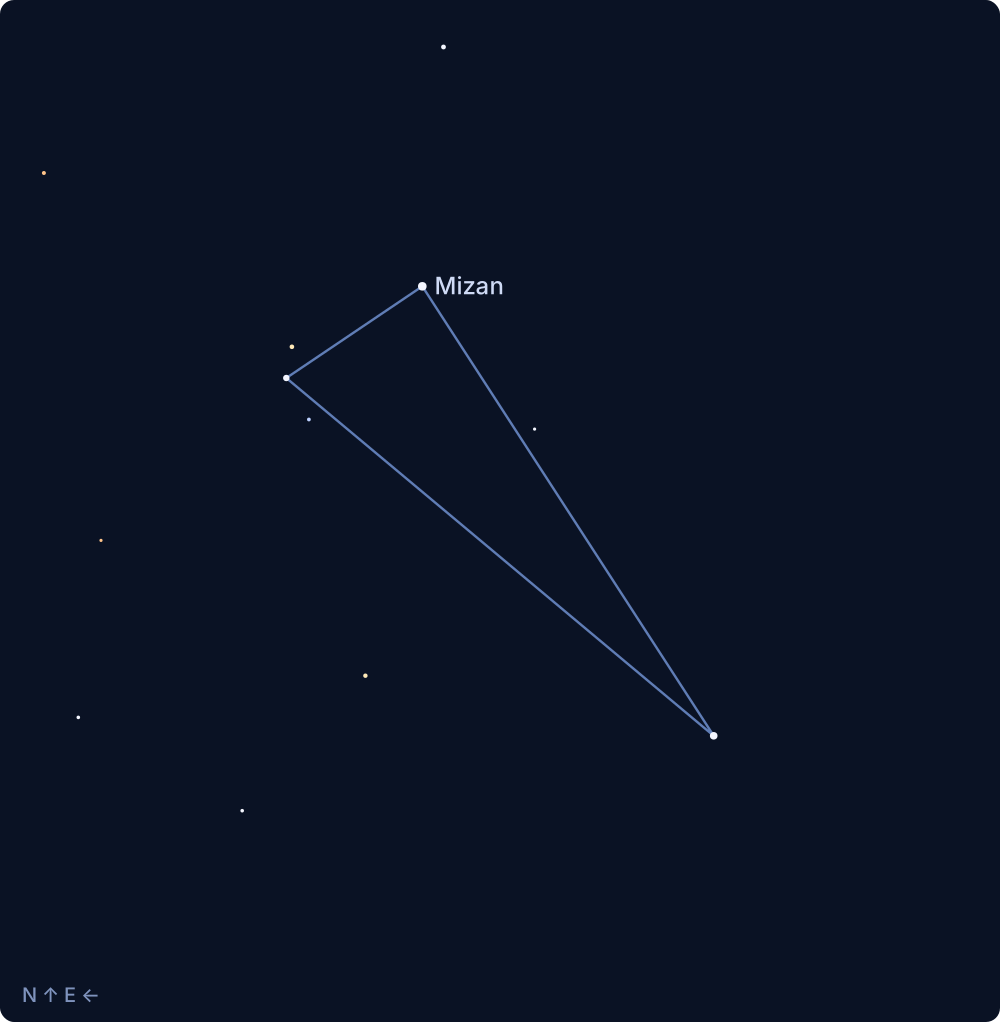
The Triangle
A small, narrow triangle of stars near Andromeda that holds the Triangulum Galaxy, a large spiral galaxy visible in dark skies.
 Spring · year-round
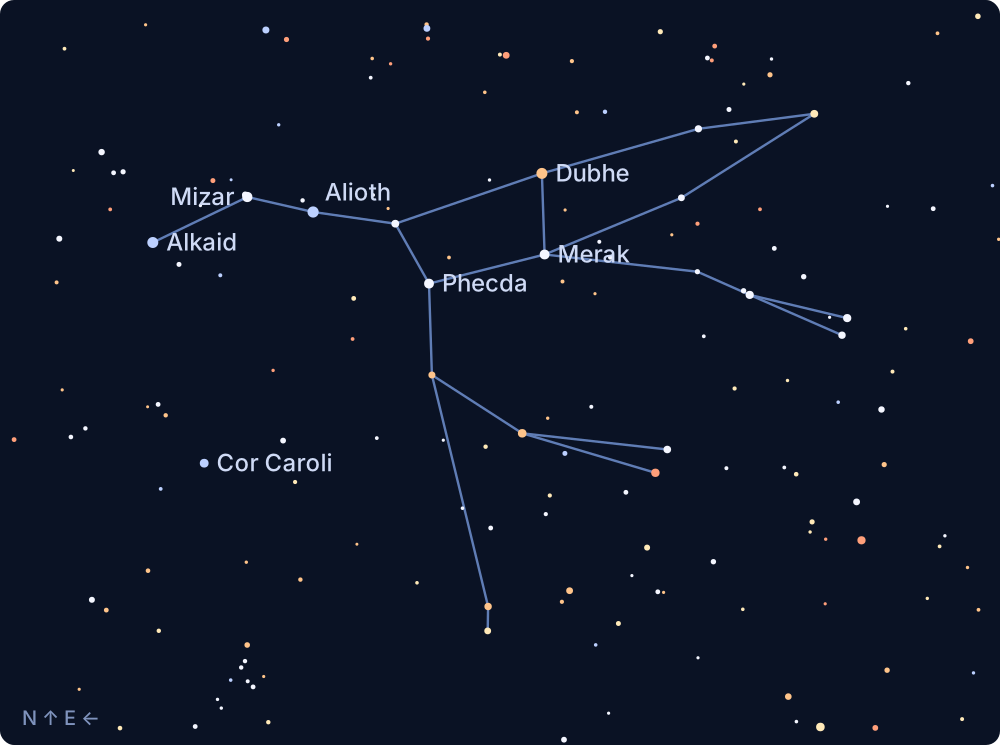
The Great Bear
Home of the Big Dipper, the most famous pattern in the northern sky and the easiest pointer to the North Star.
 Summer · year-round
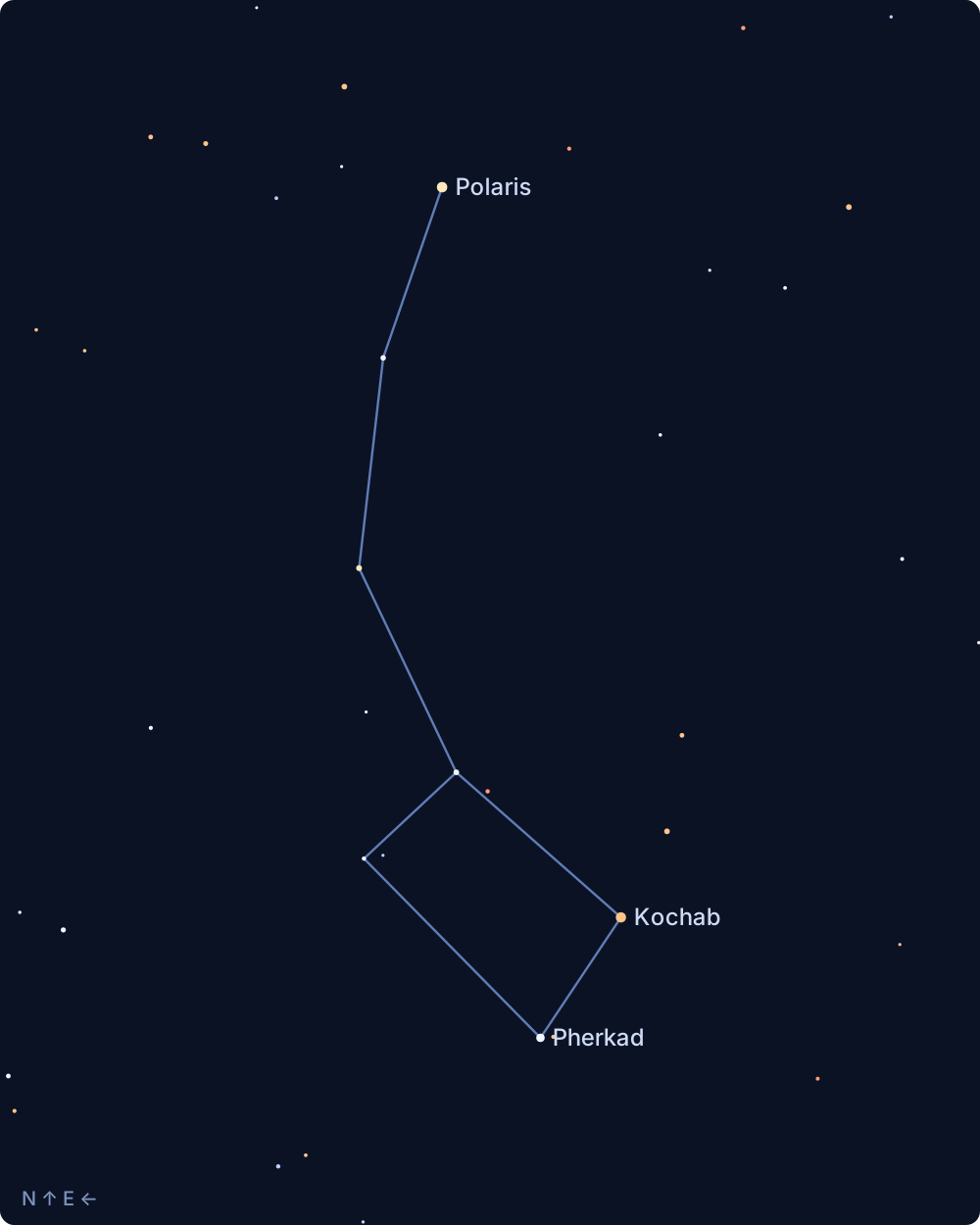
The Little Bear
The Little Dipper, a faint dipper-shaped constellation whose handle ends in Polaris, the North Star.
 Spring
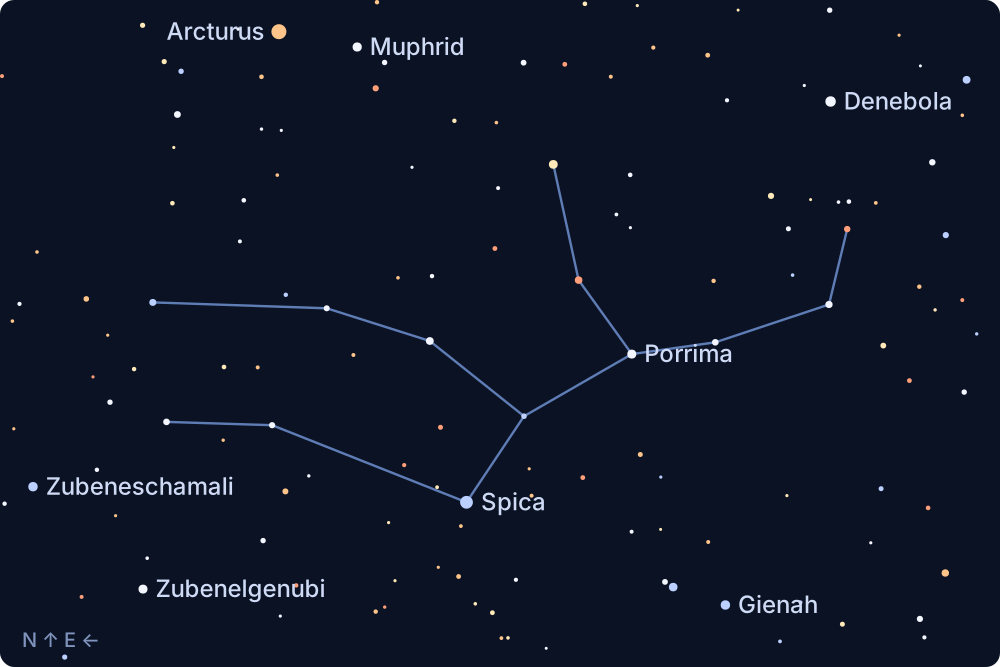
The Maiden
A big, loosely drawn spring zodiac constellation with brilliant blue-white Spica and a vast cluster of galaxies beyond the reach of small telescopes.
 Summer
The Fox
A faint summer constellation in the Milky Way that is best known for the Dumbbell Nebula and the Coathanger star group.
Star positions: Hipparcos and Bright Star catalogues via d3-celestial (BSD-3-Clause, © 2015 Olaf Frohn).