
Field Guide / Trees & Plants
Illustrated profiles of common North American trees, plus a few plants to avoid. Search by name or use, or filter by type, leaf shape, and region.
This guide is for identifying trees and avoiding harmful plants. It does not cover edible wild plants, and you should never eat a wild plant or berry based on a website. Learn foraging from an expert in person.
30 species
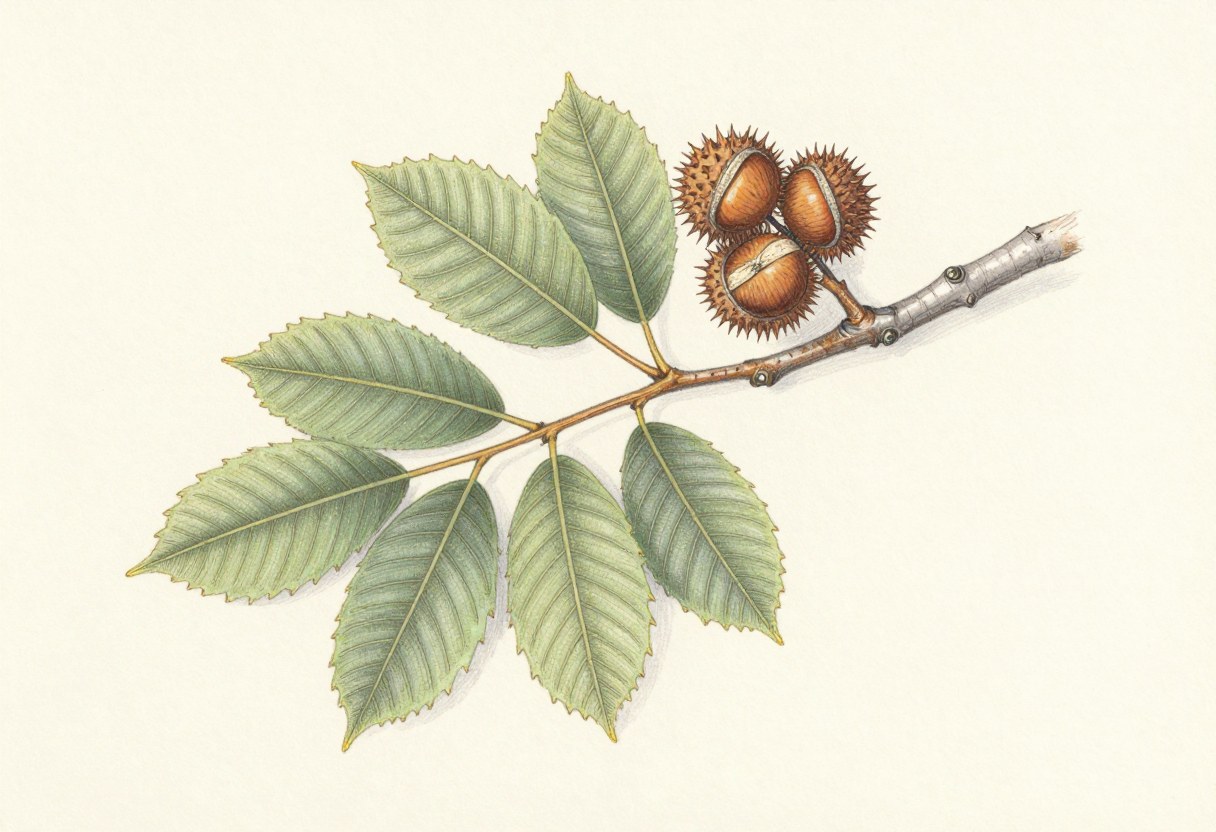 Hardwoods
Fagus grandifolia
A smooth-barked forest tree with golden, papery leaves that cling through winter, and nuts that attract bears, turkeys, and deer.
Leaves: Unlobed leaves
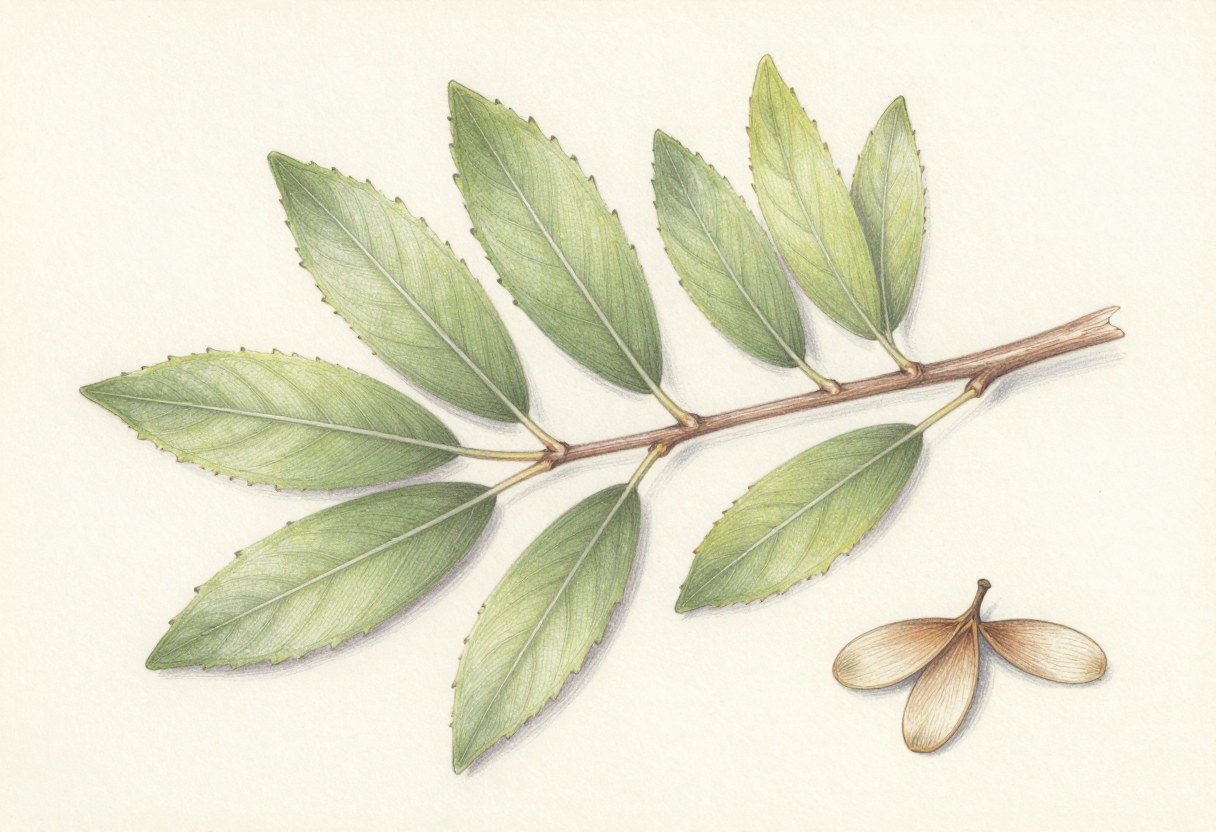 Hardwoods
Ulmus americana
A graceful, vase-shaped tree once planted along streets everywhere, now much reduced by Dutch elm disease.
Leaves: Unlobed leaves
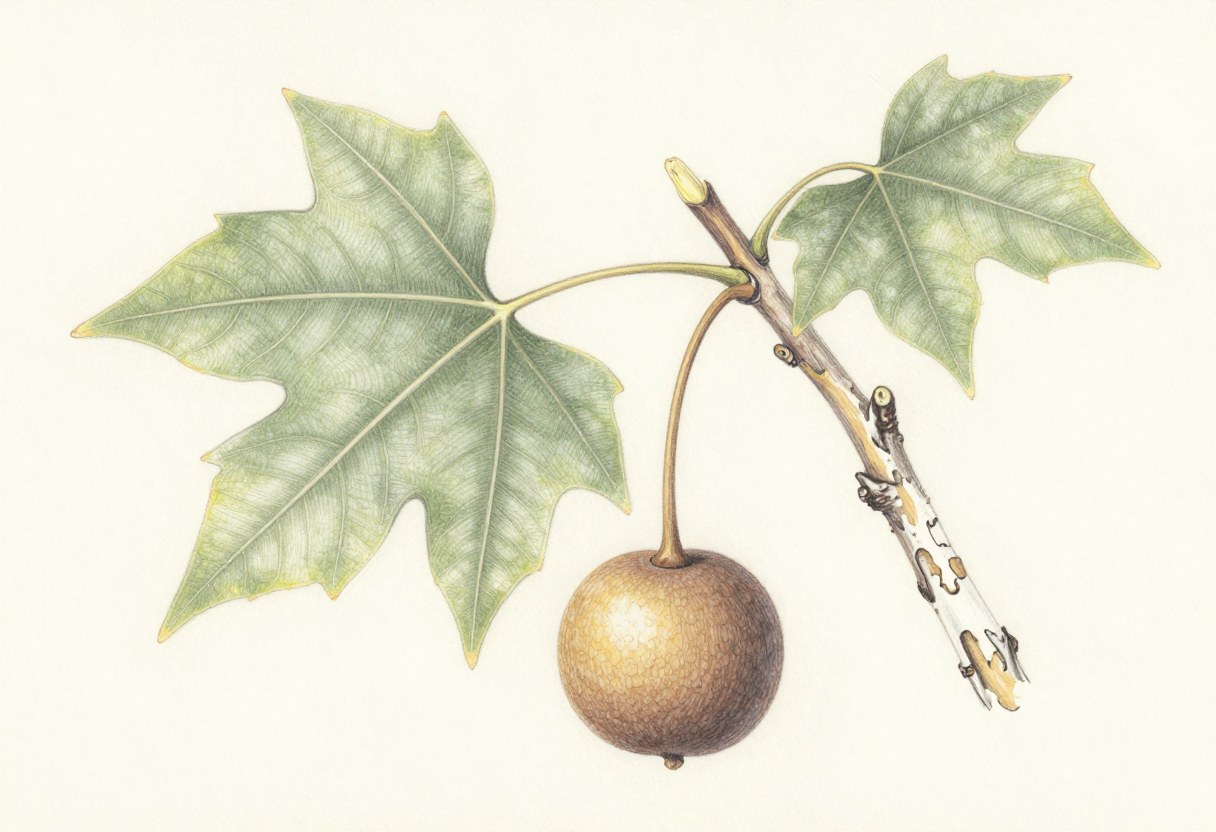 Hardwoods
Platanus occidentalis
A huge streamside tree with patchy, peeling white and tan bark, which makes it easy to spot along rivers.
Leaves: Lobed leaves
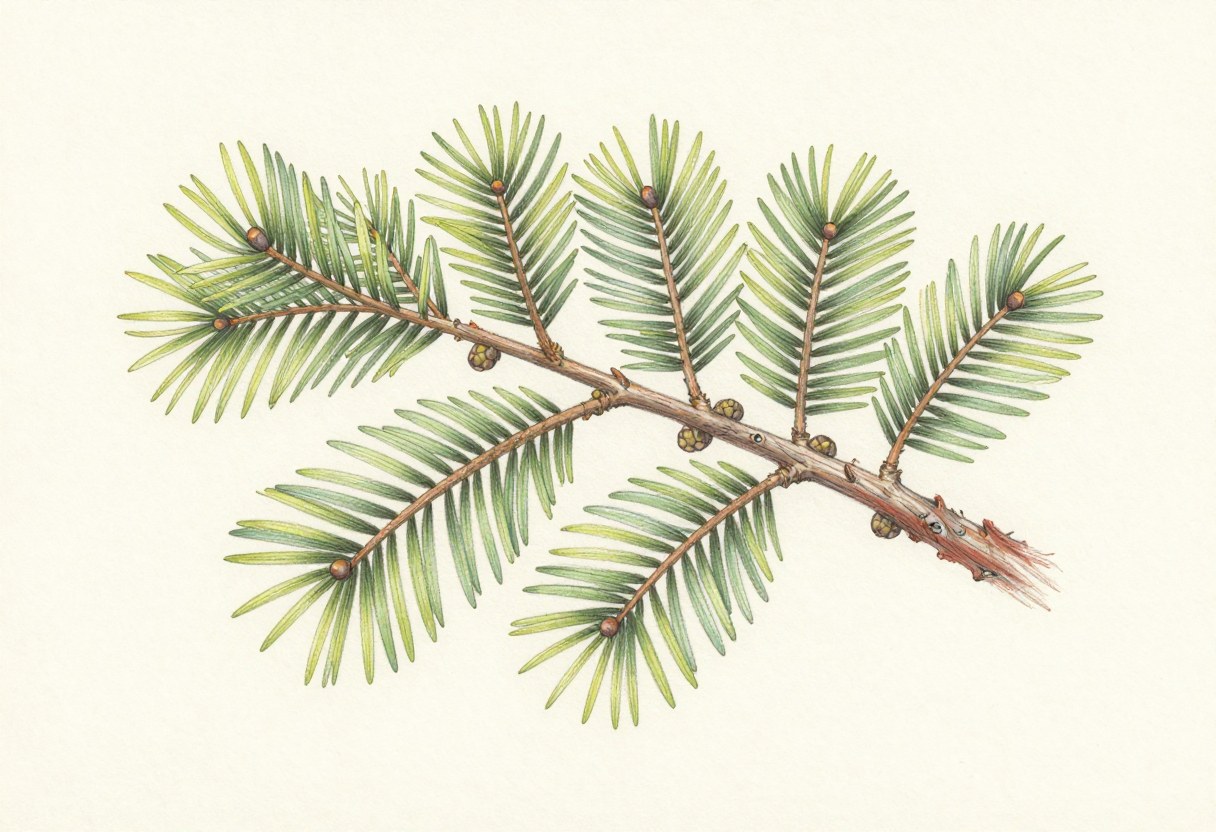 Conifers
Taxodium distichum
A swamp conifer with feathery needles that turn rusty orange and drop in fall, and knobby roots called knees.
Leaves: Needles
 Conifers
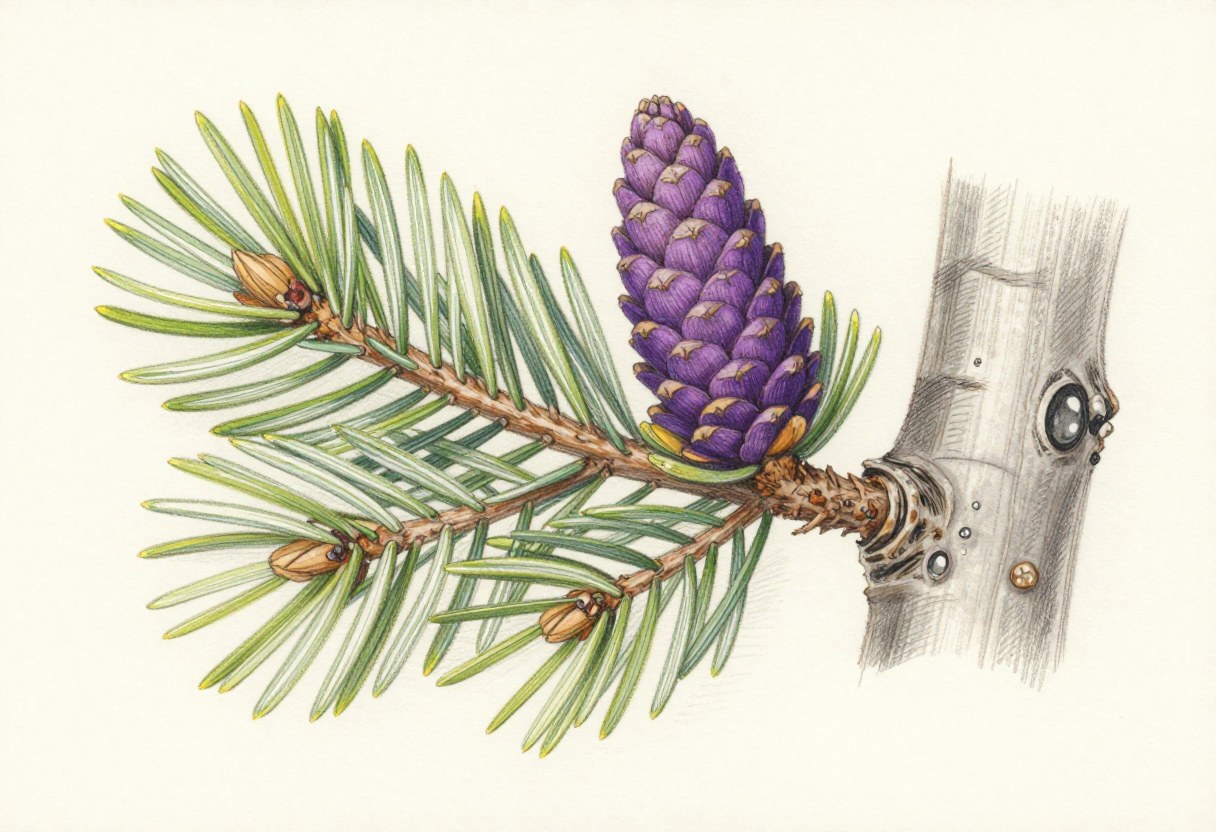
Abies balsamea
A northern conifer with flat, blunt needles and a strong, sweet scent, the classic Christmas-tree fir.
Leaves: Needles
 Hardwoods
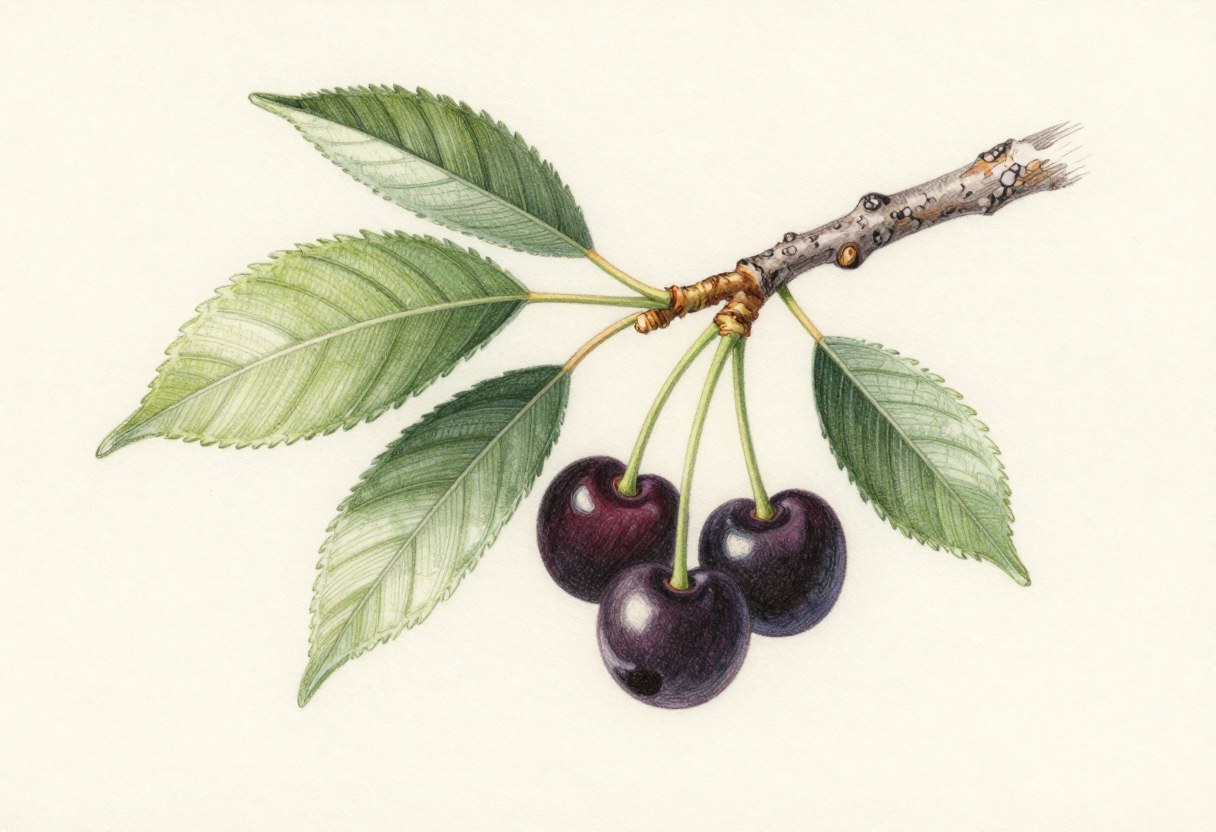
Prunus serotina
A common woodland tree with glossy, finely toothed leaves, dark scaly bark, and dark fruit that birds and bears eat.
Leaves: Unlobed leaves
 Hardwoods
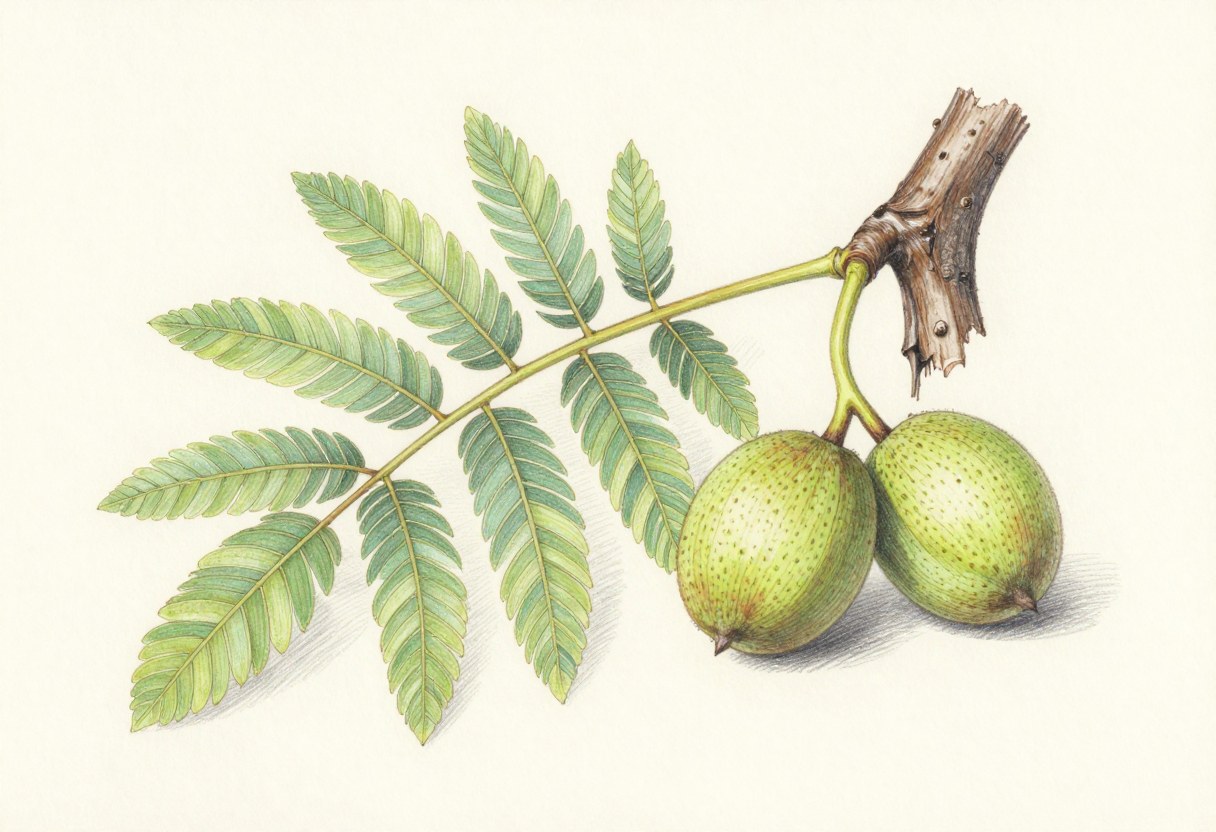
Juglans nigra
A tall hardwood with long compound leaves and round green nuts, prized for timber and nuts.
Leaves: Compound leaves
 Conifers
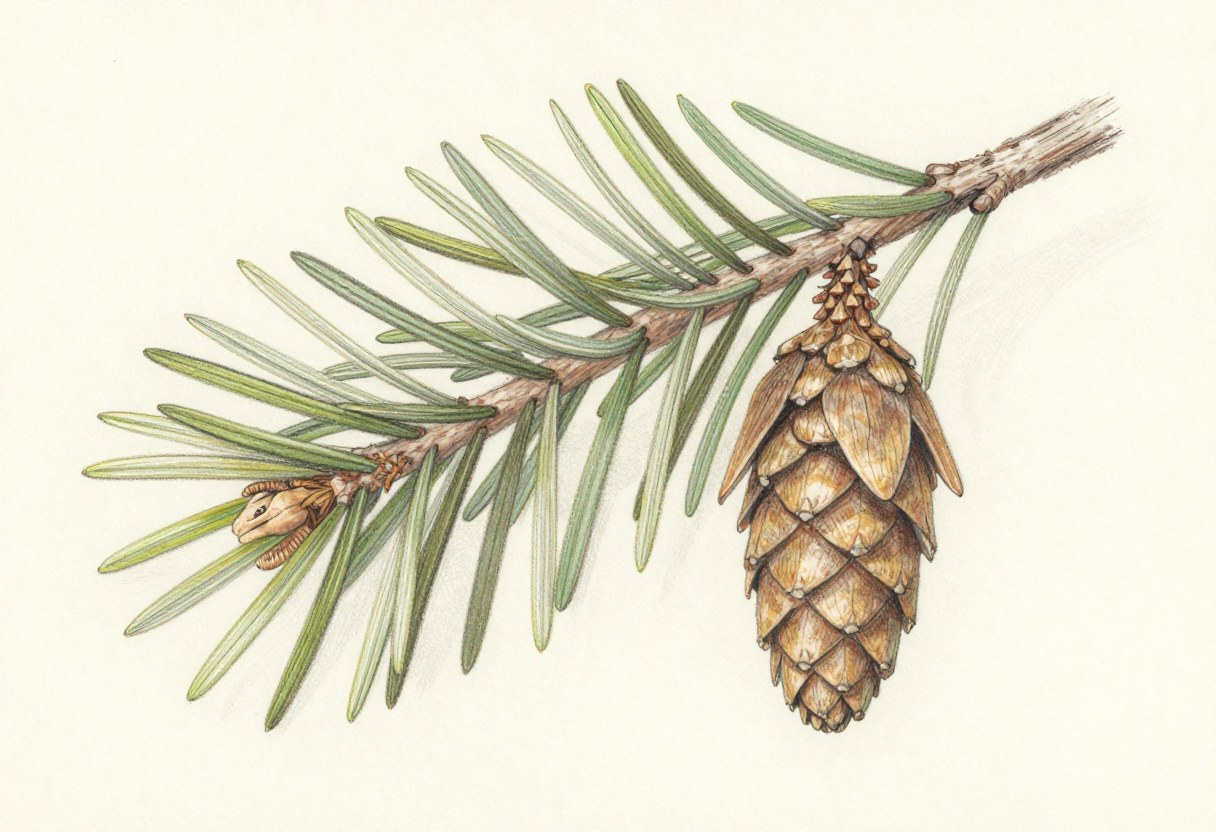
Pseudotsuga menziesii
A giant Western conifer whose cones have little three-pointed bracts, like the tail and hind feet of a mouse.
Leaves: Needles
 Hardwoods
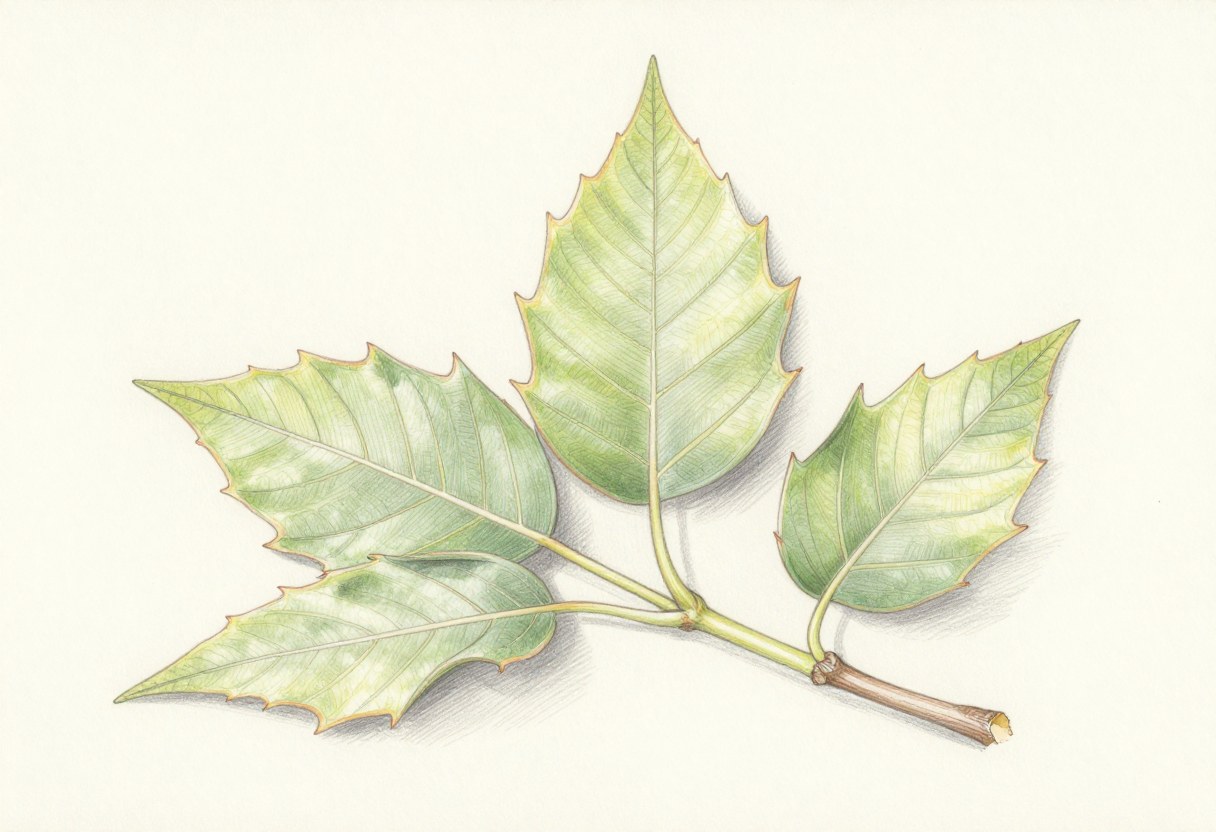
Populus deltoides
A fast-growing riverside tree with triangular leaves that flutter in the slightest breeze and cottony seeds in late spring.
Leaves: Unlobed leaves
 Conifers
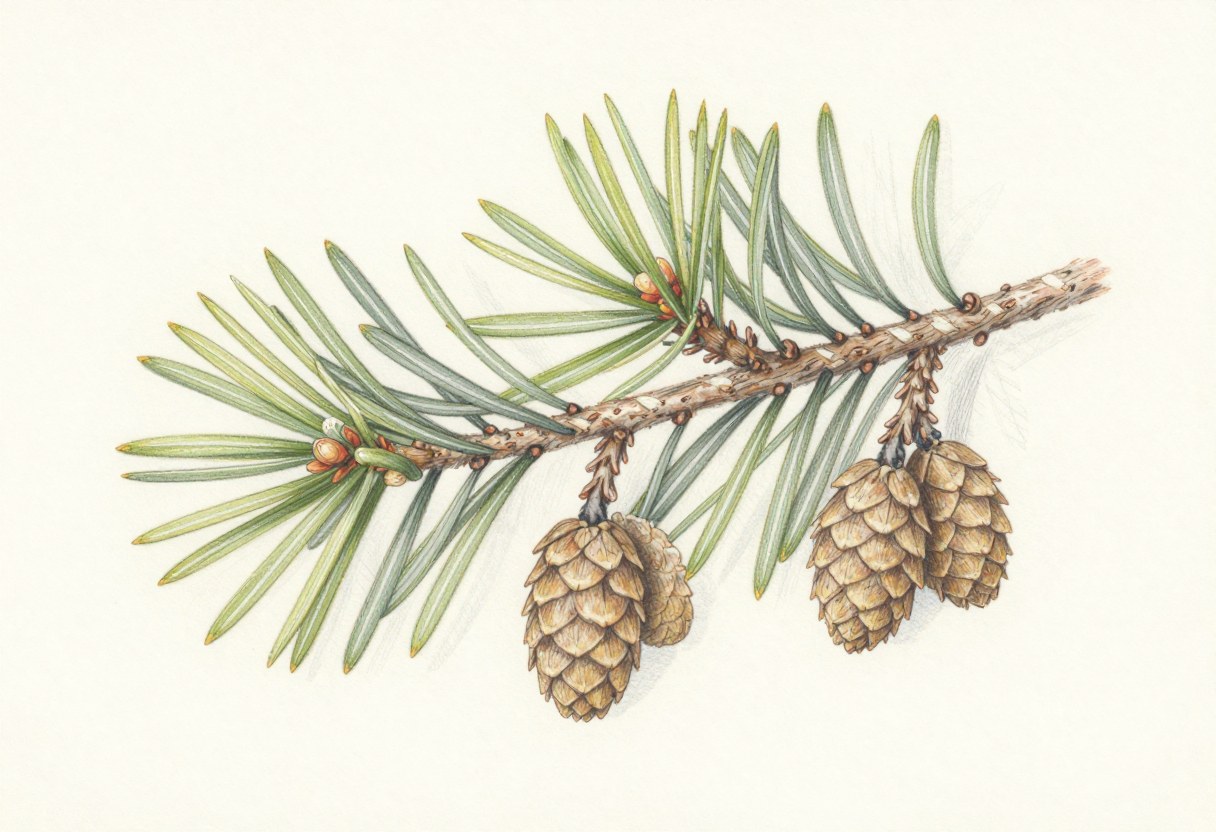
Tsuga canadensis
A graceful shade-loving conifer with short flat needles, tiny cones, and a drooping top. It is not related to the poison hemlock plant.
Leaves: Needles
 Conifers
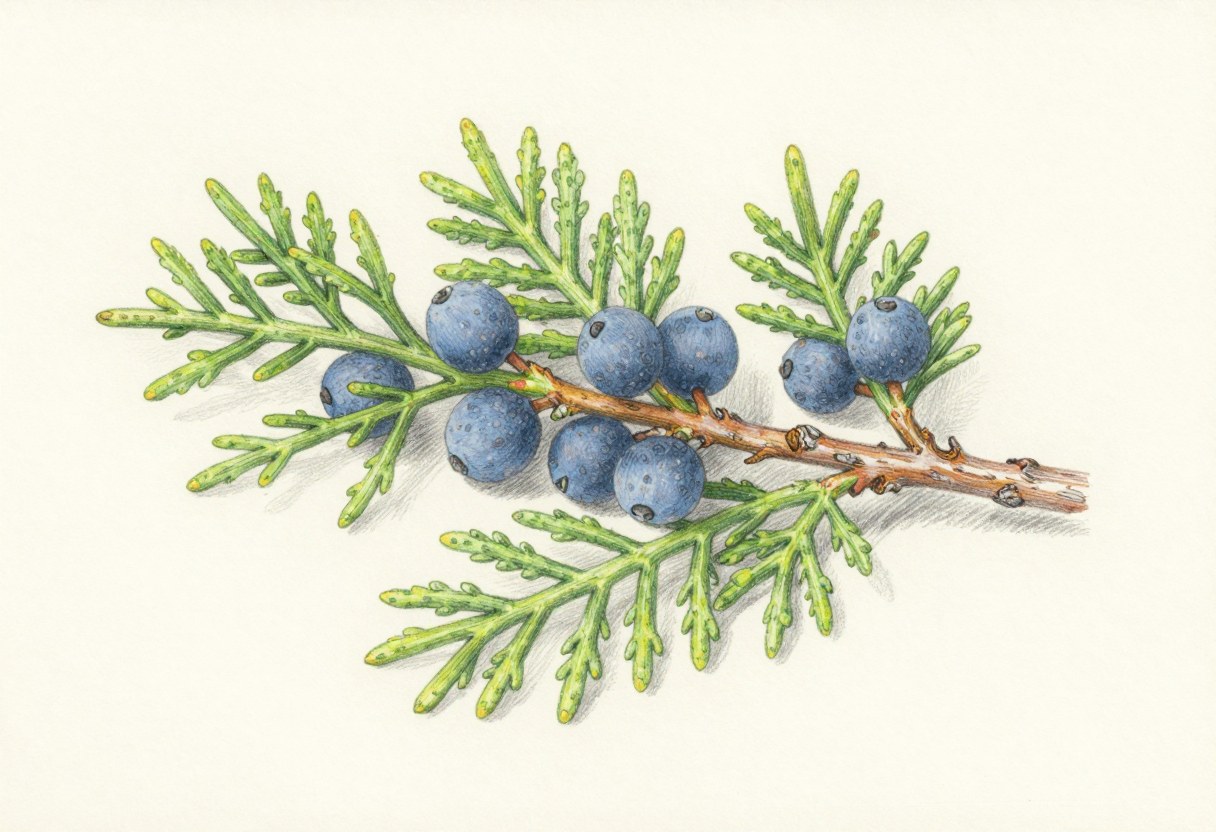
Juniperus virginiana
A common evergreen with scale-like leaves, blue berry-like cones, and fragrant red wood. It is a juniper rather than a true cedar.
Leaves: Scale-like
 Conifers
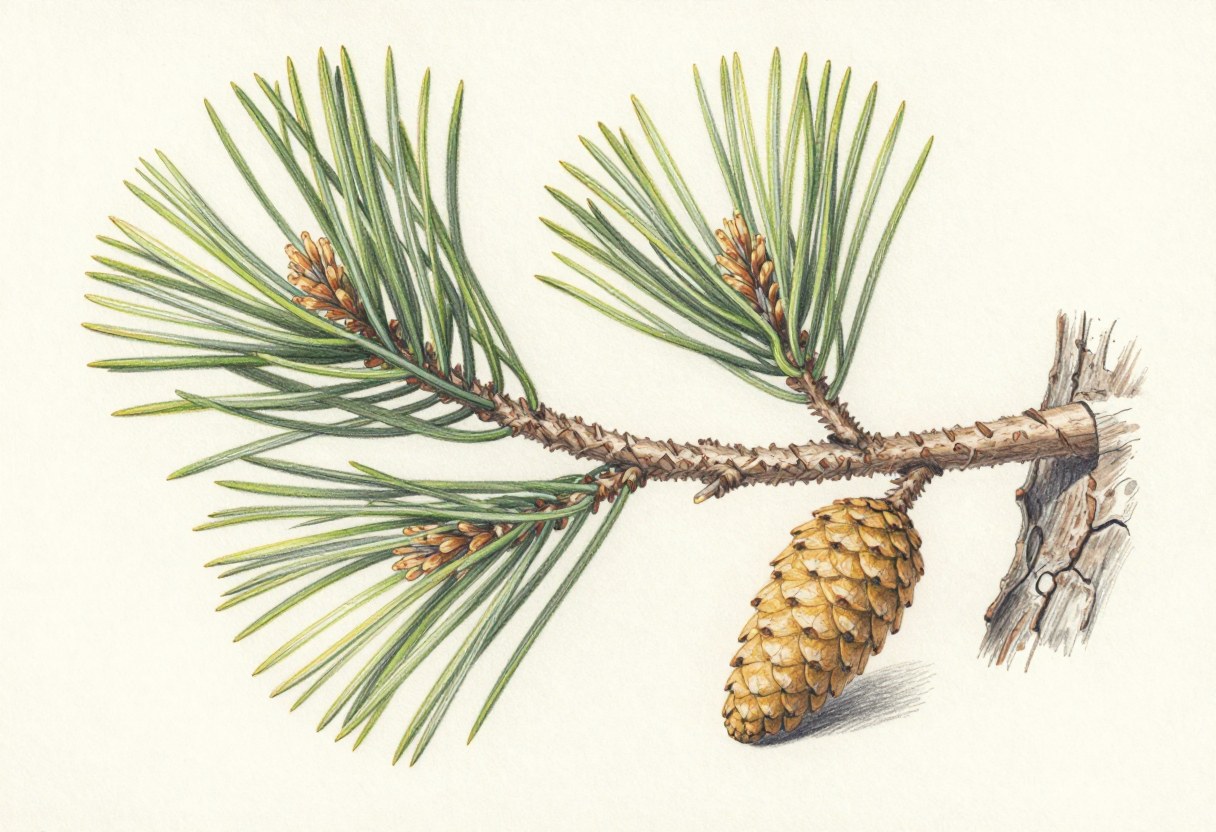
Pinus strobus
A tall, soft-needled pine of the northern forests, easy to recognize by its needles in bundles of five.
Leaves: Needles
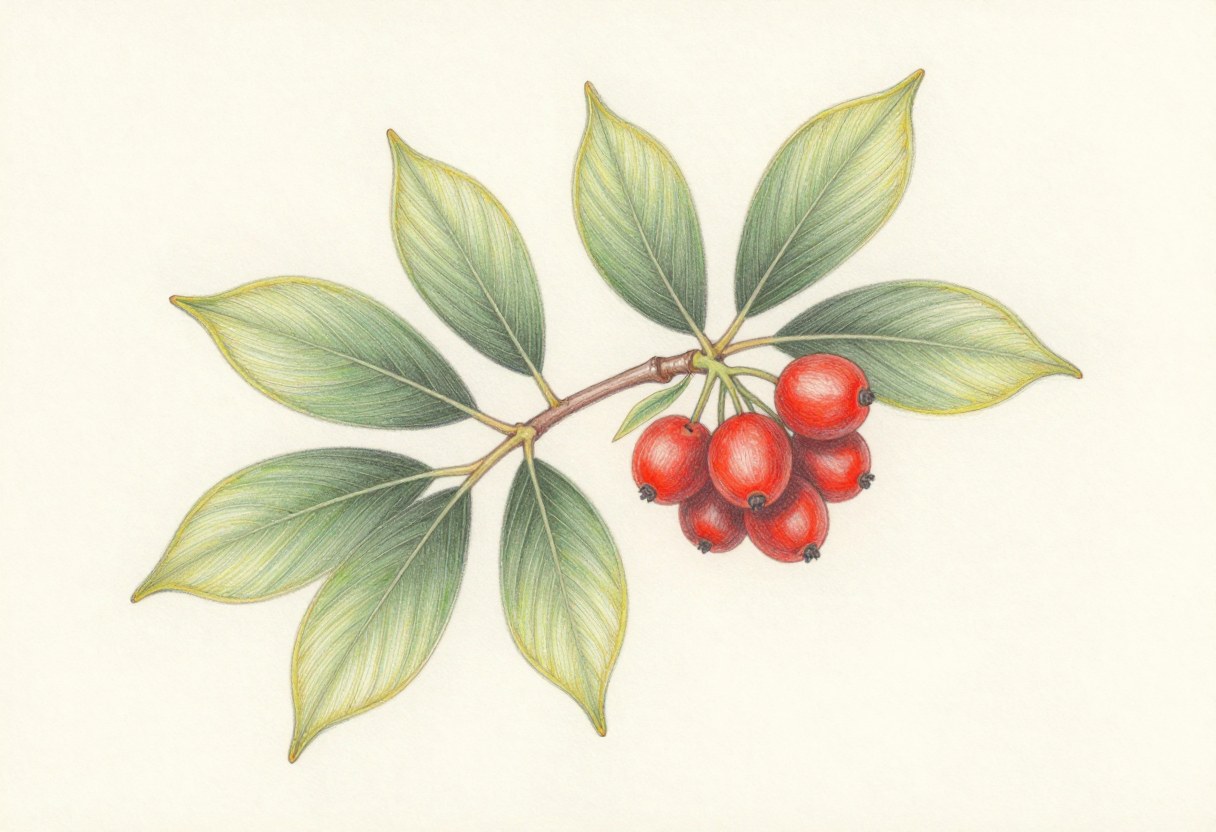 Hardwoods
Cornus florida
A small understory tree known for showy white spring bracts, bright red fall berries, and red fall leaves.
Leaves: Unlobed leaves
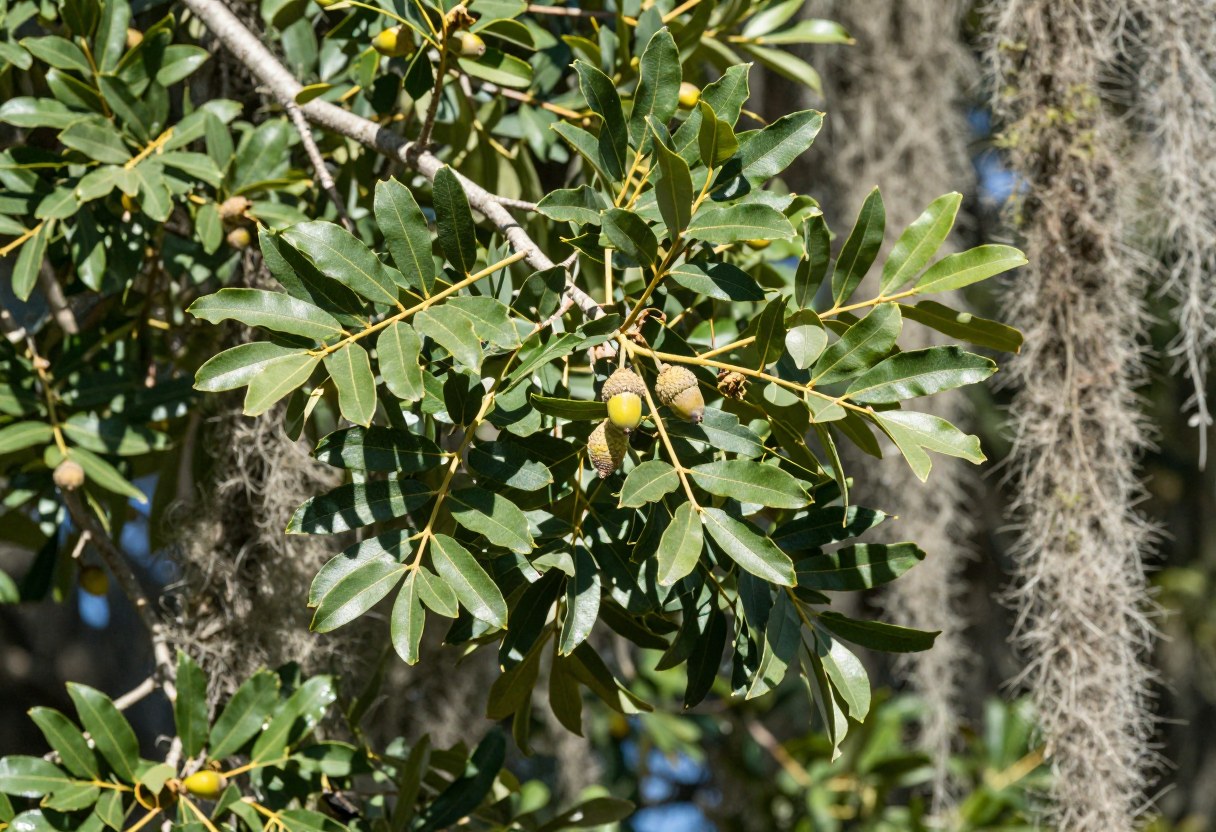 Hardwoods
Quercus virginiana
A broad, spreading evergreen oak of the Southeast, often draped in Spanish moss, with small oval leaves and no lobes.
Leaves: Unlobed leaves
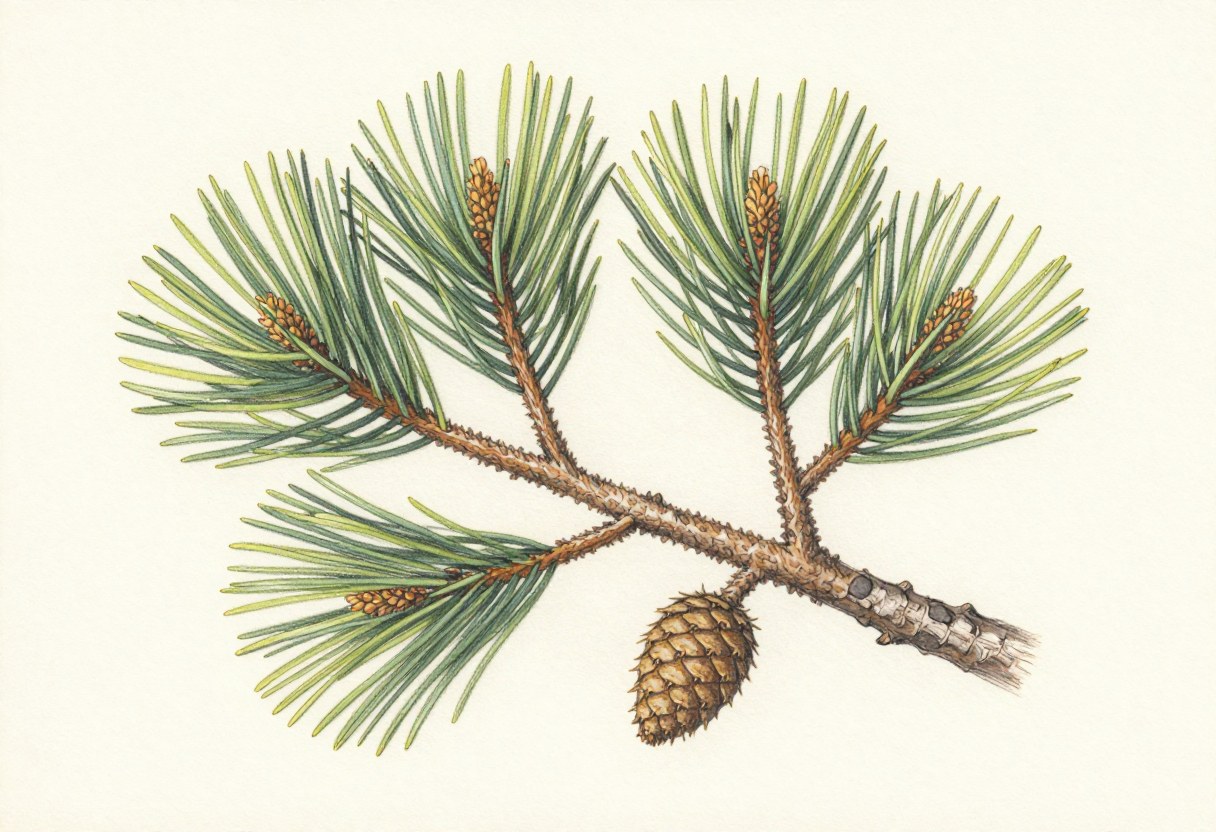 Conifers
Pinus taeda
The most common pine in the southeastern United States, with long needles in bundles of three and a rapid growth rate.
Leaves: Needles
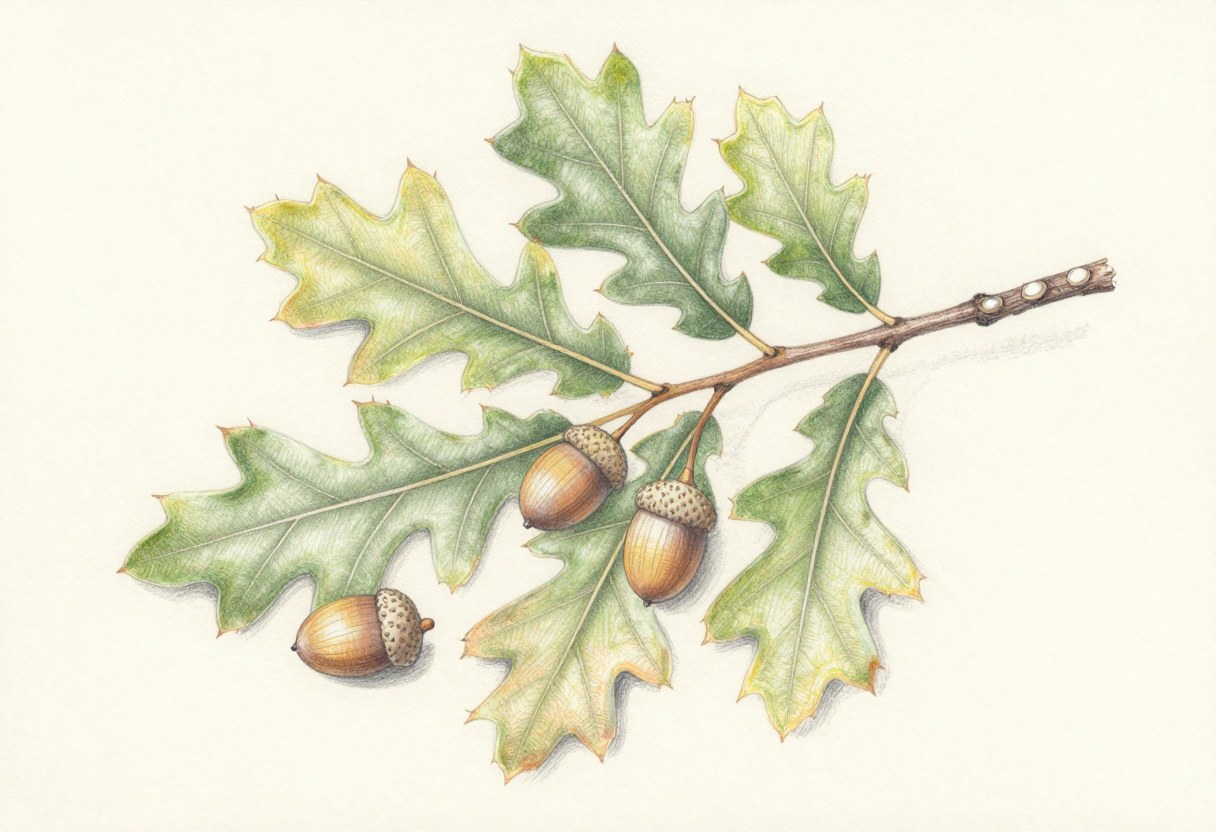 Hardwoods
Quercus rubra
A fast-growing oak with pointed, bristle-tipped leaf lobes and bark with shiny flat ridges, and a common source of acorns for wildlife.
Leaves: Lobed leaves
 Hardwoods
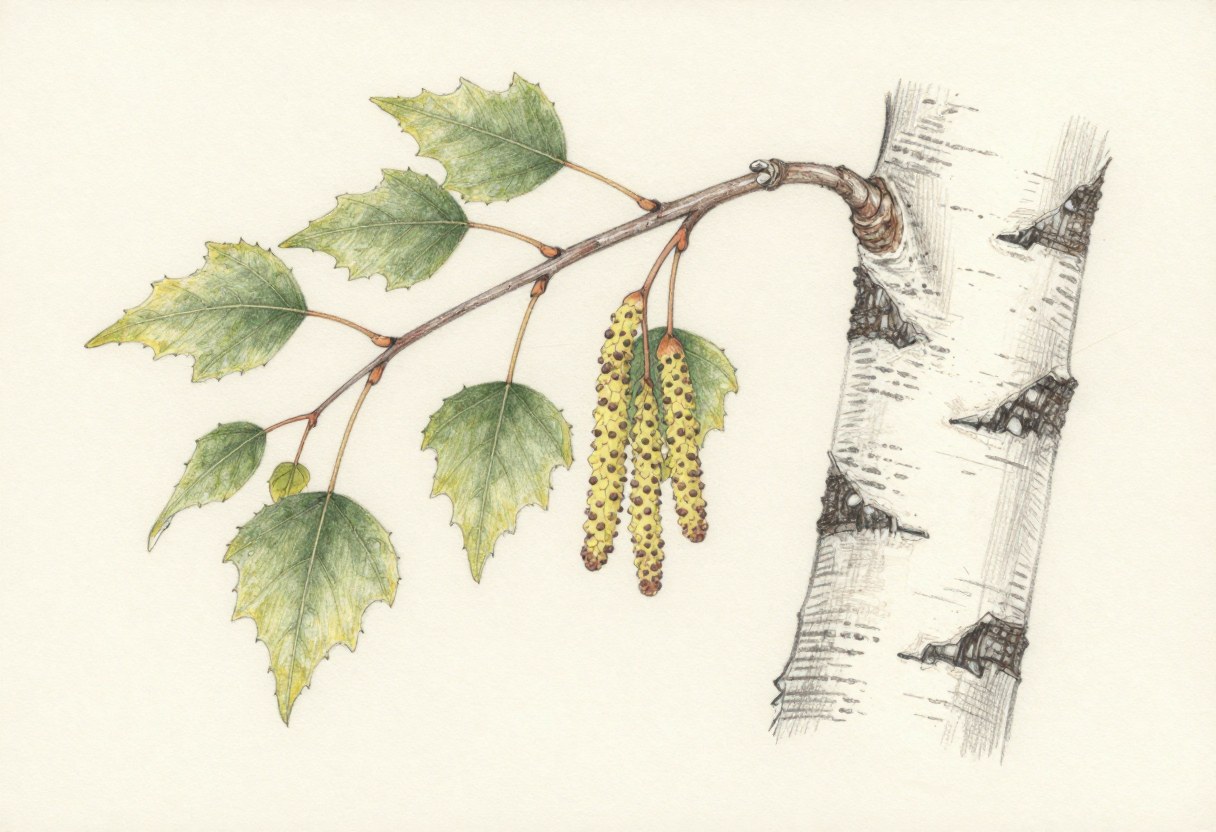
Betula papyrifera
A northern tree with bright white, peeling bark that has long been used as tinder.
Leaves: Unlobed leaves
 Plants to Avoid
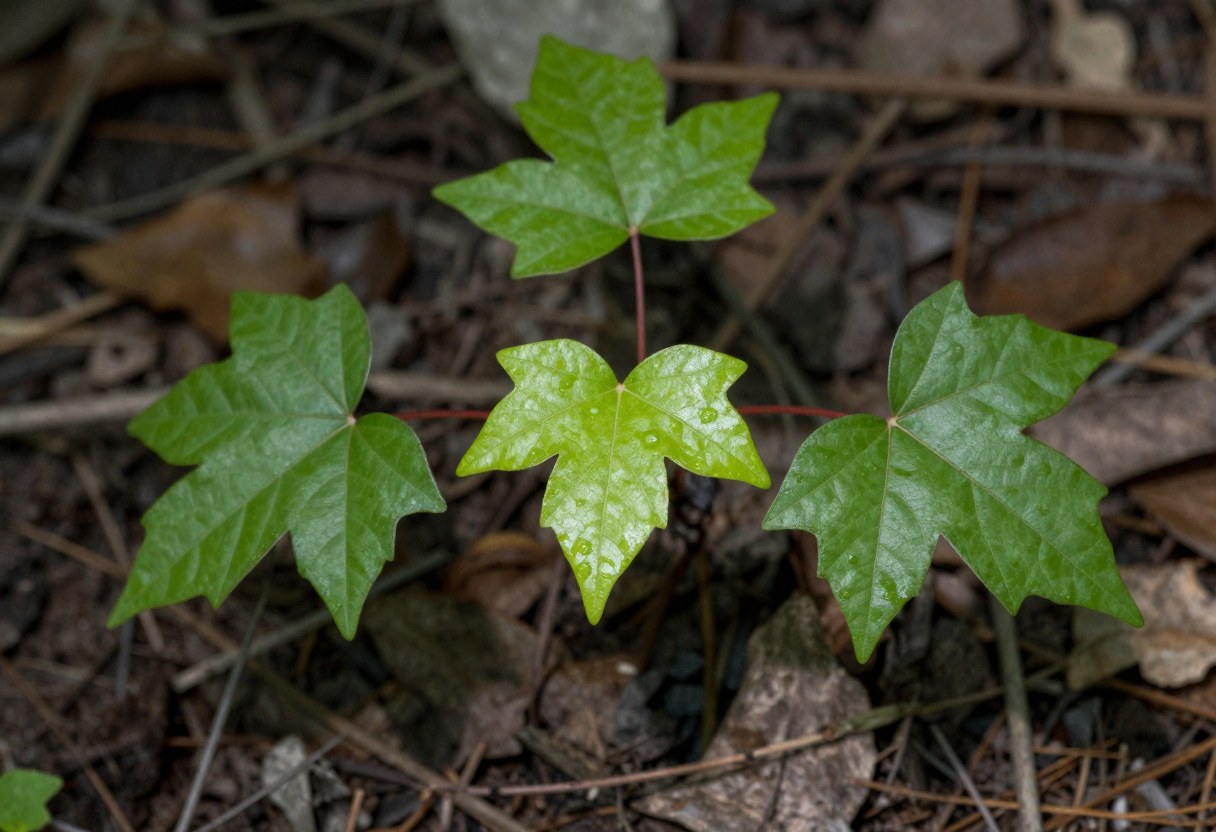
Toxicodendron radicans
A common vine and shrub with leaves in groups of three. Touching it can cause an itchy, blistering rash.
Leaves: Compound leaves
 Plants to Avoid
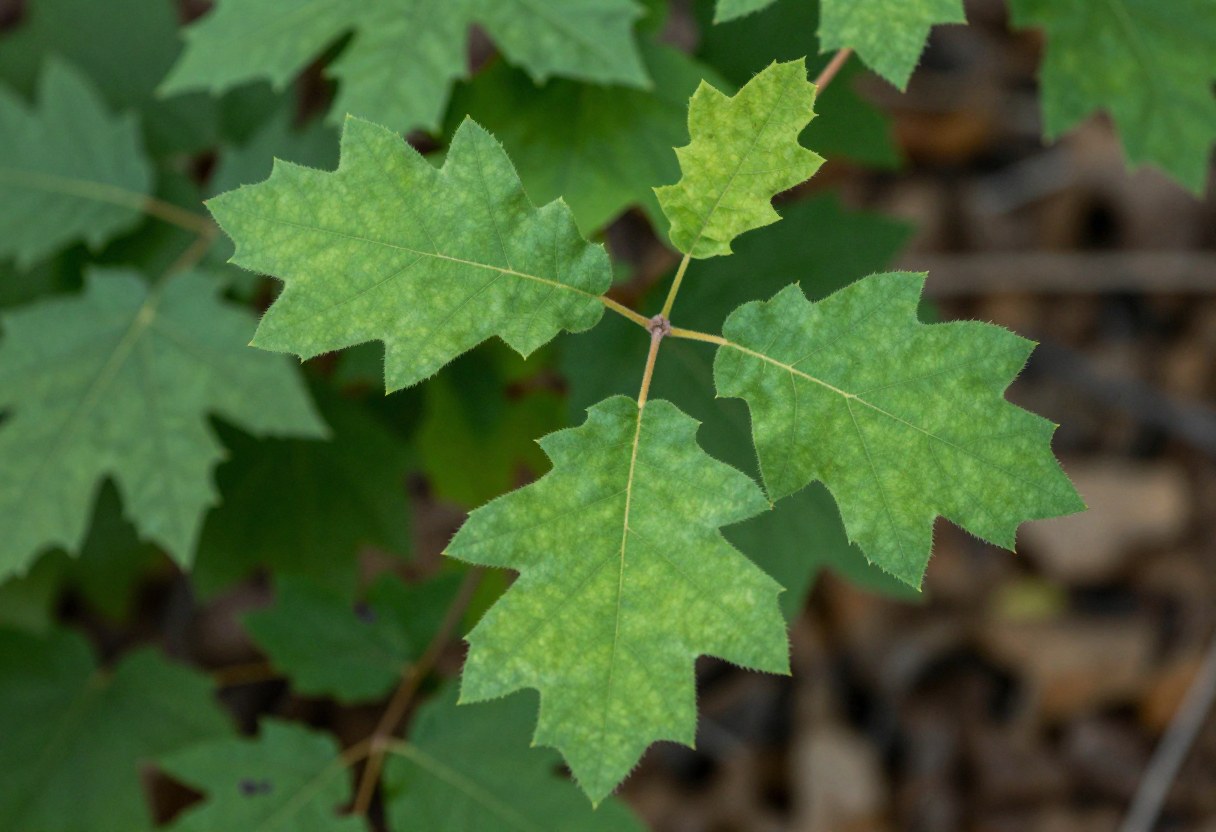
Toxicodendron pubescens and T. diversilobum
A shrub or vine with three lobed leaflets that look like oak leaves, found on the West Coast and across the Southeast. Like poison ivy, it can cause a rash.
Leaves: Compound leaves
 Plants to Avoid
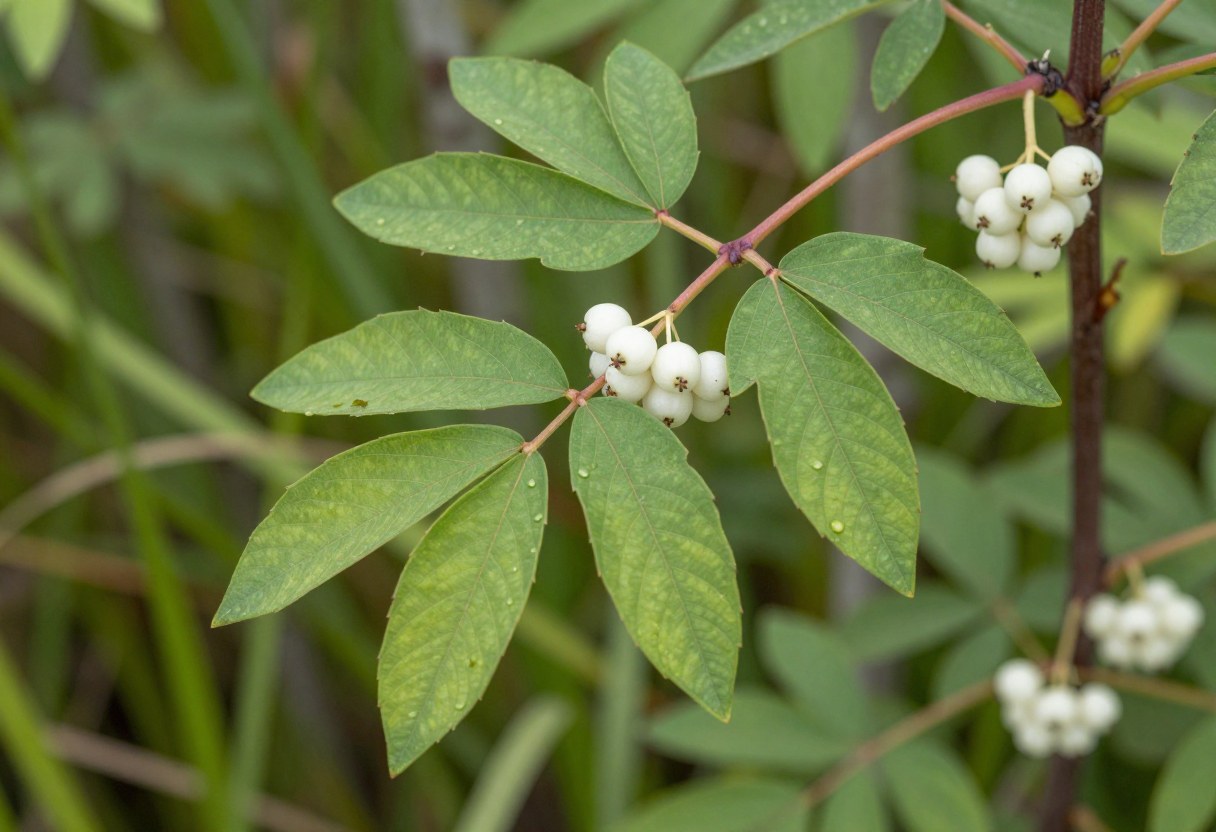
Toxicodendron vernix
A swamp shrub with long compound leaves and drooping white berries. It causes the same rash as poison ivy, and is often more severe.
Leaves: Compound leaves
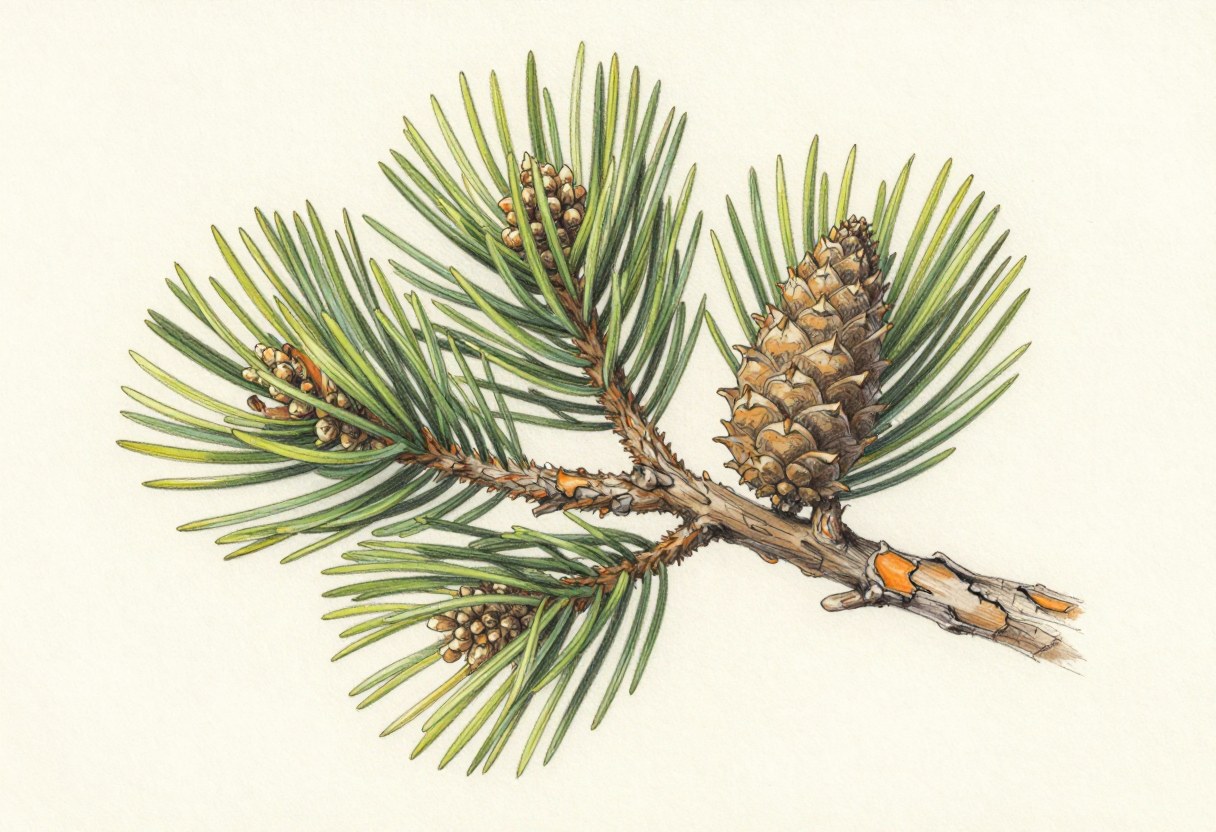 Conifers
Pinus ponderosa
The classic pine of Western mountains, with long needles, orange puzzle-piece bark, and a sweet vanilla scent.
Leaves: Needles
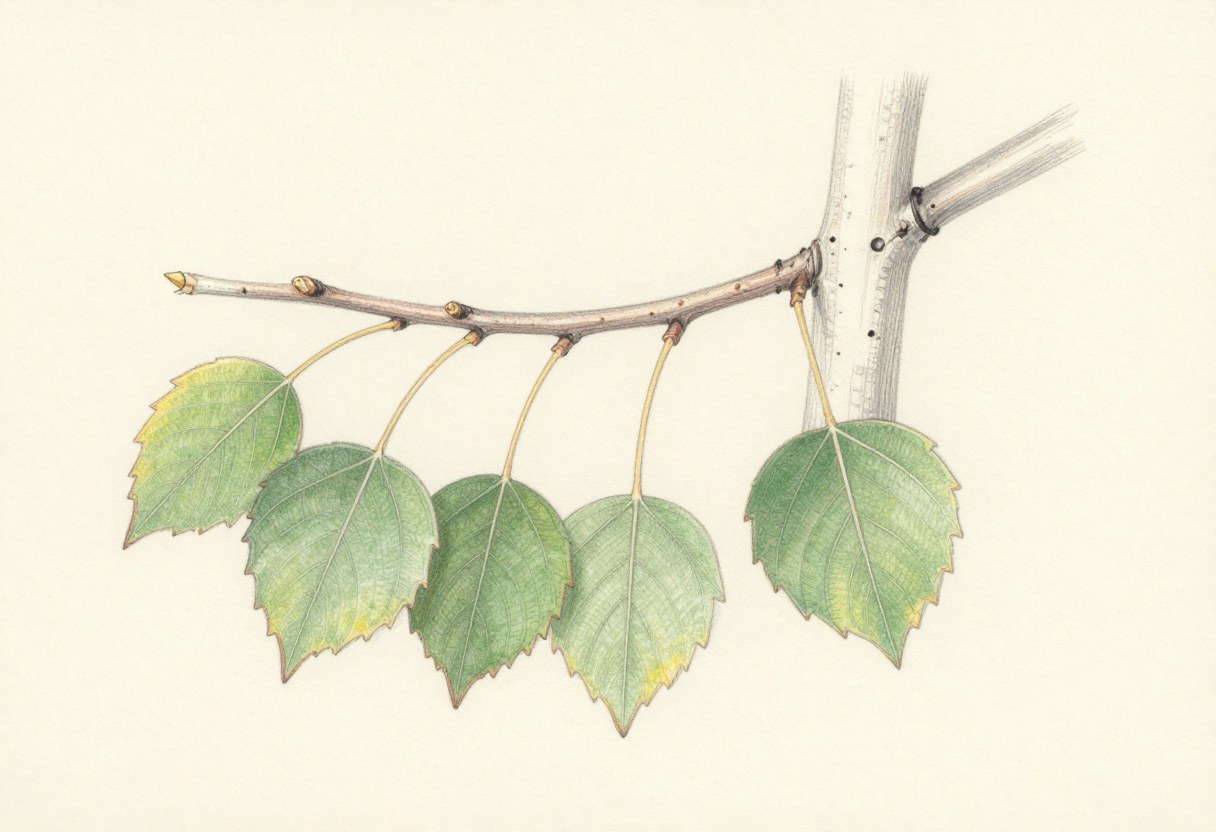 Hardwoods
Populus tremuloides
A pale-barked northern and mountain tree whose round leaves tremble in the wind and turn bright gold in fall.
Leaves: Unlobed leaves
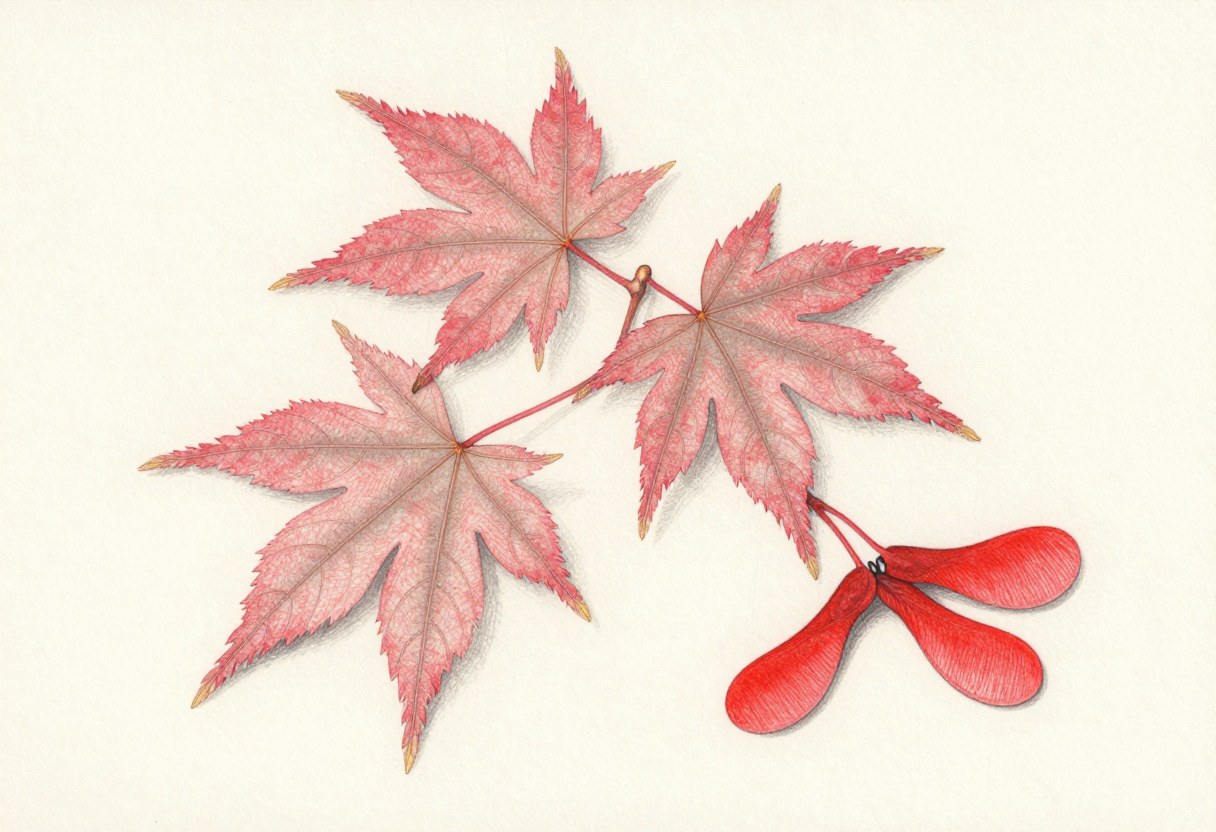 Hardwoods
Acer rubrum
One of the most widespread trees in the East, with red leaf stalks, red buds, and red fall color.
Leaves: Lobed leaves
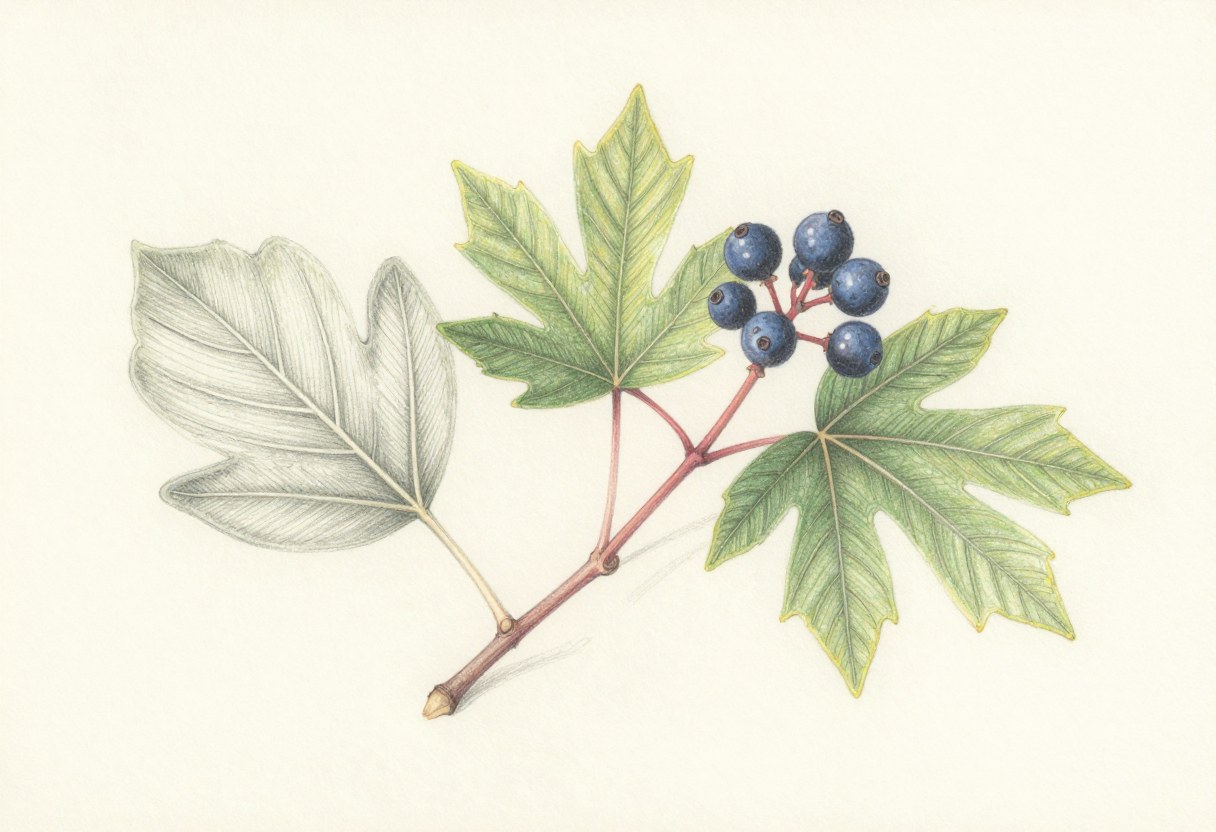 Hardwoods
Sassafras albidum
A small aromatic tree with three different leaf shapes on the same twig, including a mitten-shaped leaf.
Leaves: Lobed leaves
 Hardwoods
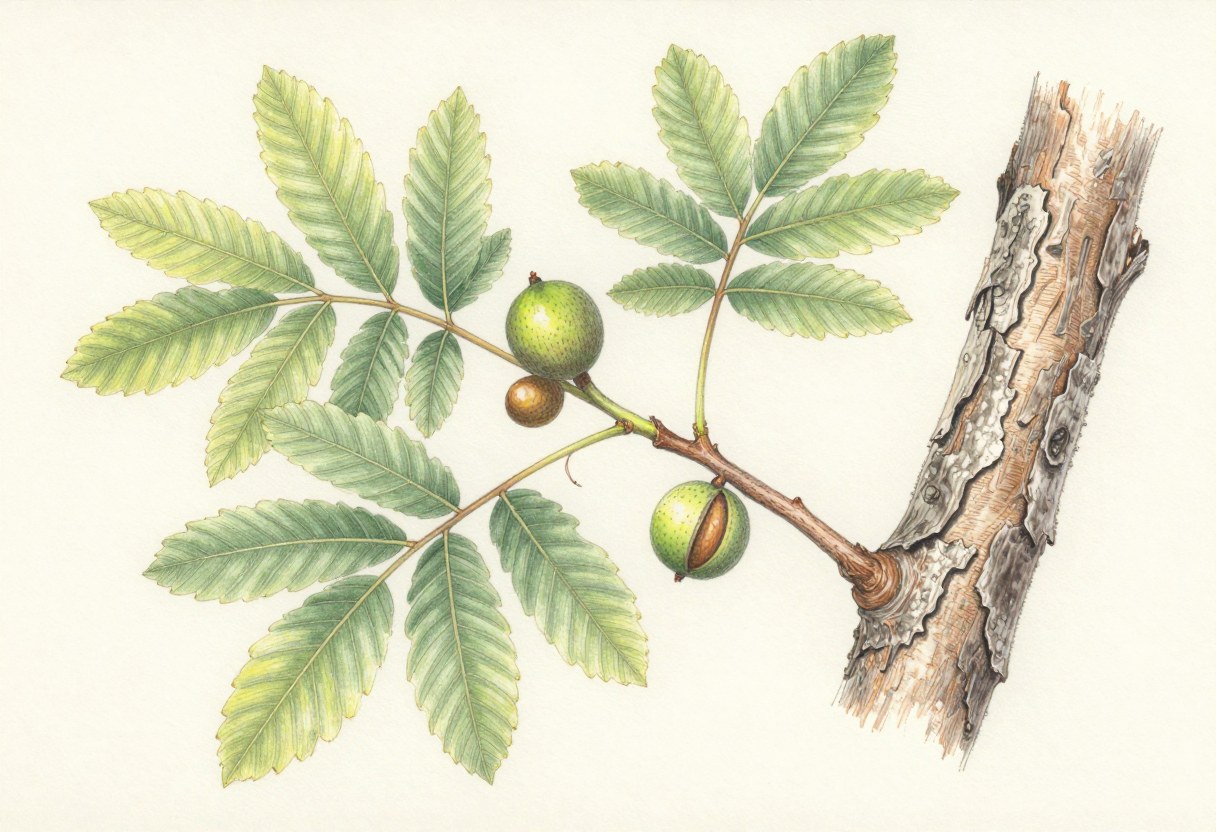
Carya ovata
A tall hickory with distinctive shaggy, peeling bark, large compound leaves, and sweet nuts that squirrels love.
Leaves: Compound leaves
 Plants to Avoid
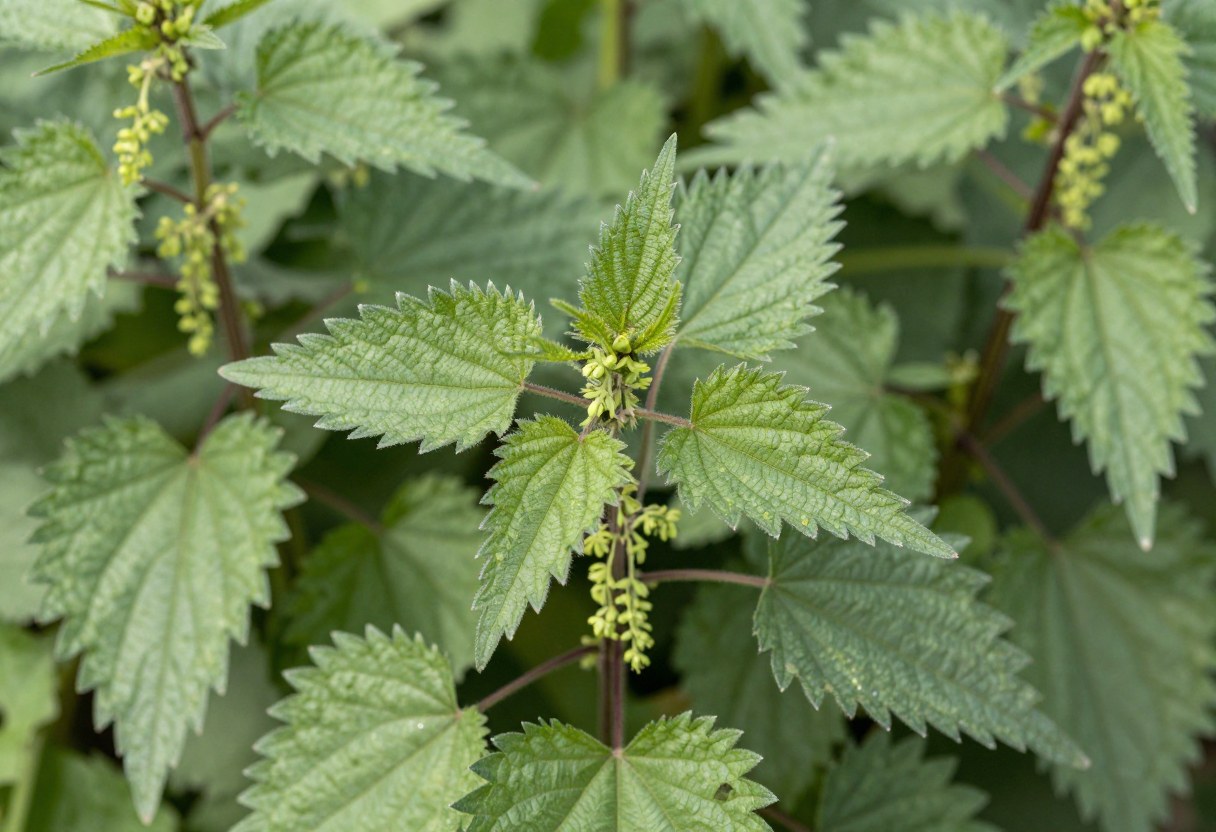
Urtica dioica
A tall plant of moist trail edges and stream banks with tiny stinging hairs that cause a burning, itchy sting.
Leaves: Unlobed leaves
 Hardwoods
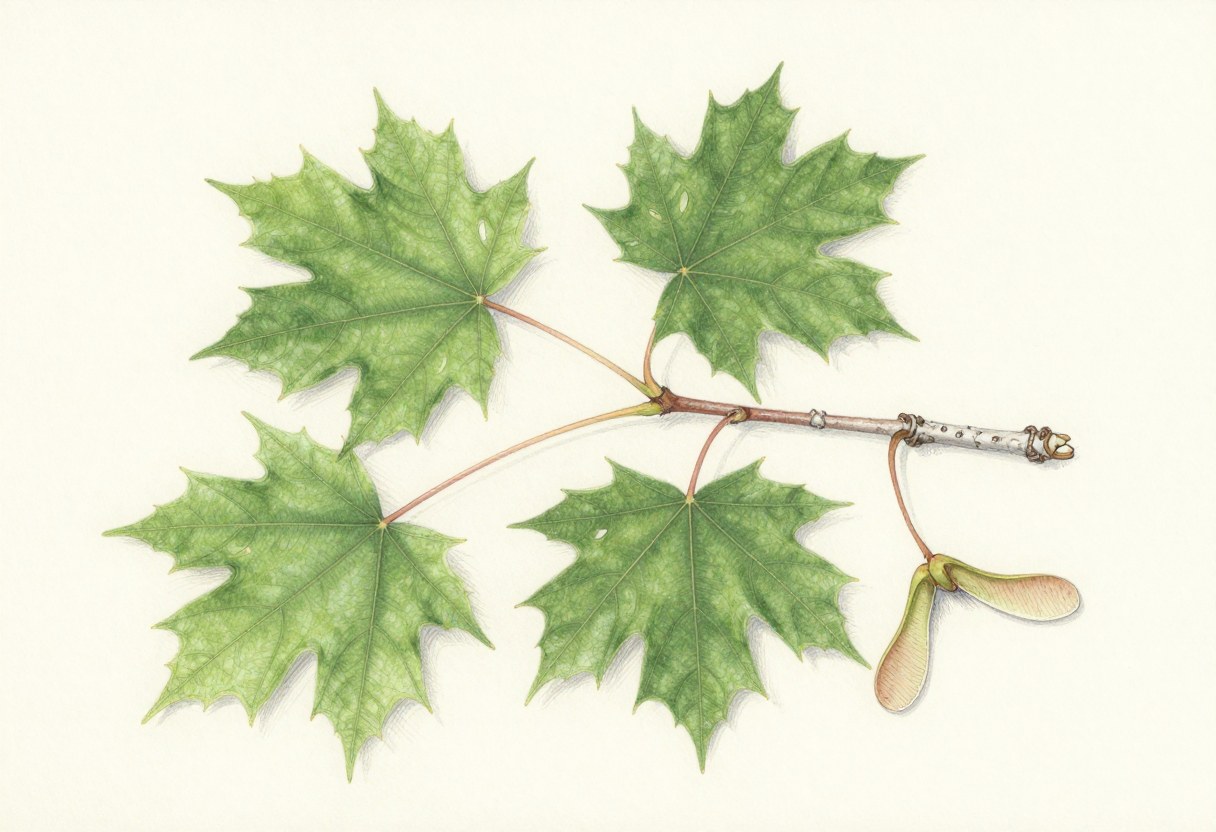
Acer saccharum
A stately northern maple known for syrup and for brilliant orange and red fall color.
Leaves: Lobed leaves
 Hardwoods
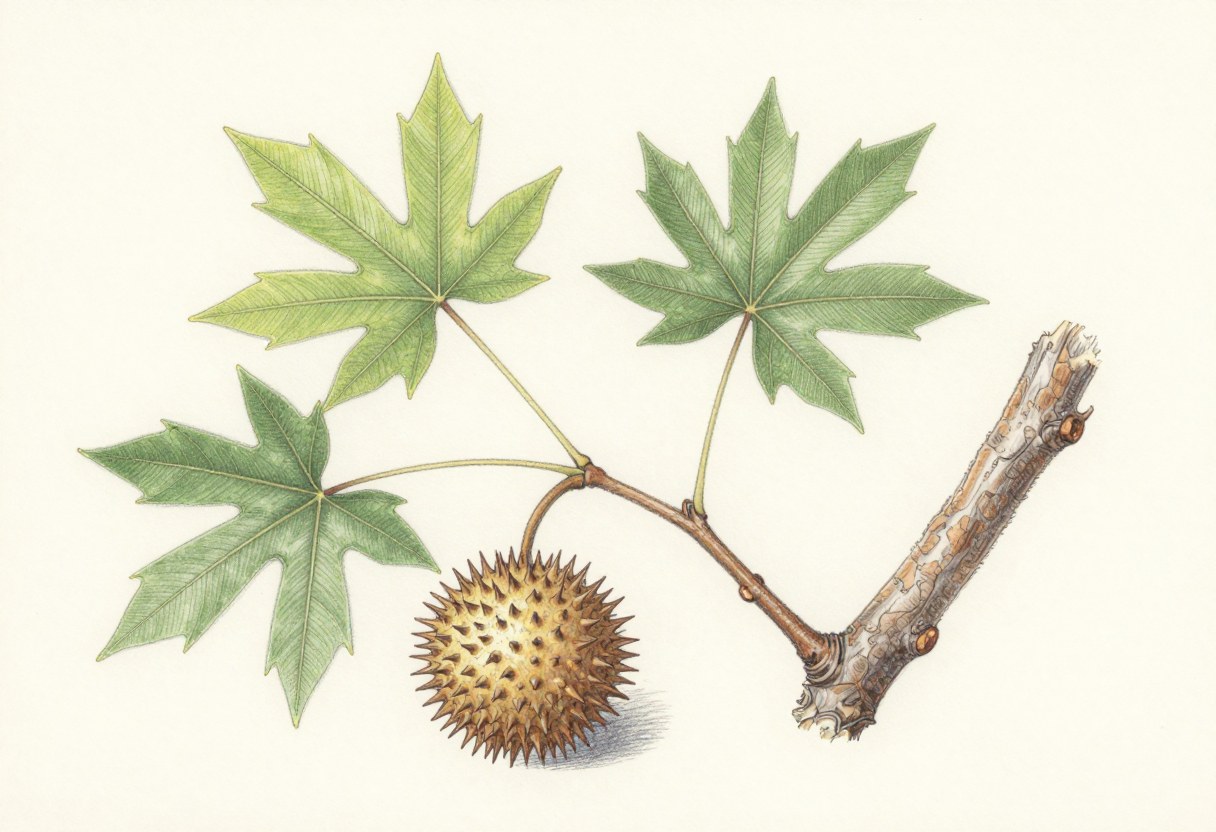
Liquidambar styraciflua
A southeastern tree with star-shaped leaves and spiky, round seed balls that make walking underfoot tricky.
Leaves: Lobed leaves
 Hardwoods
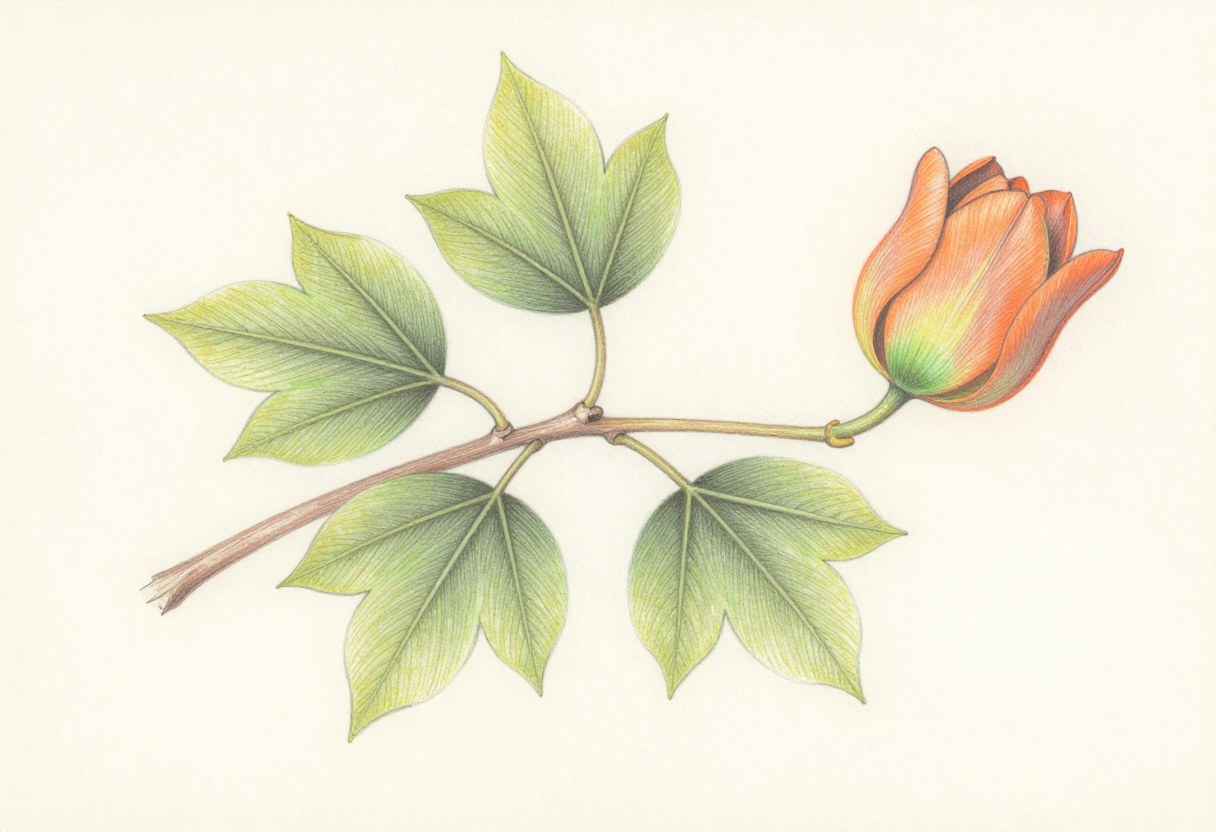
Liriodendron tulipifera
One of the tallest eastern hardwoods, with a straight trunk and unusual four-lobed leaves that look as if the tip has been cut off.
Leaves: Lobed leaves
 Hardwoods
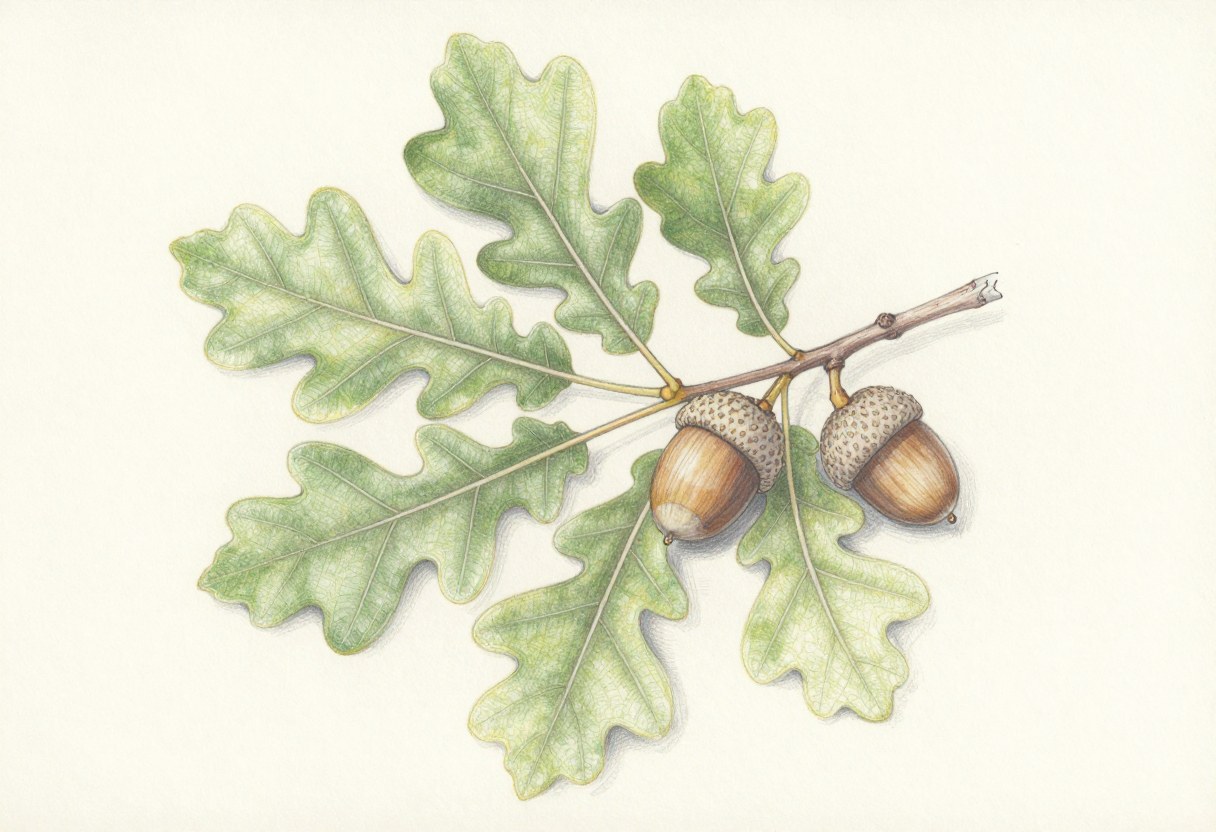
Quercus alba
A large, long-lived oak with rounded leaf lobes and sweet acorns that deer and turkeys favor.
Leaves: Lobed leaves