
Field Guide / Fish
Illustrated profiles of popular freshwater game fish. Search by name or bait, or filter by type, water temperature, and habitat.
30 species
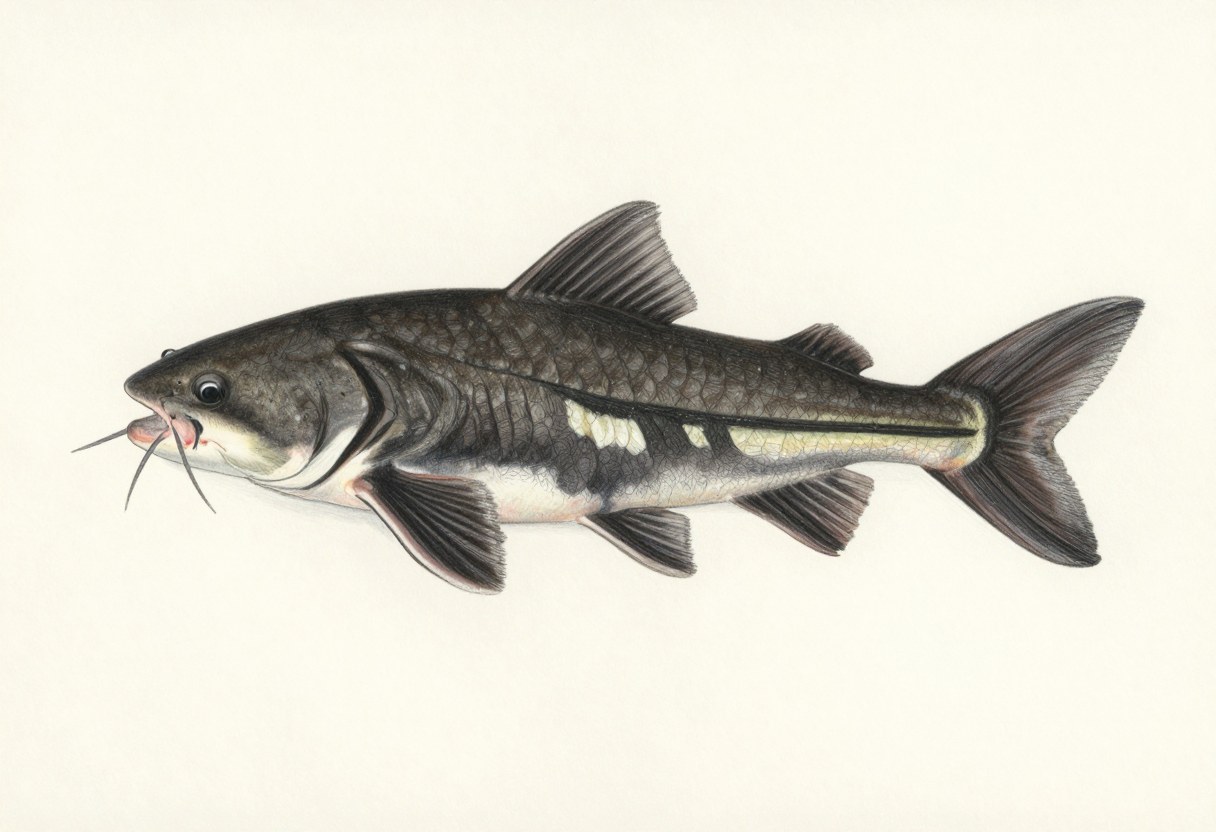 Catfish
Ameiurus melas
A small, hardy catfish of muddy ponds and slow streams that bites worms on the bottom and tolerates poor water.
Typical size: 8 to 12 inches, up to about 1 lb
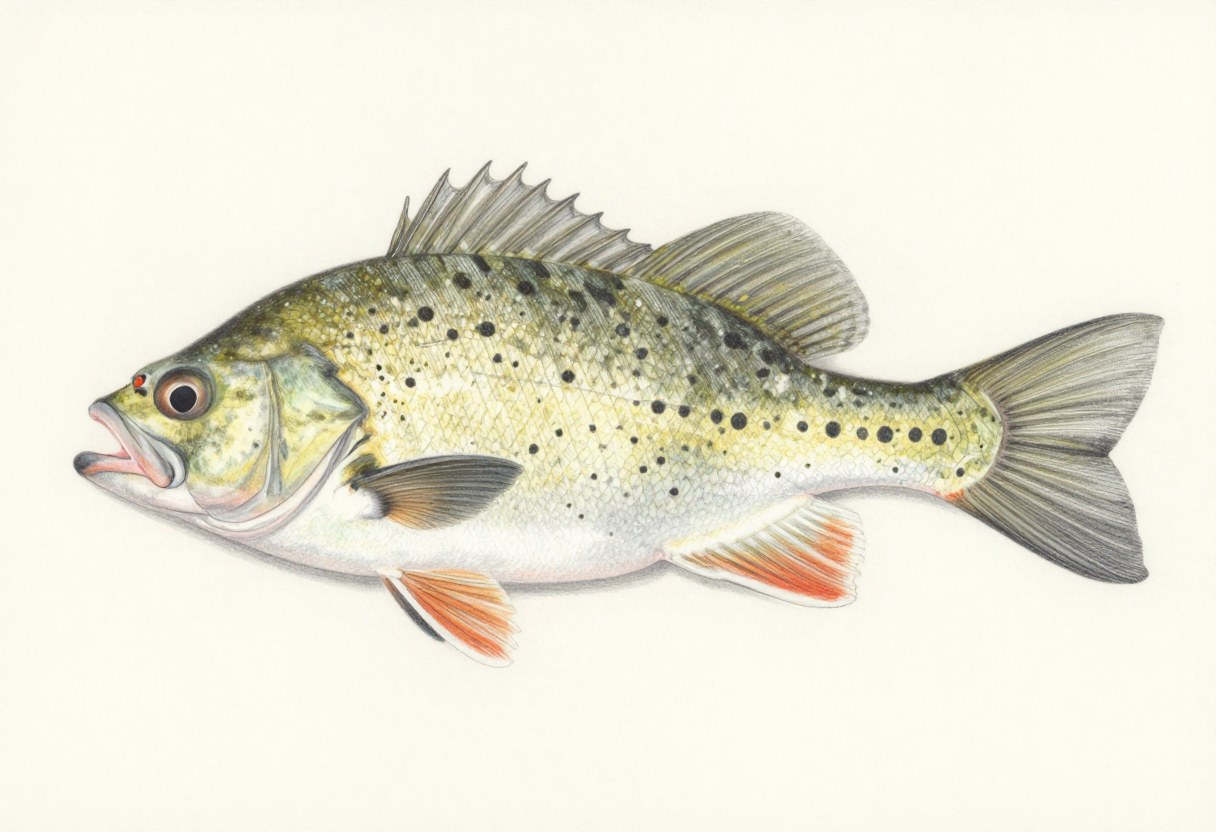 Panfish
Pomoxis nigromaculatus
A speckled, silvery panfish prized for its sweet, flaky fillets, found around brush, docks, and submerged trees in clear lakes and ponds.
Typical size: 8 to 12 inches; a 14-inch fish is a trophy
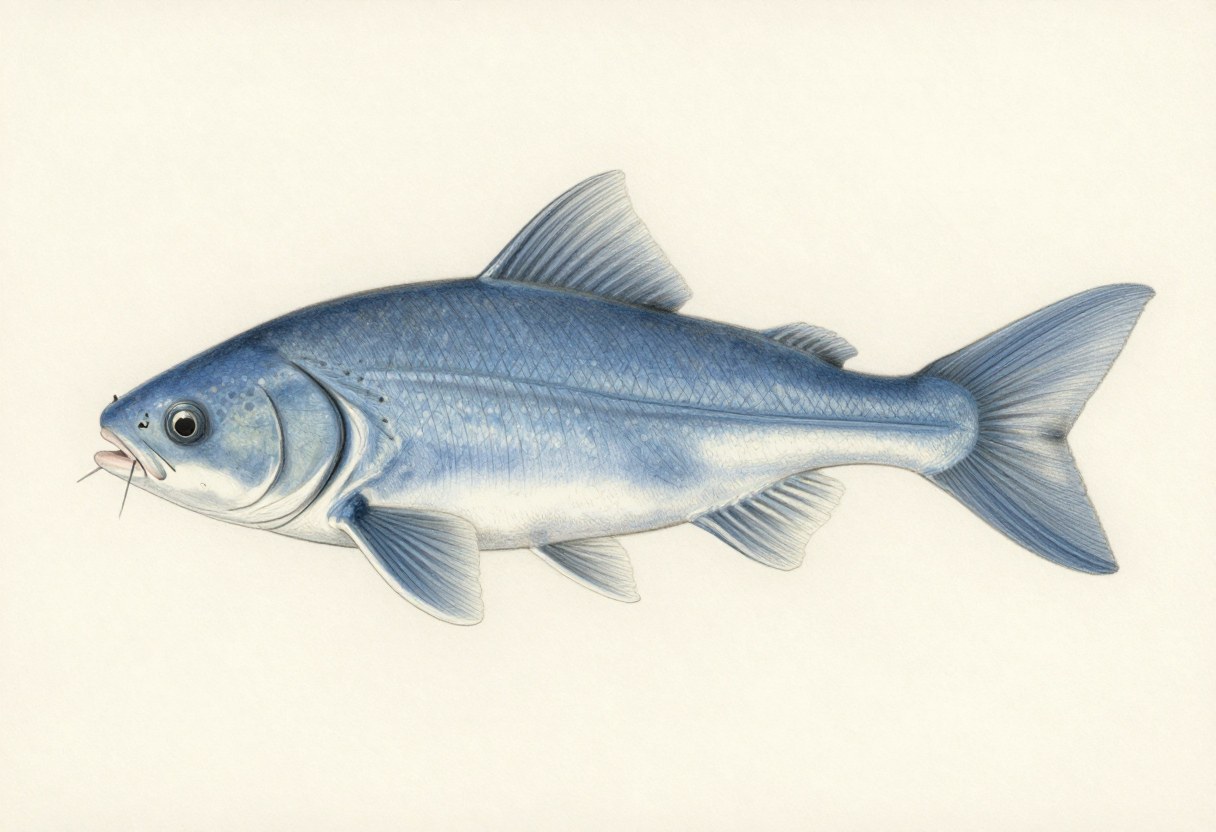 Catfish
Ictalurus furcatus
The largest North American catfish: a slate-blue giant of big rivers and reservoirs that can reach well over a hundred pounds.
Typical size: 5 to 30 lb; fish over 50 lb are possible in big waters
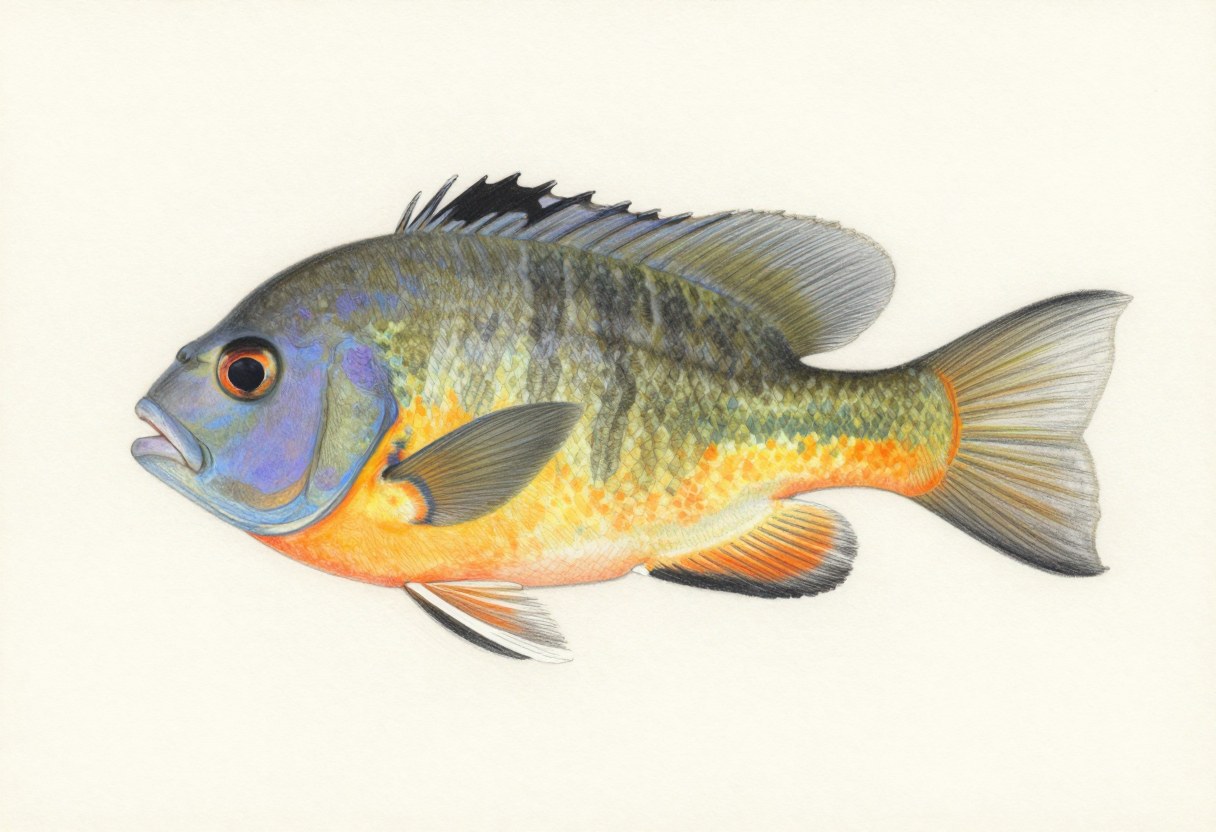 Panfish
Lepomis macrochirus
The classic first fish: a feisty, abundant sunfish that bites worms and tiny flies in nearly every pond and lake in the country.
Typical size: 6 to 9 inches, up to about half a pound; a 10-inch fish is a trophy
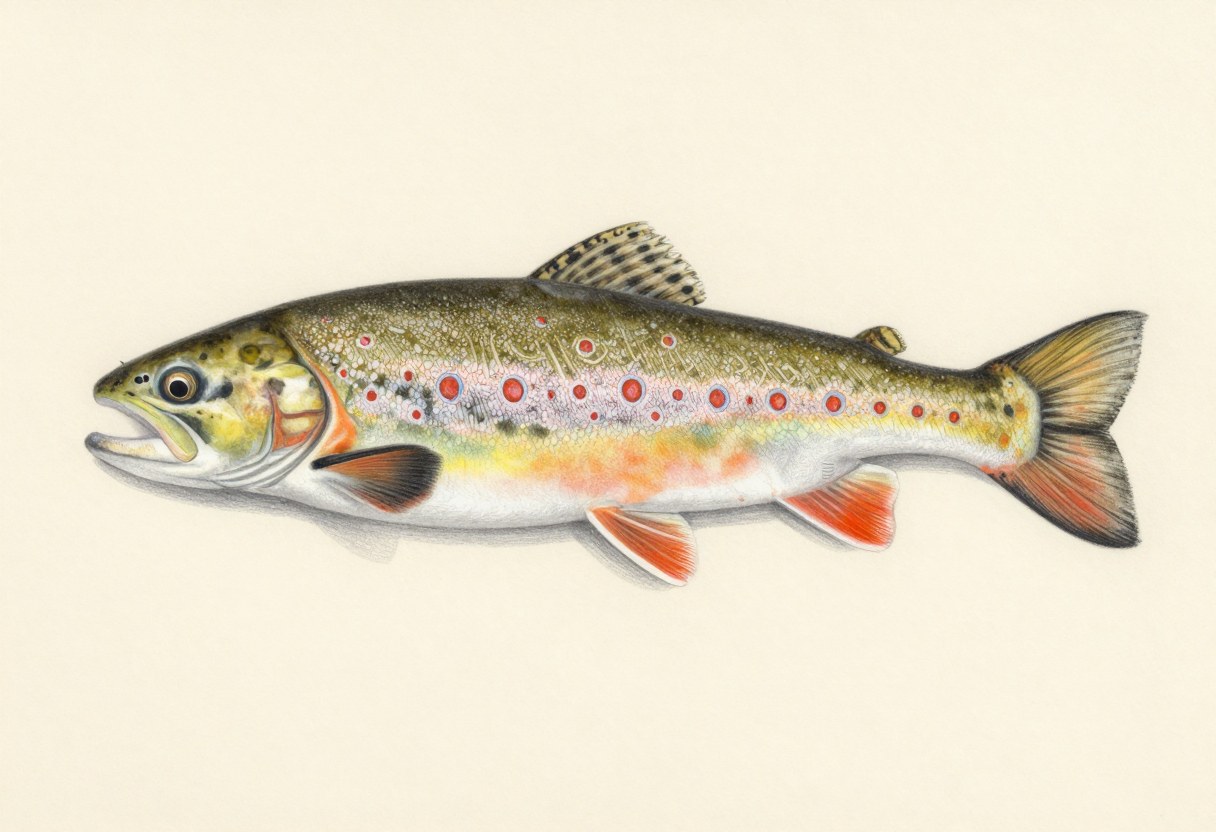 Trout & Salmon
Salvelinus fontinalis
A jewel-colored char of cold, clean headwater streams, native to eastern North America and a sign of healthy water.
Typical size: 6 to 12 inches in most streams; larger fish live in some lakes and remote waters
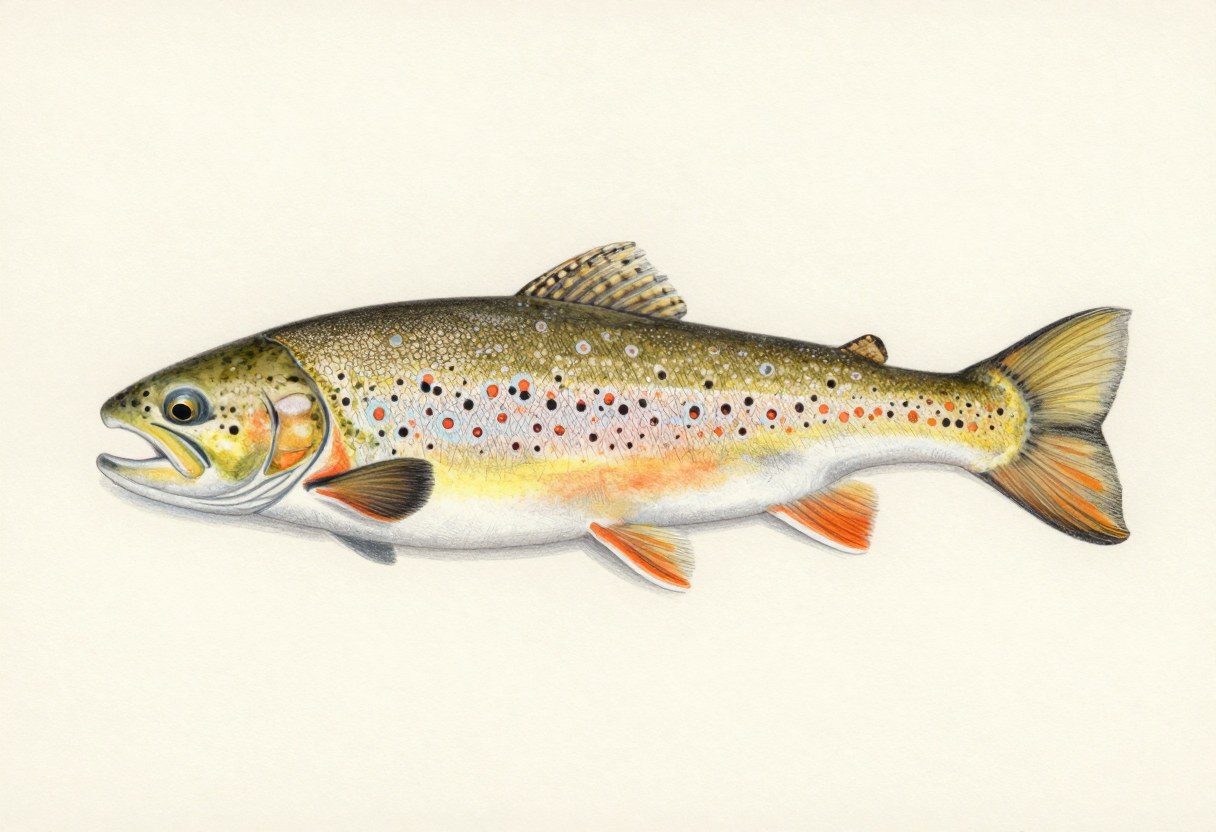 Trout & Salmon
Salmo trutta
A wary, golden-brown trout from Europe, now established across much of the US, famous for outsmarting anglers and growing large.
Typical size: 10 to 18 inches in most streams; trophy fish can be much larger
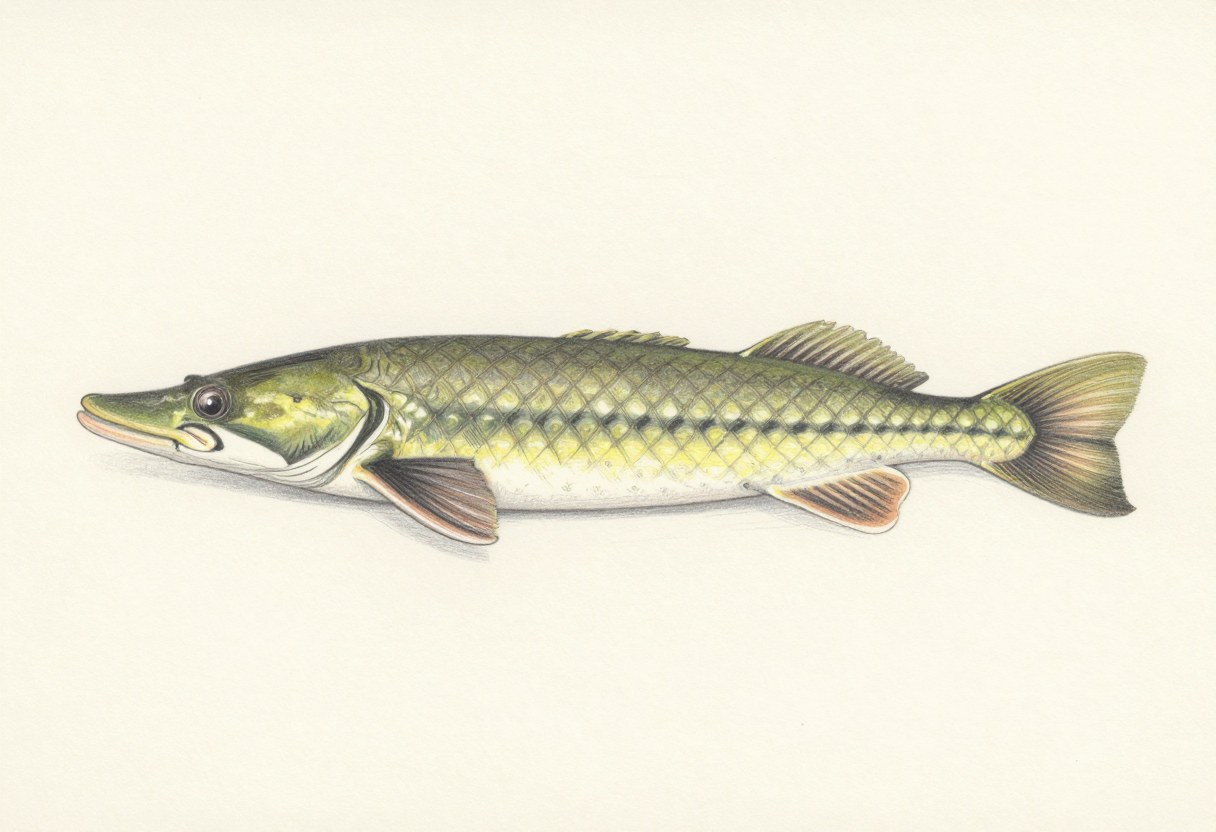 Pike & Walleye
Esox niger
A smaller, toothy relative of the northern pike, recognized by the chain-link pattern on its sides, found in weedy, quiet water.
Typical size: 15 to 24 inches
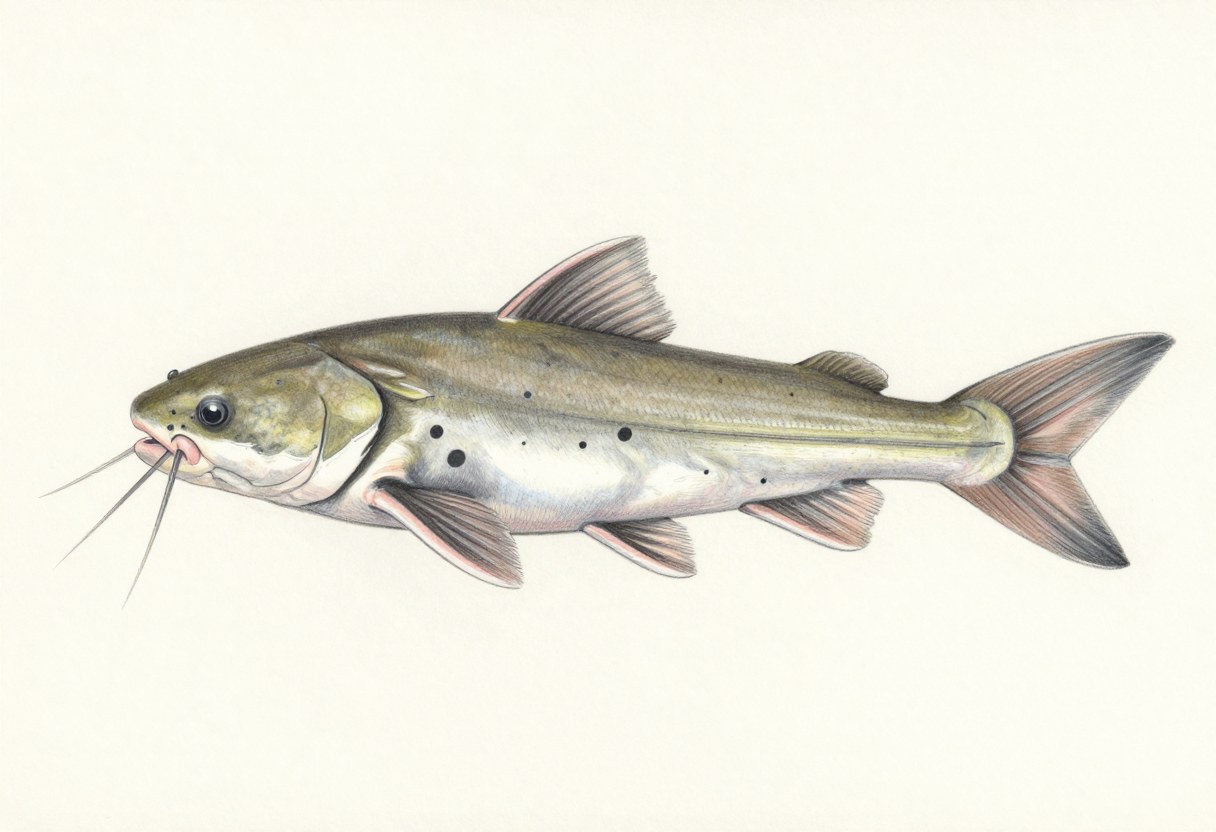 Catfish
Ictalurus punctatus
The most widely caught catfish in North America: a sleek, whiskered bottom feeder that bites bait readily, especially after dark.
Typical size: 1 to 10 lb; larger fish are possible
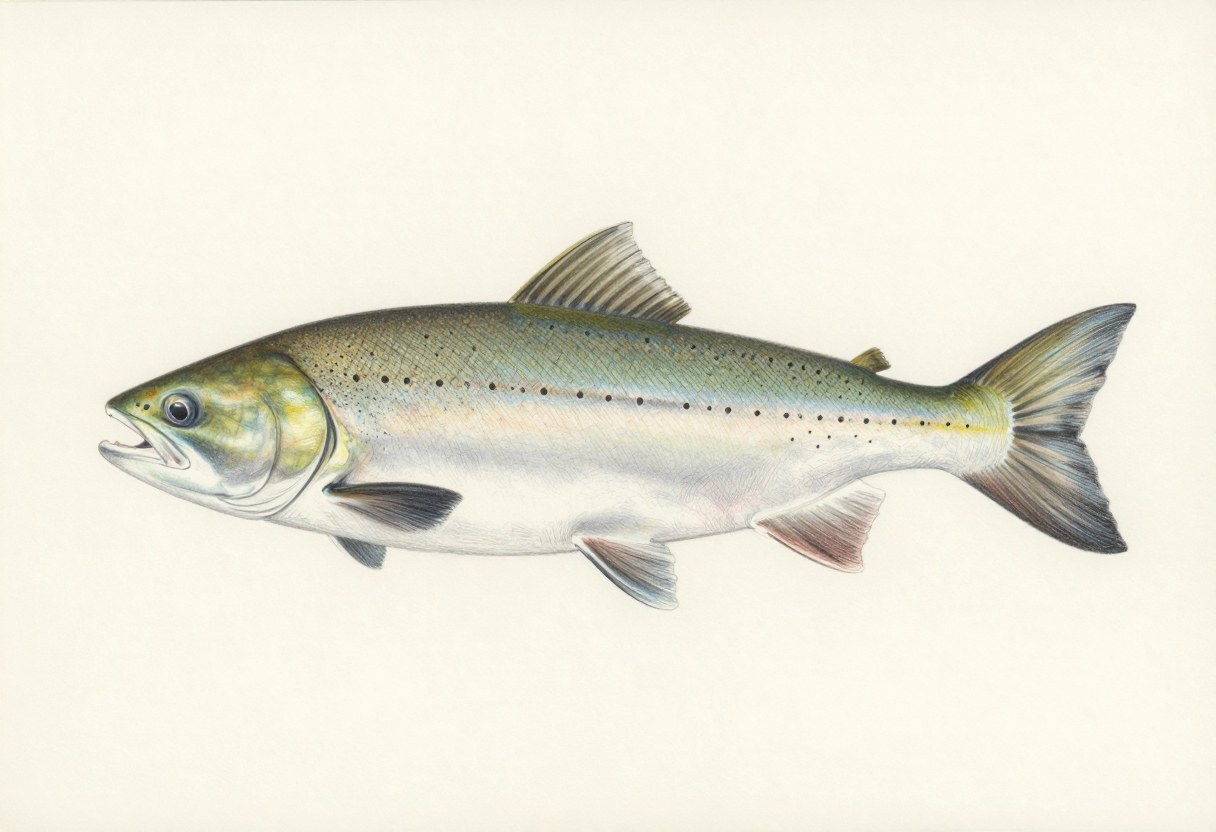 Trout & Salmon
Oncorhynchus tshawytscha
The largest Pacific salmon, also called king salmon: a powerful fish of Pacific rivers and stocked in the Great Lakes.
Typical size: 8 to 20 lb in the Great Lakes; ocean-run fish are often larger
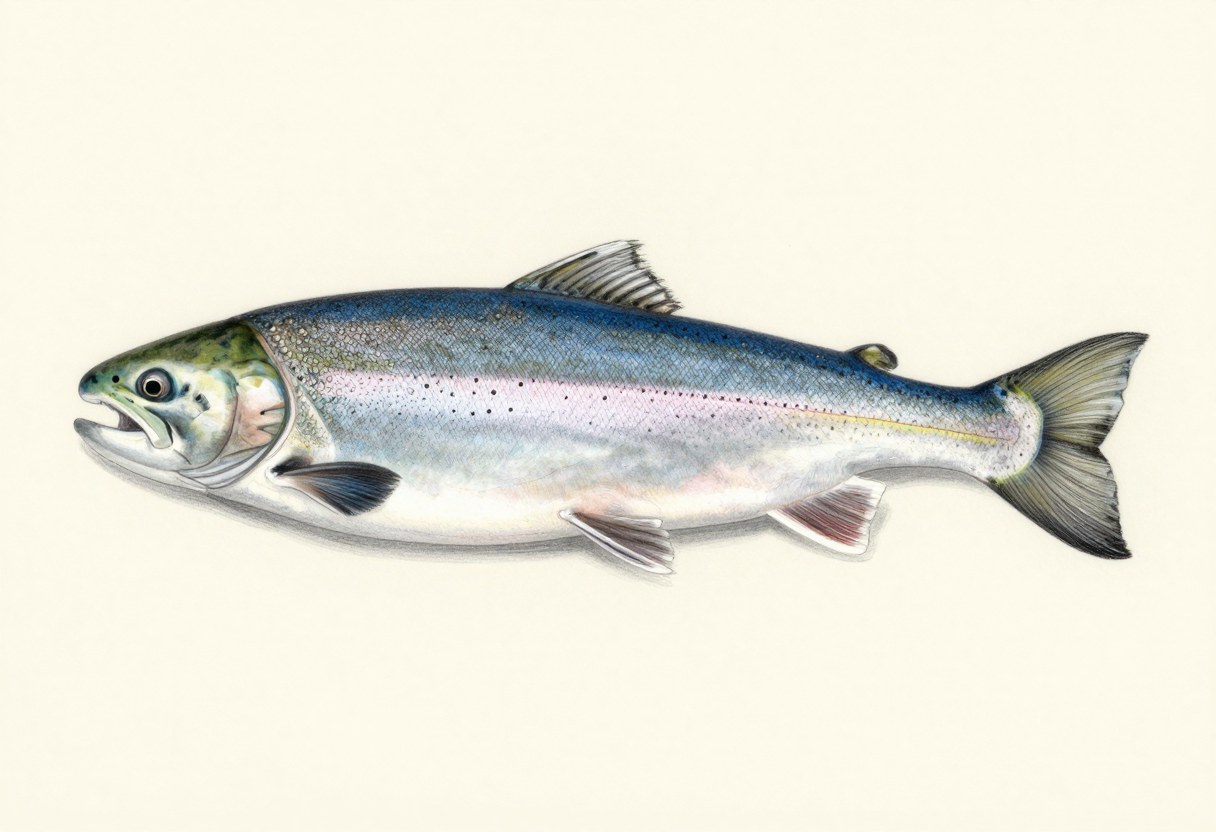 Trout & Salmon
Oncorhynchus kisutch
An acrobatic, bright-silver Pacific salmon that fights hard and is a popular target in rivers, bays, and the Great Lakes.
Typical size: 6 to 12 lb
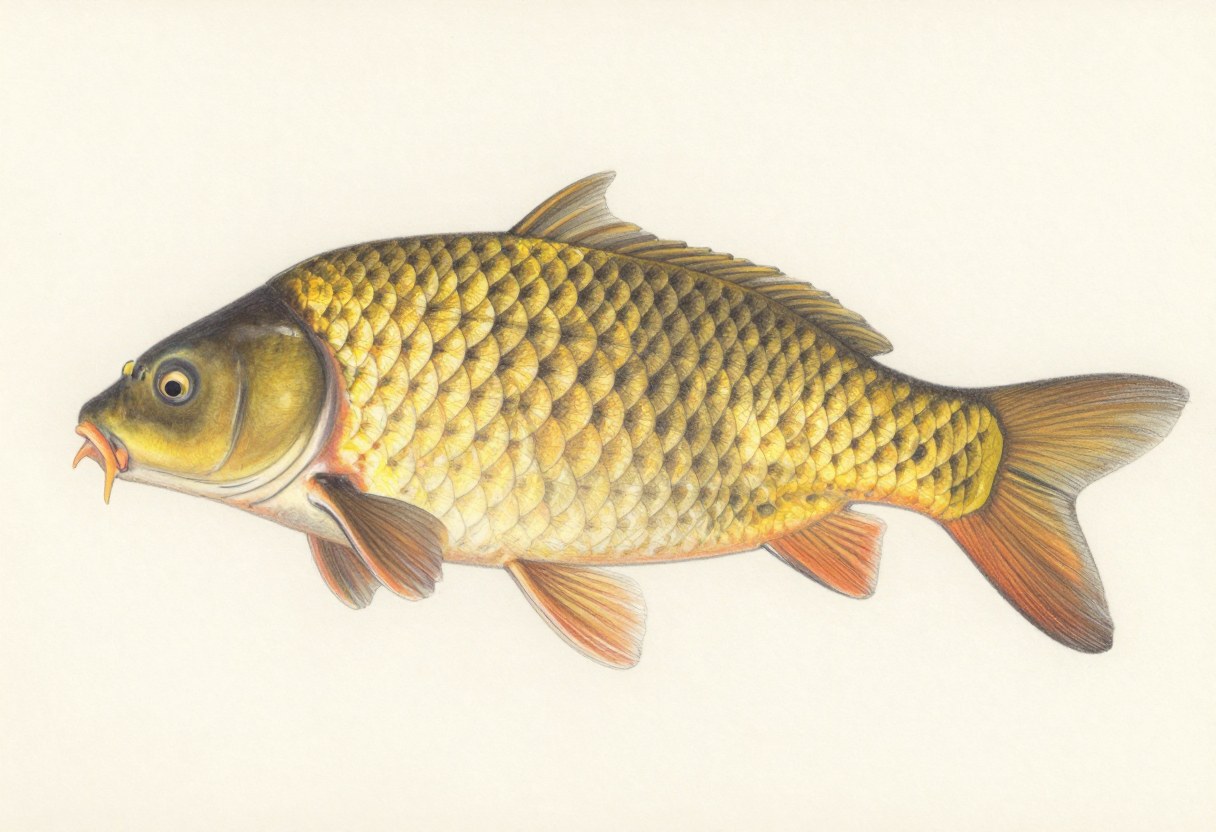 Other
OtherCyprinus carpio
A big, strong, wary fish introduced from Eurasia that fights like a freight train and is a growing target for dedicated anglers.
Typical size: 5 to 15 lb; larger fish are common in many waters
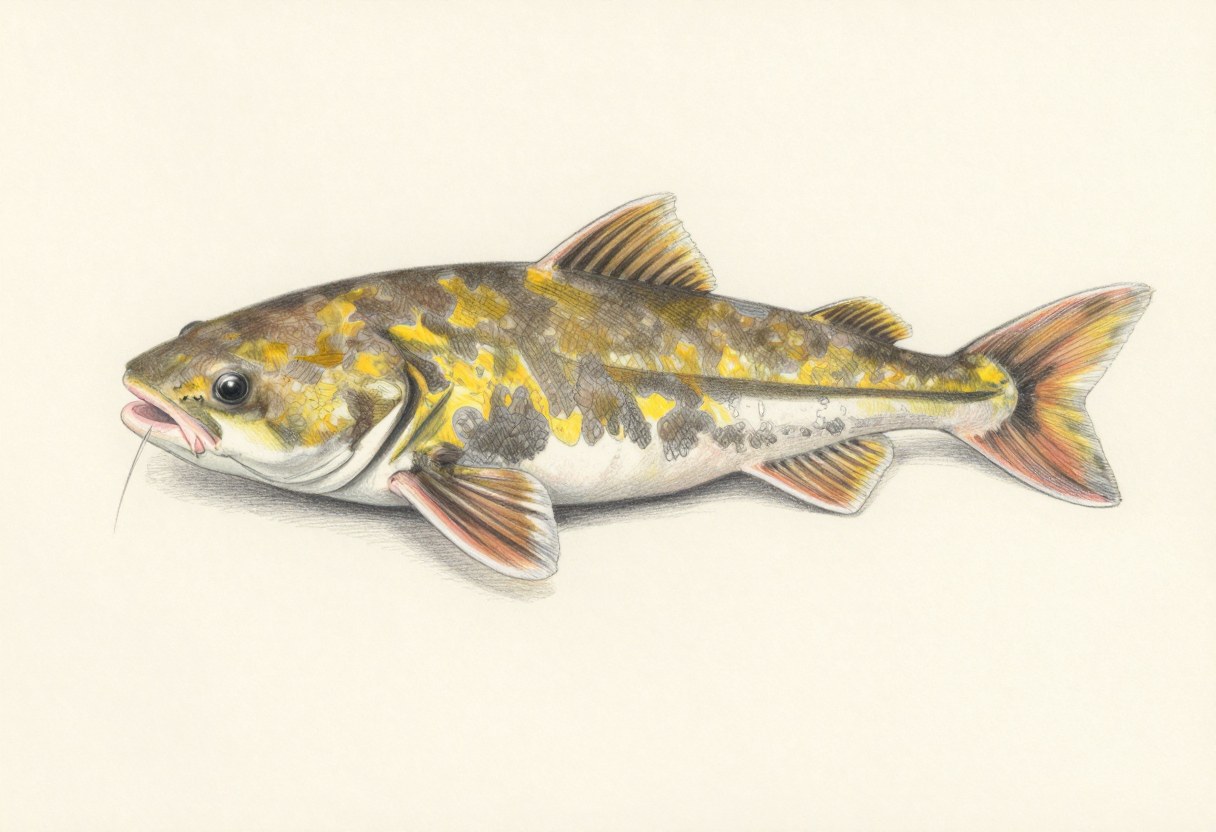 Catfish
Pylodictis olivaris
A solitary ambush predator with a broad, flat head, living around deep wood in big rivers and reservoirs and preferring live fish.
Typical size: 5 to 30 lb; larger fish are possible
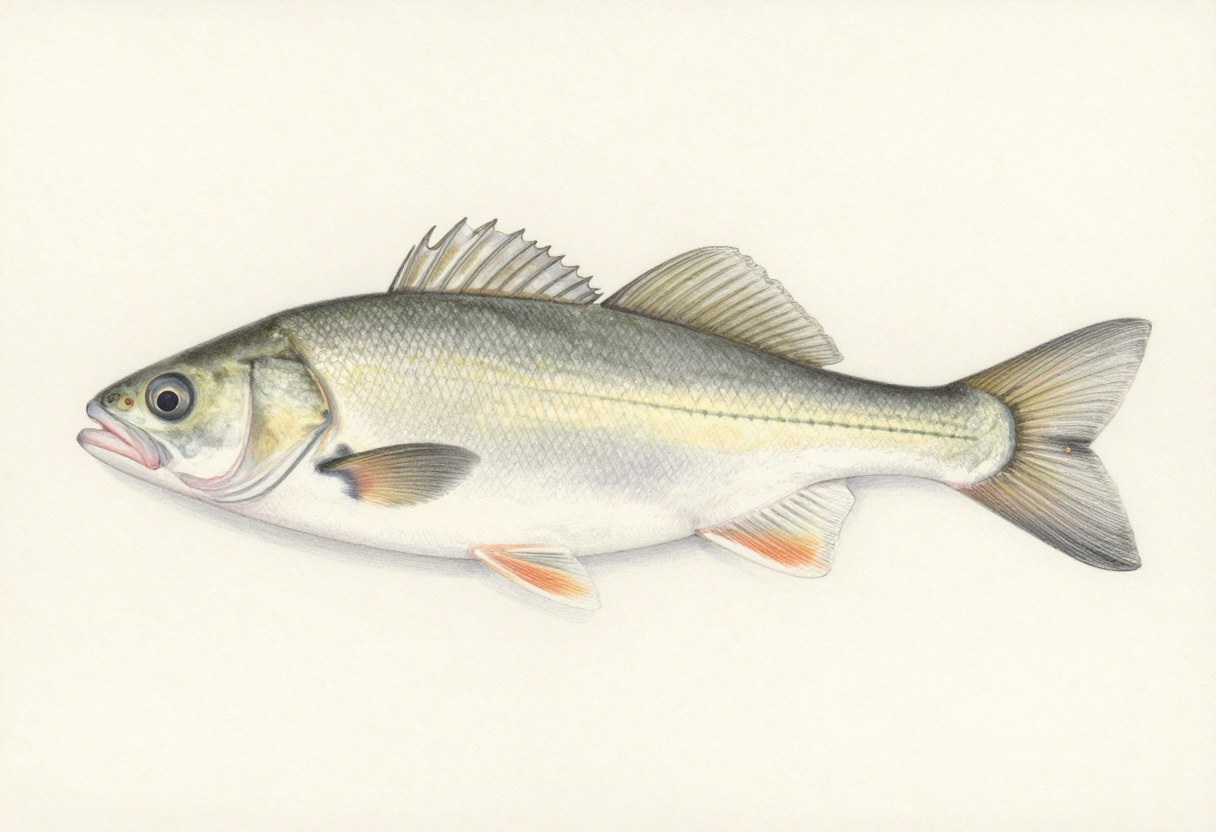 Other
OtherAplodinotus grunniens
A humpbacked, silvery bottom feeder that grunts underwater, abundant in big rivers and lakes and often caught by accident.
Typical size: 1 to 5 lb; larger fish are possible
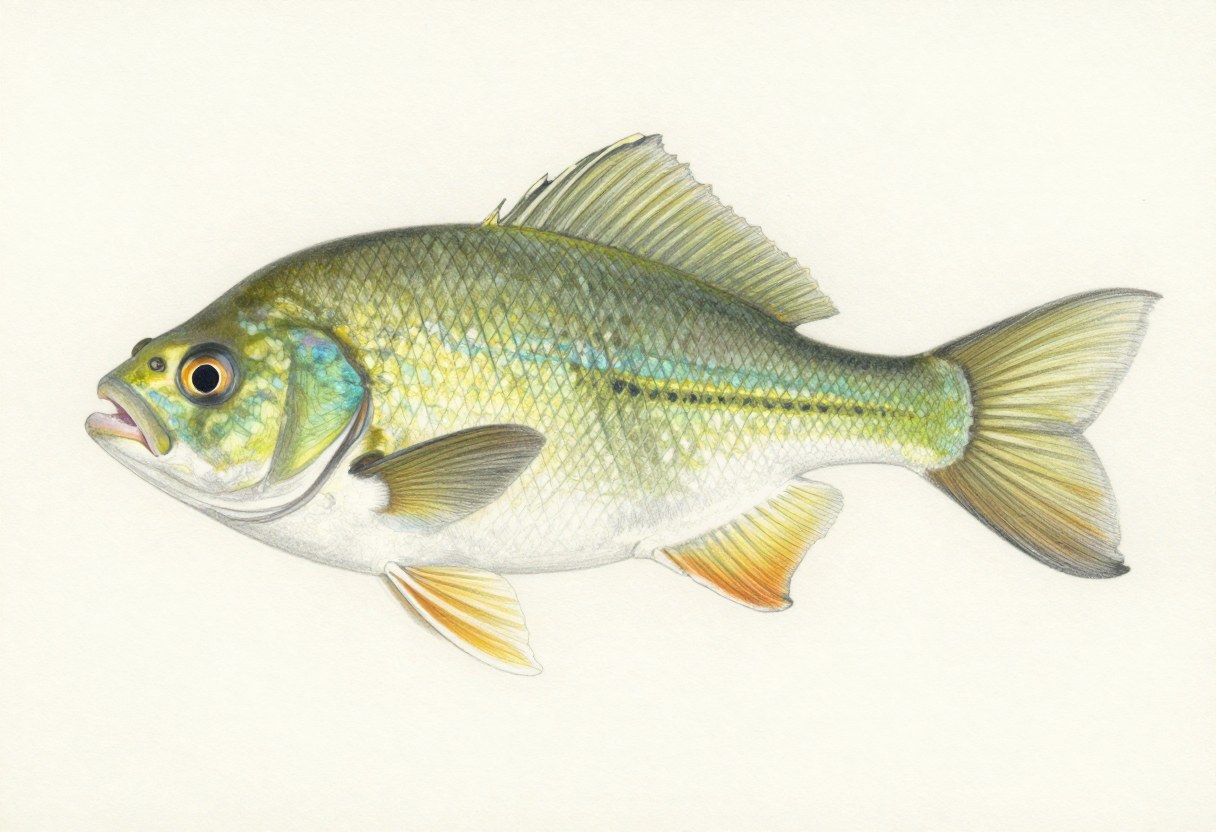 Panfish
Lepomis cyanellus
A hardy, big-mouthed sunfish that thrives in small streams and ponds where other fish struggle, and bites almost anything.
Typical size: 4 to 7 inches
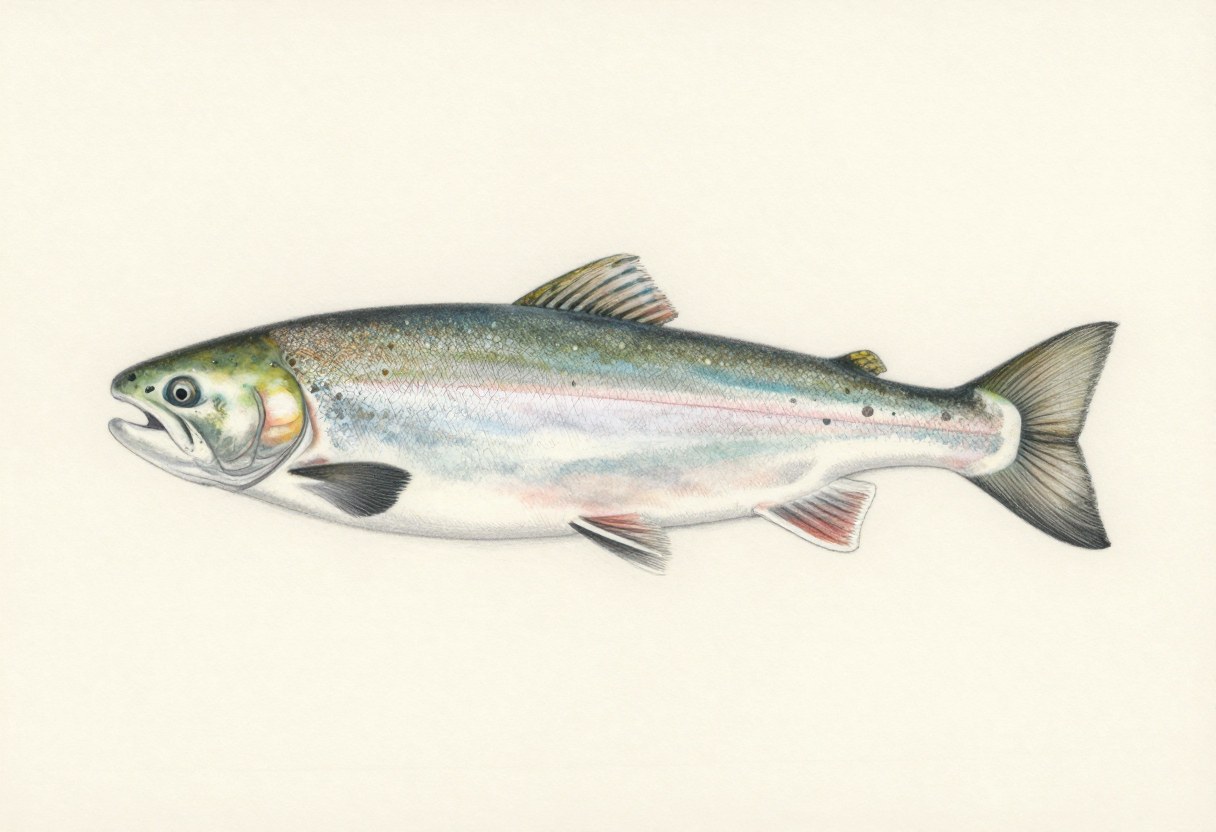 Trout & Salmon
Oncorhynchus nerka
A landlocked sockeye salmon that lives its whole life in lakes, feeds on plankton, and turns bright red at spawning time.
Typical size: 9 to 14 inches
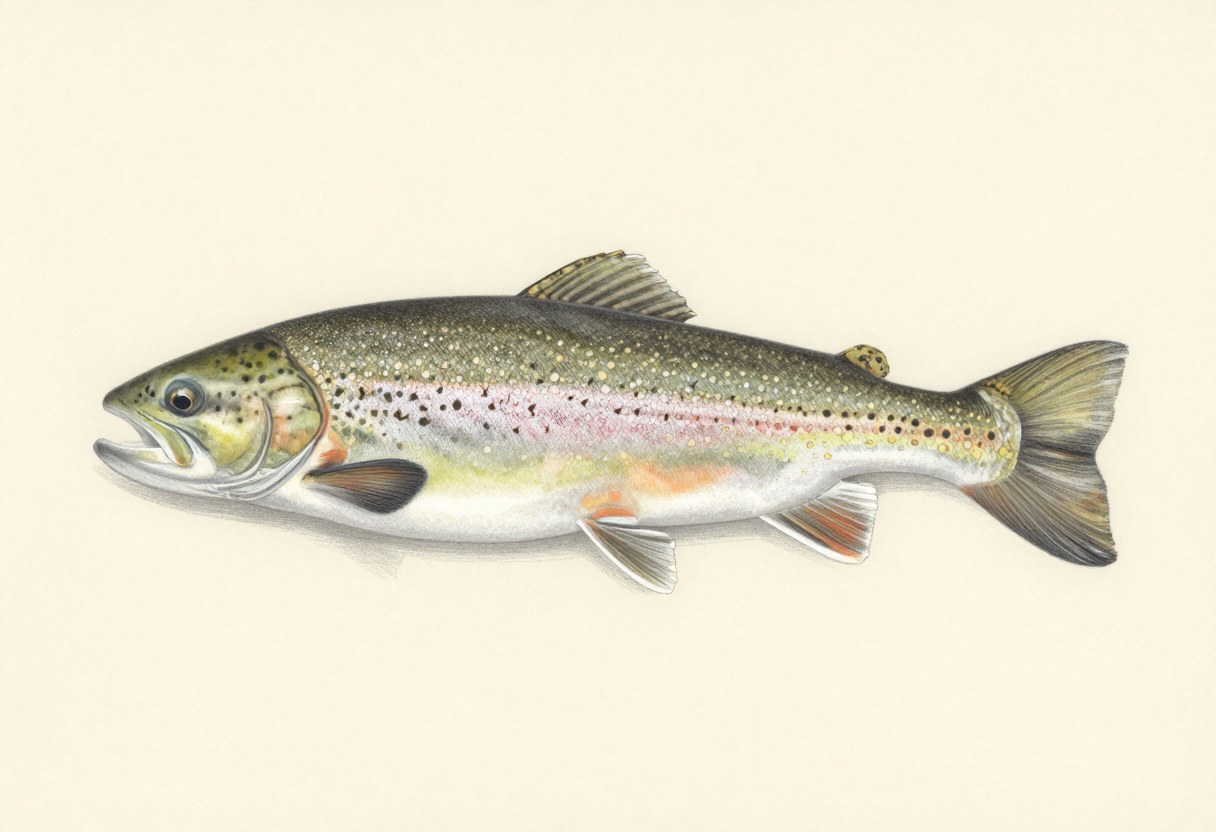 Trout & Salmon
Salvelinus namaycush
A big, slow-growing char of deep, cold northern lakes, usually caught by trolling or jigging well below the surface.
Typical size: 2 to 10 lb; larger fish live in deep northern lakes
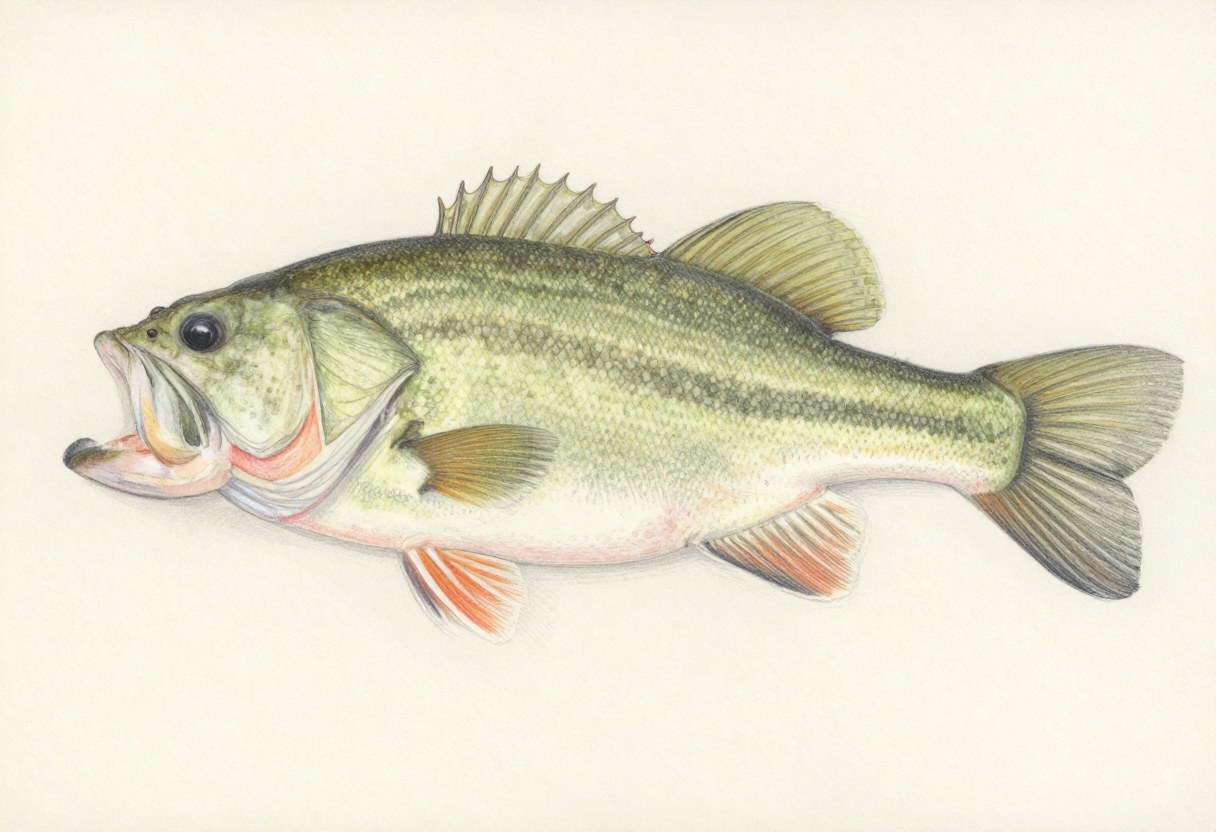 Bass
BassMicropterus salmoides
America's most popular game fish: an ambush predator of weedy lakes and ponds, with a mouth big enough to swallow prey nearly half its own length.
Typical size: 1 to 5 lb; over 8 lb is a trophy in most waters
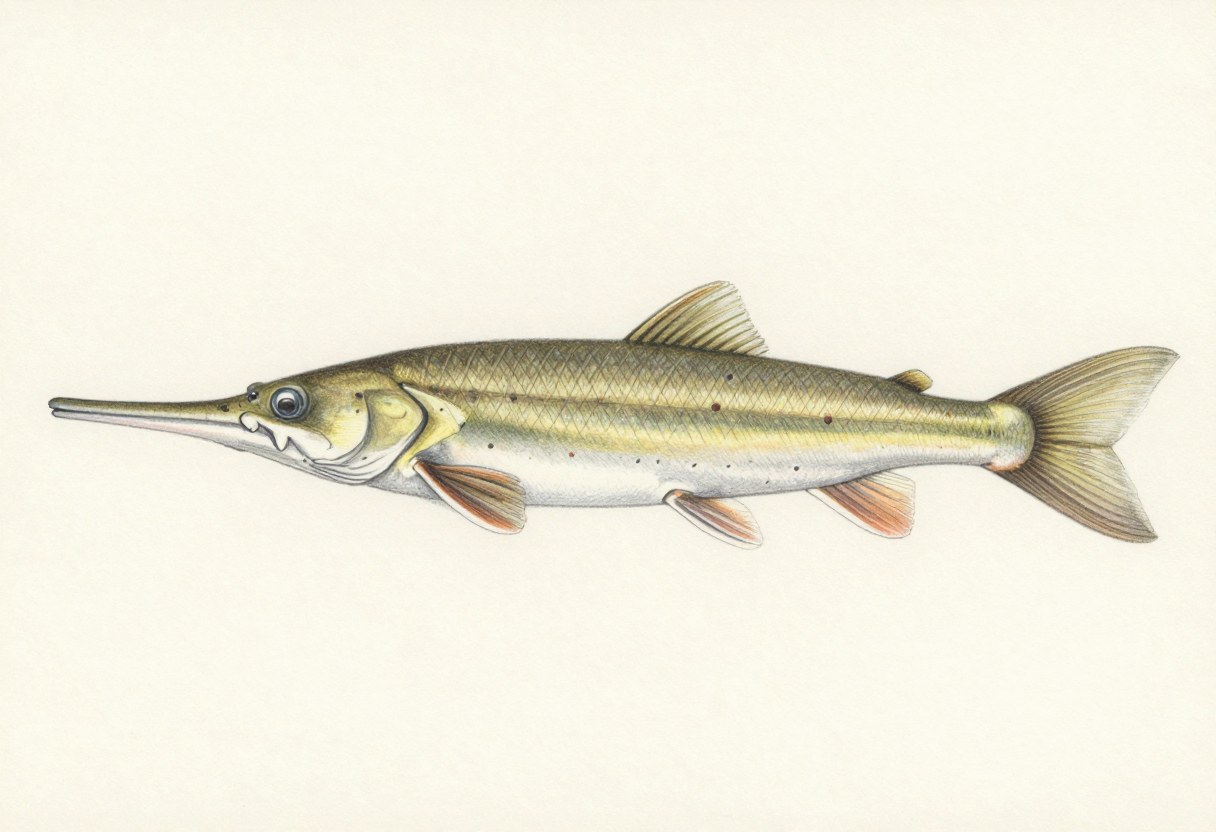 Other
OtherLepisosteus osseus
A primitive, torpedo-shaped fish with a long, toothy snout, an ambush predator of slow rivers and backwaters.
Typical size: 2 to 4 feet
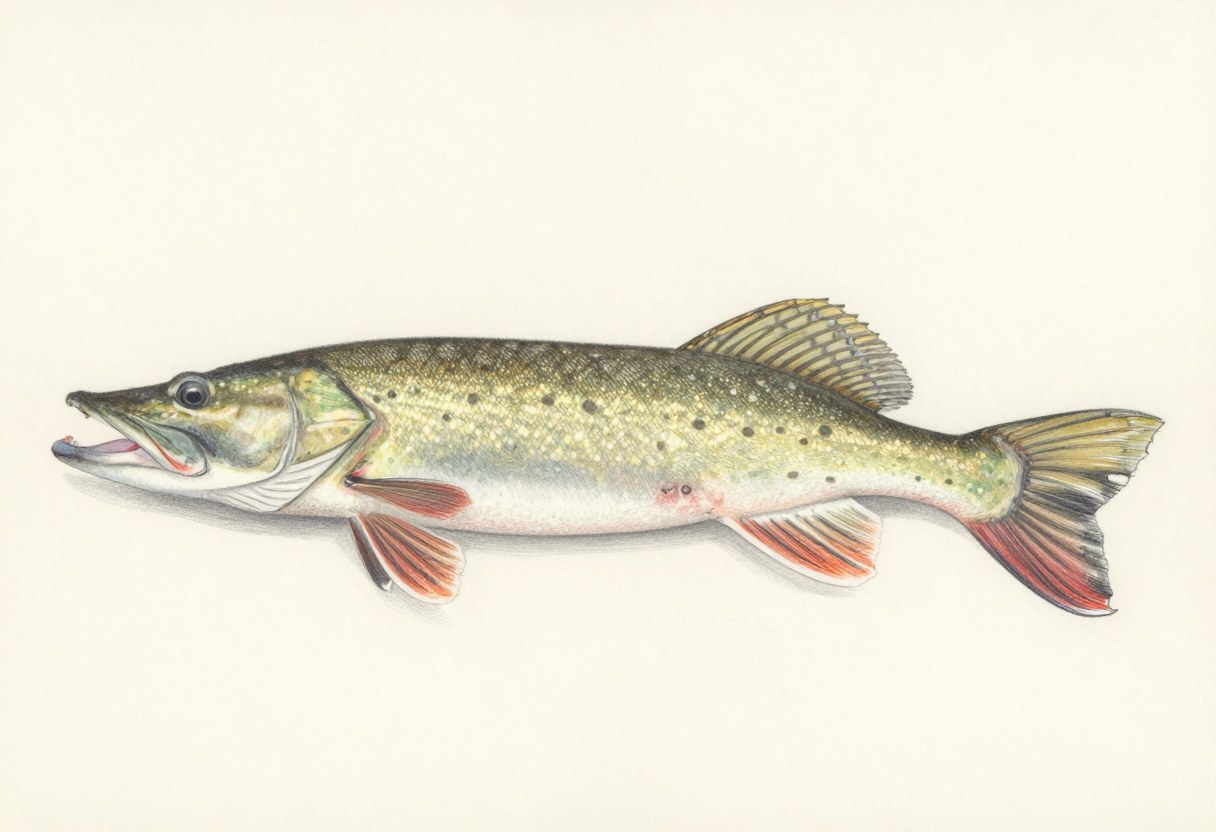 Pike & Walleye
Esox masquinongy
Called the fish of ten thousand casts: a giant, elusive predator of northern lakes and rivers, usually released by dedicated anglers.
Typical size: 30 to 45 inches; larger fish are rare
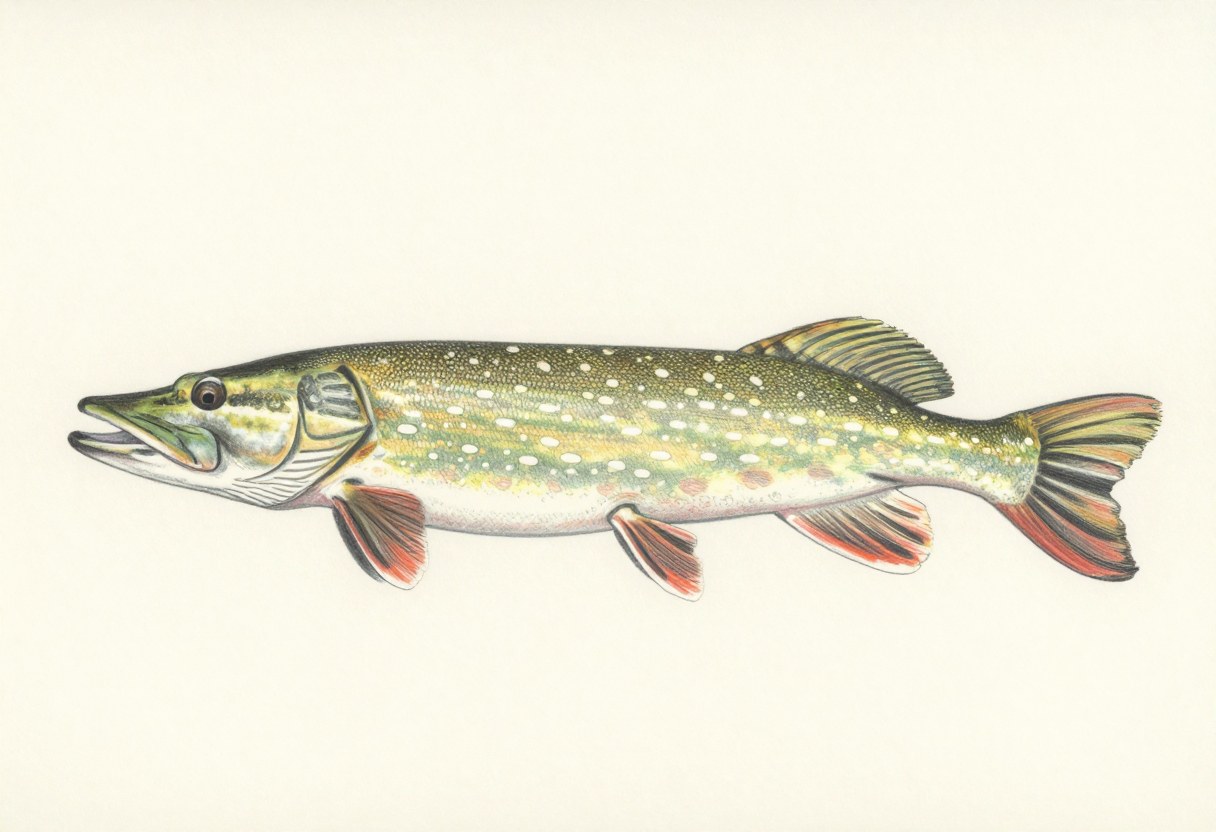 Pike & Walleye
Esox lucius
A long, toothy ambush predator of weedy northern lakes and rivers, known for savage strikes and hard runs.
Typical size: 20 to 30 inches; fish over 40 inches are trophies
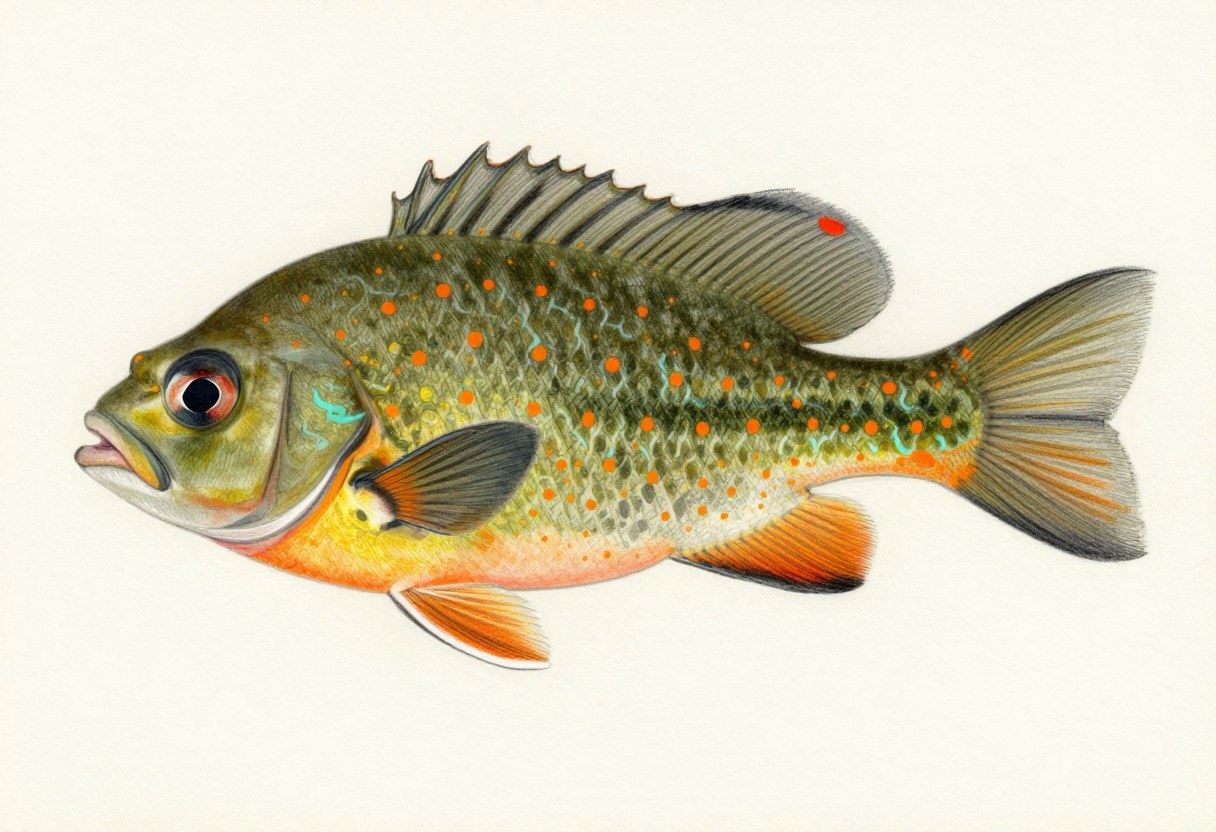 Panfish
Lepomis gibbosus
A small, brilliantly colored sunfish with orange spots and a red-tipped ear flap, common in weedy ponds and lake edges.
Typical size: 4 to 8 inches
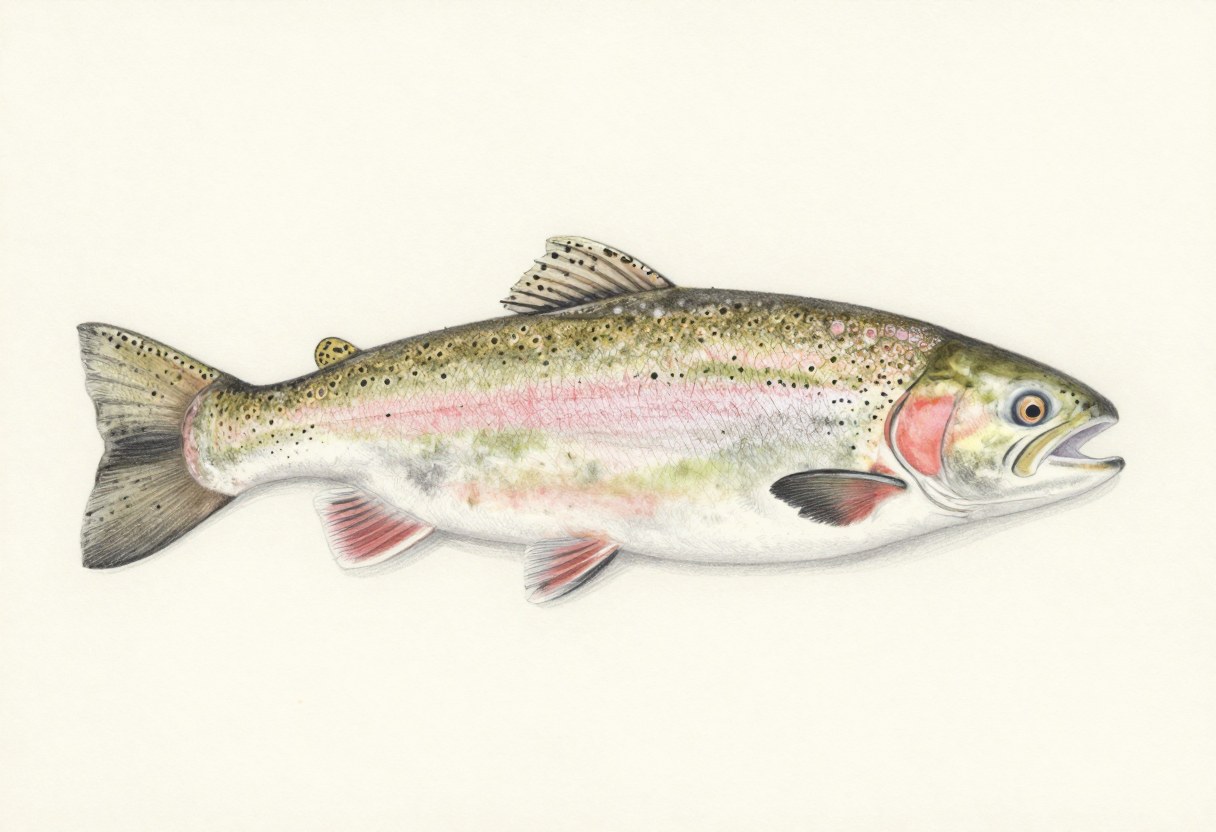 Trout & Salmon
Oncorhynchus mykiss
The most widely stocked trout in North America: a spotted, energetic fighter of cold, clear streams and lakes.
Typical size: 8 to 16 inches for stocked fish; wild fish and steelhead can run much larger
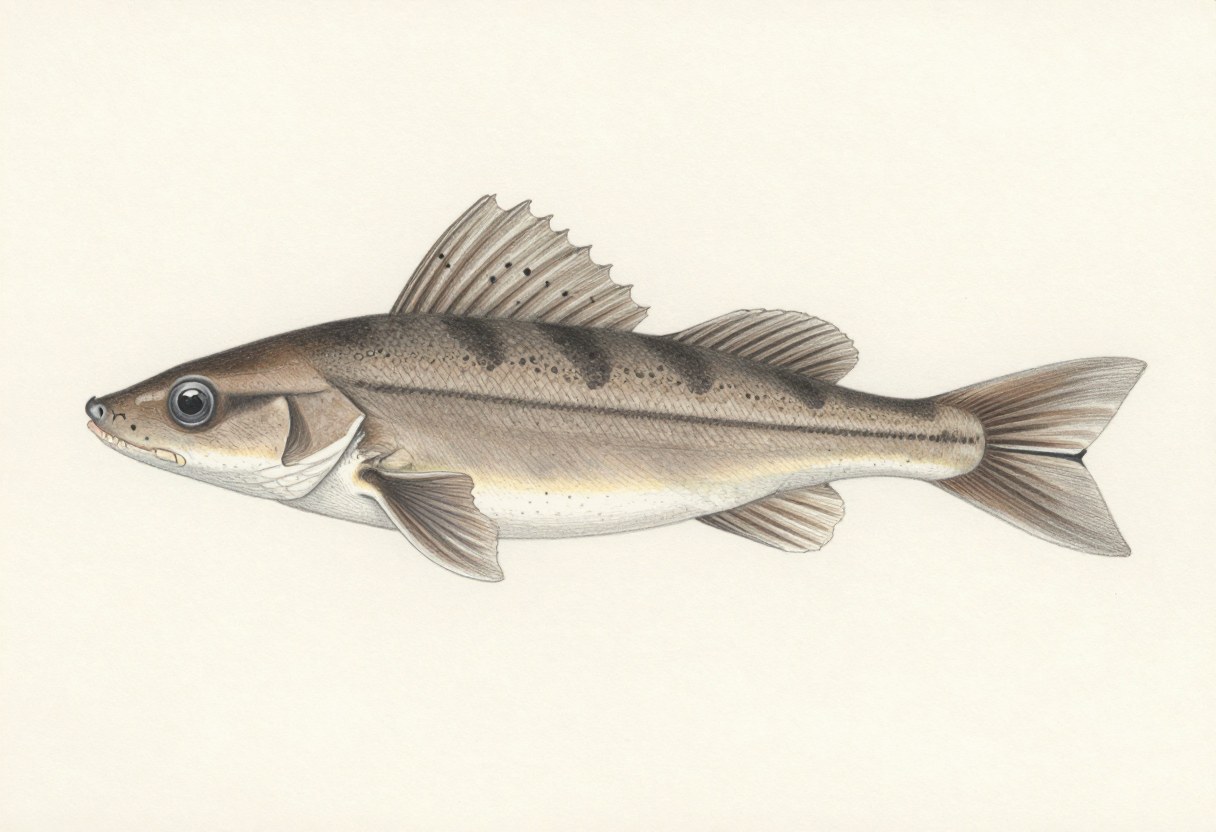 Pike & Walleye
Sander canadensis
A slimmer, gray-brown cousin of the walleye that favors big, muddy rivers and the tailwaters below dams.
Typical size: 12 to 18 inches
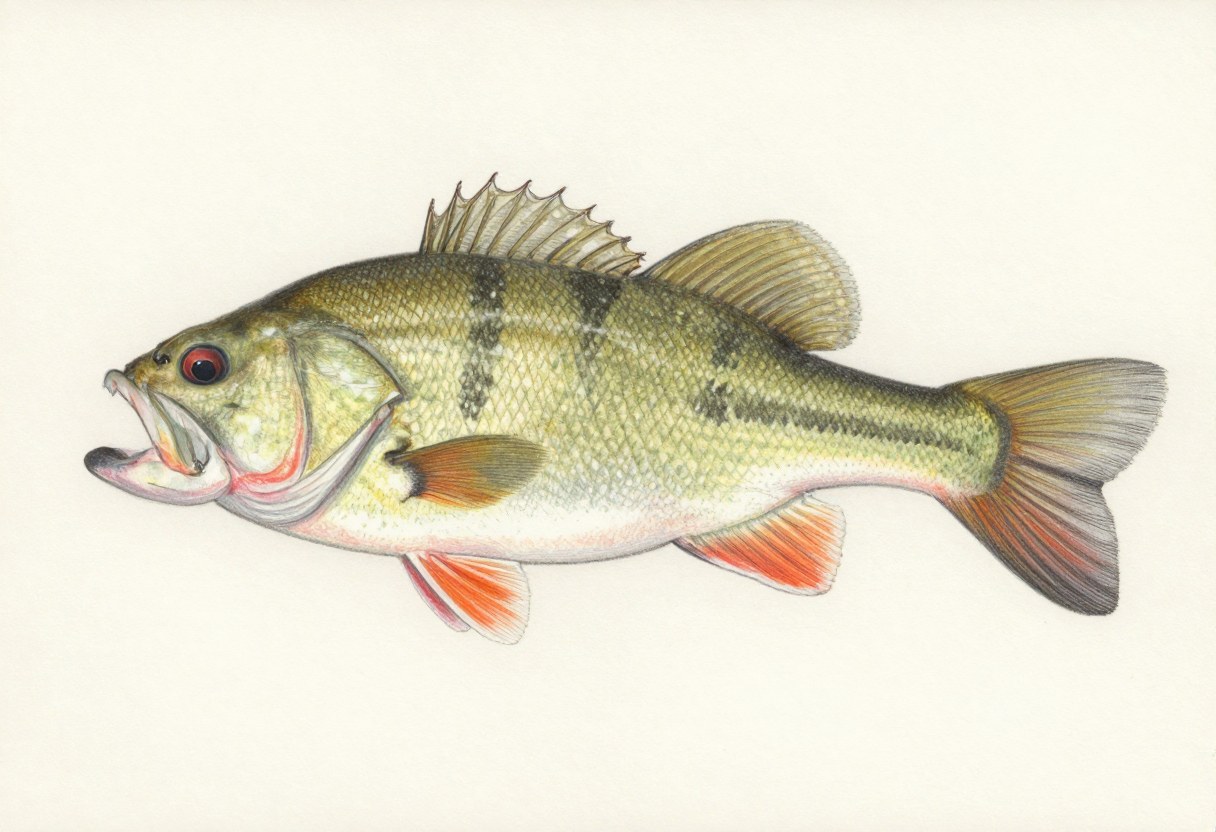 Bass
BassMicropterus dolomieu
A bronze, hard-fighting bass of clear, rocky lakes and cool rivers, famous for pound-for-pound strength and acrobatic leaps.
Typical size: 1 to 3 lb; over 5 lb is a trophy
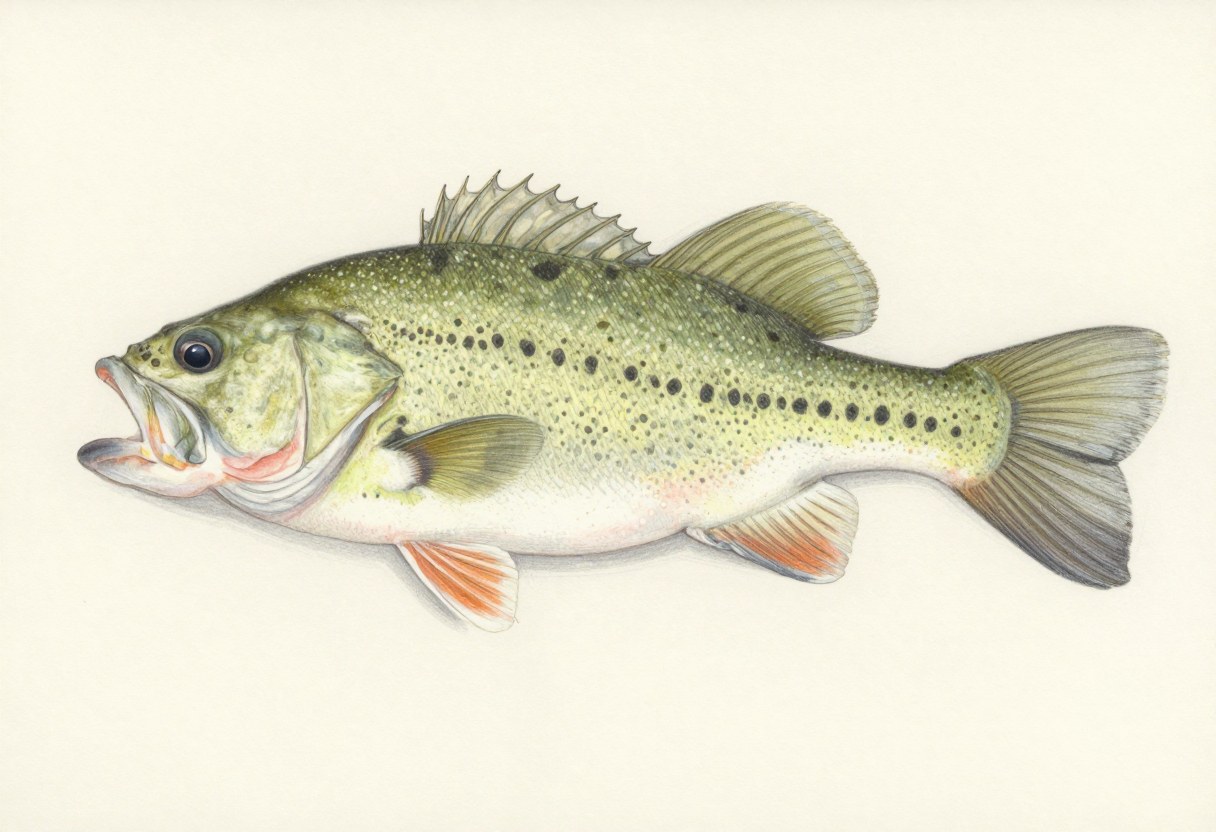 Bass
BassMicropterus punctulatus
The middle sibling of the black basses: a scrappy fish of rocky reservoirs and clear streams, often mistaken for a small largemouth.
Typical size: 1 to 2 lb; over 4 lb is a large fish
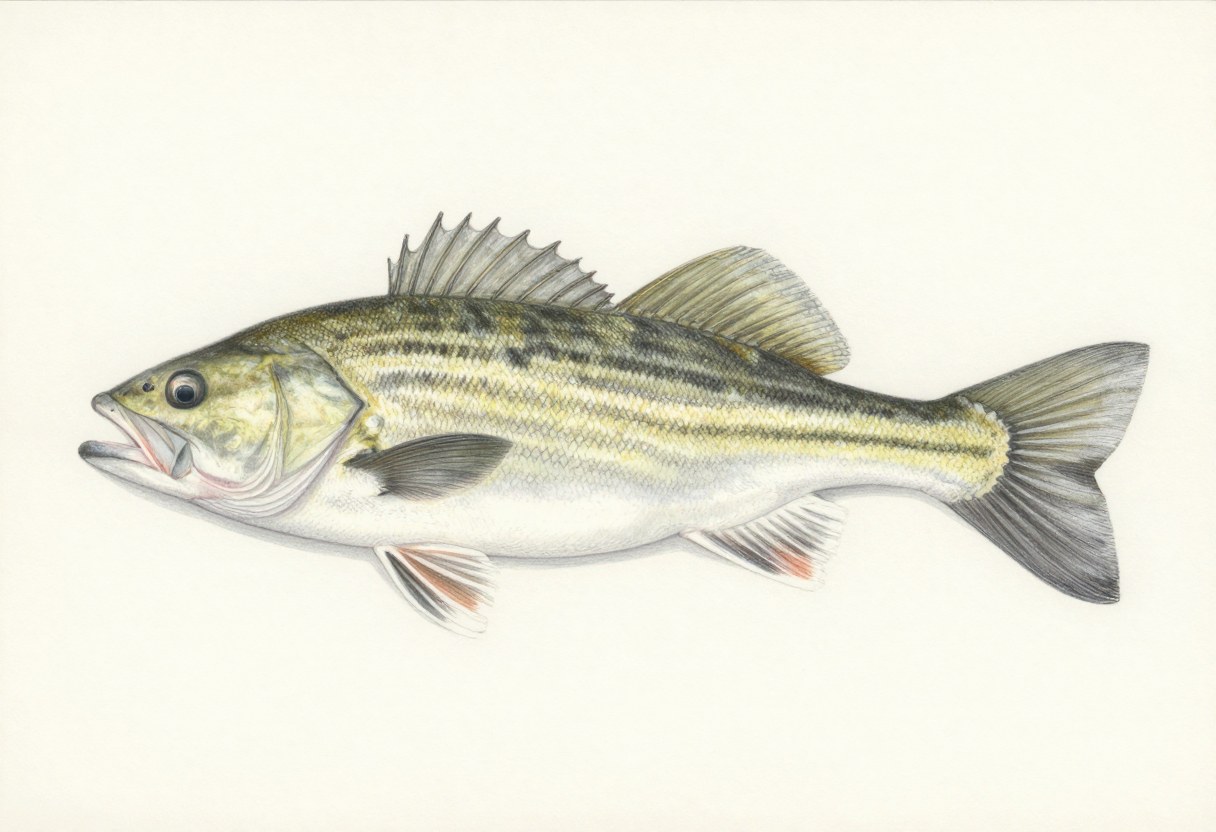 Bass
BassMorone saxatilis
A large, powerful, striped predator that lives in the ocean, in bays and rivers, and in landlocked reservoirs where it has been stocked.
Typical size: 5 to 20 lb in freshwater reservoirs; larger fish are possible
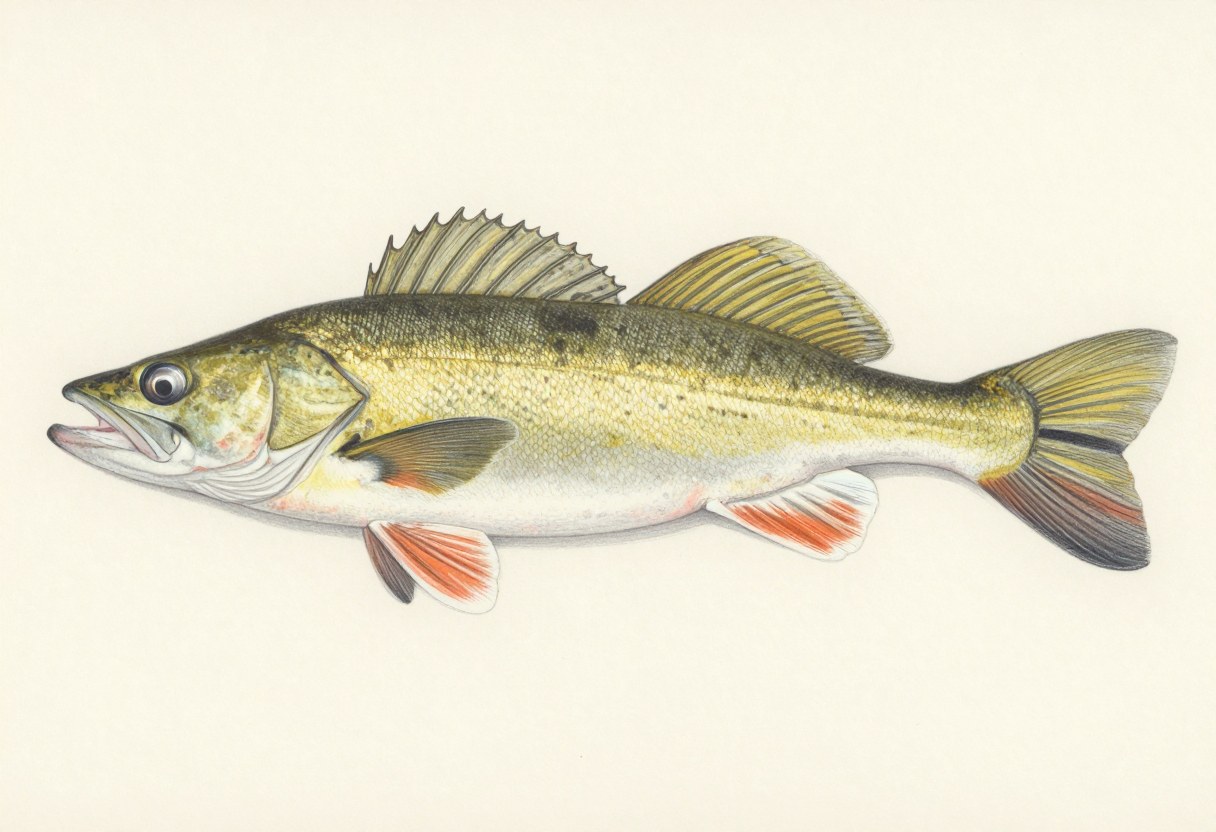 Pike & Walleye
Sander vitreus
A low-light predator with big, glassy eyes and some of the best-tasting fillets in freshwater, popular from the Great Lakes to the Plains.
Typical size: 14 to 22 inches, 1 to 4 lb
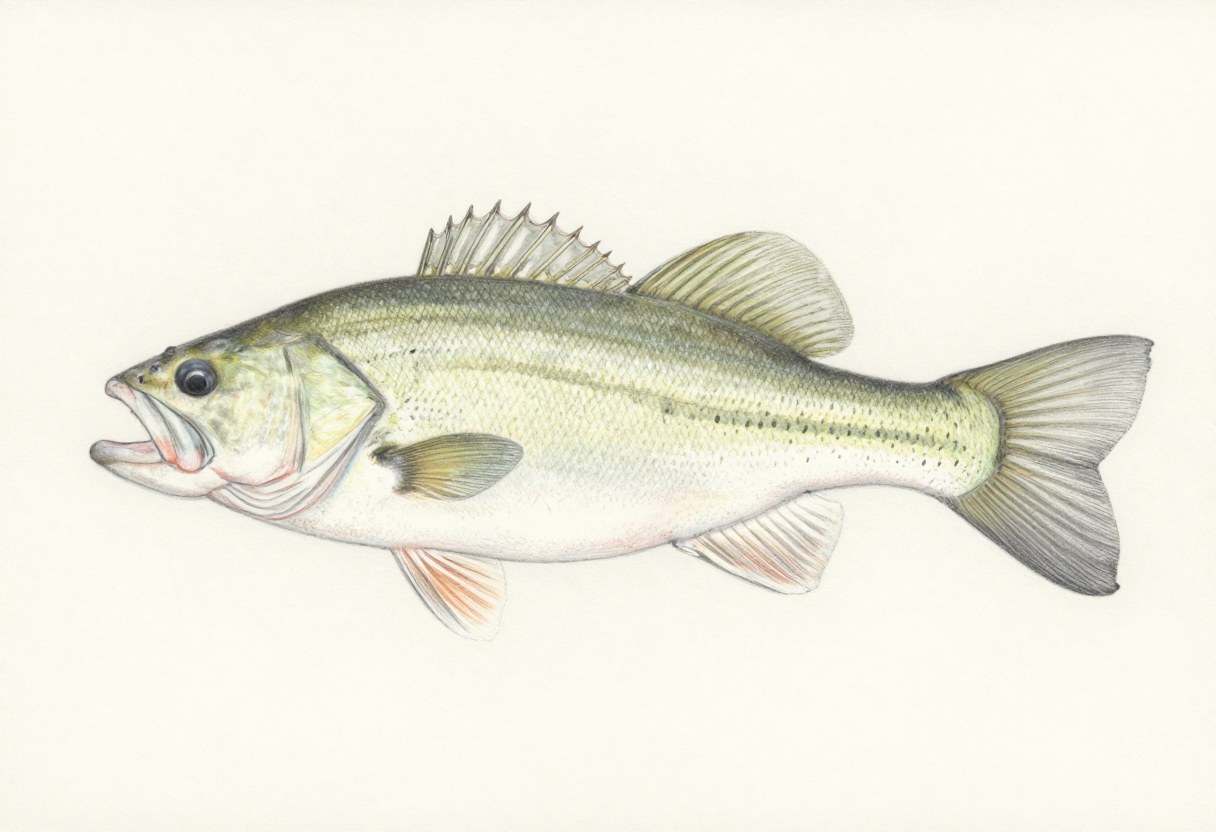 Bass
BassMorone chrysops
A silvery, schooling fish that makes spring spawning runs up rivers and chases baitfish to the surface in summer, often providing nonstop action.
Typical size: 10 to 15 inches, about 1 to 2 lb
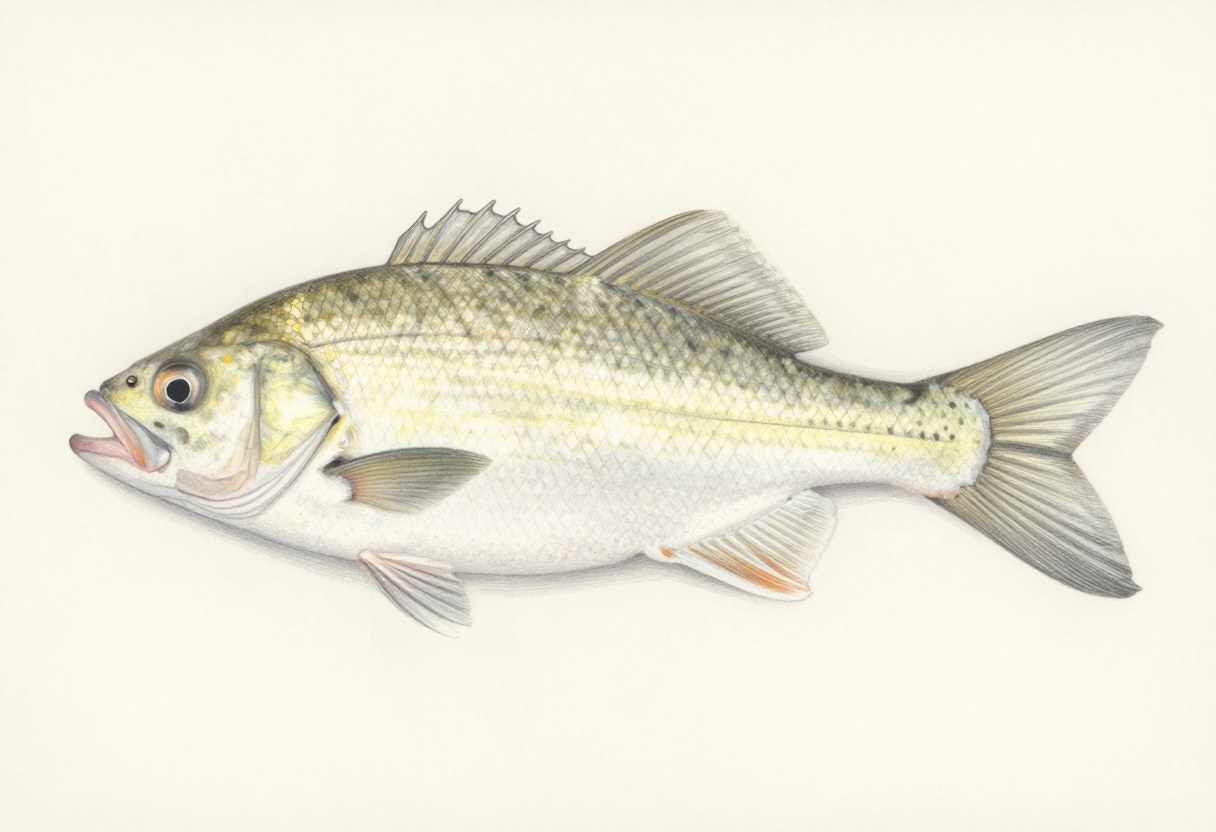 Panfish
Pomoxis annularis
A pale, barred crappie that tolerates muddy water better than its black cousin and fills many southern and midwestern reservoirs.
Typical size: 8 to 12 inches
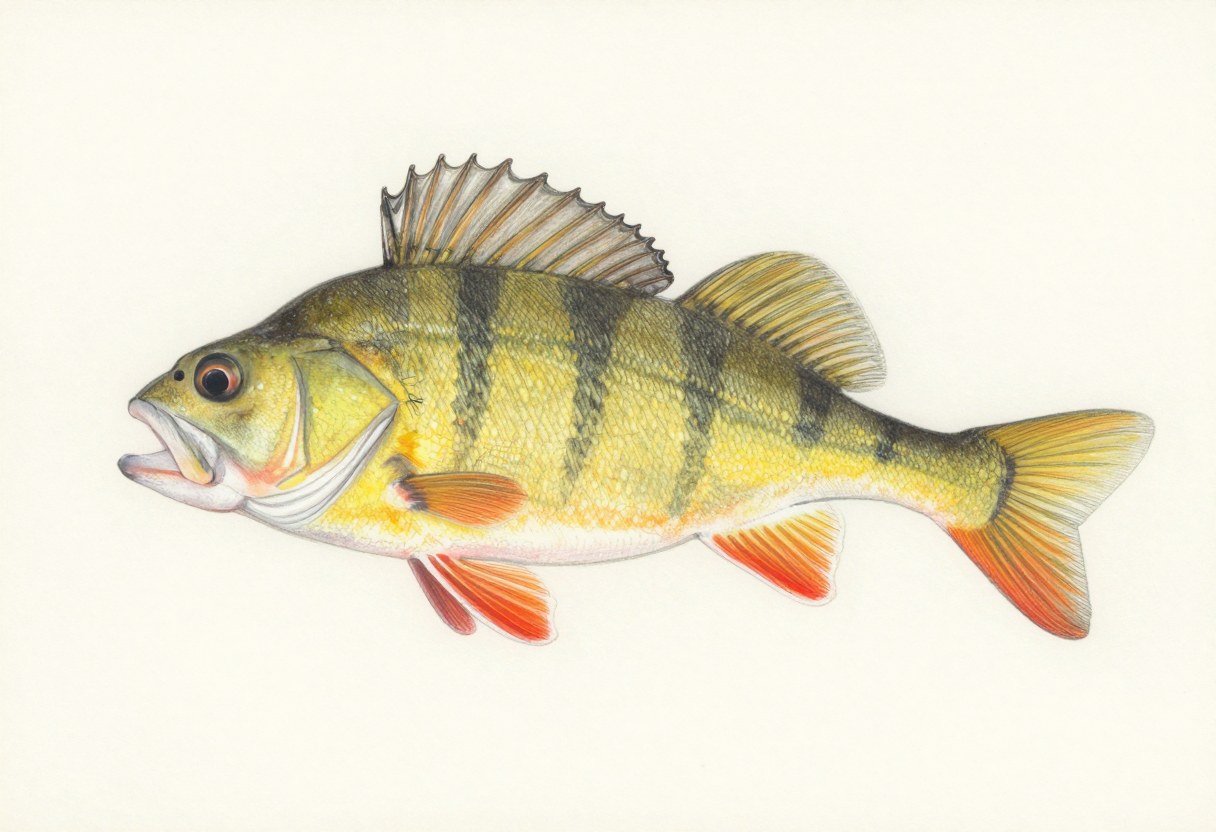 Panfish
Perca flavescens
A golden, barred schooling fish of cool lakes and slow rivers, a favorite through the ice and one of the best-tasting freshwater fish.
Typical size: 6 to 12 inches