
Field Guide / Sky Events
Meteor showers, moon phases, the visible planets, eclipses, and other things worth looking up for. Search by name or month, or filter by type, season, and the gear you need.
Dates here are approximate and repeat from year to year. Exact peak times, moon phases, and planet positions change every year, so confirm them in a current source (for example NASA, the American Meteor Society, or a stargazing app) before you plan a night out. Never look at the Sun without proper solar filters.
31 sky events
 Meteor Showers
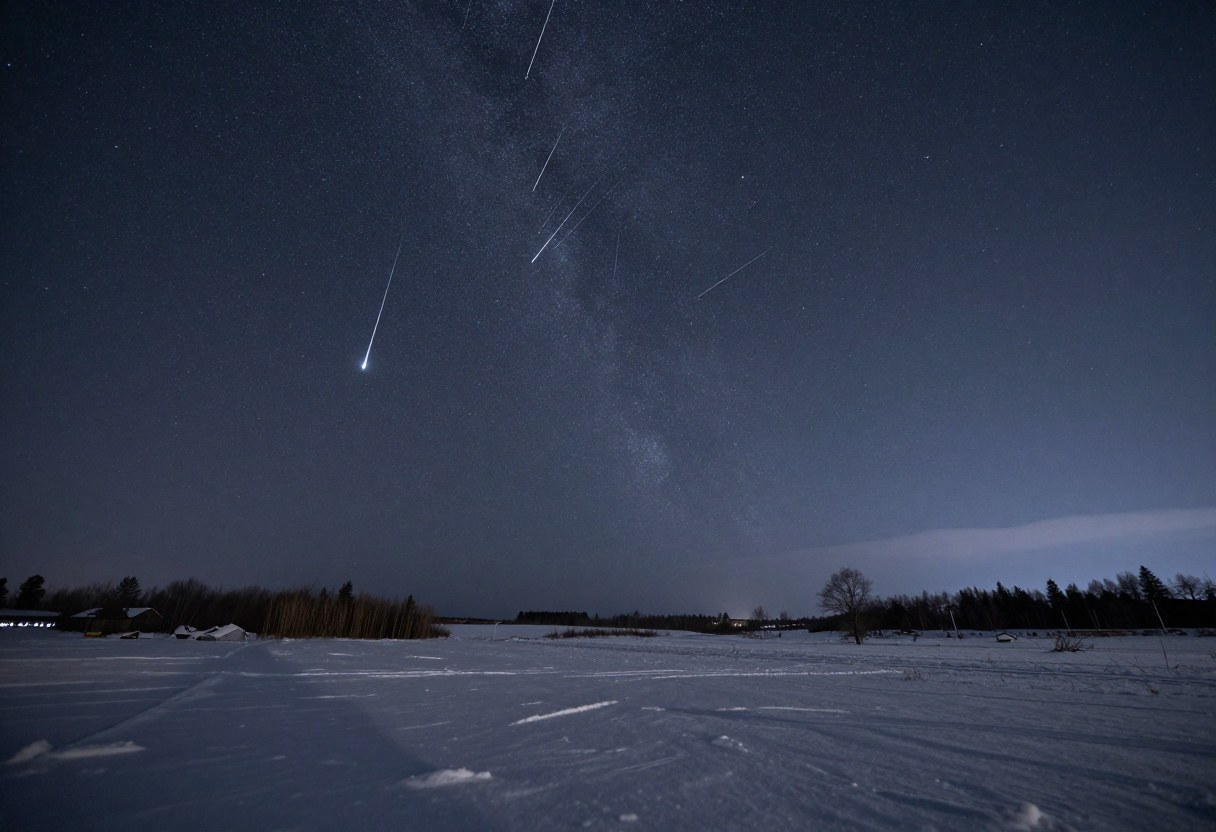
A strong but brief shower in early January, with a narrow peak of only a few hours, best seen after midnight from the northern states.
When: Peak around January 3–4; active in the first days of January
 Meteor Showers
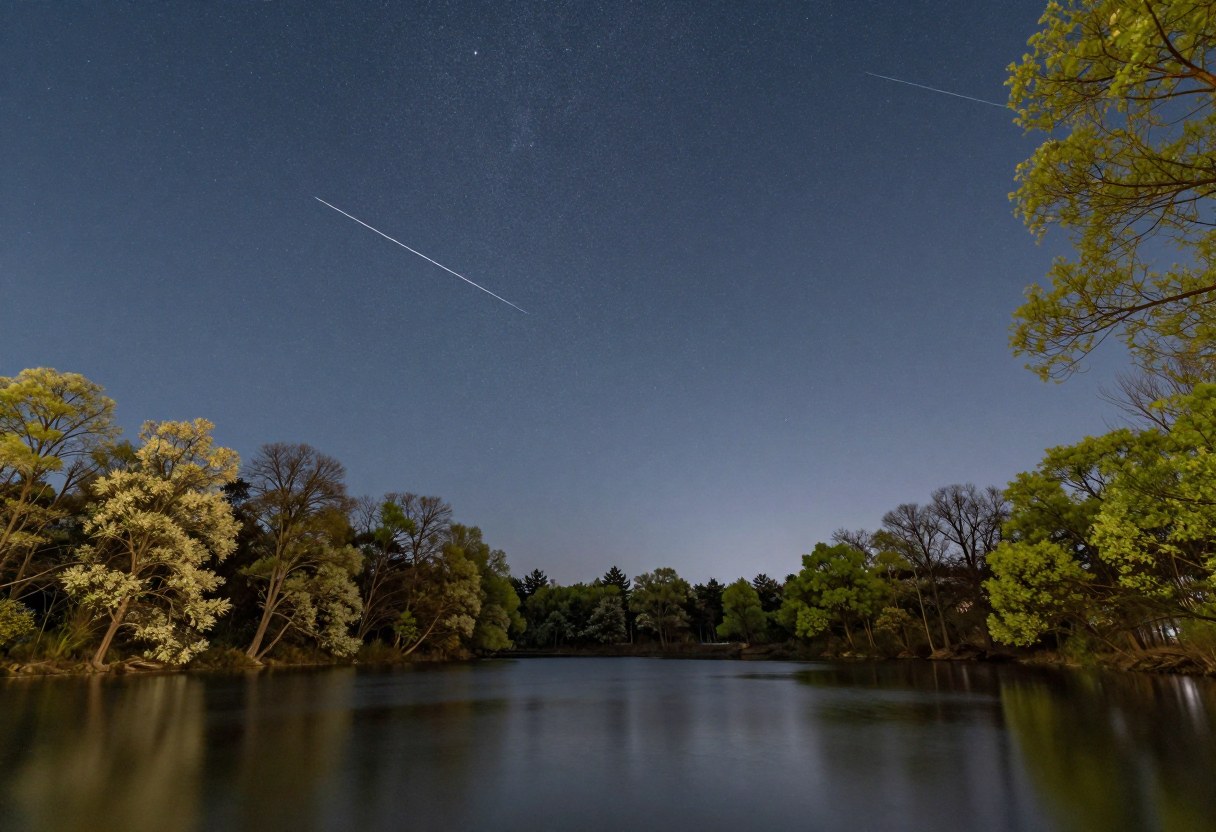
A modest spring shower with fast meteors and occasional bright fireballs, best in the hours before dawn.
When: Peak around April 22; active from about April 16 to 25
 Meteor Showers
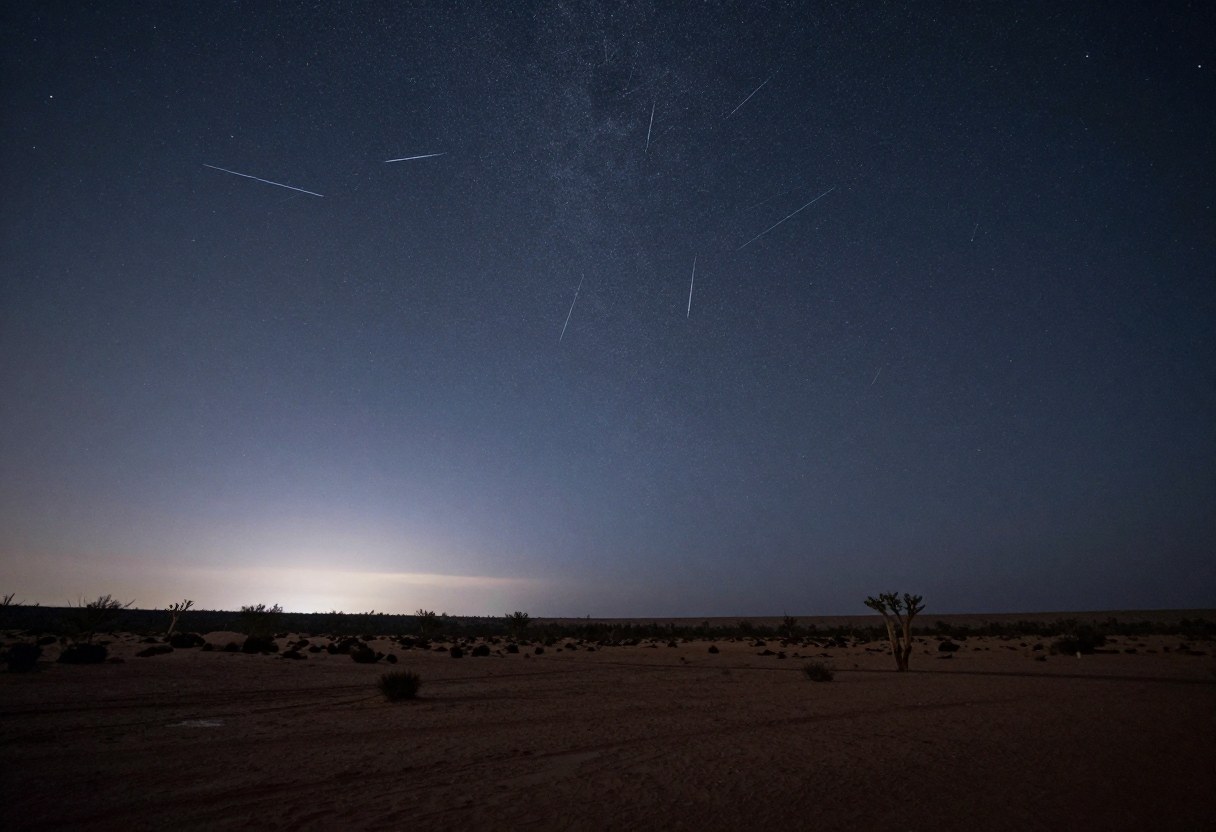
A pre-dawn shower in early May made of dust from Halley's Comet. It is better from the southern states than from the far north.
When: Peak around May 5–6; active from late April to late May
 Meteor Showers
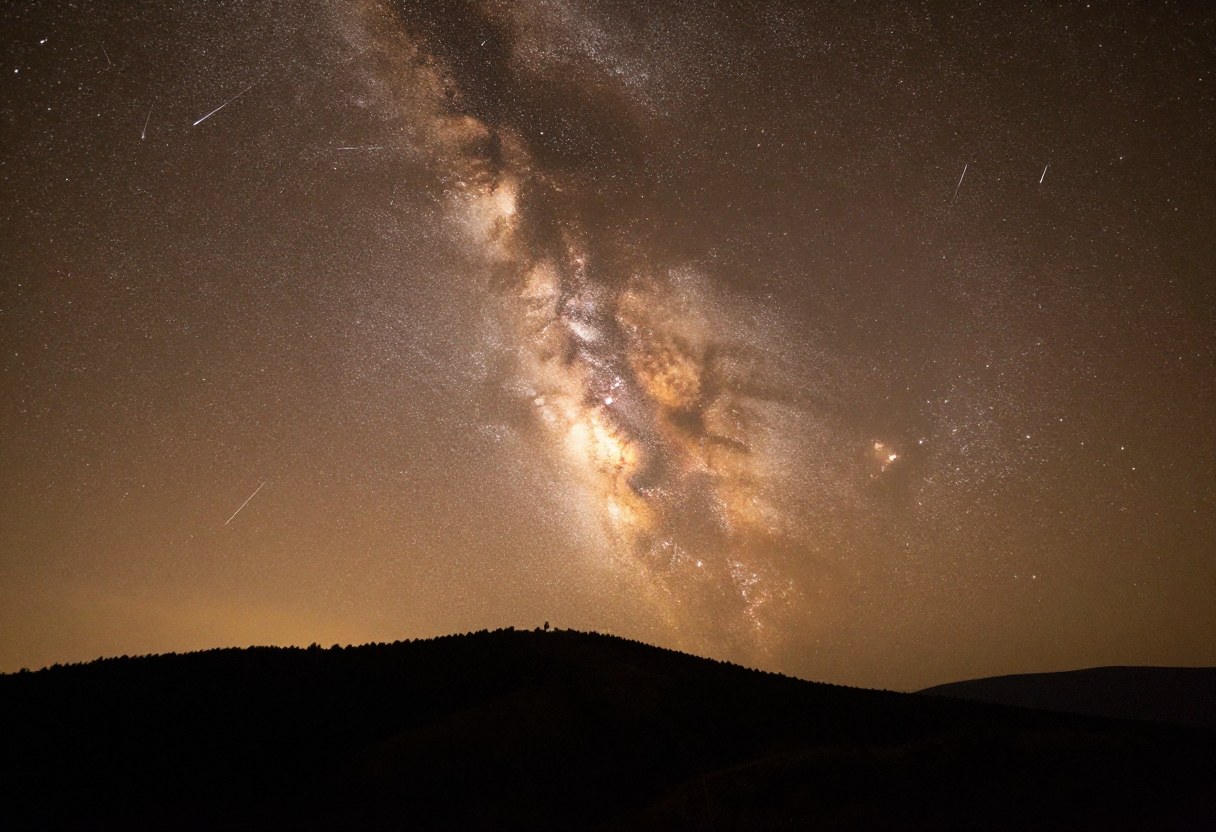
A long-lasting summer shower with faint meteors that overlaps the early Perseids, best in a dark sky after midnight.
When: Peak around July 30; active from mid-July to late August
 Meteor Showers
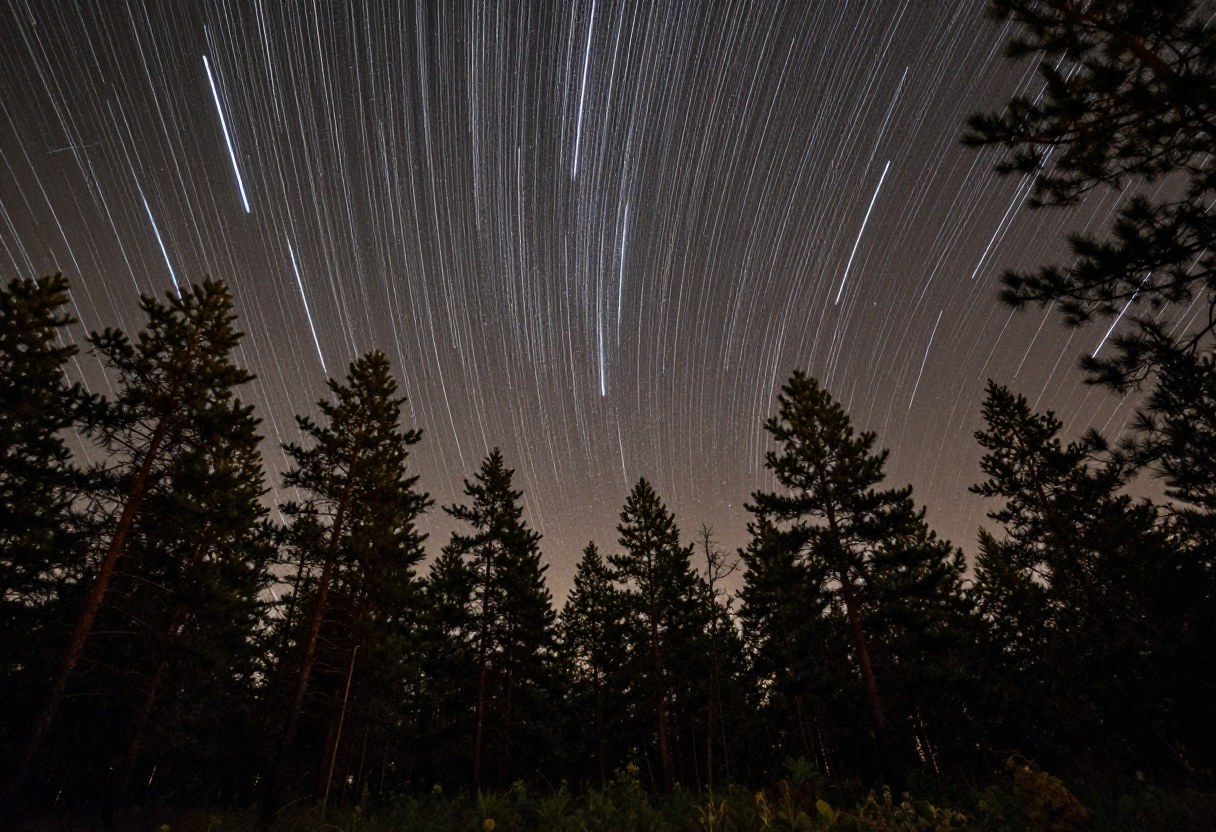
The most popular meteor shower of the year, with warm nights, plentiful meteors, and many bright fireballs.
When: Peak around August 12–13; active from mid-July to late August
 Meteor Showers
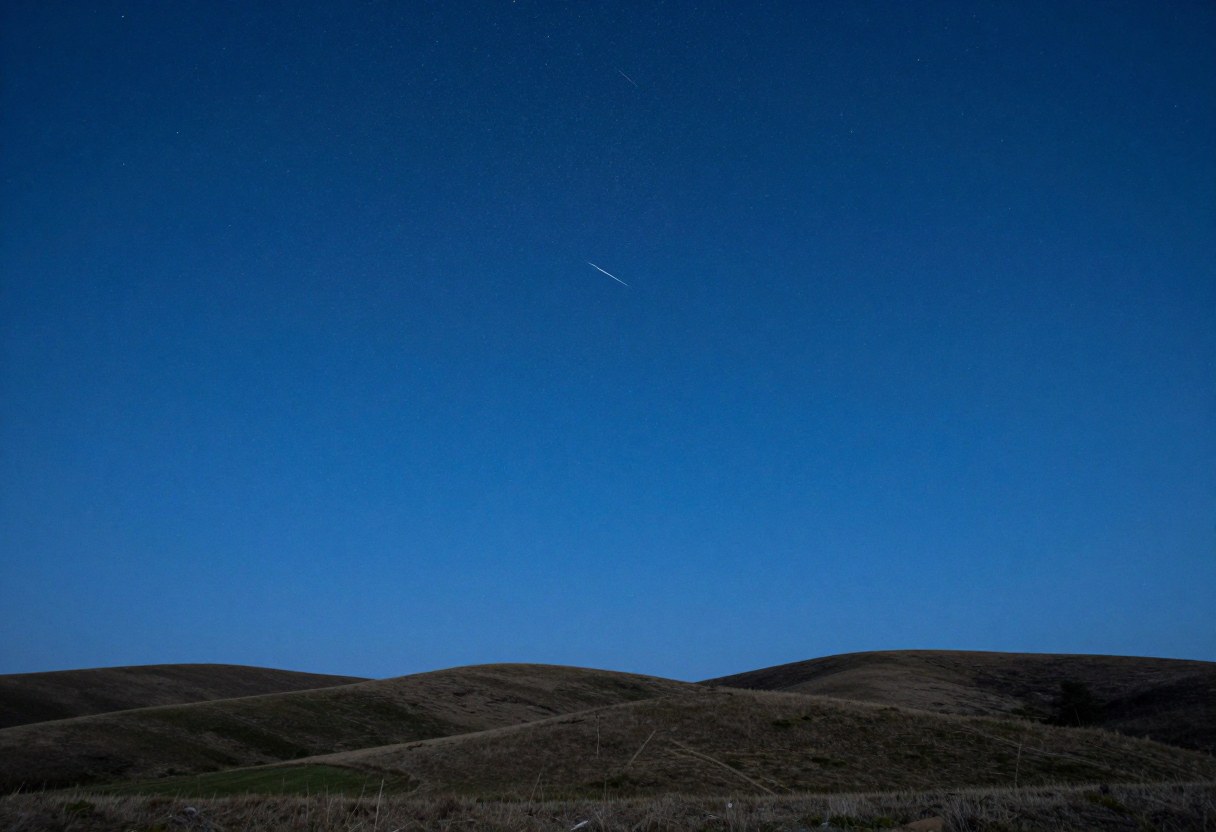
Usually a weak shower in early October that can erupt into a spectacular outburst, and unlike most showers, it is best in the evening.
When: Peak around October 8–9; best in the early evening
 Meteor Showers
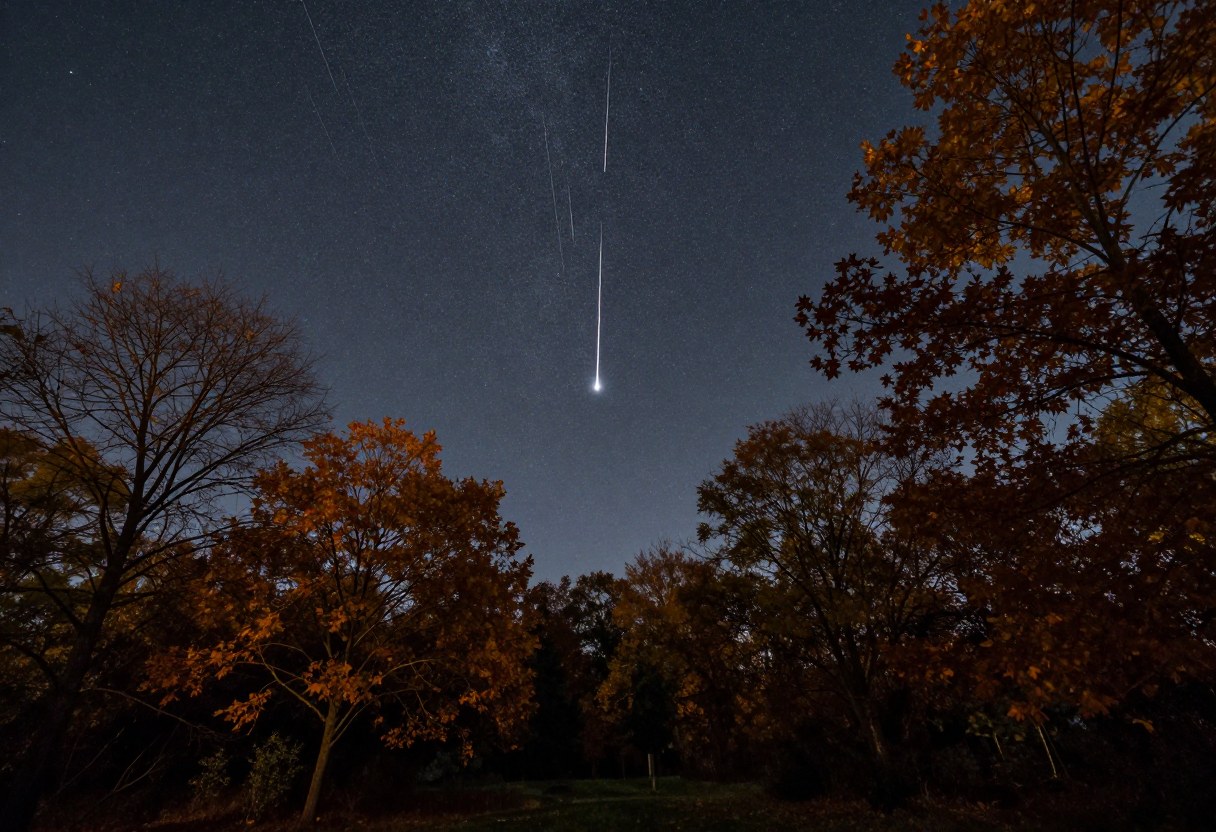
A long, gentle shower of very fast meteors that come from dust left by Halley's Comet, best after midnight in late October.
When: Peak around October 21–22; active from early October to early November
 Meteor Showers
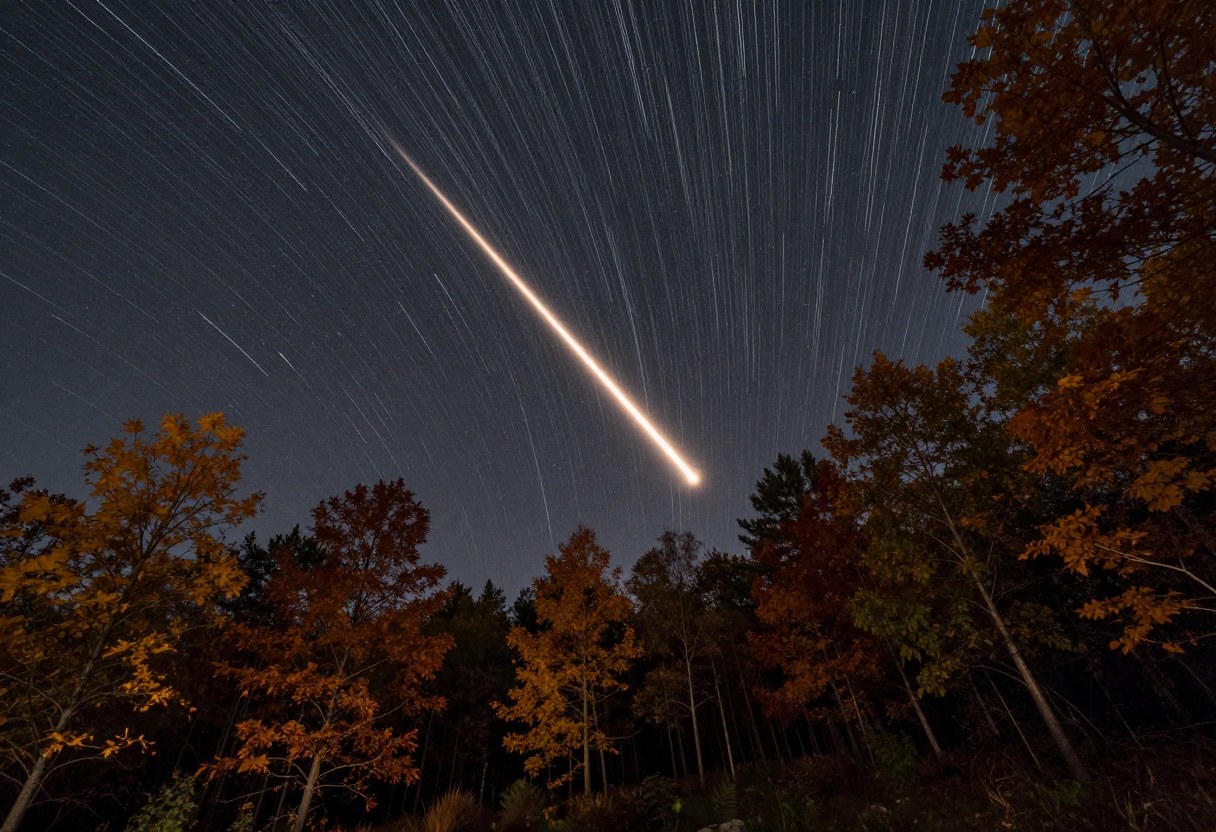
A long-running, low-rate shower of slow, bright fireballs that peaks around early November.
When: Southern Taurids peak around November 5, Northern Taurids around November 12; active from September to December
 Meteor Showers
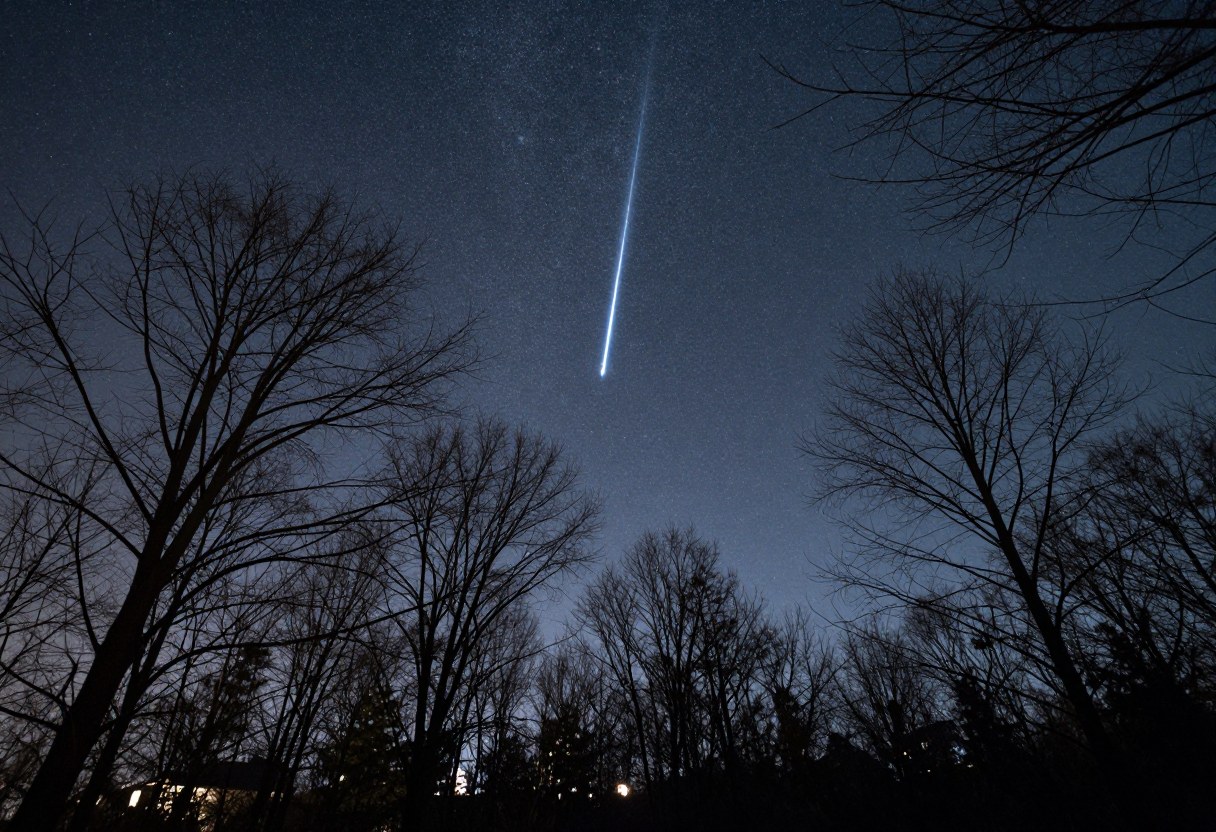
A fast November shower that is modest most years but has produced some of the most spectacular meteor storms on record.
When: Peak around November 17–18; best after midnight
 Meteor Showers
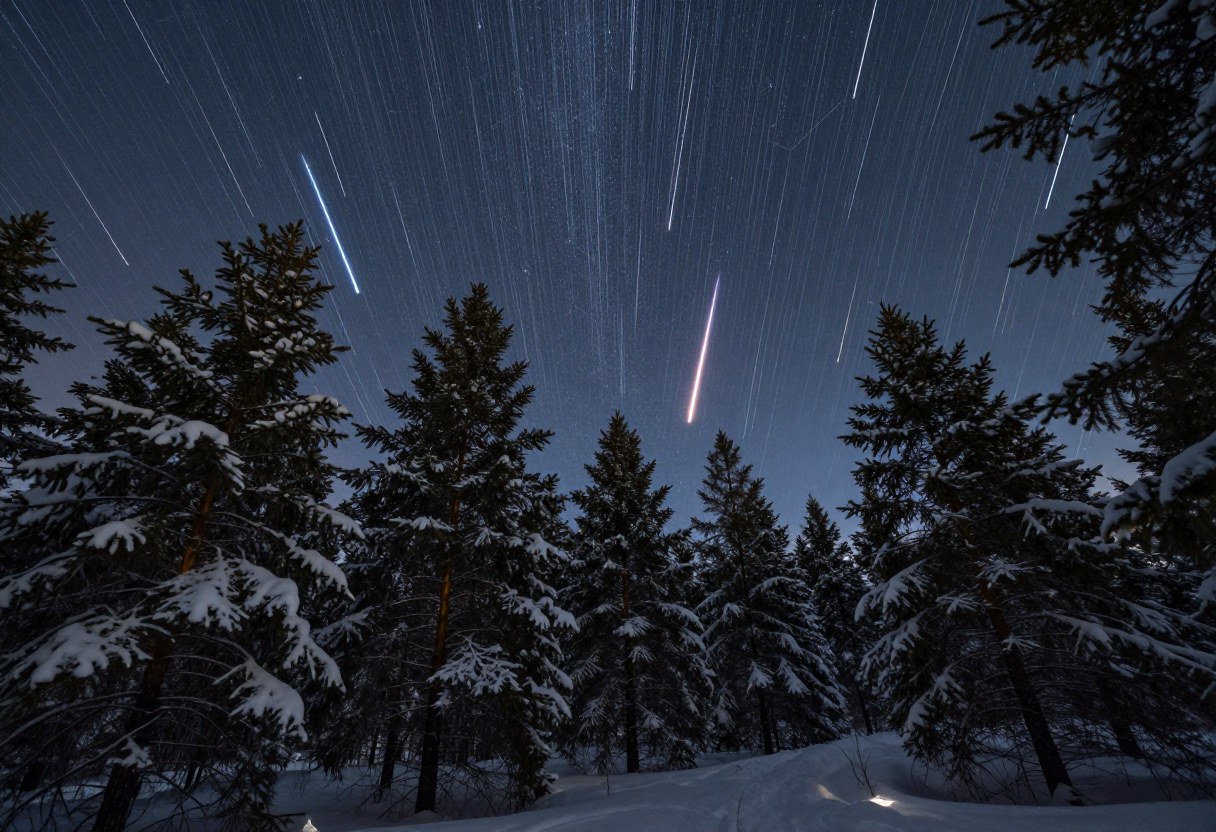
Often the best shower of the year, with bright, colorful meteors that start in the evening and peak around mid-December.
When: Peak around December 13–14; active from early to mid-December
 Meteor Showers
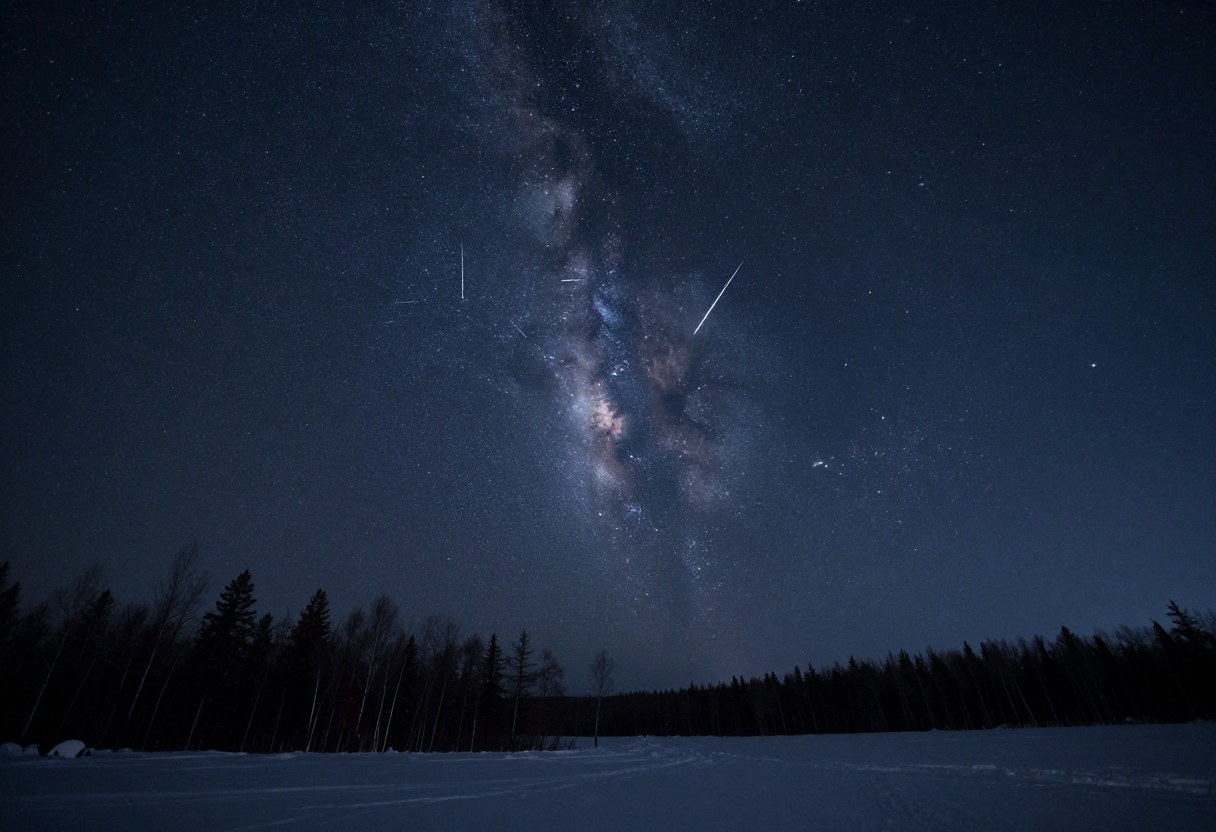
A quiet shower around the winter solstice, best from the northern states where its radiant never sets.
When: Peak around December 22; active from about December 17 to 26
 Moon Phases
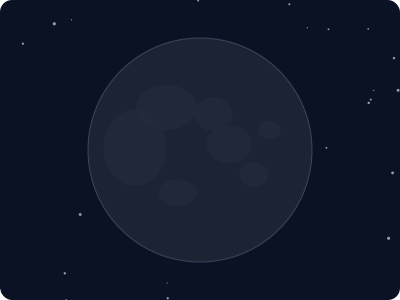
The Moon sits between the Earth and the Sun, so its lit side faces away from us. The sky is at its darkest, which makes it the best time for faint objects.
When: About once a month, roughly every 29½ days
 Moon Phases
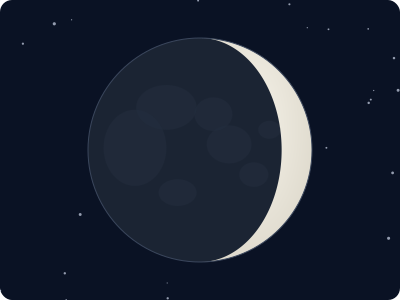
A thin sliver lit on the right side that grows each night. It shows in the western sky after sunset, and the dark part may glow faintly with earthshine.
When: The days just after new Moon, in the evening
 Moon Phases
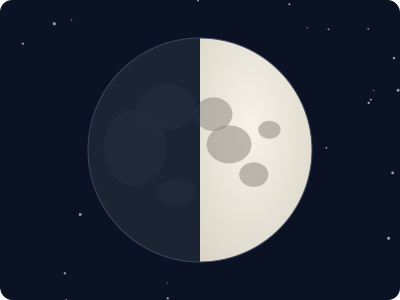
Half the Moon's face is lit, the right half, about a week after new Moon. It stands high in the south at sunset and sets around midnight.
When: About a week after new Moon, in the evening
 Moon Phases
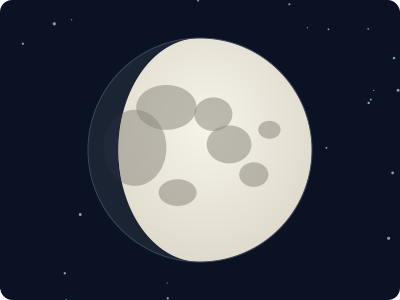
More than half the Moon is lit and growing toward full. It rises in the afternoon and lights most of the night.
When: Between first quarter and full Moon, over about a week
 Moon Phases
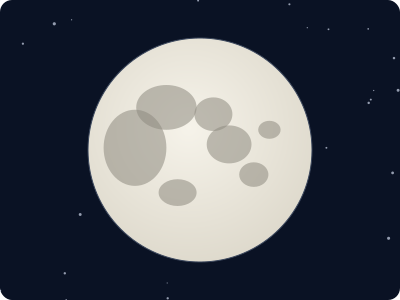
The whole face of the Moon is lit. It rises at sunset, sets at sunrise, and is the brightest night of the month, which washes out faint stars and meteors.
When: About once a month, roughly every 29½ days
 Moon Phases
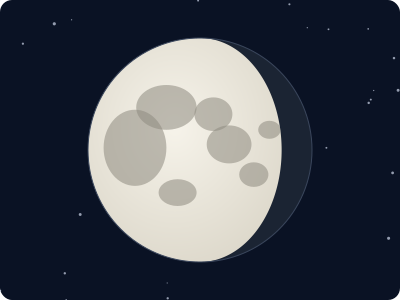
More than half the Moon is lit, now on the left, and shrinking after full. It rises in the evening and stays up into the morning.
When: Between full Moon and last quarter, over about a week
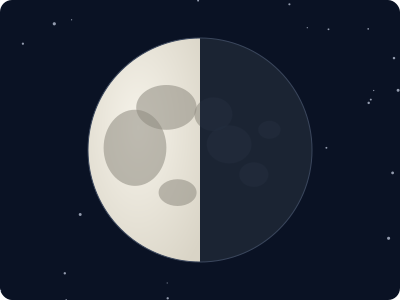 Moon Phases
Half the Moon is lit, the left half, about three weeks into the cycle. It rises around midnight and is high in the south at dawn.
When: About three weeks after new Moon, in the late night and morning
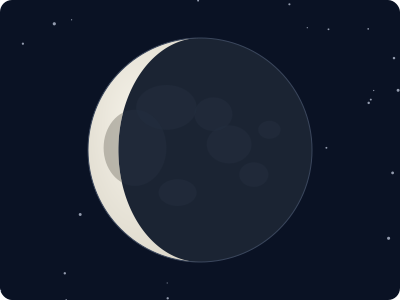 Moon Phases
A thin sliver lit on the left that shrinks each night, visible in the eastern sky before sunrise just before the next new Moon.
When: The days before new Moon, in the pre-dawn sky
 Planets
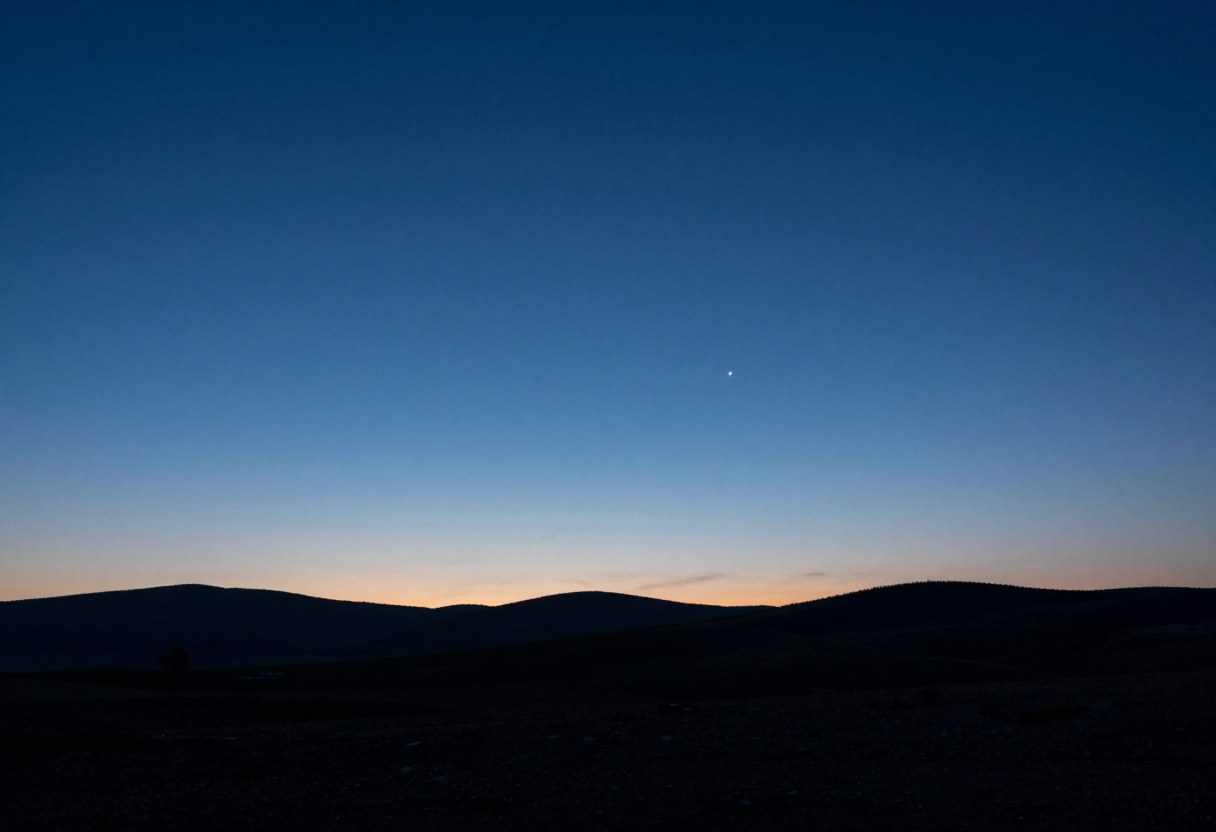
The smallest planet and the closest to the Sun, which makes it hard to spot: it only appears low in the twilight for a few weeks at a time.
When: A few short windows each year, low in the twilight
 Planets
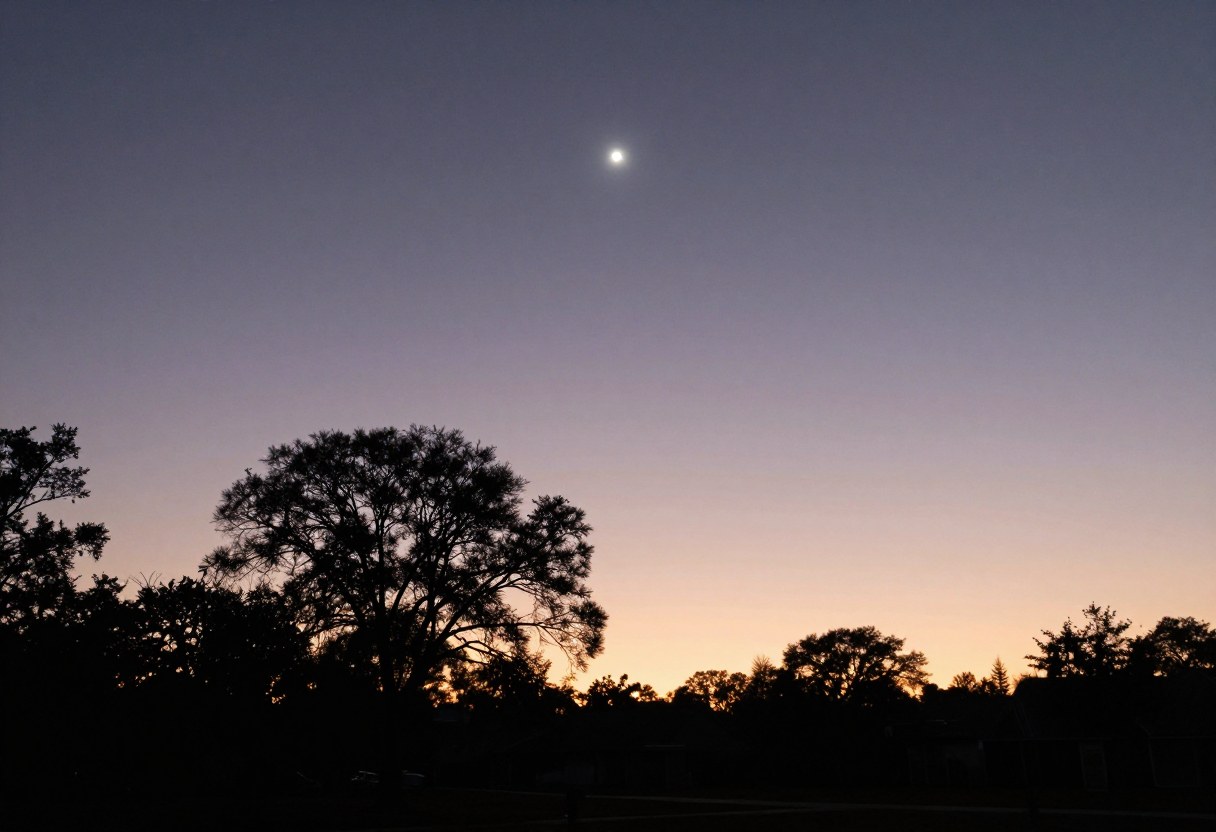
The brightest planet, a brilliant white 'star' in the western sky after sunset or the eastern sky before sunrise.
When: Alternates between evening and morning sky, each for several months
 Planets
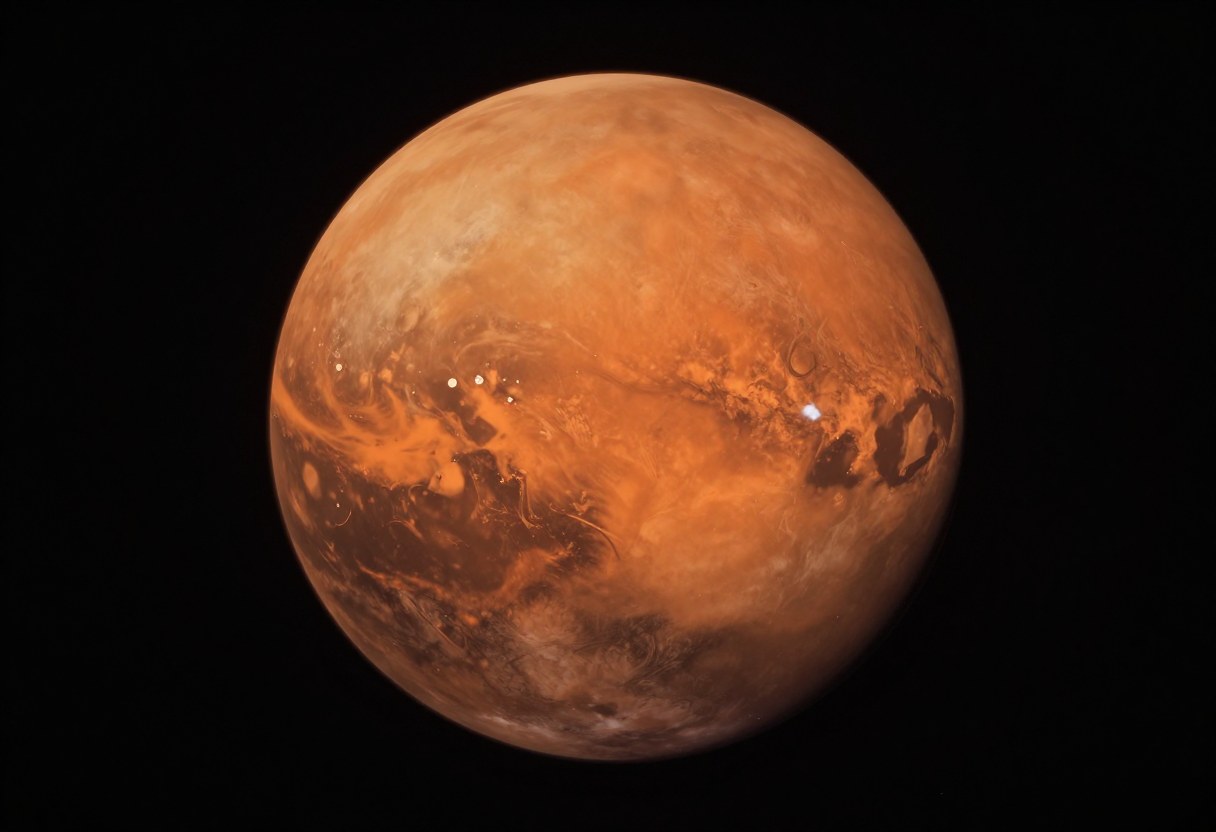
A small, orange-red planet that is bright for a few months every two years, and a faint reddish star the rest of the time.
When: Brightest around opposition, which comes about every 26 months
 Planets
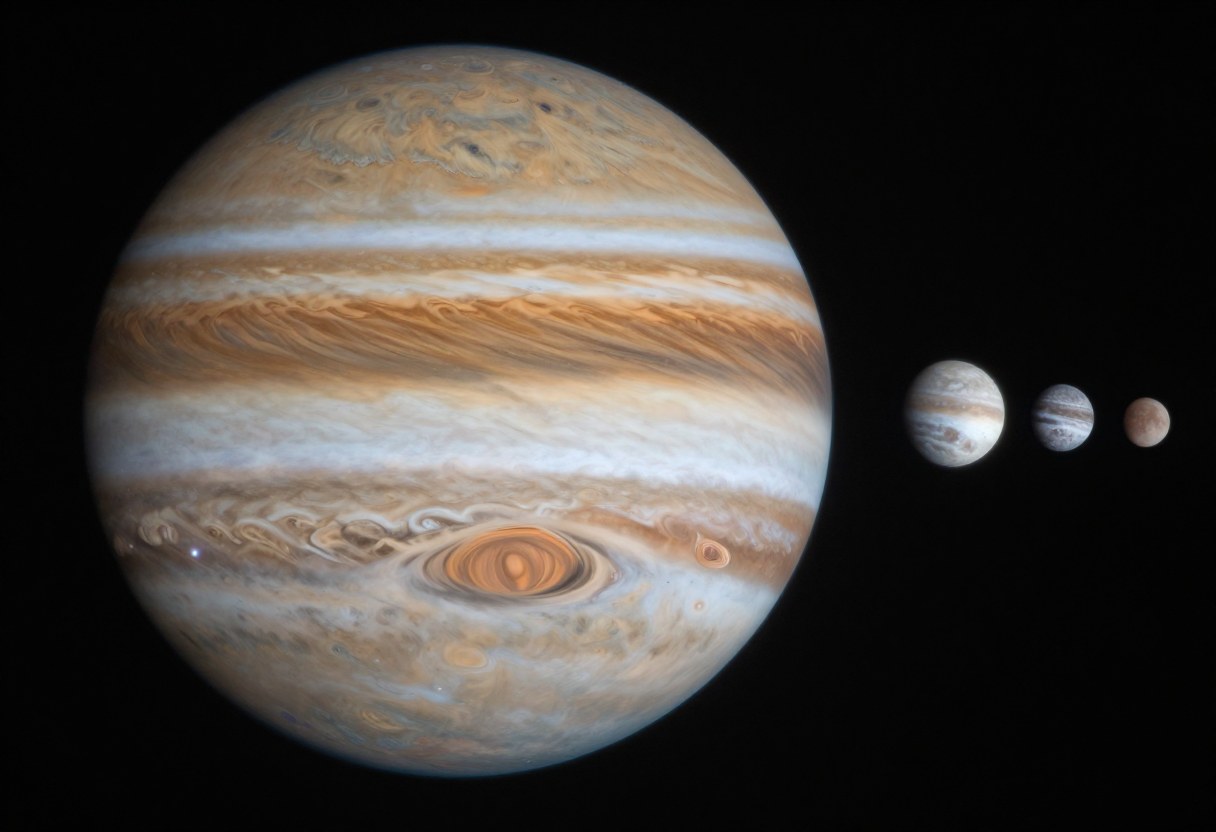
The largest planet, a brilliant creamy-white light, with four moons that show up in a pair of binoculars.
When: Brightest around opposition, which comes about every 13 months
 Planets
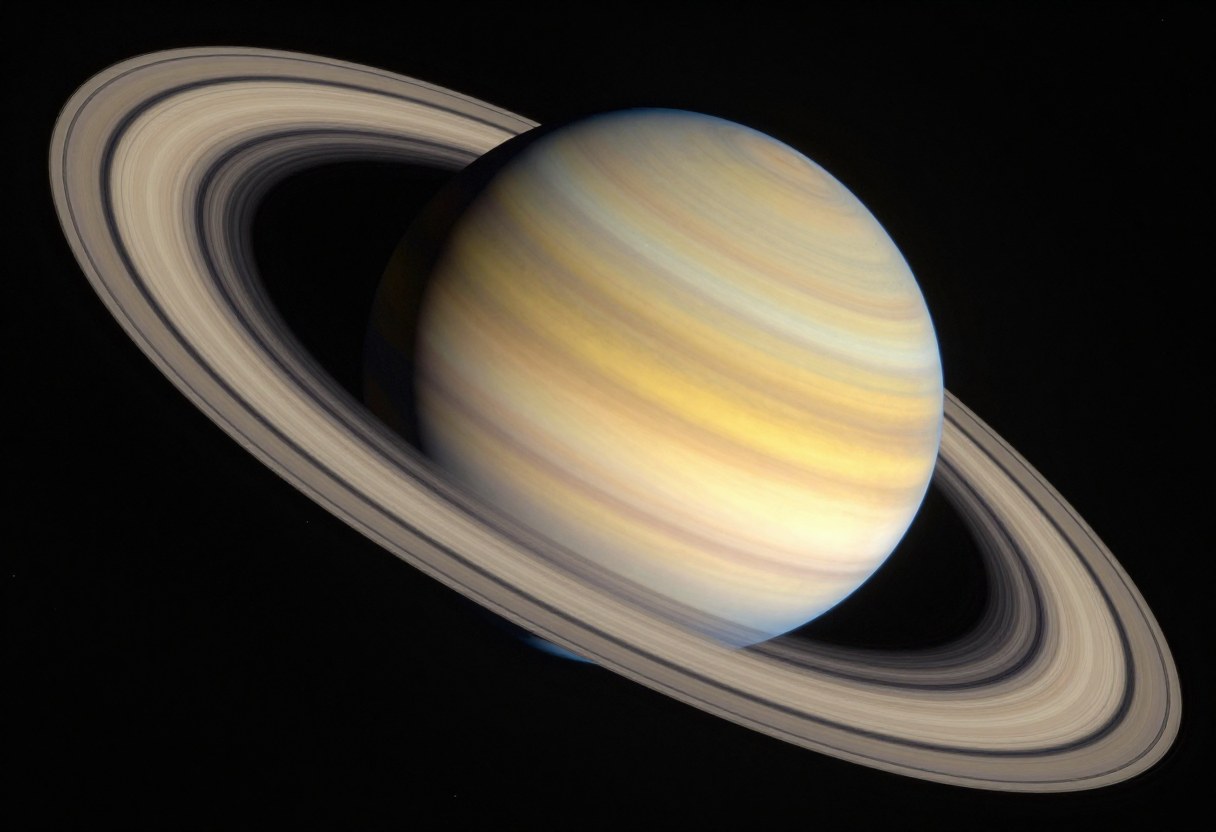
A pale yellow planet that looks like a bright star to the eye, with rings that need a small telescope to see.
When: Brightest around opposition, which comes about every 12½ months
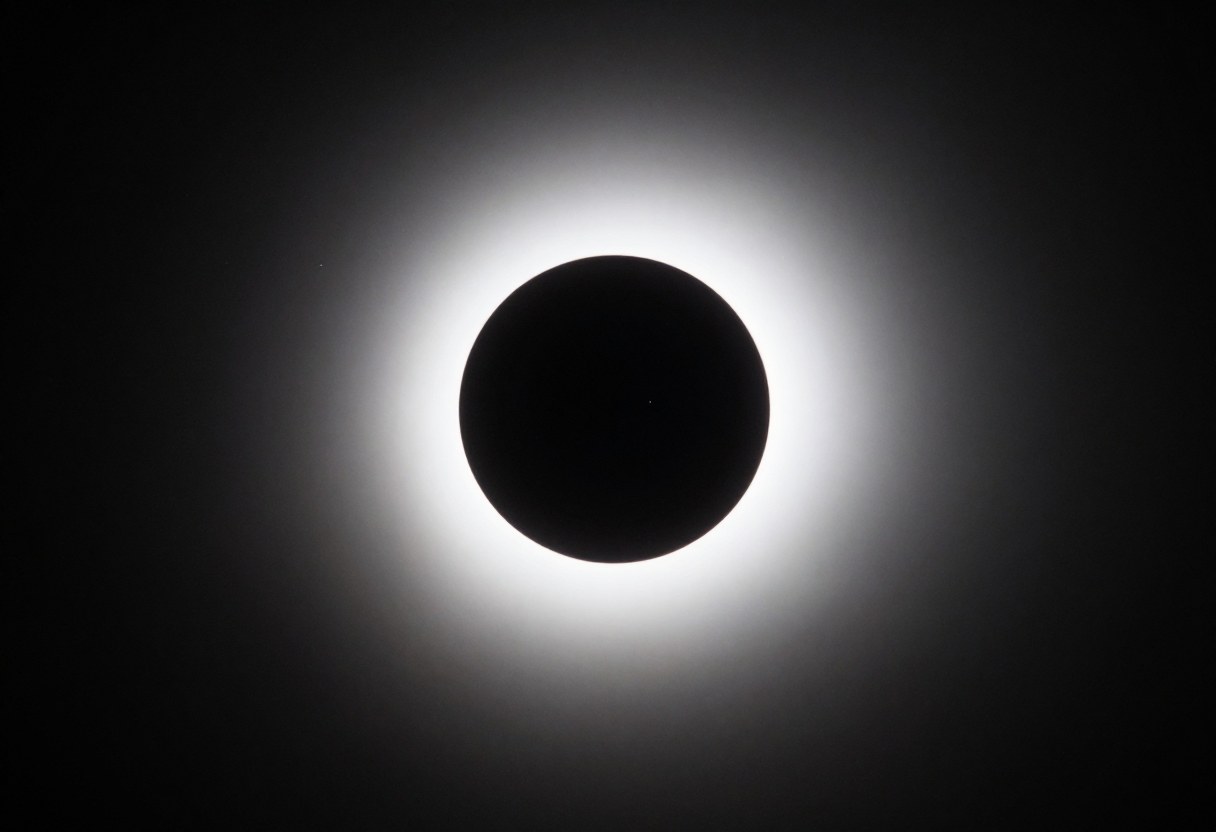 Eclipses
When the Moon completely covers the Sun for a few minutes, turning day into twilight. Only the narrow path of totality sees it, and it is safe to look only during totality.
When: Rare for any one place; somewhere on Earth about every 18 months
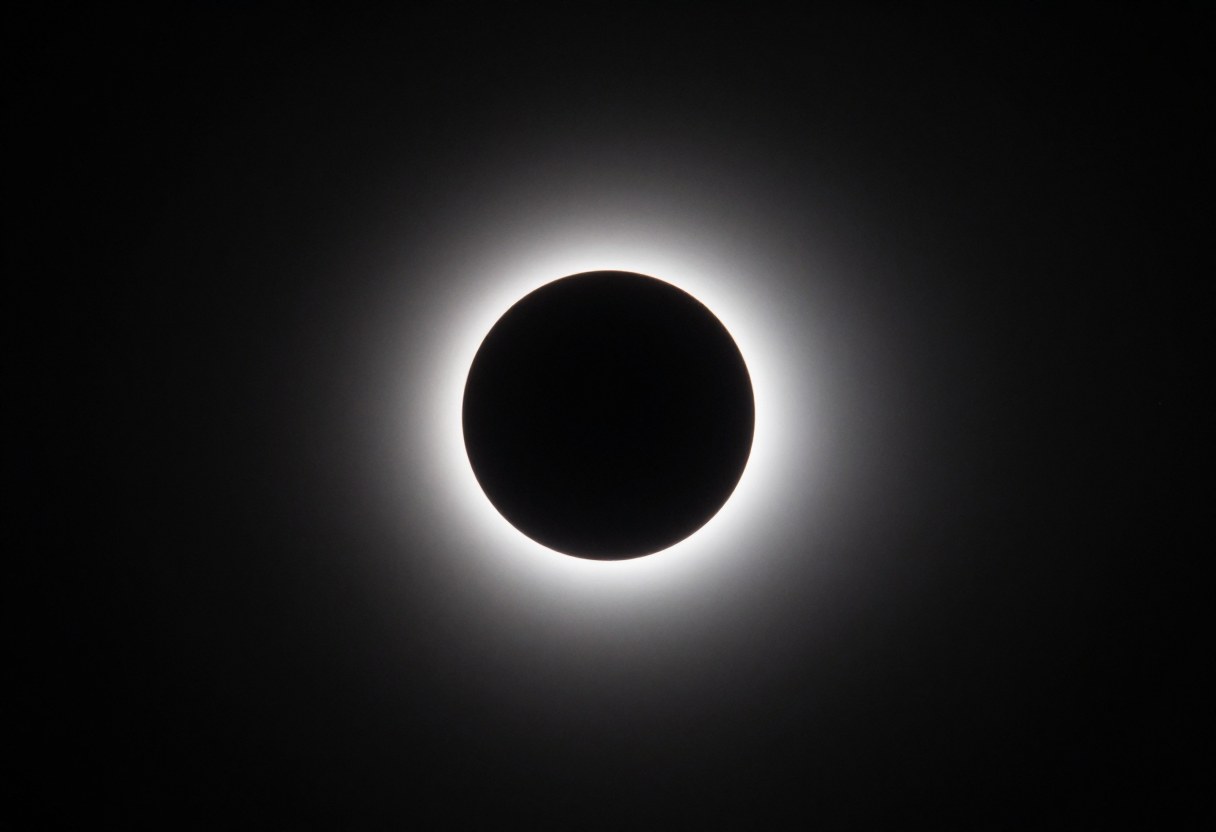 Eclipses
When the Moon covers only part of the Sun, or sits too far away to cover it completely and leaves a bright ring. Both require eye protection at every moment.
When: Several times a year somewhere on Earth; check NASA for events near you
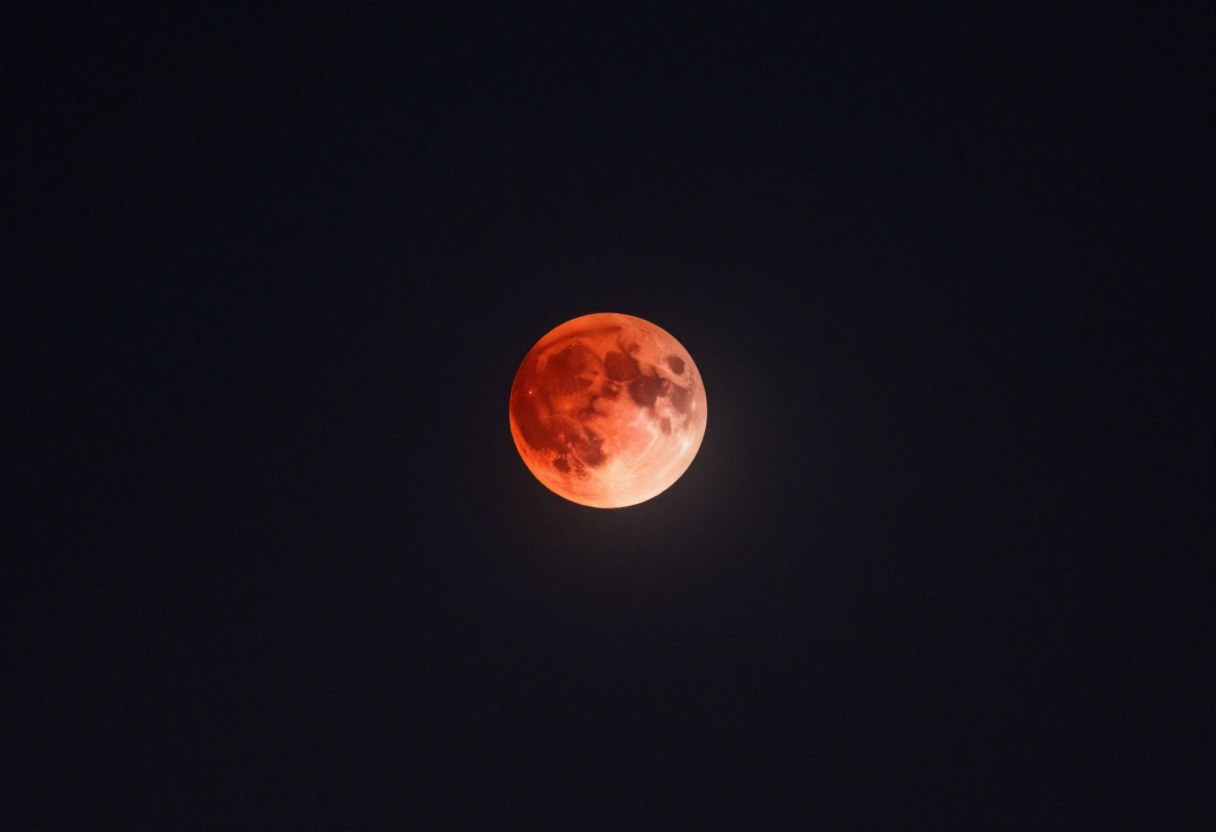 Eclipses
When the Moon passes into Earth's shadow. A total lunar eclipse turns the Moon deep red, and unlike a solar eclipse, it is safe to watch with your eyes.
When: Several times a year somewhere on Earth; visible from anywhere the Moon is above the horizon
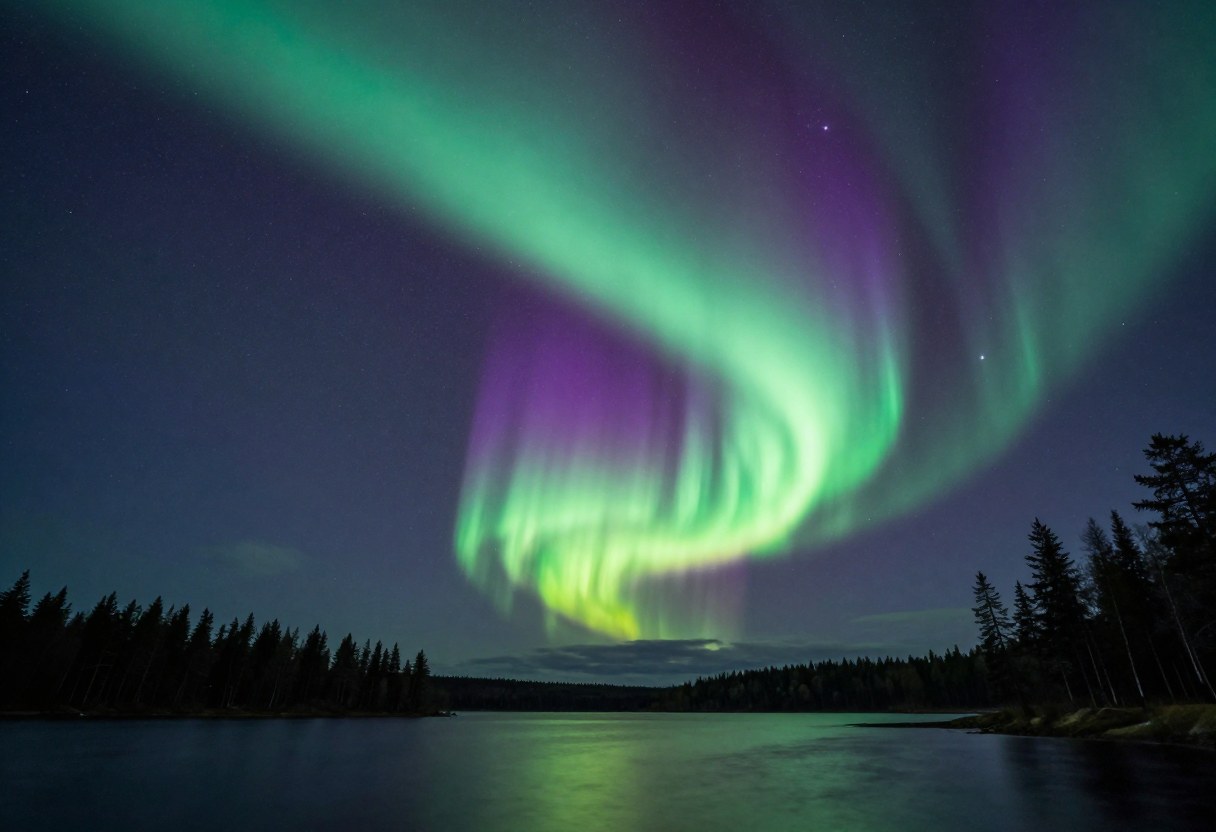 Other Sky Events
Glowing curtains of green, pink, and purple light caused by particles from the Sun striking Earth's atmosphere. They are common near the Arctic and sometimes reach the northern United States.
When: Dark, clear nights; more likely around the equinoxes and when solar activity is high
 Other Sky Events
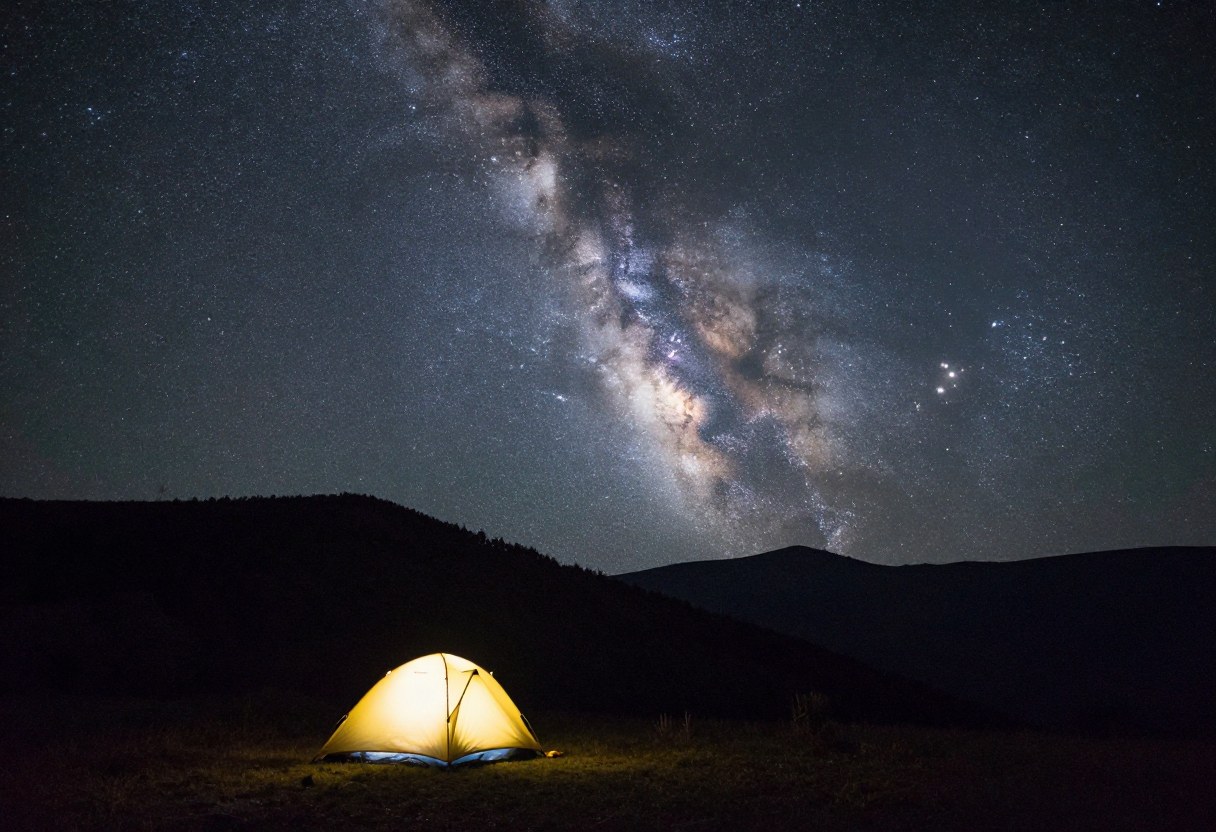
The months when the bright center of our galaxy is above the horizon at night, best seen from a dark site around the new Moon.
When: Roughly March through October; best in summer evenings
 Other Sky Events
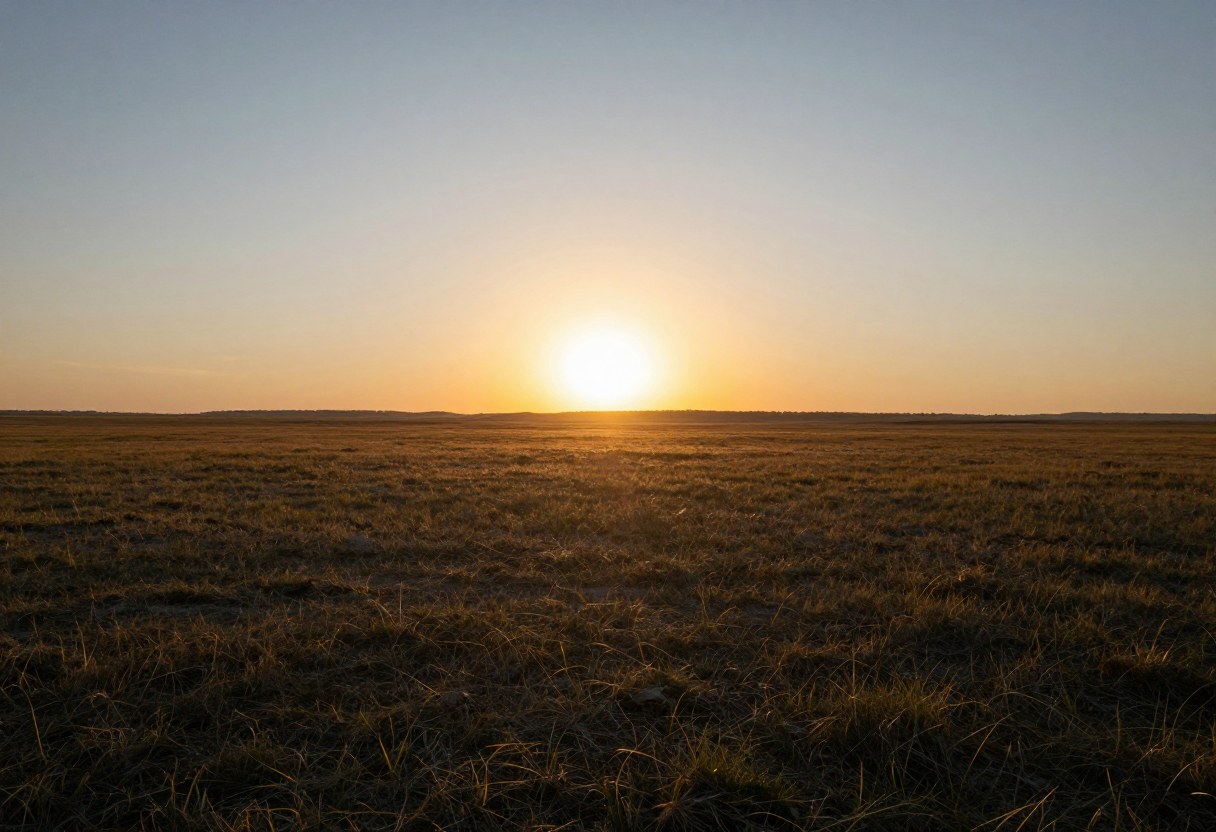
The four turning points of the year, when the Sun reaches its highest, lowest, or most direct position. They mark the seasons and are useful for finding direction.
When: Around March 20, June 21, September 22, and December 21
 Other Sky Events
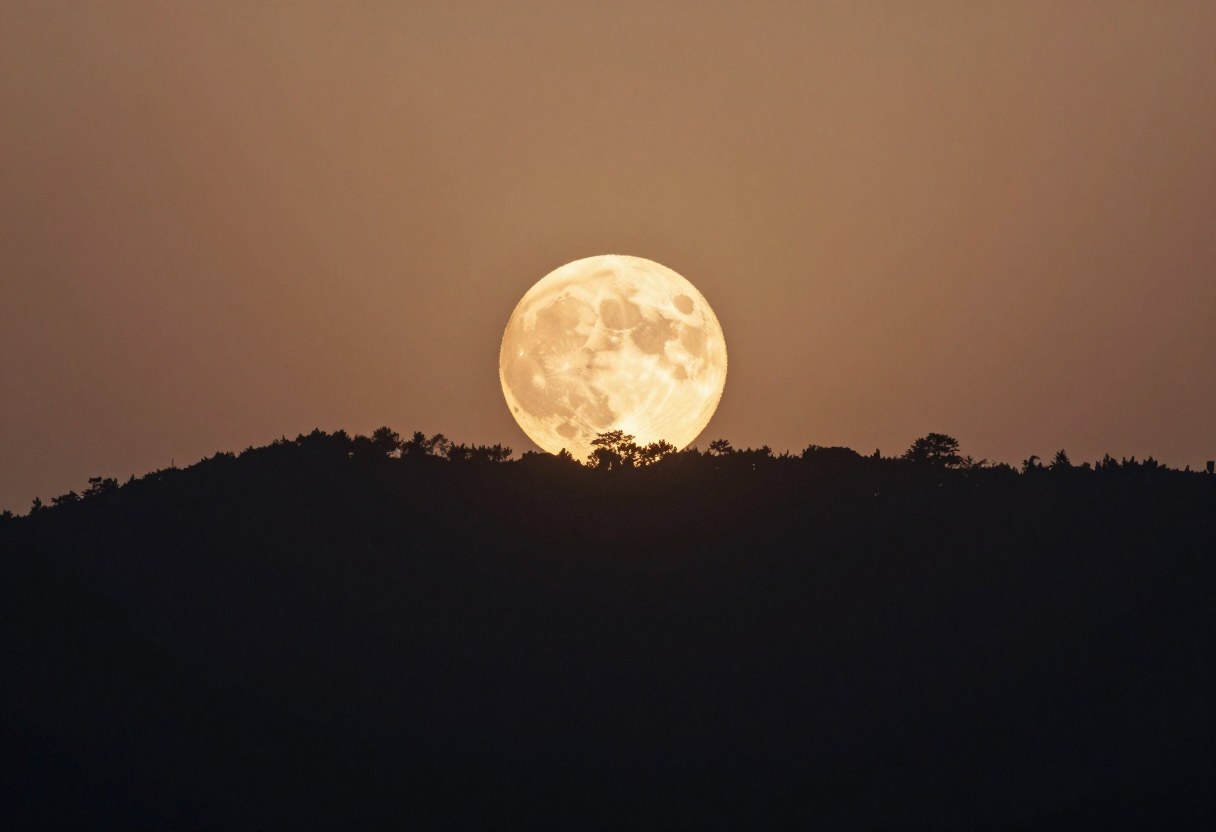
Two popular names for unusual full Moons: a supermoon is a full Moon near its closest point to Earth, and a blue moon is an extra full Moon in a month or season.
When: Supermoons several times a year; blue moons about every two to three years