
Solstices and Equinoxes
Also called: longest day, first day of spring
The four turning points of the year, when the Sun reaches its highest, lowest, or most direct position. They mark the seasons and are useful for finding direction.
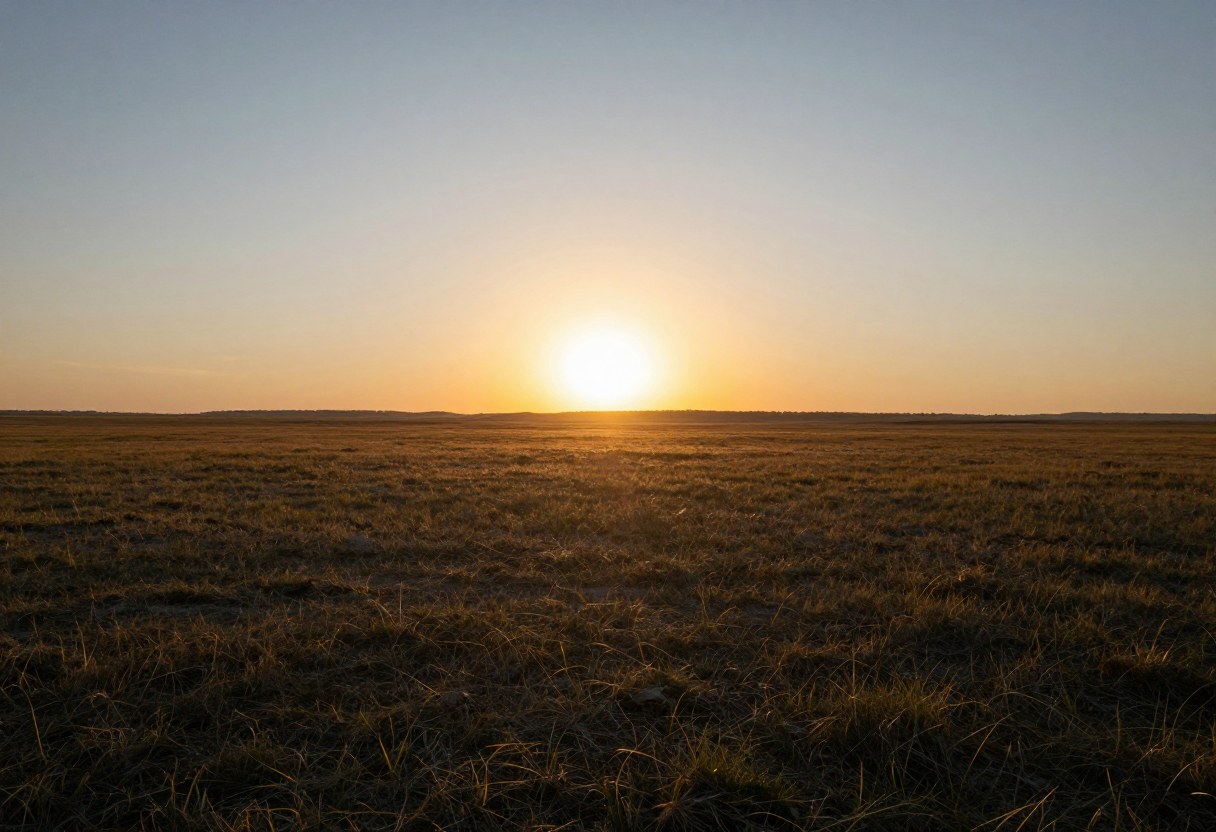
- Type
- Other Sky Events
- Best season
- Any time of year
- Gear
- Naked eye
- When to look
- Around March 20, June 21, September 22, and December 21
- June solstice
- About June 20–21: the longest day in the Northern Hemisphere
- December solstice
- About December 21–22: the shortest day in the Northern Hemisphere
- Equinoxes
- About March 19–21 and September 22–23: day and night are nearly equal
- Direction trick
- At an equinox, the Sun rises due east and sets due west
What you will see
- Sunrise and sunset points that move along the horizon through the year.
- Long summer days and short winter days.
- At the equinoxes, the Sun rising almost exactly in the east.
How to watch
- Mark the sunrise point on the horizon from the same spot on different dates.
- Use the equinox sunrise as a free compass.
- Never look directly at the Sun.
Field notes
The solstices and equinoxes are set by Earth's tilt. The exact date and time shift a little from year to year.
Related guides
Dates and times repeat from year to year but shift slightly, and the Moon's phase and the planets' positions are different every year. Check a current source such as NASA, the American Meteor Society, or a stargazing app before you plan a night out, and check the weather forecast for clear skies.