
Waning Gibbous
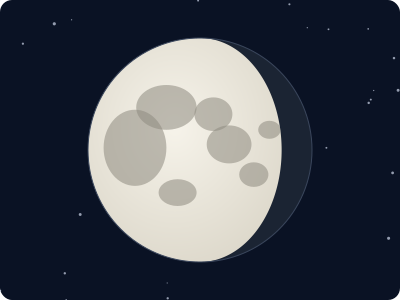
More than half the Moon is lit, now on the left, and shrinking after full. It rises in the evening and stays up into the morning.
- Type
- Moon Phases
- Best season
- Any time of year
- Gear
- Naked eye
- When to look
- Between full Moon and last quarter, over about a week
- Lit part
- More than half, on the left, shrinking
- Rises and sets
- Rises after sunset and sets in the morning
- Best for
- Looking at the Moon in the morning sky
- Age
- About 15 to 21 days after new Moon
What you will see
- A bright Moon that rises later each night.
- Bright moonlight in the late evening and morning.
- The early evening sky is dark for a while before moonrise.
How to watch
- Look for the Moon in the morning sky.
- Faint-object stargazing becomes possible in the early evening before moonrise.
Field notes
The waning gibbous Moon rises later each night, giving you a little more dark sky in the early evening each day.
Related guides
Dates and times repeat from year to year but shift slightly, and the Moon's phase and the planets' positions are different every year. Check a current source such as NASA, the American Meteor Society, or a stargazing app before you plan a night out, and check the weather forecast for clear skies.