
Field Guide / Ticks, Spiders & Biting Pests
The ticks, spiders, biting flies, and stinging insects people most often meet while hunting, fishing, camping, and hiking. Search by name, or filter by kind, health concern, and region.
Call 911 for trouble breathing, swelling of the face or throat, or dizziness after a sting or bite. This guide is general information, not medical advice. Photos are AI-generated and cannot replace a real look at the animal. If you are sick after a bite, especially with a fever or a spreading rash, see a doctor and mention the bite.
16 pests
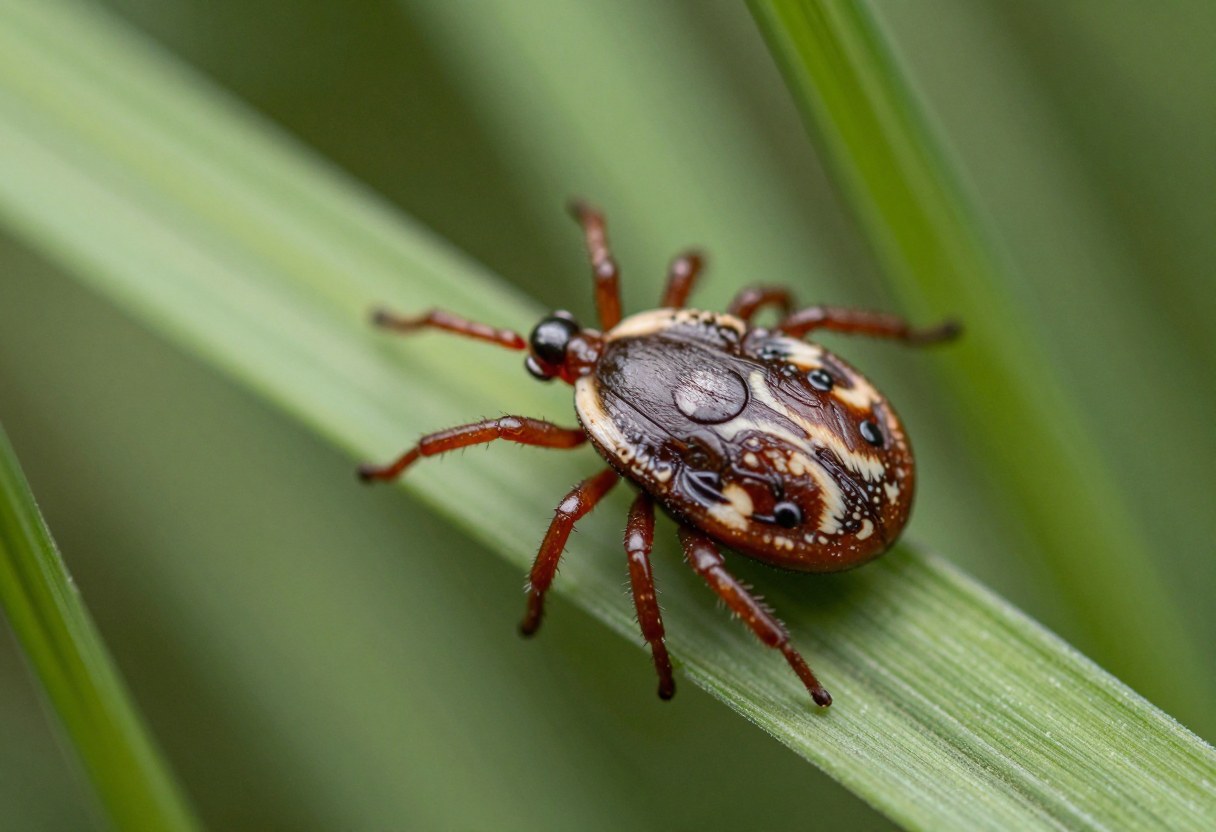 Ticks
Dermacentor variabilis
A large, common tick of grassy trails and field edges, easy to spot with its cream markings, and a carrier of Rocky Mountain spotted fever and tularemia.
Size: Unfed adult about 3/16 inch; swells to about 1/2 inch when fed
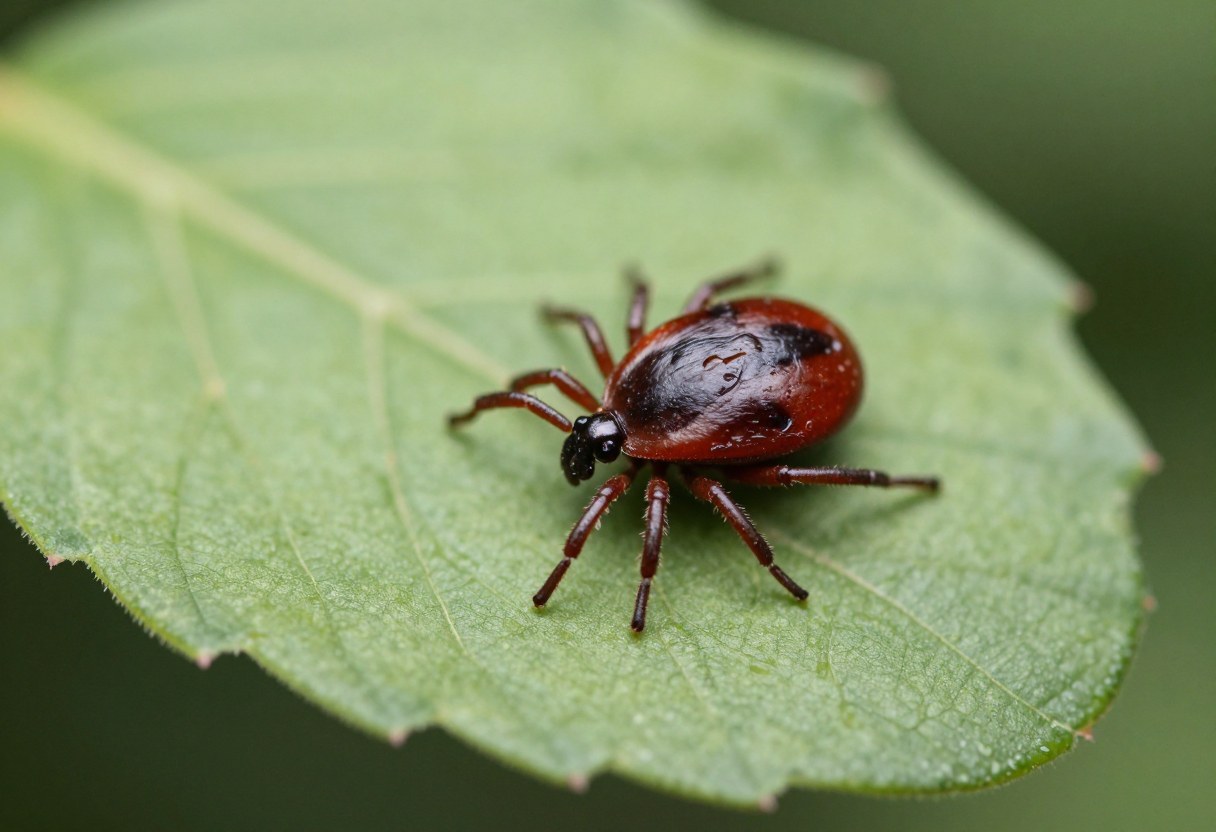 Ticks
Ixodes scapularis
A tiny tick of eastern woods and brush, the main carrier of Lyme disease in the eastern United States, and easy to miss because the young ones are poppy-seed small.
Size: Nymph about a poppy seed; adult about a sesame seed
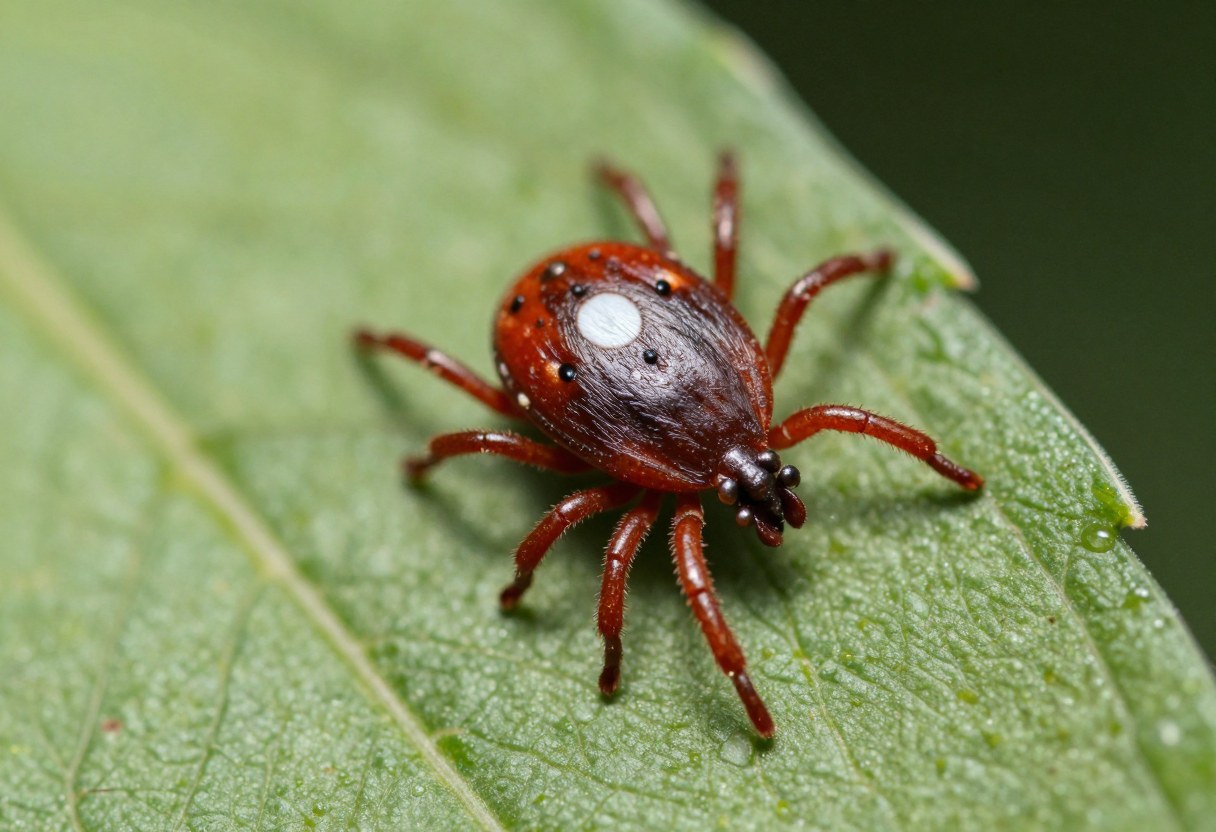 Ticks
Amblyomma americanum
An aggressive tick of the South and Midwest, recognized by the single white spot on the adult female, and linked to alpha-gal syndrome, a red-meat allergy.
Size: Adult female about 1/8 to 1/4 inch unfed
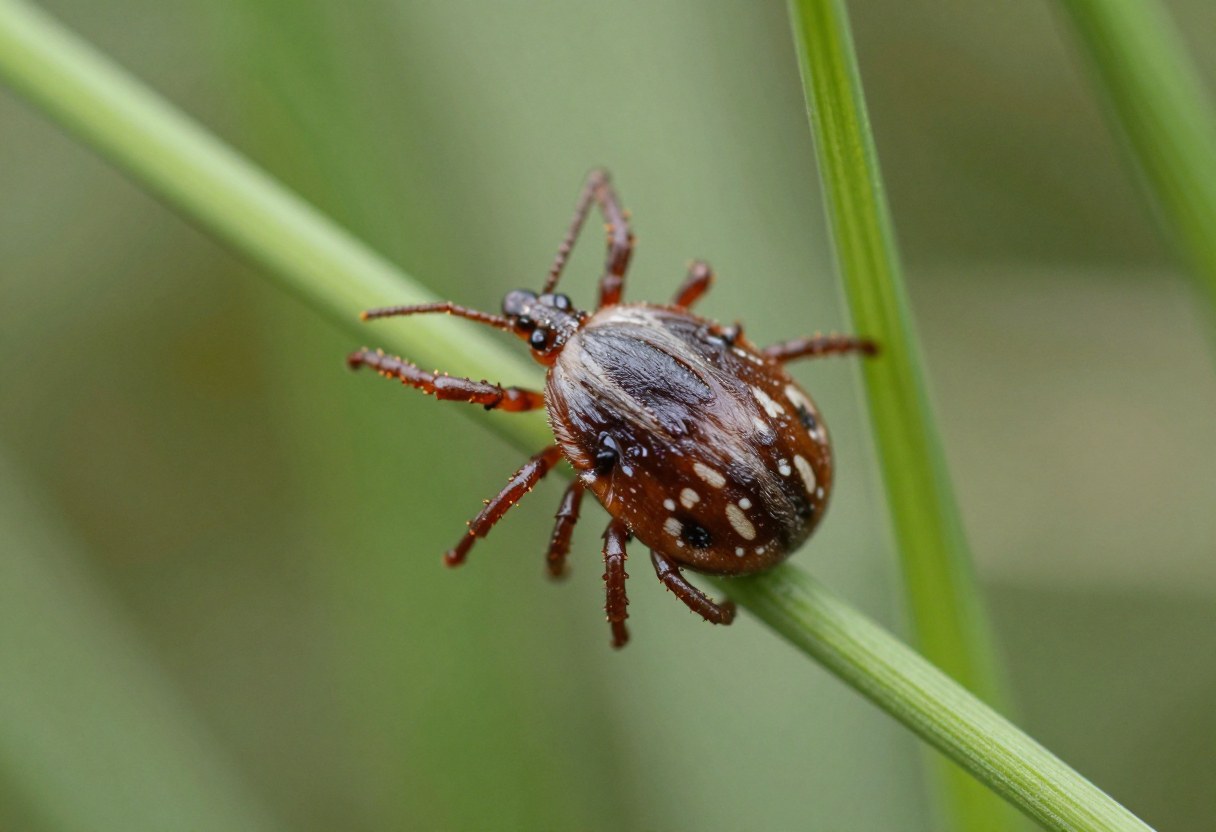 Ticks
Dermacentor andersoni
A tick of the Rocky Mountain states, found in brush and grass at mid elevations, and a carrier of Colorado tick fever and Rocky Mountain spotted fever.
Size: Unfed adult about 3/16 inch
 Spiders & Scorpions
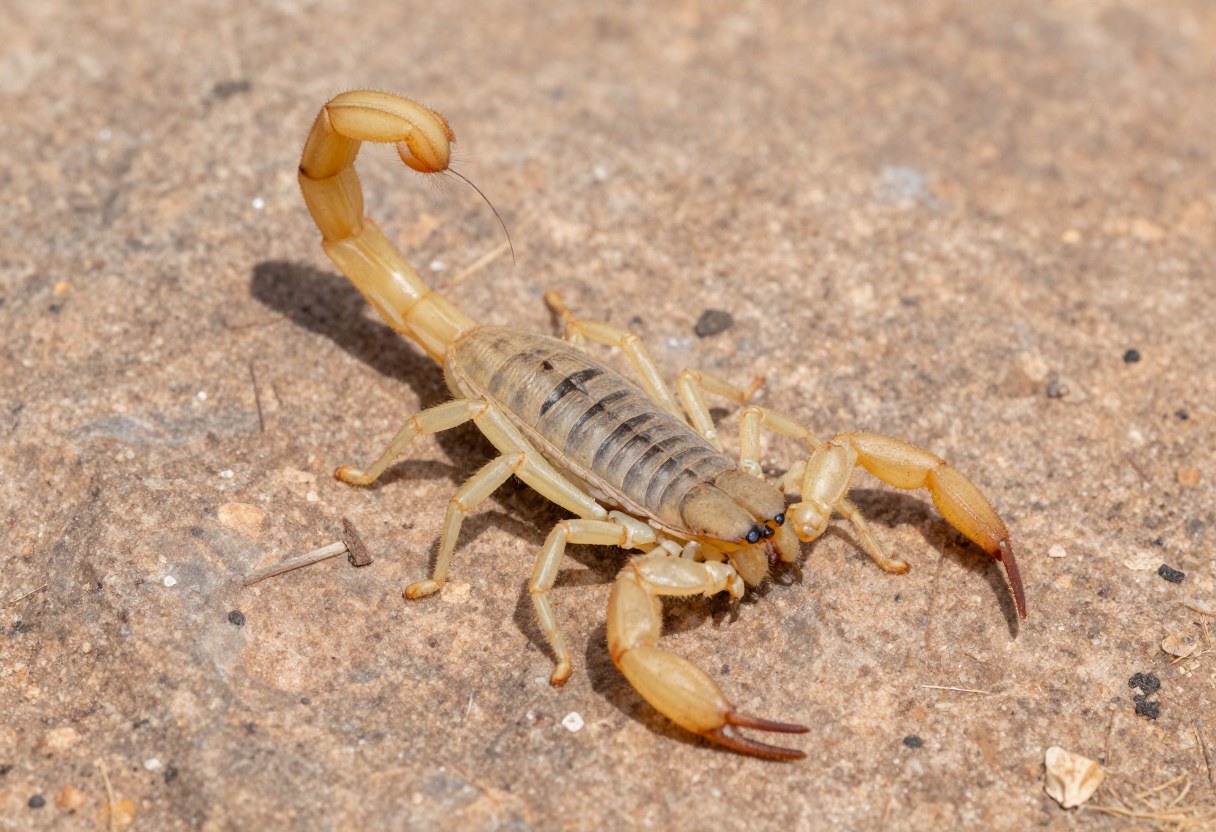
Centruroides sculpturatus
A slender, pale scorpion of the Sonoran Desert, the most venomous scorpion in the United States, with a painful sting that is usually not dangerous to healthy adults.
Size: About 2 to 3 inches
 Spiders & Scorpions
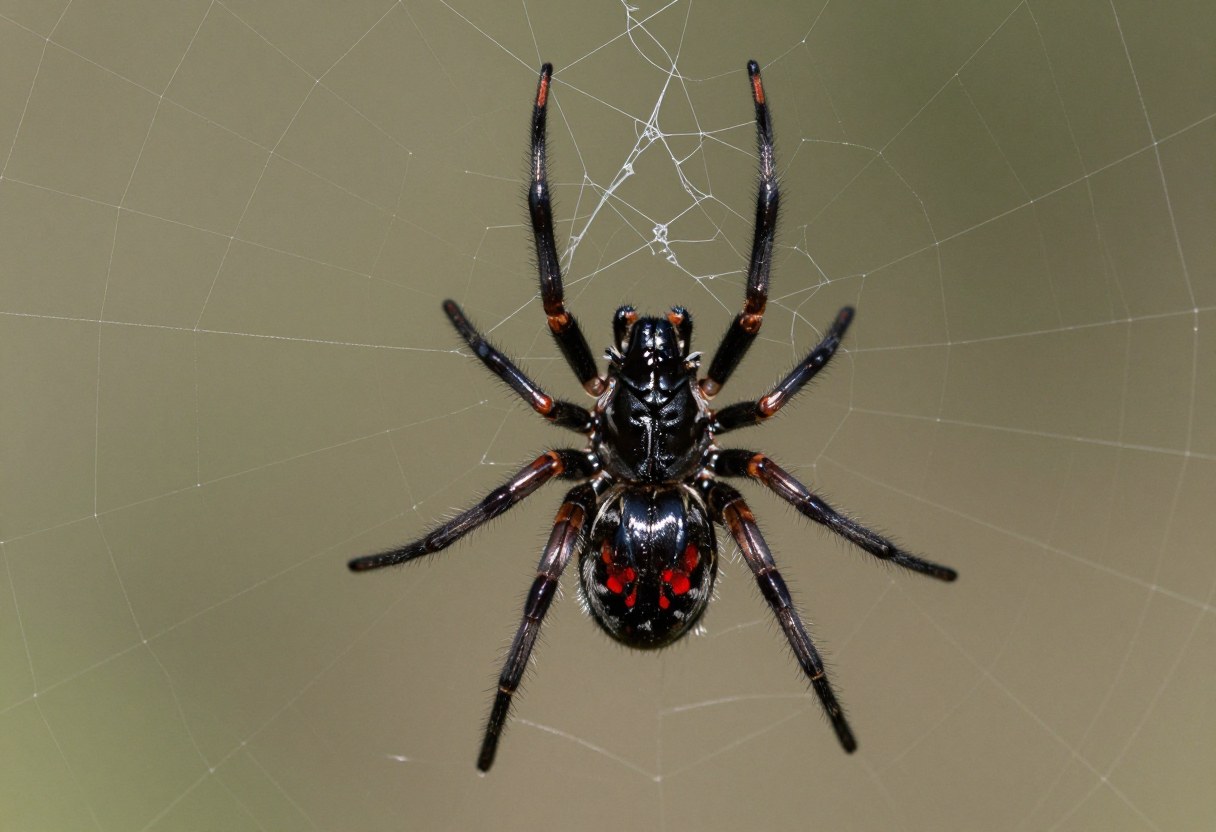
Latrodectus species
A shy, shiny black spider with a red hourglass underneath, found in woodpiles, sheds, and dark corners, with a neurotoxic bite that needs medical care.
Size: Female body about 1/2 inch, with a leg span of about 1.5 inches
 Spiders & Scorpions
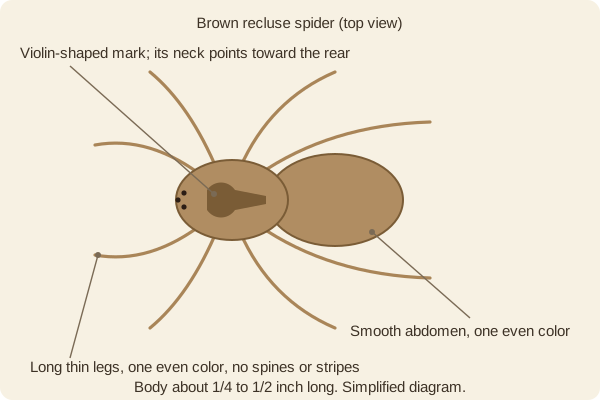
Loxosceles reclusa
A shy, light brown spider with a violin-shaped mark, native to the south-central United States, whose bite is often painless at first and sometimes leaves a slow-healing wound.
Size: Body about 1/4 to 1/2 inch, with a leg span of about an inch
 Biting Flies & Mites
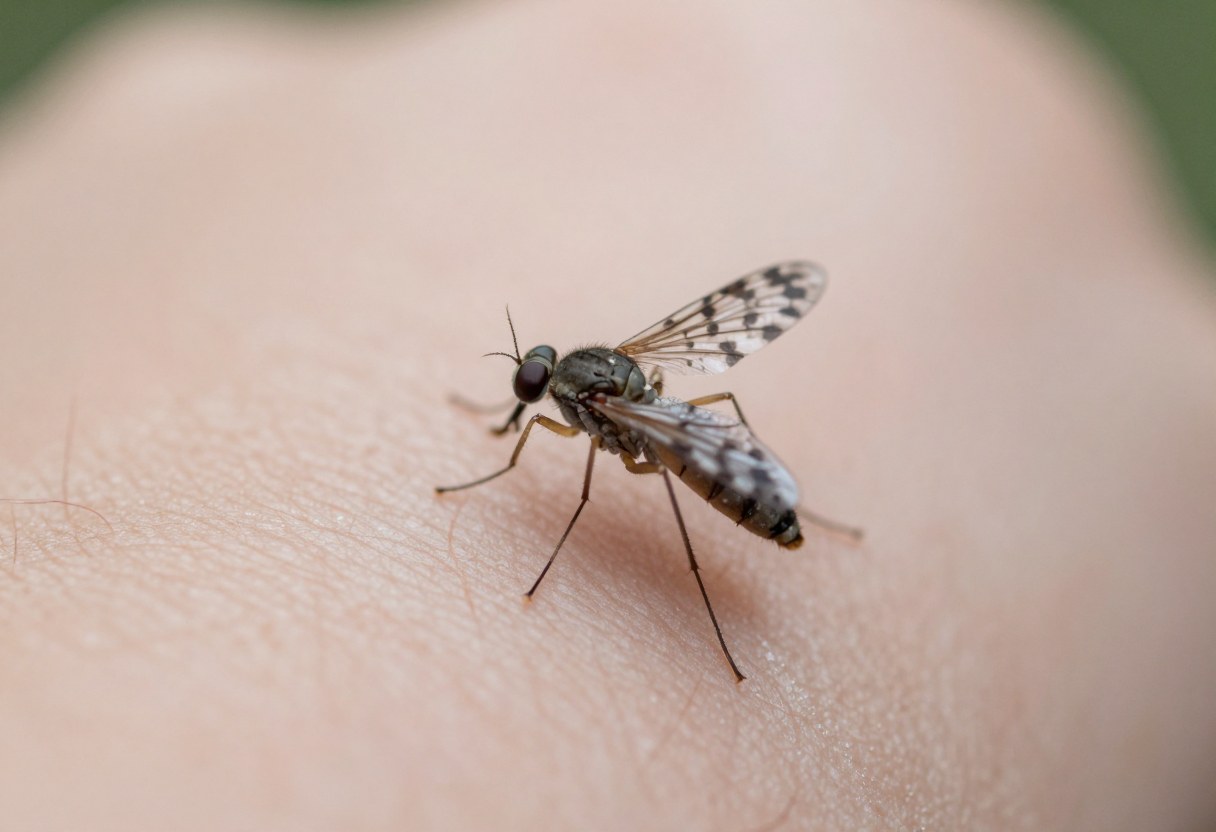
Culicoides species
A tiny, nearly invisible biting fly of shorelines and marshes, common at dusk and dawn, with a surprisingly painful bite.
Size: About 1/16 inch
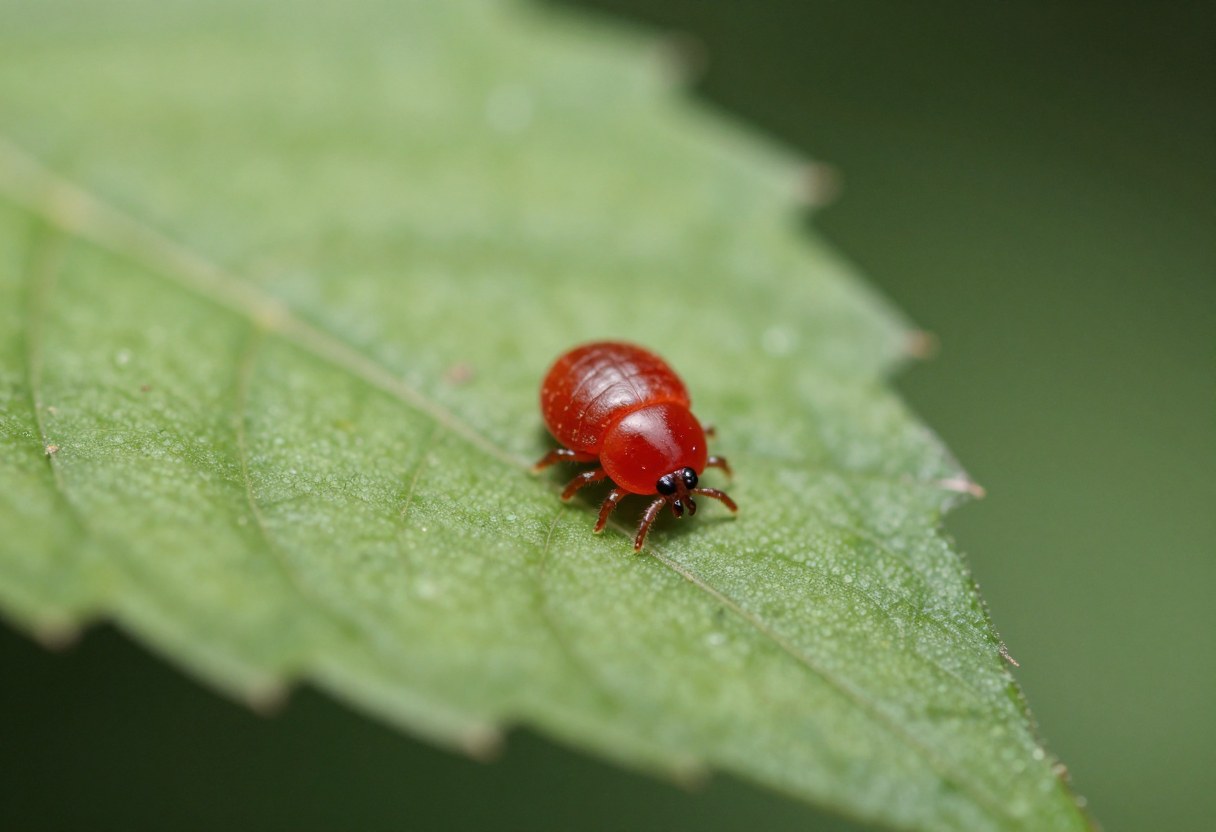 Biting Flies & Mites
Trombiculidae (larvae)
A tiny mite larva of grass and brush that leaves intensely itchy red welts, usually around the ankles, waist, and other tight spots.
Size: About 1/150 inch, barely visible
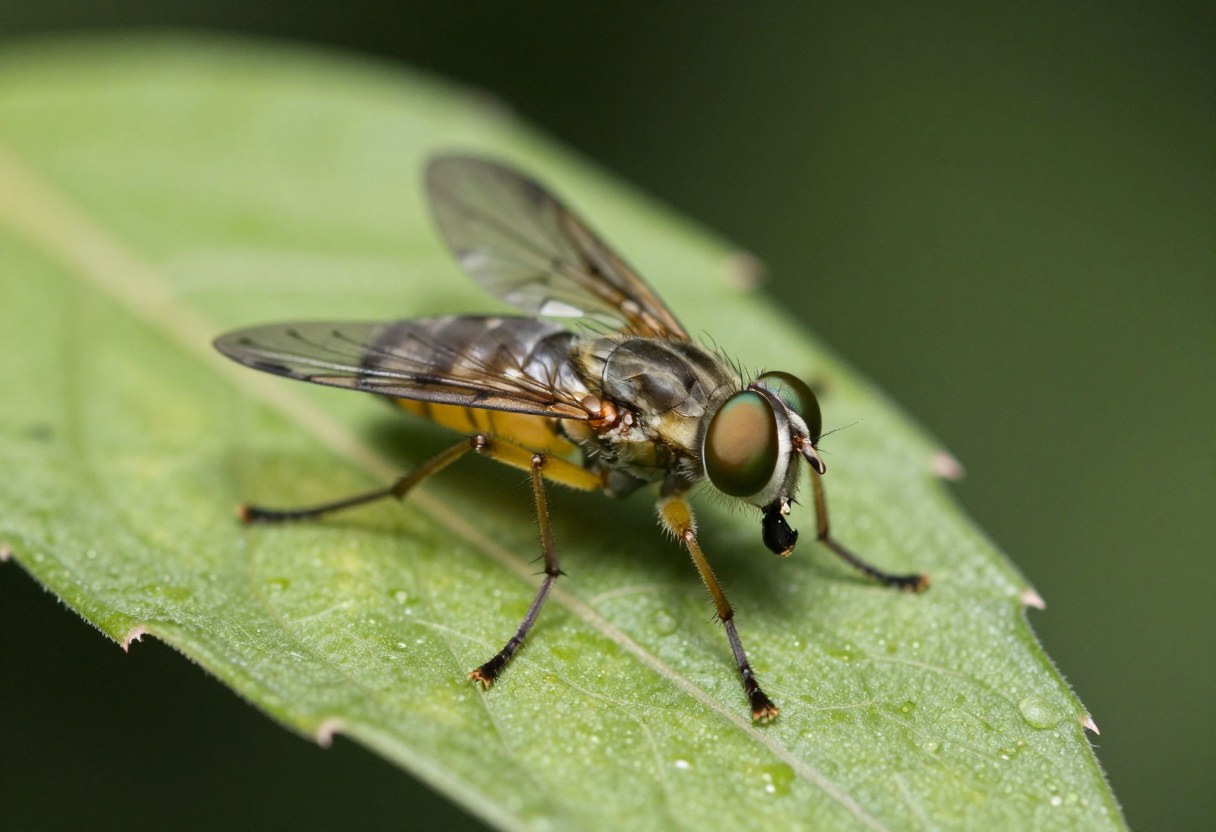 Biting Flies & Mites
Chrysops species
A persistent, hard-biting fly of marshes, lakeshores, and wet woods, active on hot, sunny days, with a bite that slices skin and hurts.
Size: About 1/4 to 1/2 inch
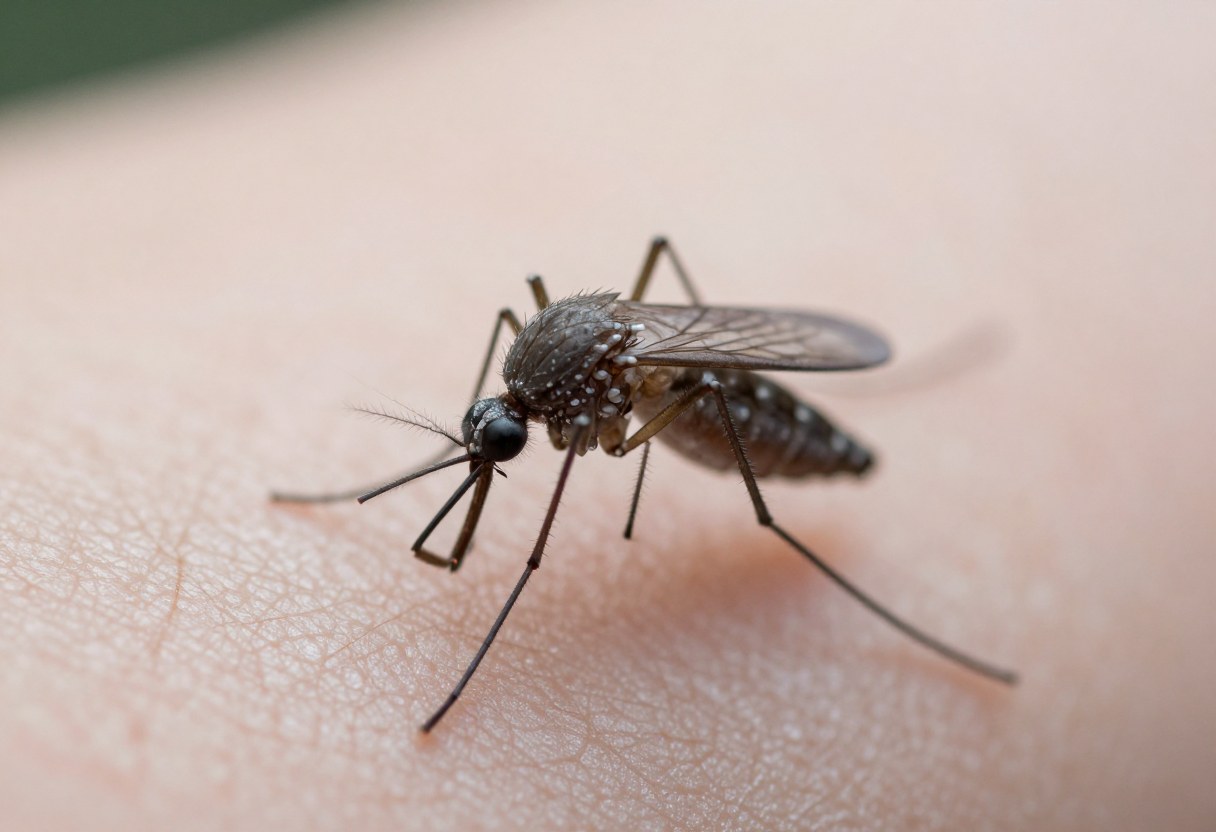 Biting Flies & Mites
Culicidae (family)
The most common biting insect outdoors, a nuisance at dusk and dawn near standing water, and a carrier of diseases such as West Nile virus.
Size: About 1/4 inch
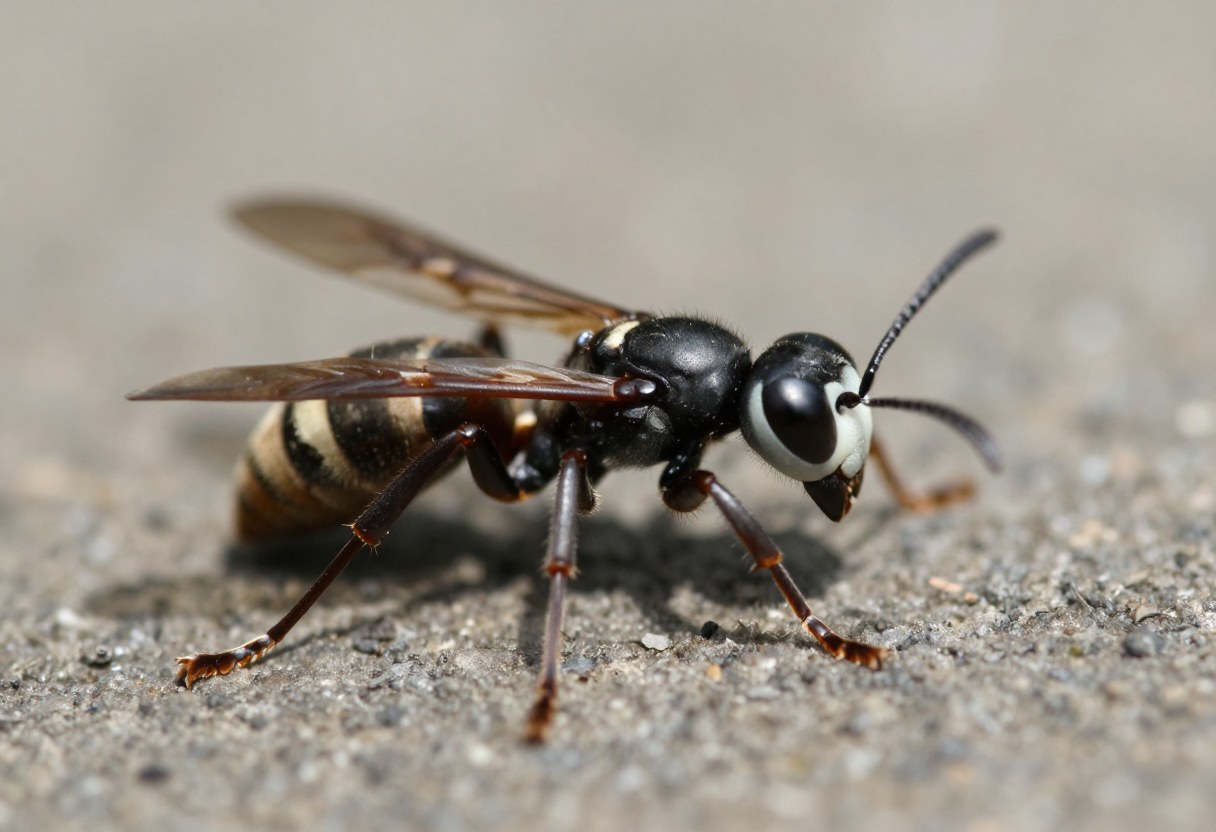 Stinging Insects
Dolichovespula maculata
A large black-and-white wasp that builds big gray papery nests in trees and on buildings and attacks anything that threatens the nest.
Size: About 3/4 inch
 Stinging Insects
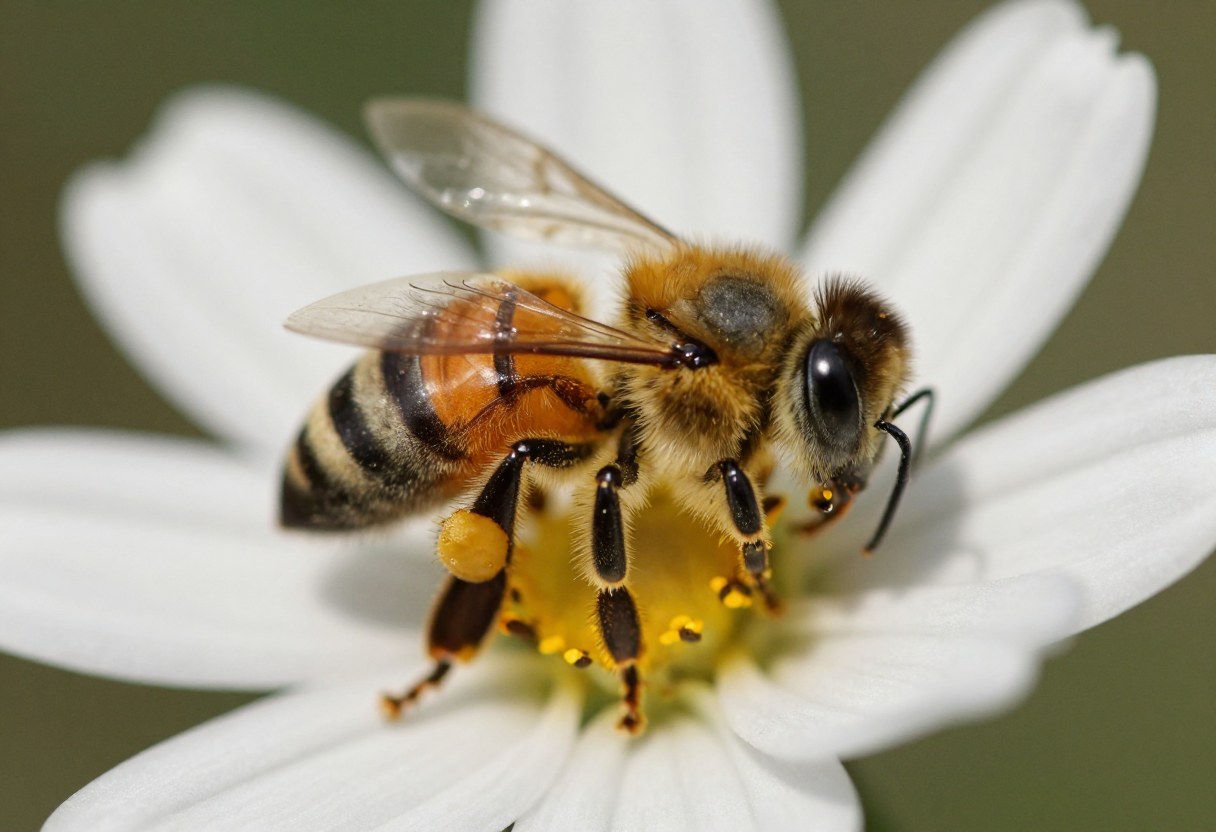
Apis mellifera
A fuzzy, gentle, golden-brown bee that stings only to defend itself, and loses its barbed stinger and dies when it does.
Size: About 1/2 inch
 Stinging Insects
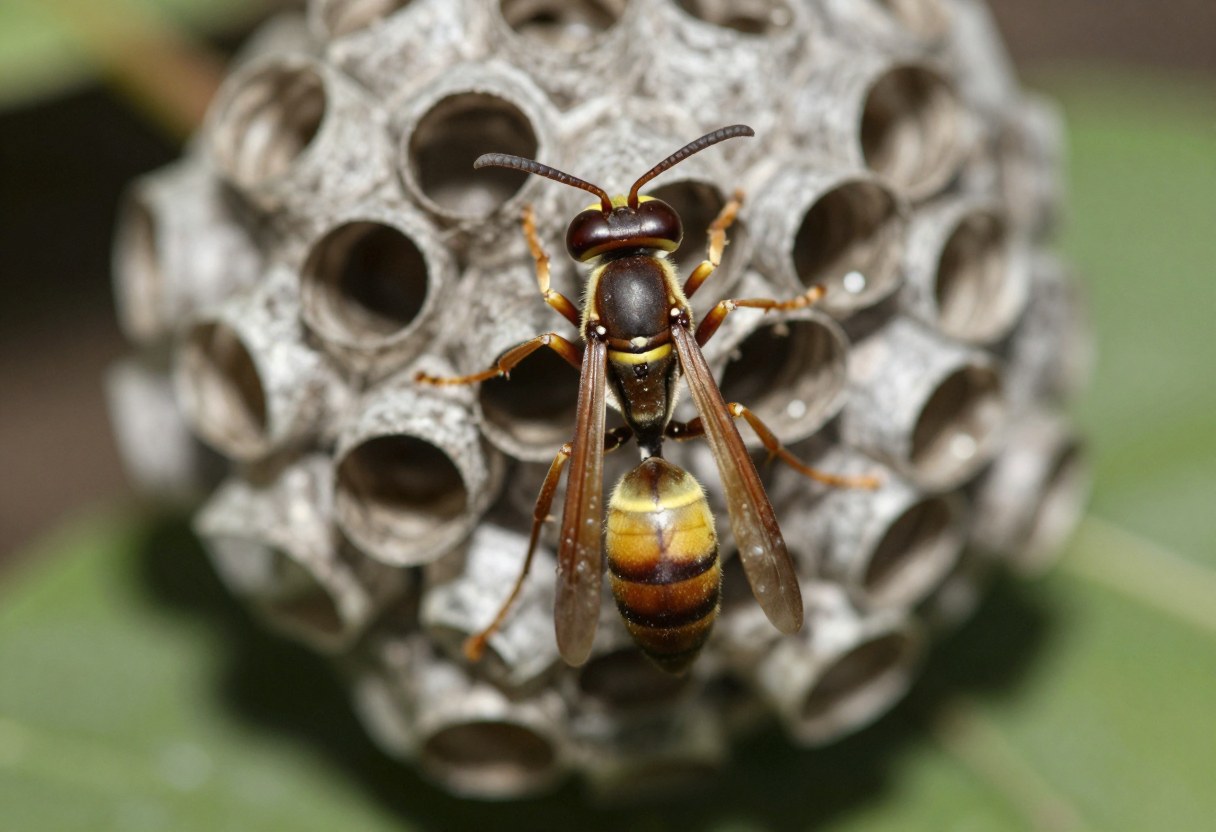
Polistes species
A slim, long-legged wasp that builds an open, umbrella-shaped nest under eaves and ledges, and usually stings only when its nest is threatened.
Size: About 3/4 inch
 Stinging Insects
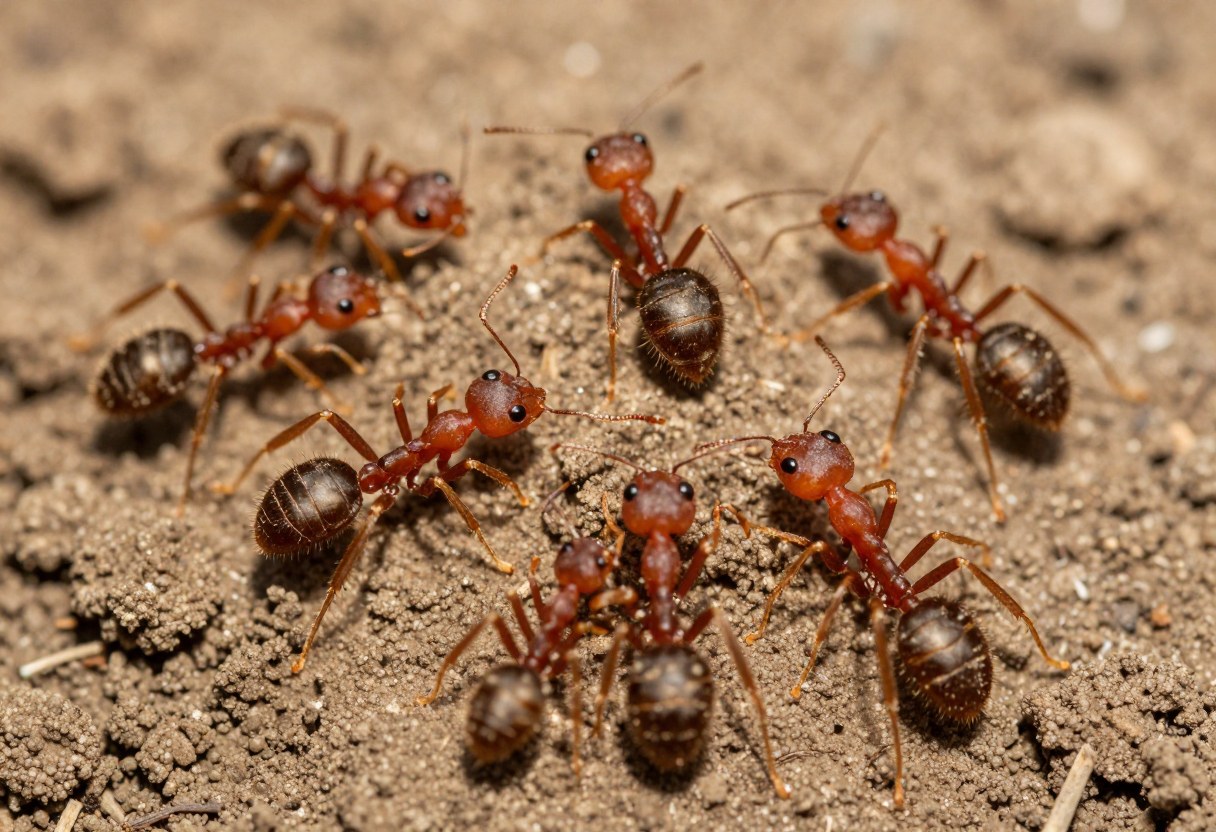
Solenopsis invicta
A small, aggressive reddish ant of the South whose mounds erupt in a swarm when disturbed, and whose stings burn and blister.
Size: About 1/8 to 1/4 inch
 Stinging Insects
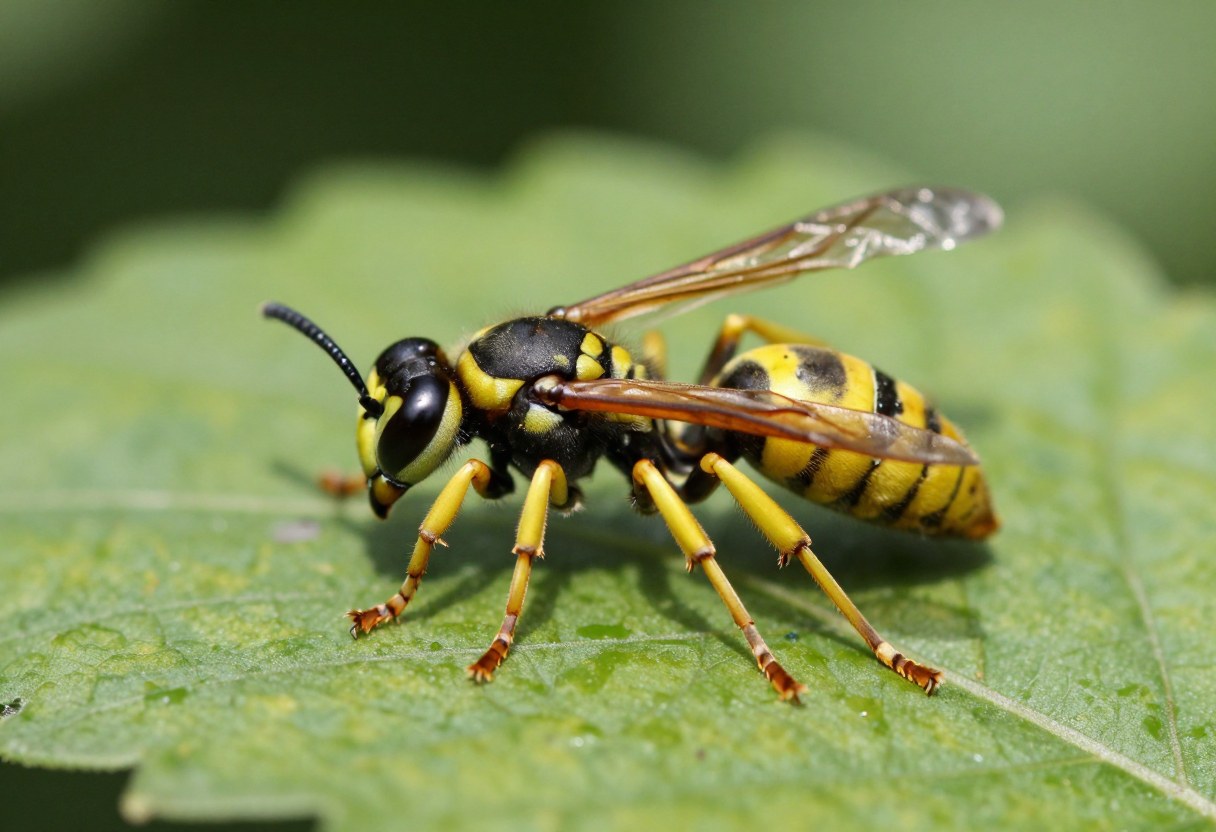
Vespula and Dolichovespula species
A bold, black-and-yellow wasp that nests in the ground and in walls and defends its nest fiercely, especially in late summer.
Size: About 3/8 to 5/8 inch