
Field Guide / Ticks, Spiders & Biting Pests
Deer Fly
Chrysops species
Also called: horsefly
A persistent, hard-biting fly of marshes, lakeshores, and wet woods, active on hot, sunny days, with a bite that slices skin and hurts.
- Kind
- Biting Flies & Mites
- Size
- About 1/4 to 1/2 inch
- Range
- Throughout the United States, especially near water
- Regions
- Northeast, Southeast, Midwest & Plains, Southwest, Rockies & West
- When active
- Summer, during the day
- Concern
- Painful or itchy, Can carry disease
How to identify it
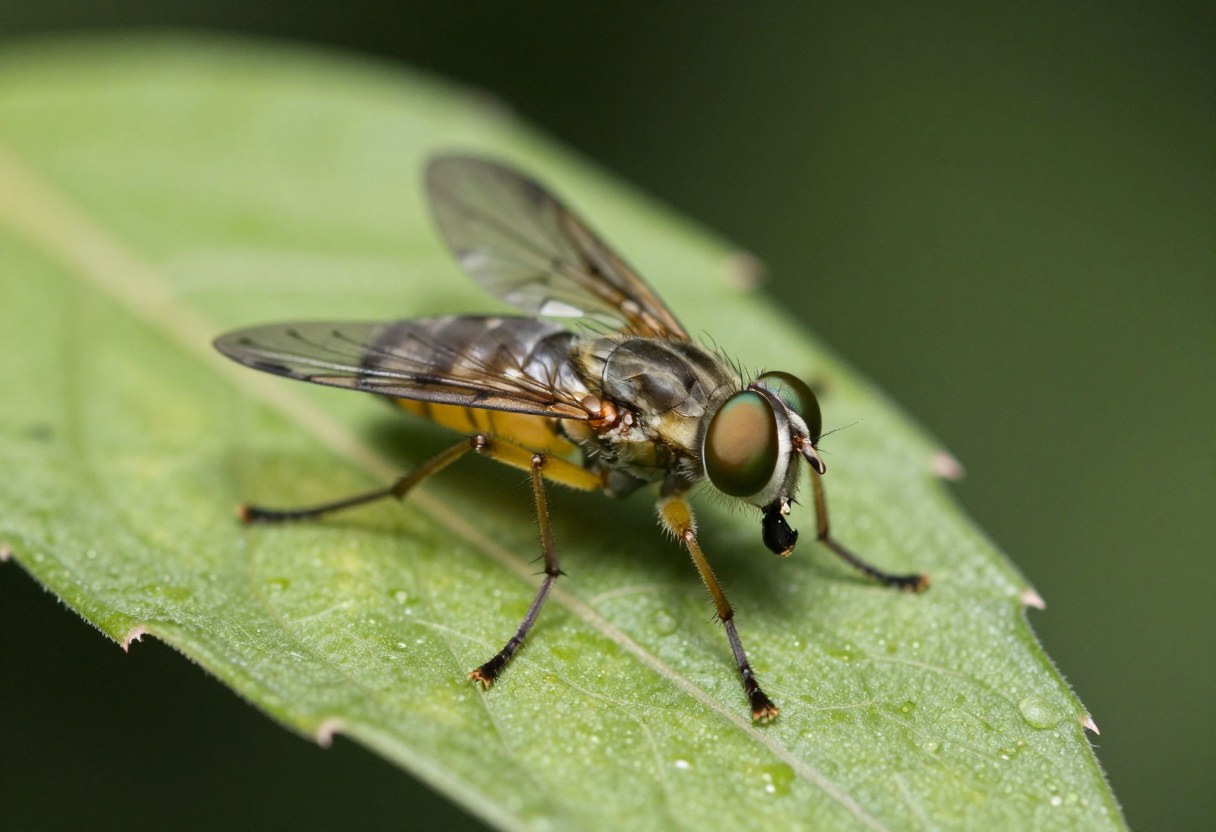
- A stout fly with large, bright, golden-green eyes.
- Dark bands cross the wings.
- The body is yellow-brown, often with dark stripes.
- It circles the head and lands on the neck and back.
Health risk
Deer fly bites are painful and can bleed or swell. Rarely, deer flies spread tularemia. The main concern is the bite itself and the chance of infection.
How to avoid it
- Use an EPA-registered repellent on exposed skin, such as DEET, picaridin, IR3535, or oil of lemon eucalyptus, and follow the label.
- Wear a hat, since deer flies often circle the head.
- Choose clothing that covers the neck and arms, and consider permethrin-treated clothing.
- Avoid marshes and still water in the middle of hot days.
If you are bitten or stung
- Wash the bite with soap and water.
- Apply a cold pack to ease pain and swelling.
- Use hydrocortisone cream or an antihistamine as the label directs.
- Keep the bite clean and watch for infection.
When to get medical care
- See a doctor if a bite looks infected, or if you have a fever or swollen glands after a deer fly bite.
- Get emergency care for hives or trouble breathing.
Call 911 for trouble breathing, swelling of the face or throat, a racing heart, dizziness, or fainting.
Often confused with
- Biting Midge: a much smaller biter, with an itchy rather than a stabbing bite.
Field notes
Deer flies are drawn to movement, dark colors, and carbon dioxide. A sticky patch on the back of a hat is an old trick that works, and many anglers keep one.
Related guides
This page is general information from public health sources such as the CDC, not medical advice. Risks vary with where you live, your health, and any allergies, so talk to a doctor or pharmacist about repellents, allergy plans, and vaccines. Follow the label on any repellent or insecticide.