
Field Guide / Ticks, Spiders & Biting Pests
Mosquito
Culicidae (family)
Also called: skeeter
The most common biting insect outdoors, a nuisance at dusk and dawn near standing water, and a carrier of diseases such as West Nile virus.
- Kind
- Biting Flies & Mites
- Size
- About 1/4 inch
- Range
- Throughout the United States
- Regions
- Northeast, Southeast, Midwest & Plains, Southwest, Rockies & West
- When active
- Warm months, especially at dusk and dawn, and all day in some species
- Concern
- Can carry disease, Painful or itchy
How to identify it
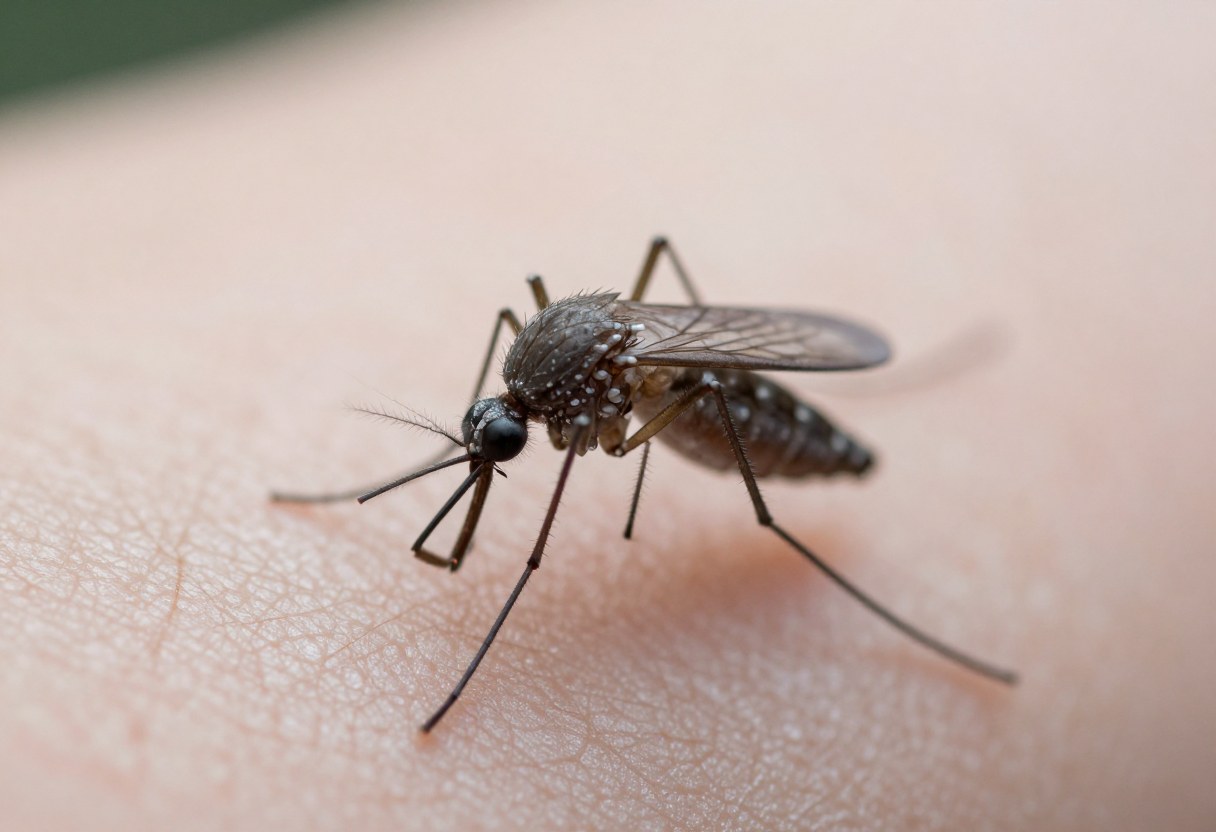
- A slender gray or brown body with long, thin legs.
- A long, needle-like mouthpart for feeding.
- A single pair of wings, with scales along the edges.
- Often found near standing water, shaded areas, and tall grass.
Health risk
Mosquito bites are mostly itchy bumps. Some mosquitoes spread West Nile virus, eastern equine encephalitis, and other illnesses. Most infected people have no symptoms or mild ones, but some develop a serious illness.
How to avoid it
- Use an EPA-registered repellent on exposed skin, such as DEET, picaridin, IR3535, or oil of lemon eucalyptus, and follow the label.
- Wear long sleeves and pants in thick mosquito areas, and consider permethrin-treated clothing.
- Avoid peak biting times near water, or use a head net.
- Drain standing water around camps and homes, where mosquitoes lay eggs.
If you are bitten or stung
- Wash the bites with soap and water.
- Apply a cold pack or cool cloth, and use hydrocortisone cream or calamine lotion as the label directs.
- Try not to scratch, which can break the skin and lead to infection.
When to get medical care
- See a doctor for fever, a severe headache, stiff neck, confusion, or weakness after mosquito bites.
- Get care if a bite shows signs of infection, such as spreading redness, warmth, or pus.
Call 911 for trouble breathing, swelling of the face or throat, a racing heart, dizziness, or fainting.
Often confused with
- Biting Midge: much smaller, and leaves itchy welts.
Field notes
Mosquitoes breed in standing water, even a small amount, so a wet camp or a rainy summer can bring clouds of them. A head net and treated clothing work well when repellent alone is not enough.
Related guides
This page is general information from public health sources such as the CDC, not medical advice. Risks vary with where you live, your health, and any allergies, so talk to a doctor or pharmacist about repellents, allergy plans, and vaccines. Follow the label on any repellent or insecticide.