
Field Guide / Ticks, Spiders & Biting Pests
Chigger
Trombiculidae (larvae)
Also called: red bug
A tiny mite larva of grass and brush that leaves intensely itchy red welts, usually around the ankles, waist, and other tight spots.
- Kind
- Biting Flies & Mites
- Size
- About 1/150 inch, barely visible
- Range
- Most of the eastern and central United States, and the South
- Regions
- Southeast, Midwest & Plains, Southwest, Northeast
- When active
- Late spring through fall, and most active in warm, humid weather
- Concern
- Painful or itchy
How to identify it
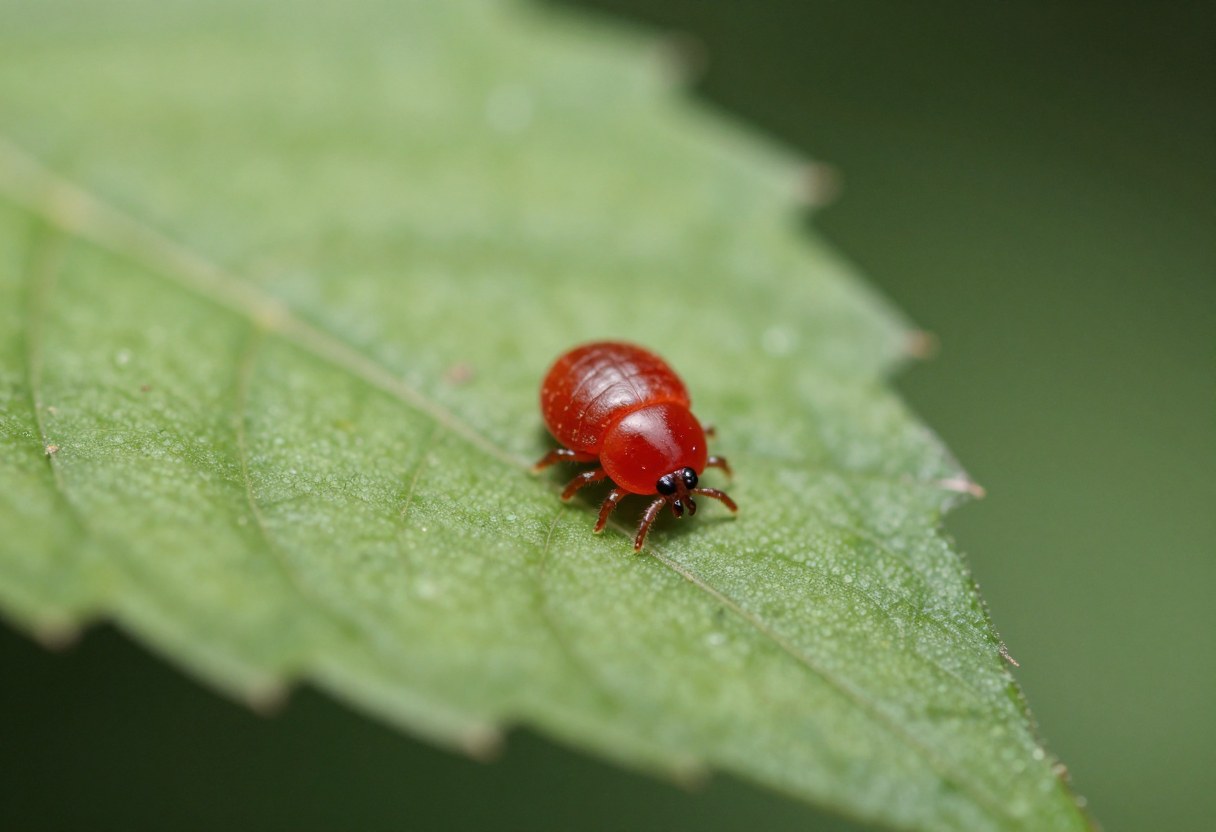
- Chiggers are tiny, bright red or orange mites, hard to see without a close look.
- Bites show up as clusters of intensely itchy red bumps, often around the ankles, waistband, and behind the knees.
- They live in tall grass, brush, and along streams and lakes.
- The itching usually begins several hours after the bite.
Health risk
Chigger bites cause severe itching and red welts that can last for a week or more. In the United States chiggers are not known to spread disease. Scratching can lead to infection.
How to avoid it
- Use an EPA-registered repellent on exposed skin, such as DEET, picaridin, IR3535, or oil of lemon eucalyptus, and follow the label.
- Wear long pants tucked into socks or boots when walking through tall grass and brush.
- Shower and wash clothing soon after being outdoors.
- Avoid sitting or lying directly in tall grass.
If you are bitten or stung
- Wash the area with soap and water as soon as possible.
- Apply a cold pack, and use hydrocortisone cream or calamine lotion as the label directs.
- Try not to scratch, and keep the bites clean.
When to get medical care
- See a doctor if bites look infected, with spreading redness, warmth, or pus.
- Get care if itching is severe and not helped by over-the-counter treatment.
Call 911 for trouble breathing, swelling of the face or throat, a racing heart, dizziness, or fainting.
Often confused with
- Biting Midge: a flying insect that also leaves itchy bumps.
Field notes
Chiggers do not burrow under the skin, despite the old stories. They feed on skin cells at the surface and drop off, which is why the welts show up after they are gone.
Related guides
This page is general information from public health sources such as the CDC, not medical advice. Risks vary with where you live, your health, and any allergies, so talk to a doctor or pharmacist about repellents, allergy plans, and vaccines. Follow the label on any repellent or insecticide.