
Streamer
Also called: streamer fly, minnow fly
A larger fly that imitates a baitfish, sculpin, or leech, stripped back through the water to draw strikes from bigger fish.
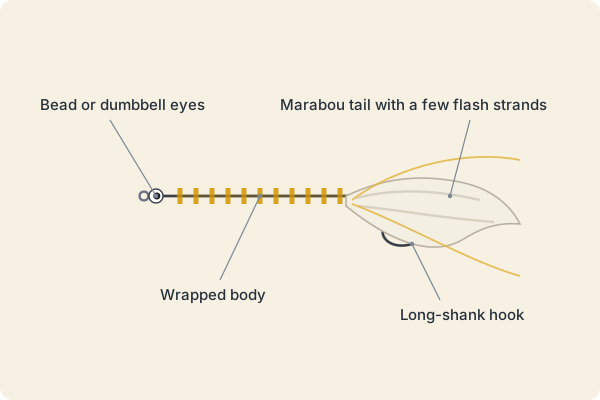
- Type
- Flies
- Target fish
- Trout & Salmon, Bass, Pike & Walleye
- Skill
- Takes some practice
- Depth
- Near the surface to deep, depending on the line and fly weight
- Best seasons
- Spring and fall
Note: Rules on hooks and barbs vary by water, so check your state's rules.
When it works best
- When you want to target larger fish.
- In stained water or after rain.
- When fish are feeding on baitfish.
How to fish it
- Cast across the current or toward the bank.
- Let the fly sink a moment.
- Strip the line in short pulls to make the fly dart.
- Or let it swing across the current on a tight line.
Tips
- Use heavier flies or a sinking line to get deeper.
- Bright colors work in stained water, and natural colors in clear water.
- Vary the speed of the strips.
Common mistakes
- Stripping too fast.
- Using a leader that is too light for a big fly.
- Giving up after a few casts.
Gear
A slightly heavier fly rod, with a stout leader, helps cast larger flies.
Often confused with
- Nymph: a smaller fly that imitates insect larvae.
Fish it catches
Field notes
Streamers are the fly that most often brings up a big fish. They are also a good way to start fly fishing for bass.
Related guides
What works varies by water, season, and the fish that day, so use this as a starting point. Regulations on live bait, hook type and number, lead tackle, and baitfish transport differ by state and water body. Check your state's current fishing rules; our state resources directory links to each state's official regulations and license portal.