
Popper
Also called: topwater popper
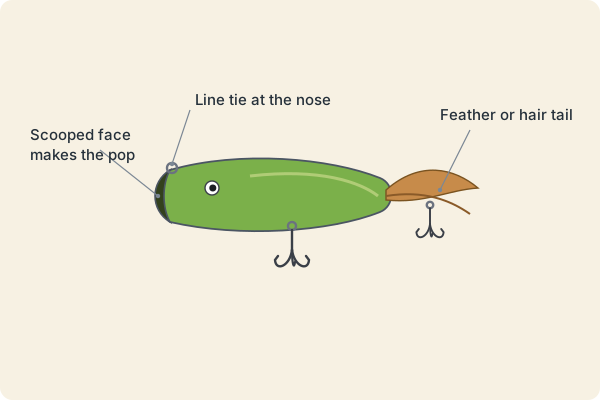
A small topwater plug with a scooped face that makes a splash and a pop when twitched. It brings explosive strikes at dawn and dusk.
- Type
- Hard Baits
- Target fish
- Bass, Panfish
- Skill
- Beginner-friendly
- Depth
- Surface
- Best seasons
- Late spring through early fall
Note: Treble hooks are sharp and can injure people and fish. Pinch the barbs down, keep hooks covered when you are not fishing, and use pliers to remove them. Some waters limit the number of hooks or require single or barbless hooks, so check your state's rules.
When it works best
- At dawn, dusk, and on overcast days in calm water.
- Around weeds, docks, and brush in warm weather.
- When bluegill and bass are feeding near the surface.
How to fish it
- Cast near cover and let the ripples die down.
- Give the rod a short twitch to make a pop.
- Pause until the water is calm again, then pop it once more.
- When a fish hits, wait until you feel its weight before you set the hook.
Tips
- Small poppers work well for bluegill, especially on a light spinning or fly rod.
- A frog pattern is a good all-purpose color.
Common mistakes
- Setting the hook the instant you see the splash, which pulls the lure away.
- Popping too fast and too hard.
- Skipping the long pause.
Gear
A medium-power rod with a fast tip makes short twitches easier.
Often confused with
- Walking bait: has no scooped face, and swings side to side instead of popping.
Fish it catches
Field notes
A popper is fun to fish because you see the strike. The challenge is waiting for the fish to turn before setting the hook.
Related guides
What works varies by water, season, and the fish that day, so use this as a starting point. Regulations on live bait, hook type and number, lead tackle, and baitfish transport differ by state and water body. Check your state's current fishing rules; our state resources directory links to each state's official regulations and license portal.