
Choosing the Right Fishing Lures and Baits
How to match lure type, color, and live bait to the species, water, and conditions you're fishing.
Published August 19, 2026
Why Lure Selection Is About Matching, Not Guessing
New anglers often approach lure and bait choice by trial and error, or by buying whatever looks appealing on a store shelf — but experienced anglers are actually running a matching process: matching what's naturally available in that water (the "match the hatch" principle), matching water clarity and light conditions, and matching the target species' typical feeding behavior. Understanding this matching logic, rather than memorizing a long list of specific products, is what actually transfers between different fishing trips and species. This guide covers how to think through that matching process for both artificial lures and live bait.
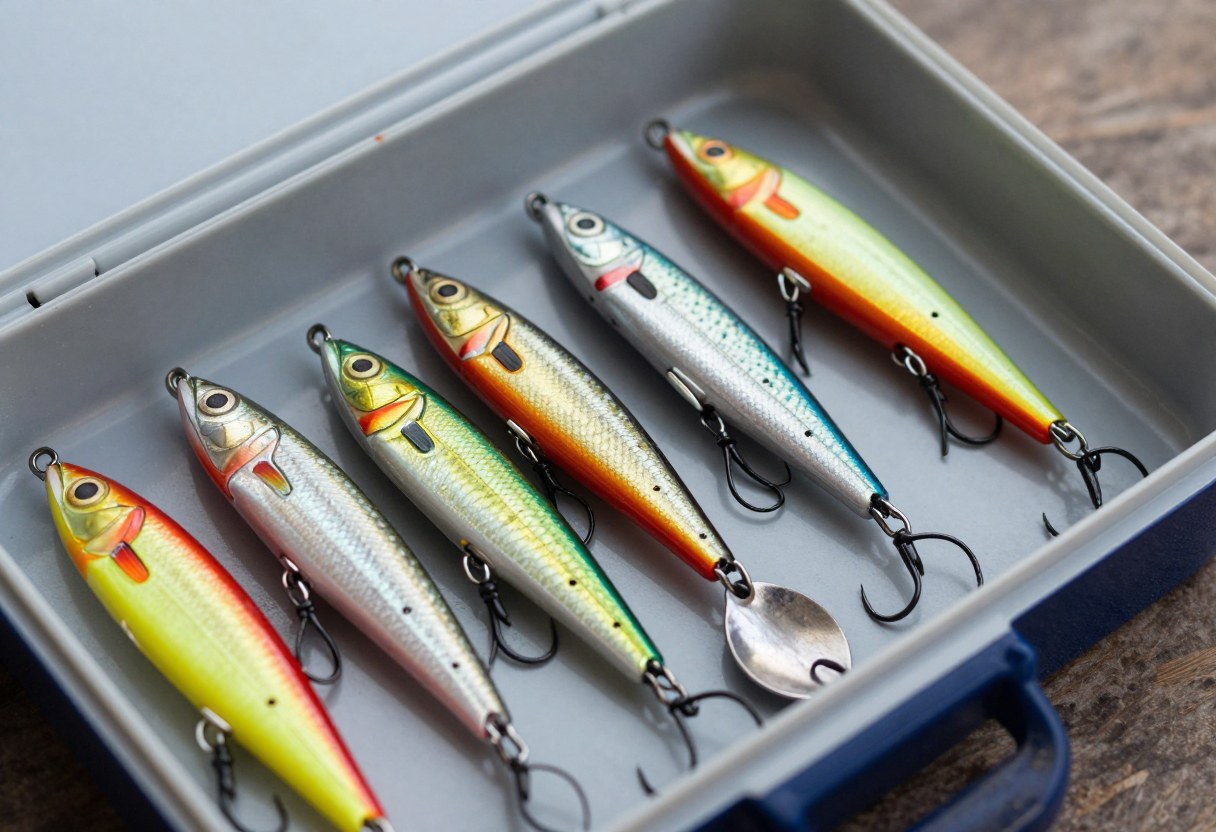
1. Live Bait vs. Artificial Lures: The Real Tradeoffs
| Factor | Live Bait | Artificial Lures |
|---|---|---|
| Natural appeal | Highest — real scent, movement, and texture | Lower, though modern lures with scent additives narrow this gap |
| Effort per fish | Often lower — many species readily take live bait with minimal technique | Often requires more active technique and presentation skill |
| Reusability/cost over time | Ongoing cost, needs to be kept alive/fresh | One-time cost, reusable indefinitely (barring loss/damage) |
| Regulations | Some waters restrict or ban live bait (invasive species/disease concerns) | Generally unrestricted, though check local regulations |
| Skill development | Less transferable technique-building | Builds transferable presentation and retrieve skills |
Neither is strictly "better" — live bait is often the more reliable choice for beginners or for species less responsive to artificial presentation, while artificial lures build skills that transfer across species and locations and avoid live bait logistics (keeping bait alive, disposal regulations, cost over a season).
2. Matching Lure Type to Target Species
| Species | Effective Lure Types |
|---|---|
| Largemouth/smallmouth bass | Soft plastic worms, spinnerbaits, crankbaits, topwater, jigs |
| Trout | Small spinners, spoons, flies (fly fishing), small crankbaits, live bait (worms, minnows where legal) |
| Panfish (bluegill, crappie) | Small jigs, tiny spinners, live bait (worms, small minnows for crappie) |
| Walleye | Jigs tipped with live bait, crankbaits, live bait rigs (bottom bouncers) |
| Pike/musky | Large spoons, bucktail spinners, large swimbaits, large crankbaits |
| Catfish | Live or cut bait, prepared "stink" baits, occasionally jigs in current |
| Saltwater surf species | Cut bait, live bait, soft plastics, metal jigs/spoons |
This is a starting reference, not an exhaustive list — local knowledge and conditions on a given day often matter more than a generic species-lure pairing.
3. Water Clarity: A Bigger Factor Than Most Beginners Realize
- Clear water: Fish can see detail well, so more natural, subtle colors and finishes (natural baitfish patterns, translucent soft plastics) tend to perform better, and fish are often more line-shy, favoring lighter line and less obtrusive presentations.
- Stained/murky water: Fish rely more on vibration and silhouette than fine visual detail — brighter, higher-contrast colors (chartreuse, bright orange, black) and lures that produce more vibration (spinnerbaits, rattling crankbaits) tend to outperform natural, subtle colors.
- This single factor — water clarity — is one of the most reliable, broadly applicable pieces of lure-color logic across many species, more consistently useful than most detailed color-matching theories.
4. Matching Lure Color to Light Conditions
- Bright, sunny conditions: Natural colors and more subtle, translucent finishes often work well, since fish get a clearer look at the lure and natural presentations hold up better under scrutiny.
- Overcast or low-light conditions (dawn/dusk): Darker silhouette colors (black, dark blue, dark green) can be more visible to fish as a clear outline against a lighter sky, particularly for topwater and shallow presentations.
- Night fishing: Dark silhouette colors or, alternatively, glow/UV-enhanced lures (where legal) tend to perform well, since strong silhouette or active glow beats subtle natural coloring in near-total darkness.
5. "Match the Hatch": Reading What's Actually in the Water
- Observe what baitfish, insects, or forage are actually present in the water you're fishing — matching your lure's size, color, and profile to the dominant natural forage is one of the most reliable ways to improve lure selection beyond generic species advice.
- Seasonal forage shifts matter — spring insect hatches, summer baitfish schools, and fall baitfish activity all shift what's naturally abundant and what predatory fish are keyed in on at a given time of year.
- When in doubt, err toward matching size and general profile over exact color — a reasonably sized, natural-profile lure in an approximately right color often outperforms an exactly color-matched lure in the wrong size.
6. Basic Live Bait Types and Uses
| Bait Type | Best For | Notes |
|---|---|---|
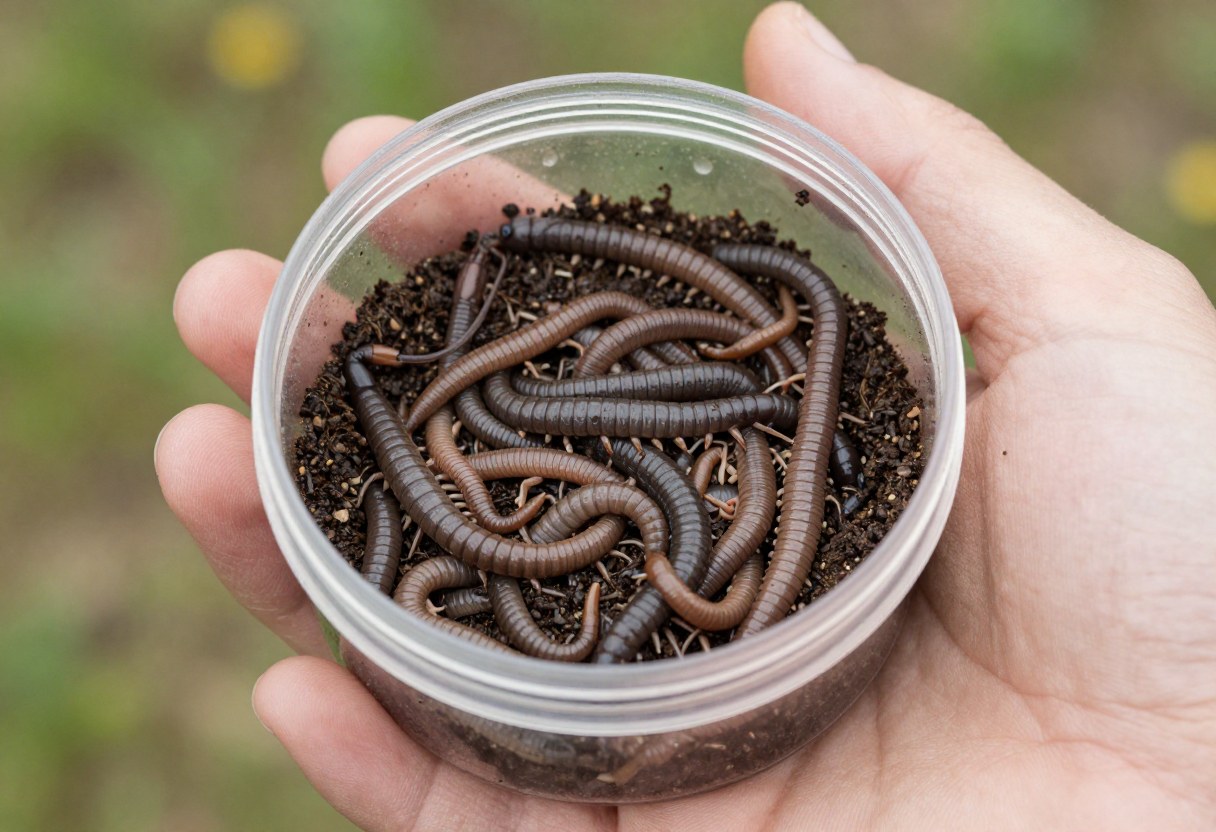
| Worms (nightcrawlers, red wigglers) | Extremely versatile — panfish, bass, trout, catfish | Widely available, easy to keep, one of the best all-around beginner baits |
| Minnows | Walleye, crappie, bass, pike | Requires a bait bucket/aerator to keep alive; check local regulations on species and transport |
| Crickets/insects | Panfish, trout | Popular for panfish especially; requires proper ventilated container |
| Cut bait/chunk bait | Catfish, saltwater species | Using pieces of oily, scented fish; effective for scent-driven feeders |
Always check local live bait regulations before use — many states restrict which baitfish species can be used or transported between water bodies specifically to prevent invasive species spread, and this varies significantly by state and even by specific water body.
7. Lure Action and Retrieve Considerations
- Vibration-based lures (spinnerbaits, rattling crankbaits) rely on fish detecting vibration through their lateral line, which is especially valuable in murky water or low visibility where sight alone isn't reliable for the fish.
- Subtle, finesse presentations (soft plastics fished slowly, small jigs) tend to work better on pressured fish (heavily fished water where fish have seen many lures) or in clear, calm conditions where fish can inspect a bait closely.
- Reaction-strike lures (fast-moving crankbaits, topwater) trigger an instinctive strike response rather than relying on a fish deliberately deciding to eat, and can be effective even when fish aren't actively, deliberately feeding.
8. Common Lure and Bait Selection Mistakes
- Choosing lure color primarily by what looks appealing to human eyes rather than matching water clarity and light conditions, which is what actually matters to the fish.
- Ignoring water clarity as a factor entirely, missing one of the most broadly reliable pieces of lure-selection logic.
- Not observing what's actually present as natural forage, missing a "match the hatch" opportunity that often outperforms generic species advice.
- Using live bait without checking local regulations, risking both a violation and real ecological harm from invasive species spread.
- Overcomplicating lure selection with too many options rather than a focused, versatile lineup matched to the conditions actually being fished.
- Sticking with one lure type all day regardless of results, rather than adjusting color/type/retrieve based on water clarity, light, and how fish are actually responding.
Quick Decision Checklist
- I've considered whether live bait or artificial lures better fit my target species, skill level, and local regulations
- I've matched lure type broadly to my target species using the reference table as a starting point
- I've assessed water clarity and adjusted color/vibration level accordingly (natural/subtle for clear, bright/vibrating for murky)
- I've considered light conditions (bright sun, overcast, dawn/dusk, night) in my color choice
- I've observed what natural forage is present and tried to roughly match size and profile
- I've checked local live bait regulations if using live bait, particularly regarding species and transport between waters
Glossary
- Match the Hatch: The principle of selecting a lure or bait that closely resembles the natural forage (baitfish, insects) actually present in the water being fished.
- Lateral Line: A fish's sensory organ for detecting vibration and pressure changes in water, relevant to how vibration-based lures attract fish, especially in low-visibility water.
- Finesse Presentation: A subtle, slow, natural-looking lure presentation, often more effective on pressured fish or in clear, calm conditions.
- Cut Bait: Pieces of fish (fresh or preserved) used as bait, relying on scent to attract scent-driven feeders like catfish.
Final Takeaway
Effective lure and bait selection comes down to a matching process, not a fixed formula: match lure type to your target species as a starting point, then adjust color and presentation style based on water clarity and light conditions, and pay attention to what natural forage is actually present in the water. This matching logic transfers across species and locations far better than memorizing specific product recommendations, and it's the real skill experienced anglers are applying even when it looks like simple trial and error.
Effective lure and bait choices can vary significantly by specific body of water, season, and local fish behavior — treat this guide's matching principles as a transferable framework to apply and refine with your own on-the-water observations.