
Lipless Crankbait
Also called: rattle bait, Rat-L-Trap style
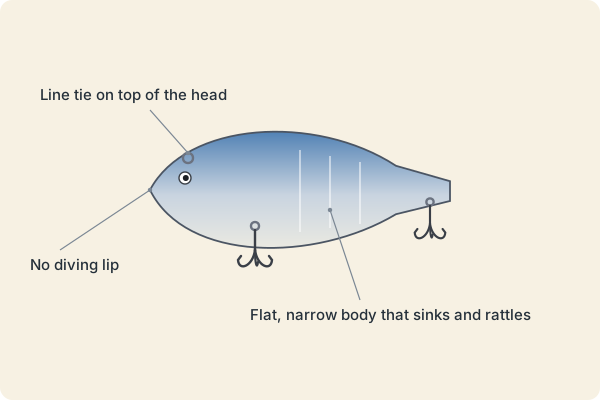
A flat-sided, rattling plug with no lip that sinks and can be fished at almost any depth. It covers a lot of water fast.
- Type
- Hard Baits
- Target fish
- Bass, Pike & Walleye
- Skill
- Beginner-friendly
- Depth
- Anywhere from 1 to 15 feet, by counting it down
- Best seasons
- Spring and fall
Note: Treble hooks are sharp and can injure people and fish. Pinch the barbs down, keep hooks covered when you are not fishing, and use pliers to remove them. Some waters limit the number of hooks or require single or barbless hooks, so check your state's rules.
When it works best
- Over and along weed beds, where you can rip it free of the grass.
- In spring and fall, when fish chase baitfish.
- When you want to cover water quickly and find active fish.
How to fish it
- Cast and let the lure sink, counting down to find the depth you want.
- Reel steadily so it runs just above the weeds or bottom.
- Or lift the rod sharply to rip the lure free of weeds, then let it fall.
- Strikes often come as the lure falls, so watch your line.
Tips
- Count to a different number on each cast until you find the depth where fish bite.
- Chrome or natural shad colors work in clear water; red or bright colors work in murky water.
Common mistakes
- Letting the lure get hung in the weeds without ripping it free.
- Keeping a slack line, which makes it hard to feel the strike.
- Fishing too fast in cold water.
Gear
A medium-heavy rod with a bit of give helps keep hooks from tearing out.
Often confused with
- Shallow crankbait: has a lip that makes it dive and cannot be counted down.
Fish it catches
Field notes
Lipless crankbaits are among the fastest ways to cover water. They are also noisy, which helps in stained water and around weeds.
Related guides
What works varies by water, season, and the fish that day, so use this as a starting point. Regulations on live bait, hook type and number, lead tackle, and baitfish transport differ by state and water body. Check your state's current fishing rules; our state resources directory links to each state's official regulations and license portal.