
Grub on a Jig Head
Also called: curly-tail grub
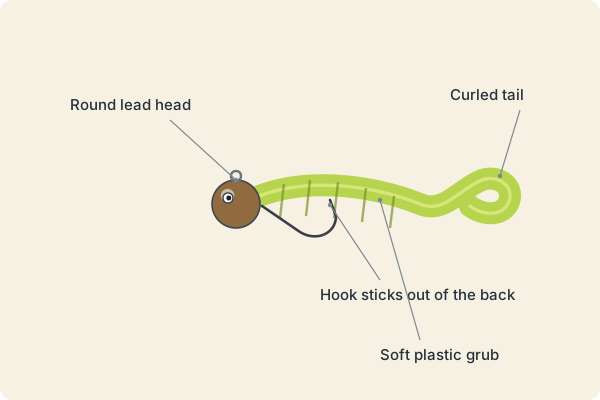
A soft plastic grub with a curled tail on a round lead head. It is a favorite for crappie, bluegill, and walleye, and simple to fish.
- Type
- Soft Plastics
- Target fish
- Panfish, Bass, Pike & Walleye, Trout & Salmon
- Skill
- Beginner-friendly
- Depth
- Shallow to mid-depth, set by the weight of the head
- Best seasons
- Spring through fall
Note: Some states restrict or ban lead sinkers and jigs in certain waters, so check your state's rules and consider tungsten, steel, or other non-lead options.
When it works best
- For crappie, bluegill, and walleye.
- When you want a simple lure that needs no special technique.
- Around brush, docks, and drop-offs.
How to fish it
- Thread the grub onto the jig hook so it sits straight.
- Cast and let it sink to the depth you want.
- Reel slowly so the tail wiggles.
- Or jig it up and down along the bottom.
Tips
- A one-sixteenth to one-eighth ounce head is a good size for crappie.
- Chartreuse, white, and black are reliable colors.
Common mistakes
- Reeling too fast.
- Using a head that is too heavy for the depth.
- Leaving the grub crooked on the hook.
Gear
An ultralight or light spinning rod with 4- to 8-pound line is a good match for panfish.
Often confused with
- Crappie jig: has a feather or hair tail rather than a soft plastic body.
Fish it catches
Field notes
This is one of the easiest ways to catch panfish. Cast it out, let it sink, and reel it slowly back.
Related guides
What works varies by water, season, and the fish that day, so use this as a starting point. Regulations on live bait, hook type and number, lead tackle, and baitfish transport differ by state and water body. Check your state's current fishing rules; our state resources directory links to each state's official regulations and license portal.