
Crappie Jig
Also called: marabou jig, hair jig
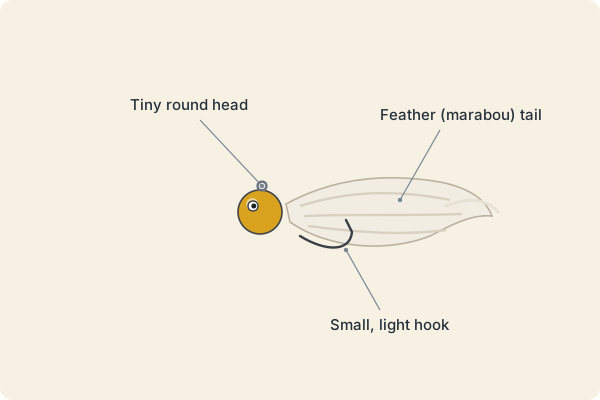
A tiny feathered or hair-tailed jig for crappie and bluegill, fished under a bobber or on a slow retrieve.
- Type
- Jigs
- Target fish
- Panfish
- Skill
- Beginner-friendly
- Depth
- About 3 to 15 feet
- Best seasons
- Spring through fall, and through the ice
Note: Some states restrict or ban lead sinkers and jigs in certain waters, so check your state's rules and consider tungsten, steel, or other non-lead options.
When it works best
- Around brush, docks, and submerged trees where crappie hold.
- In spring when crappie move shallow.
- When panfish are finicky and want something small.
How to fish it
- Tie the jig on with a small loop knot so it can move freely.
- Fish it under a bobber, set to the depth where the fish are.
- Or cast and reel slowly.
- Lift the rod slightly when the bobber dips.
Tips
- Try chartreuse, white, and black.
- Vary the depth until you find where the fish are.
- Use light line, such as 4-pound test.
Common mistakes
- Reeling too fast.
- Using heavy line that stops the jig from moving.
- Fishing too deep or too shallow.
Gear
An ultralight rod, about 6 to 7 feet long, with 4-pound line is a good match.
Often confused with
- Grub on a jig head: has a curly-tail soft plastic body.
Fish it catches
Field notes
Crappie jigs are tiny and cheap, and a small box of them can catch fish for a whole season.
Related guides
What works varies by water, season, and the fish that day, so use this as a starting point. Regulations on live bait, hook type and number, lead tackle, and baitfish transport differ by state and water body. Check your state's current fishing rules; our state resources directory links to each state's official regulations and license portal.