
Panfish and Crappie Fishing Basics
The easiest, most forgiving fish to catch — great gear and technique for beginners and kids.
Published August 19, 2026
Why Panfish Are the Right Place to Actually Learn Fishing
Panfish — bluegill, sunfish, crappie, and similar species — are abundant, aggressive, and genuinely forgiving of beginner mistakes in a way that makes them the best entry point into fishing, especially for kids or anyone learning the sport for the first time. Unlike species that demand precise presentation and technique to get consistent bites, panfish reward simple, basic approaches with real, frequent success — which builds the confidence and interest that keeps someone coming back to fishing at all. This guide covers the simple, effective gear and technique that makes panfishing such a good starting point.
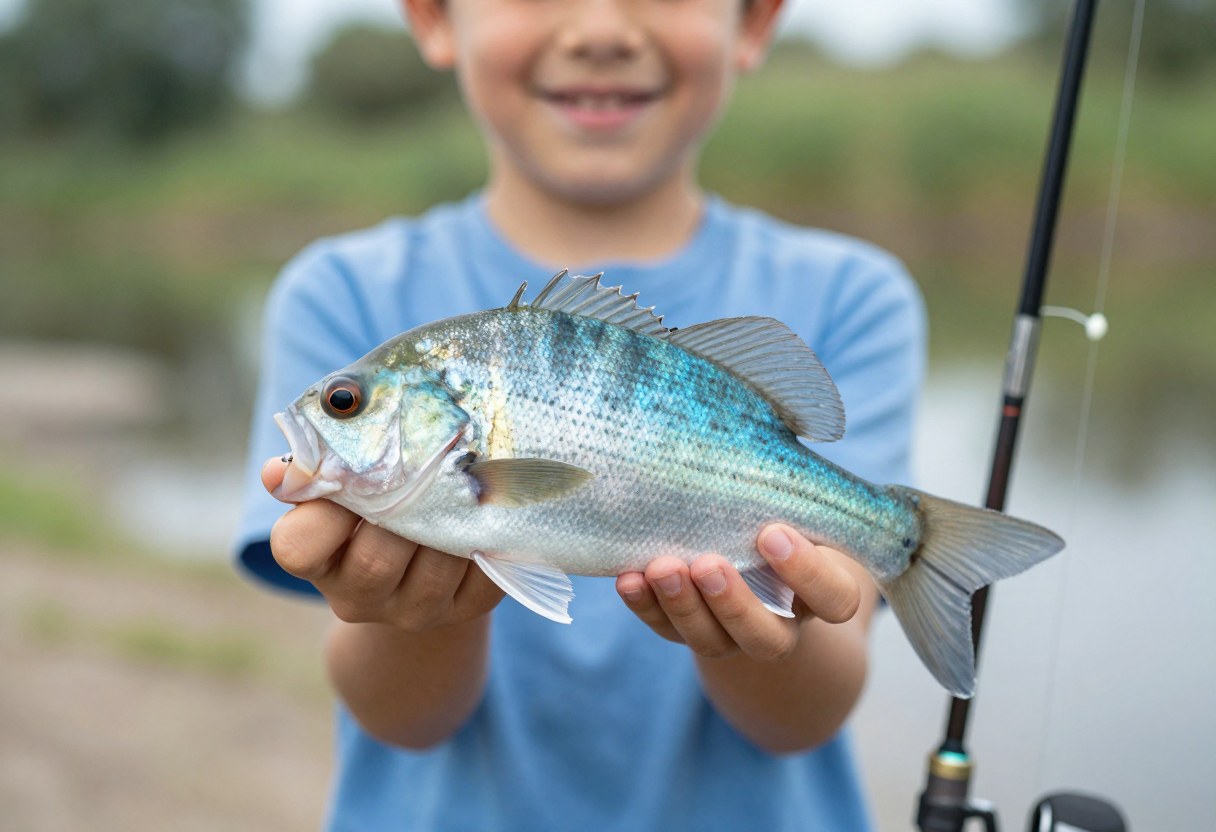
1. What Counts as "Panfish"
- Bluegill and other sunfish (redear, pumpkinseed, and similar species) are among the most abundant, widely distributed panfish across North American lakes and ponds, and are typically the easiest to catch consistently.
- Crappie (black and white crappie) are technically panfish too, though they behave somewhat differently — often schooling around specific structure and sometimes requiring slightly more deliberate technique than bluegill's more opportunistic feeding.
- Yellow perch are another common panfish, often found in cooler or northern waters, with feeding behavior similar in accessibility to bluegill for beginner purposes.
- This guide's core techniques apply broadly across these species, with crappie-specific notes called out where behavior meaningfully differs.
2. Simple, Effective Gear
- A light or ultralight spinning rod and reel combo is ideal — panfish are small enough that heavier tackle actually reduces the fun and feel of the fight, and light tackle is easier for a beginner (especially a child) to cast and handle.
- 4–8 lb monofilament line is plenty for panfish and easy to handle for a beginner, without the finicky nature of lighter lines or the reduced sensitivity of heavier ones.
- Small hooks (size 6–10 for bluegill/sunfish, slightly larger for crappie) matched to the fish's genuinely small mouth — oversized hooks are a common reason beginners miss bites from fish that are actually there and biting.
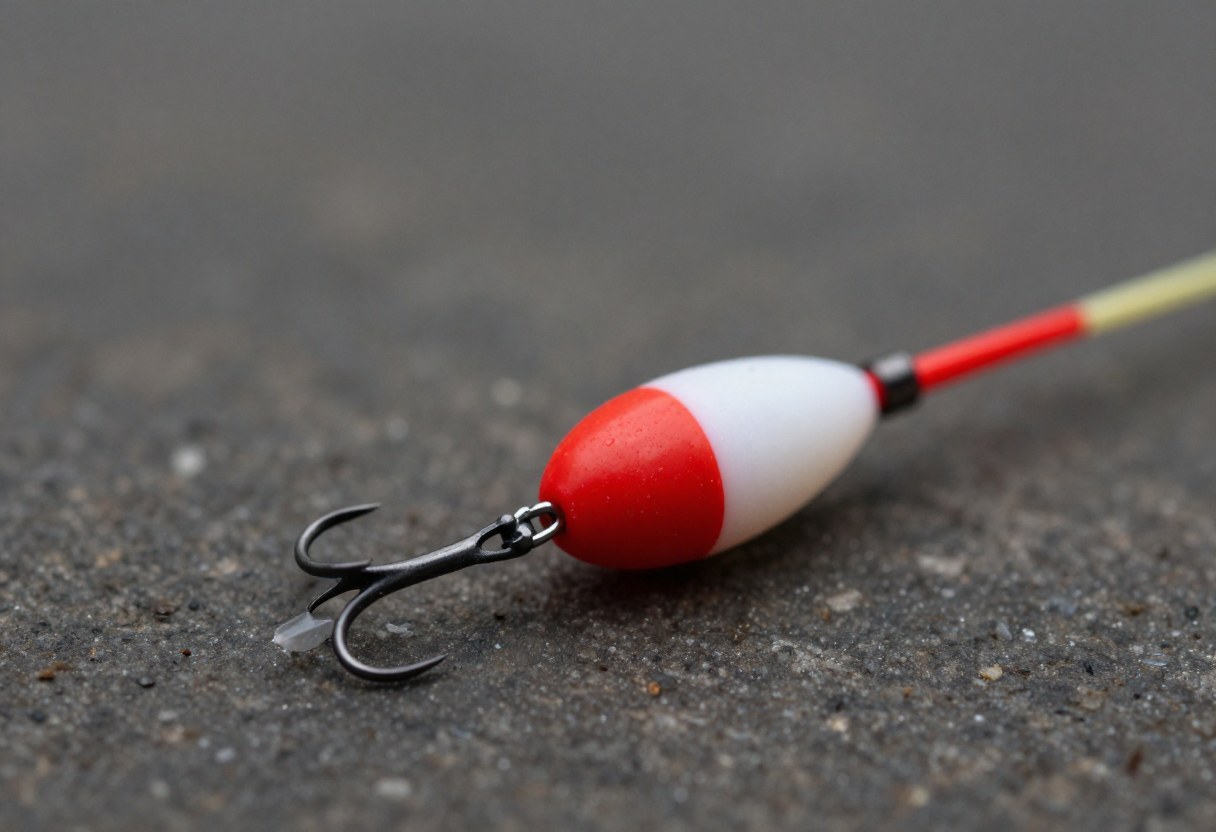
- A bobber/float is a simple, effective, highly visual bite indicator that makes it easy for a beginner (or a child) to recognize when a fish is actually biting, without needing to learn to feel subtle strikes through the rod.
3. Bait and Simple Lures
| Bait/Lure | Best For | Notes |
|---|---|---|
| Worms (nightcrawlers, red wigglers, or pieces of either) | Bluegill, sunfish, perch | Extremely reliable, widely available, genuinely hard to fish incorrectly |
| Small jigs (1/32–1/8 oz, various colors) | All panfish, especially effective for crappie | Simple to fish under a bobber or with a light jigging motion |
| Crickets | Bluegill, sunfish | Popular live bait option, especially effective in warmer months |
| Small minnows | Crappie especially | Crappie respond particularly well to small live minnows, more so than most other panfish |
A simple worm-and-bobber setup is the single most reliable, beginner-proof combination for bluegill and sunfish — genuinely hard to fish wrong, and consistently productive across a wide range of conditions.
4. Basic Technique: Bobber Fishing
- Attach a bobber at a depth appropriate to where fish are likely holding — starting around 2–4 feet is a reasonable default near structure or vegetation, adjusting based on results.
- Bait a small hook with a small piece of worm (a whole nightcrawler is often oversized for a bluegill's mouth — a smaller piece works better) or a live cricket.
- Cast gently near likely structure (see Section 5) and let the bobber settle.
- Watch the bobber closely — panfish bites often show as a distinctive twitch, dip, or the bobber being pulled fully under, and reacting reasonably promptly (not instantly, but not after a long delay) improves hookup rates.
- Set the hook with a gentle, upward motion — panfish have genuinely delicate mouths, and an overly aggressive hookset can tear the hook free rather than securing it.
5. Finding Panfish: Structure and Depth
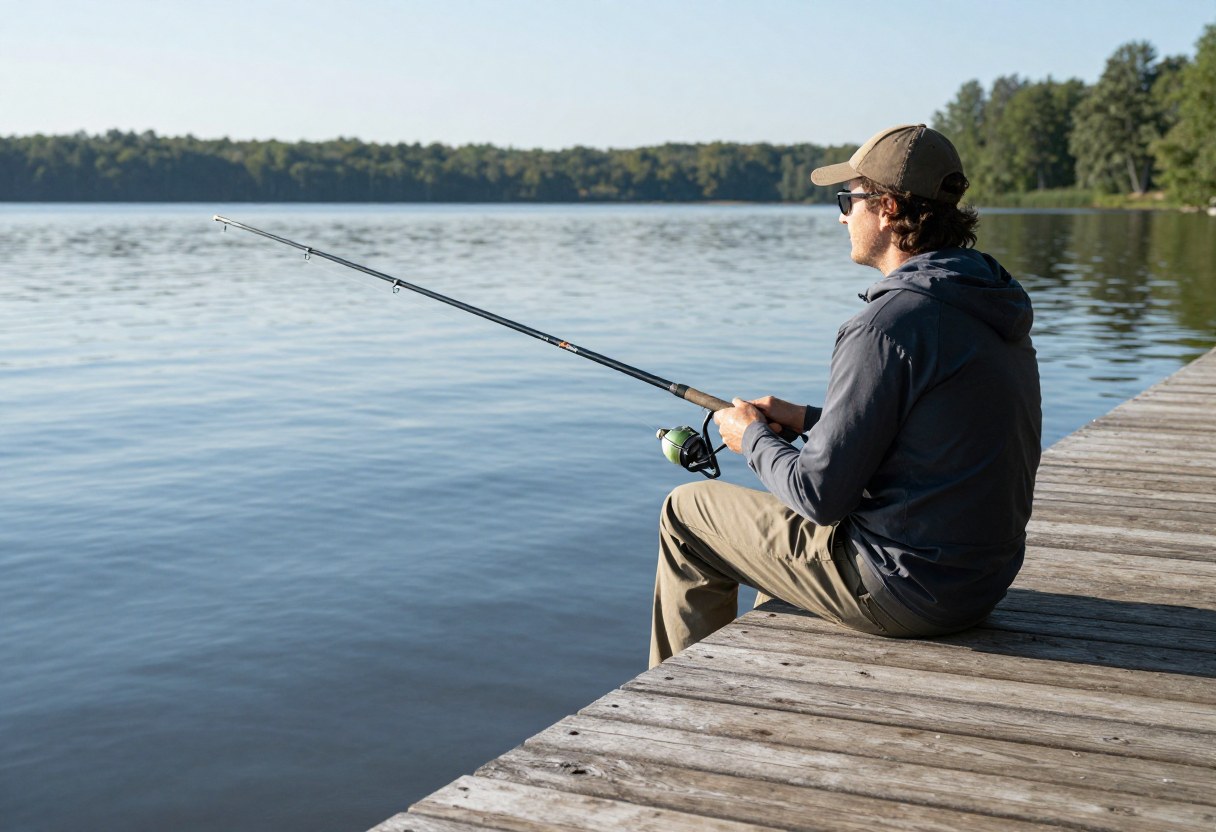
- Bluegill and sunfish favor shallow structure — docks, weed edges, fallen trees, and other cover, especially during spawning season (spring, when they move notably shallow) and in morning/evening low-light periods.
- Crappie favor deeper structure and cover than bluegill on average — brush piles, submerged timber, and deeper dock pilings, and crappie schools often hold at a fairly specific, consistent depth that's worth identifying and targeting once found.
- Panfish often school tightly — once you catch one, staying in the same area and continuing to fish it is often more productive than moving immediately, since where you found one panfish, several more are frequently nearby.
- Seasonal depth shifts matter, similar to bass — panfish move shallower in spring for spawning and often deeper in summer heat and winter cold, adjusting your typical fishing depth accordingly through the year.
6. Crappie-Specific Notes
- Crappie spawn in spring, similar to bluegill, moving into shallow water and becoming more accessible and aggressive — many crappie anglers specifically target this spring window as the most productive and beginner-friendly time to target the species.
- "Spider rigging" and similar multi-rod trolling/vertical presentation techniques are popular among more experienced crappie anglers, but represent an intermediate technique beyond what a genuine beginner needs to start catching fish consistently.
- Crappie are more structure-and-school-dependent than many other panfish — finding the right depth and specific structure matters more for consistent crappie success than for the more broadly opportunistic feeding of bluegill.
7. Why Panfish Are Ideal for Introducing Kids to Fishing
- Frequent action keeps interest and attention — long stretches without a bite are genuinely hard for a child (or many adult beginners) to stay engaged through, and panfish's abundance and aggressive feeding minimize this problem compared to targeting more challenging species.
- Simple technique requirements (bobber fishing, basic bait) mean a child can genuinely participate in most of the process — baiting, watching the bobber, setting the hook — rather than needing an adult to handle the technical parts.
- Manageable fish size makes handling, unhooking, and (if desired) releasing genuinely approachable for a child, without the intimidation factor of a larger, more powerful fish.
- High success rate builds genuine confidence and interest, which is often the actual goal when introducing someone new to fishing, more so than any specific technique or species knowledge.
8. Common Panfishing Mistakes
- Using hooks too large for a panfish's genuinely small mouth, missing bites from fish that are actually present and interested.
- Setting the hook too aggressively, tearing the hook free from a panfish's delicate mouth structure.
- Moving away from a productive spot after catching one fish, missing the schooling tendency that often means more fish are nearby.
- Ignoring seasonal depth shifts, fishing the same depth year-round rather than adjusting for spring shallow spawning behavior and summer/winter depth changes.
- Using tackle too heavy for the species, reducing both hookup success and the enjoyable feel of the fight.
- Overcomplicating technique for a beginner or child, when a simple worm-and-bobber approach is genuinely more effective and more approachable than more advanced presentations.
Quick Decision Checklist
- I have light/ultralight tackle and appropriately small hooks matched to panfish mouth size
- I'm using a simple, reliable bait-and-bobber setup (or small jigs) rather than overcomplicating presentation
- I'm targeting appropriate structure (shallow cover for bluegill/sunfish, deeper structure for crappie)
- I'm accounting for seasonal depth shifts, especially targeting shallow water during spring spawning season
- I'm staying in a productive area after catching a fish, given panfish's schooling tendency
- I'm using a gentle hookset appropriate to a panfish's delicate mouth
Glossary
- Panfish: A general term for smaller, pan-sized freshwater fish including bluegill, sunfish, crappie, and yellow perch, valued for accessibility and abundance.
- Spider Rigging: An intermediate/advanced crappie fishing technique using multiple rods to present bait at various depths simultaneously, typically while slow-trolling.
- Schooling: The tendency of panfish (and many other species) to group together, meaning catching one fish often indicates more are nearby in the same area.
Final Takeaway
Panfish reward simple, accessible technique — light tackle, small hooks, and a basic bait-and-bobber approach — with frequent, satisfying action that makes them the ideal species for beginners and kids alike. Target appropriate structure (shallow cover for bluegill and sunfish, deeper structure for crappie), adjust depth seasonally, and stay put after catching a fish given how often panfish school together. The simplicity that makes panfishing "easy" is exactly what makes it the right place to actually build fishing skill and confidence.
Panfish behavior and productive locations vary by specific body of water and season — treat this guide's structure and depth guidance as a starting framework to refine with your own local observations.