
Bass Jig
Also called: flipping jig, football jig
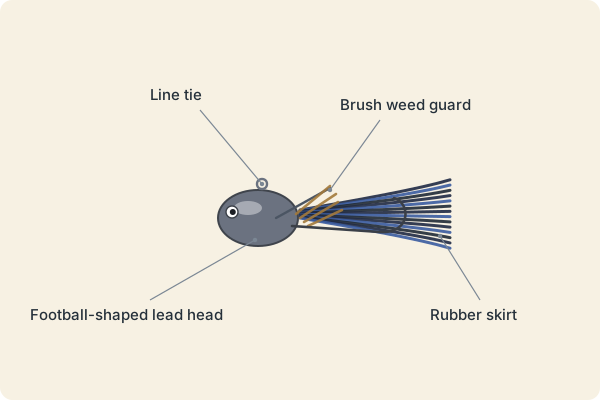
A weighted, skirted jig with a weed guard, pitched into heavy cover and hopped along the bottom for big bass.
- Type
- Jigs
- Target fish
- Bass
- Skill
- Takes some practice
- Depth
- Bottom, from 2 to 25 feet
- Best seasons
- Spring, fall, and winter
Note: Some states restrict or ban lead sinkers and jigs in certain waters, so check your state's rules and consider tungsten, steel, or other non-lead options.
When it works best
- In heavy cover such as weeds, brush, and docks.
- When bass are holding tight to the bottom.
- In cold water, when a slow, bulky bait works best.
How to fish it
- Pitch or flip the jig into the cover.
- Let it fall on a semi-slack line and watch for a tick.
- Hop it along the bottom with short lifts of the rod tip.
- When you feel weight or see the line move, reel down and set the hook hard.
Tips
- Pair the jig with a trailer to add bulk.
- Use heavy line when fishing thick cover.
- Match the color to the local forage, such as green pumpkin or black and blue.
Common mistakes
- Setting the hook too gently with heavy cover.
- Using a jig that is too light to reach the bottom.
- Fishing it too fast.
Gear
A heavy-power rod and heavy line or braid help pull fish out of thick cover.
Often confused with
- Crappie jig: a tiny feather-tailed jig for panfish.
Fish it catches
Field notes
A jig is the lure many serious bass anglers reach for when they want a bigger fish. It takes practice to detect the bite, but it pays off.
Related guides
What works varies by water, season, and the fish that day, so use this as a starting point. Regulations on live bait, hook type and number, lead tackle, and baitfish transport differ by state and water body. Check your state's current fishing rules; our state resources directory links to each state's official regulations and license portal.