
Field Guide / Snakes
The venomous snakes hunters, anglers, and hikers are most likely to meet in the United States, and the harmless snakes most often mistaken for them. Search by name or place, or filter by kind, region, and habitat.
Stay back and do not handle it. Most bites happen when someone tries to catch, kill, or pick up a snake. Photos here are AI-generated and cannot replace seeing a real animal, so if you are not sure what a snake is, treat it as venomous and walk around it. If someone is bitten, call 911.
15 snakes
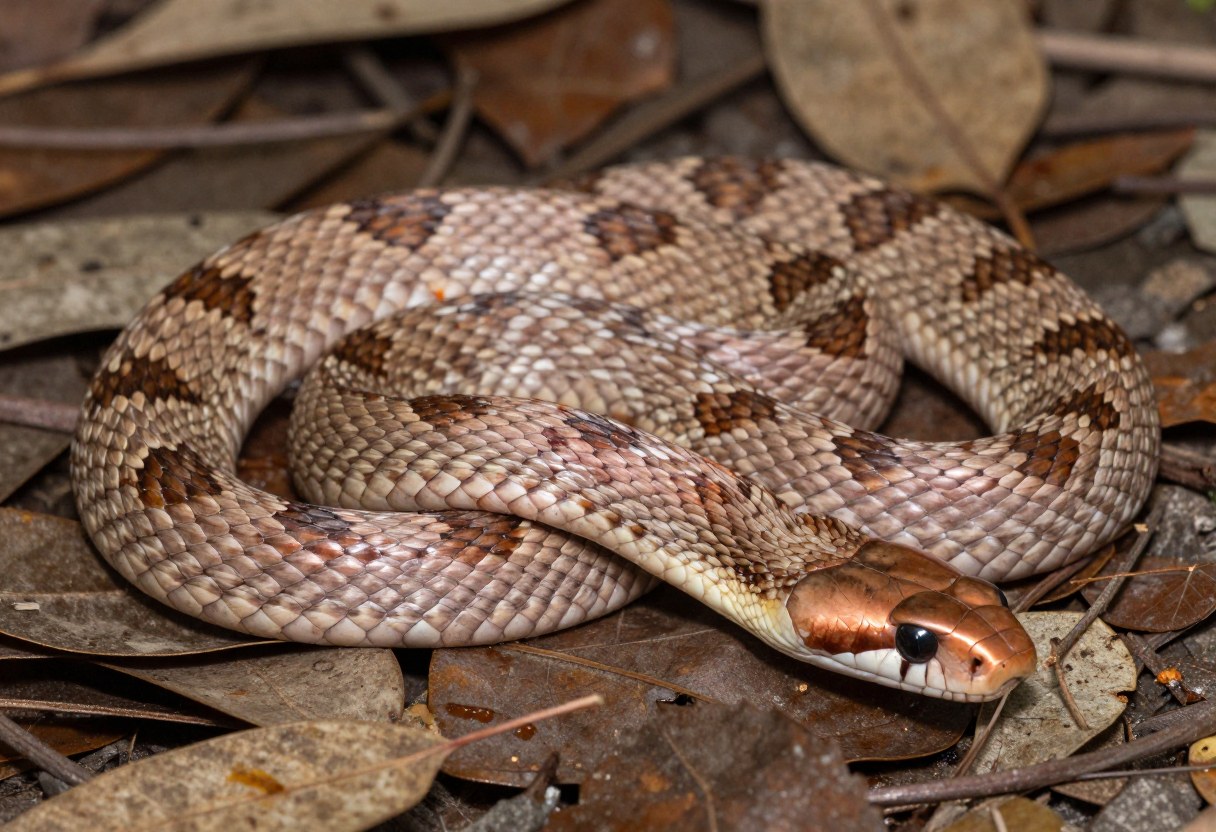 Venomous
Agkistrodon contortrix
A well-camouflaged pit viper of eastern woods, leaf litter, and rocky hillsides that is common near homes and a leading cause of snakebites in the East.
Length: 2 to 3 feet
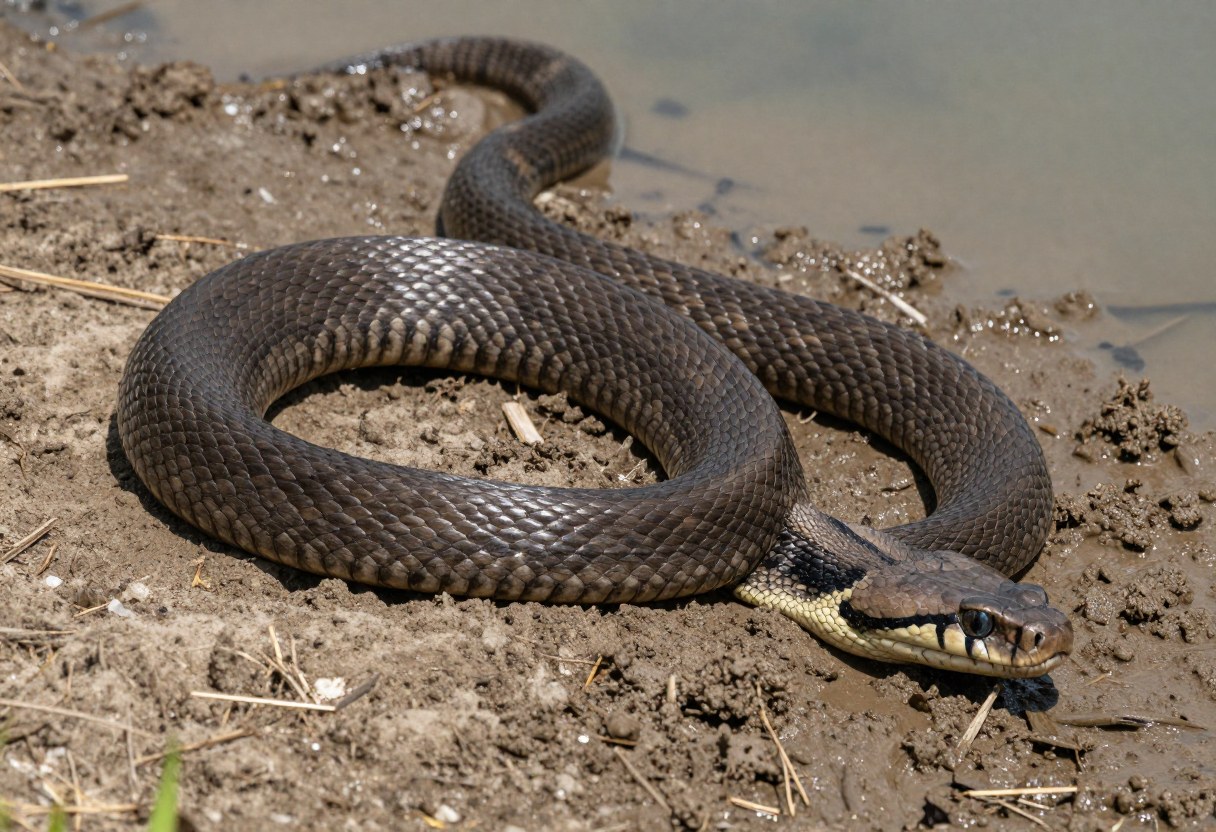 Venomous
Agkistrodon piscivorus
A thick-bodied, semi-aquatic pit viper of southern swamps, sloughs, and slow rivers, often confused with the many harmless water snakes that share its habitat.
Length: 2 to 4 feet
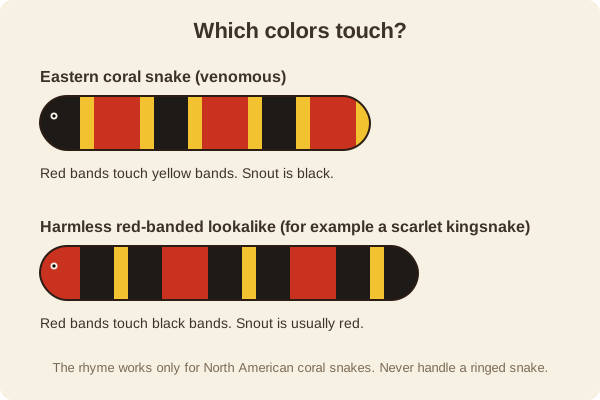 Venomous
Micrurus fulvius
A small, secretive, brightly ringed relative of cobras, found in the Southeast, with strong venom but a small mouth and a shy nature.
Length: 2 to 3 feet
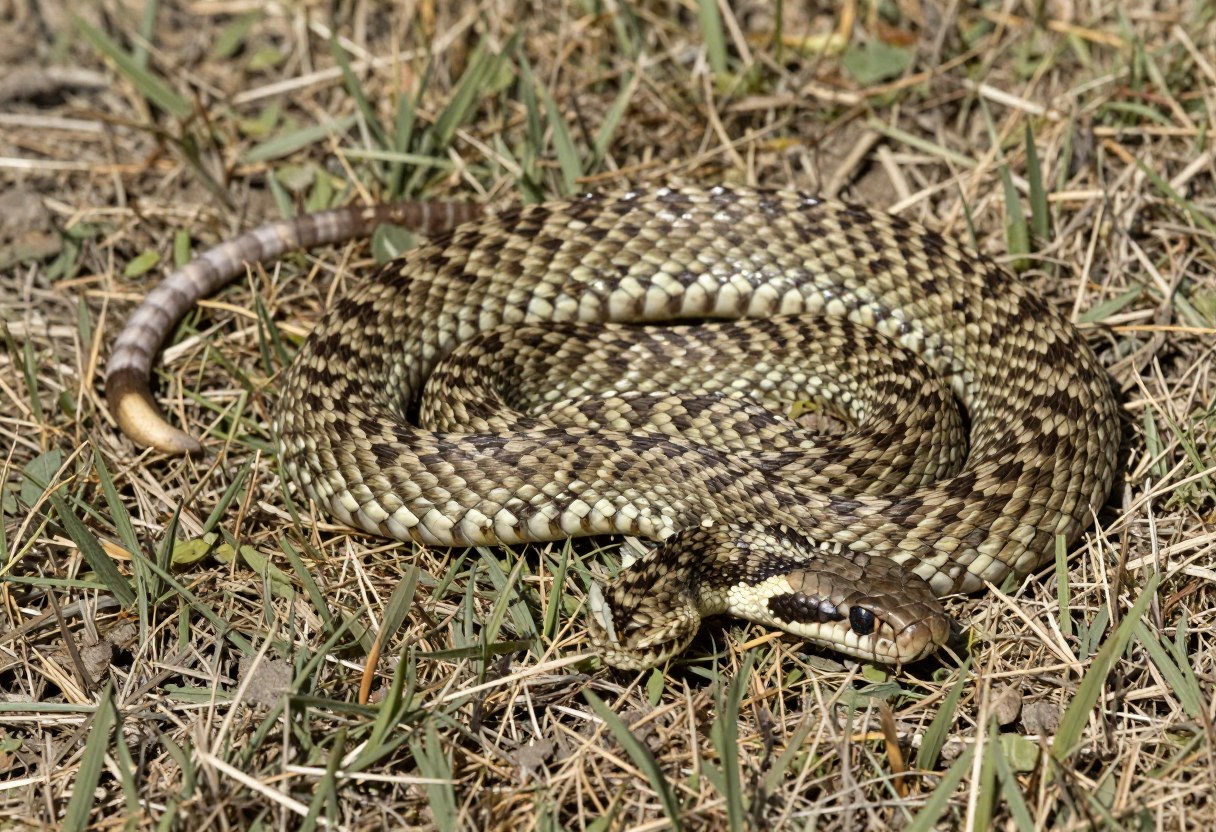
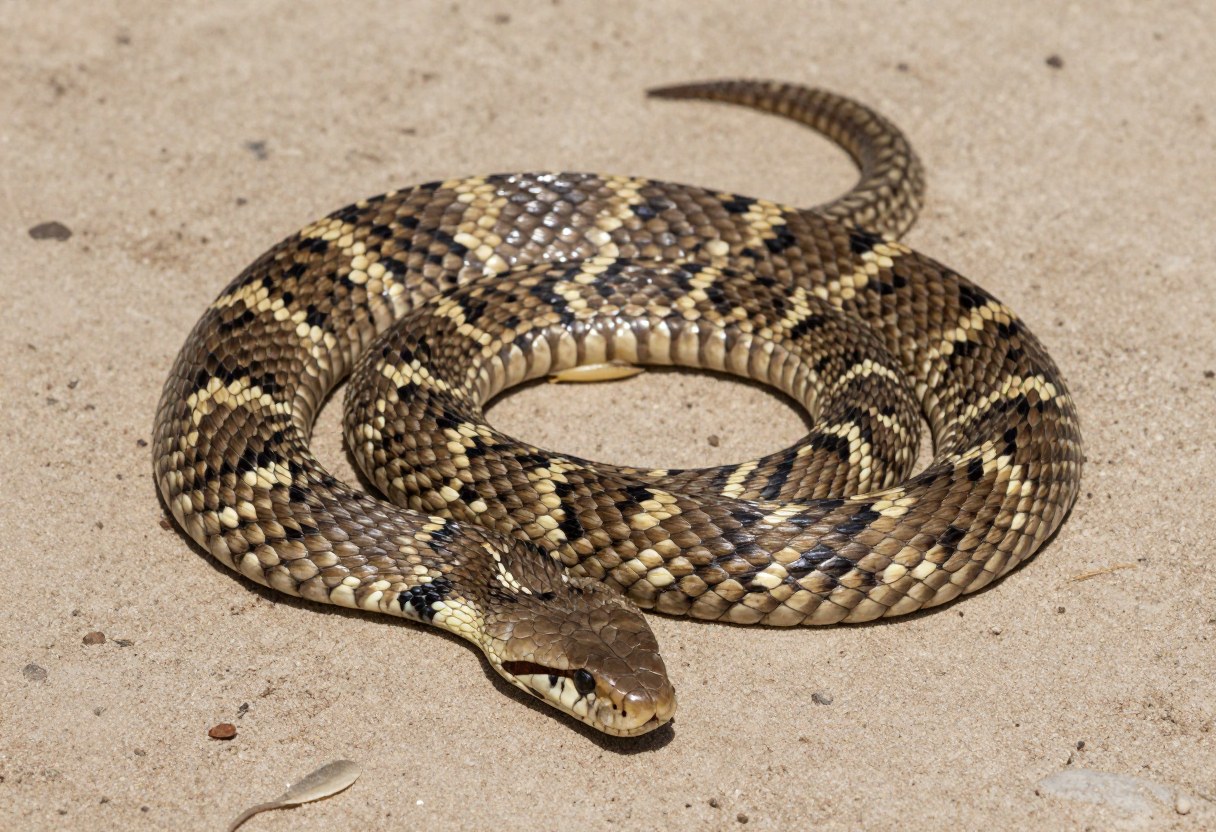 Venomous
Crotalus adamanteus
The largest rattlesnake and the heaviest venomous snake in the United States, found in the sandy pine and palmetto country of the Southeast.
Length: 3 to 6 feet (the thickest rattlers reach more)
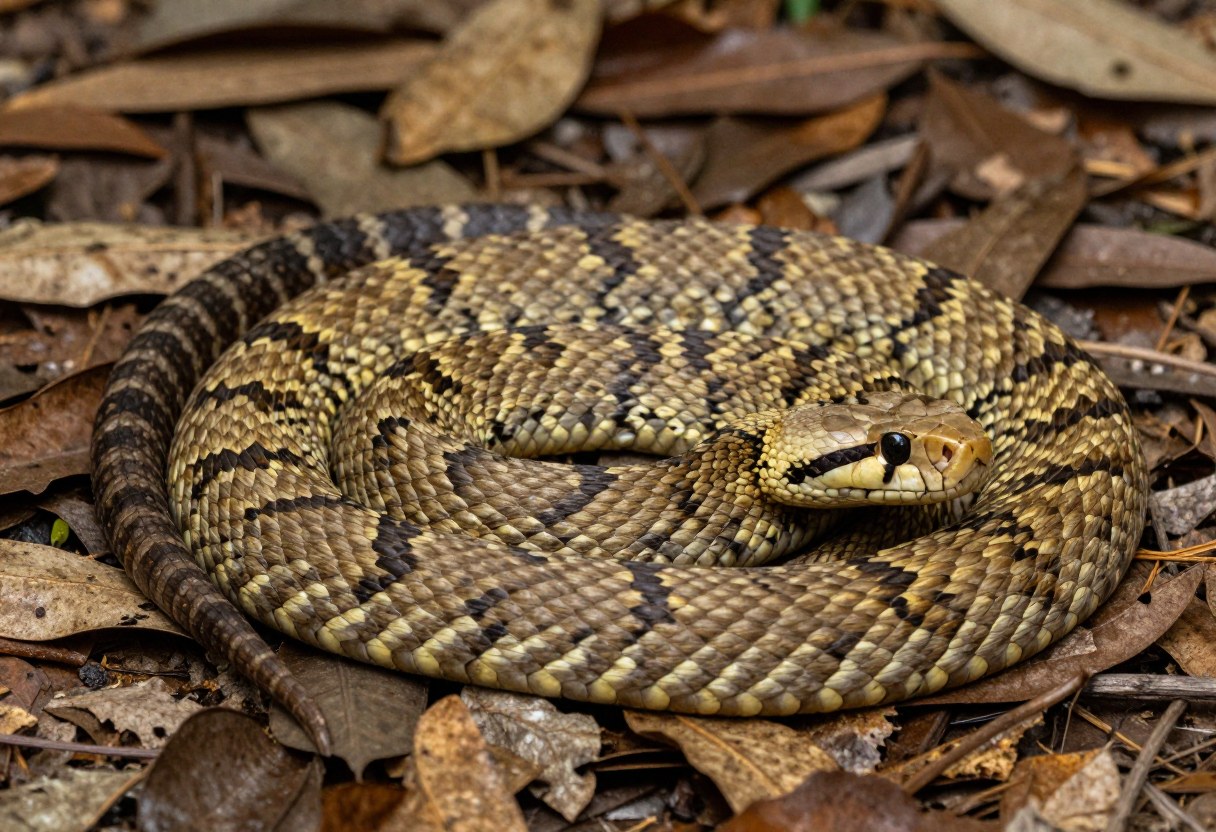
 Venomous
Crotalus viridis
The rattlesnake of the Great Plains and the interior West, common in grassland, sagebrush, and rocky outcrops where it dens in winter.
Length: 2.5 to 4 feet
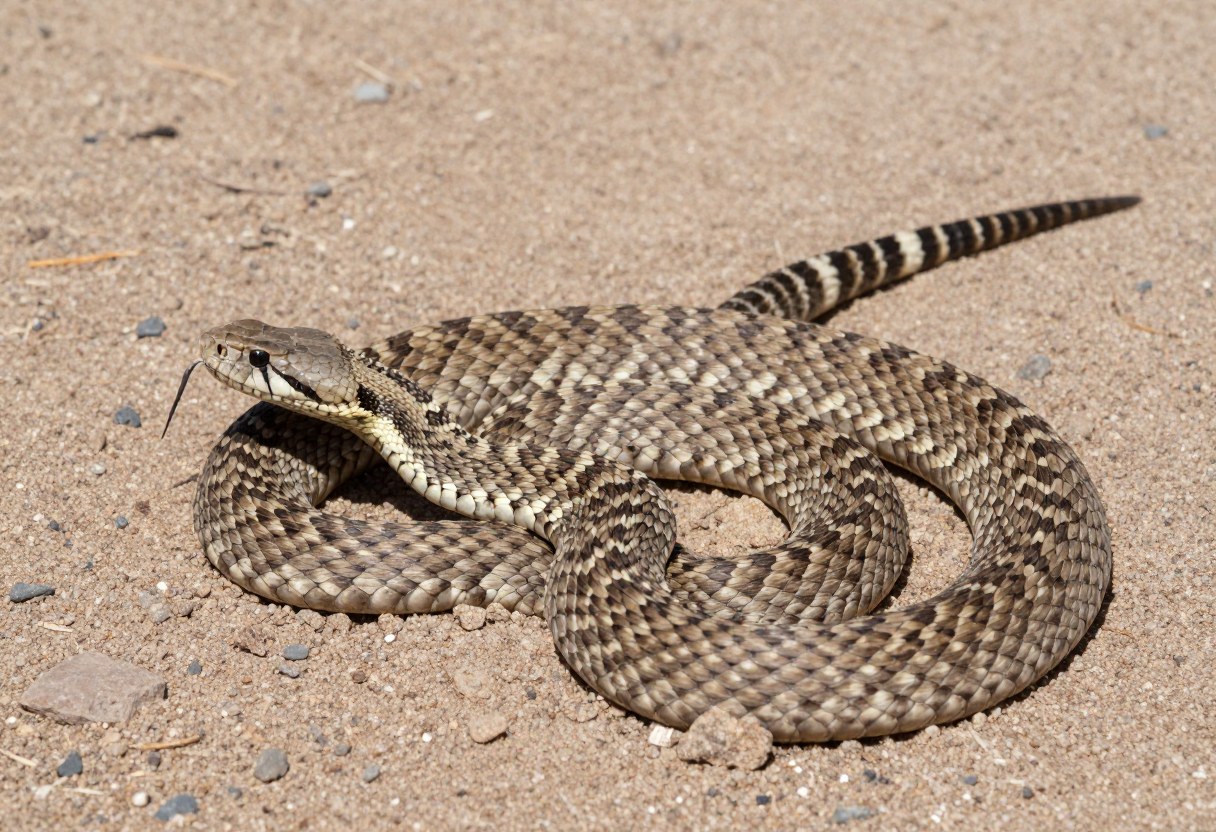
 Venomous
Crotalus horridus
A heavy-bodied rattlesnake of eastern forests and rocky ridges, calm by nature and uncommon or protected across much of its range.
Length: 3 to 5 feet
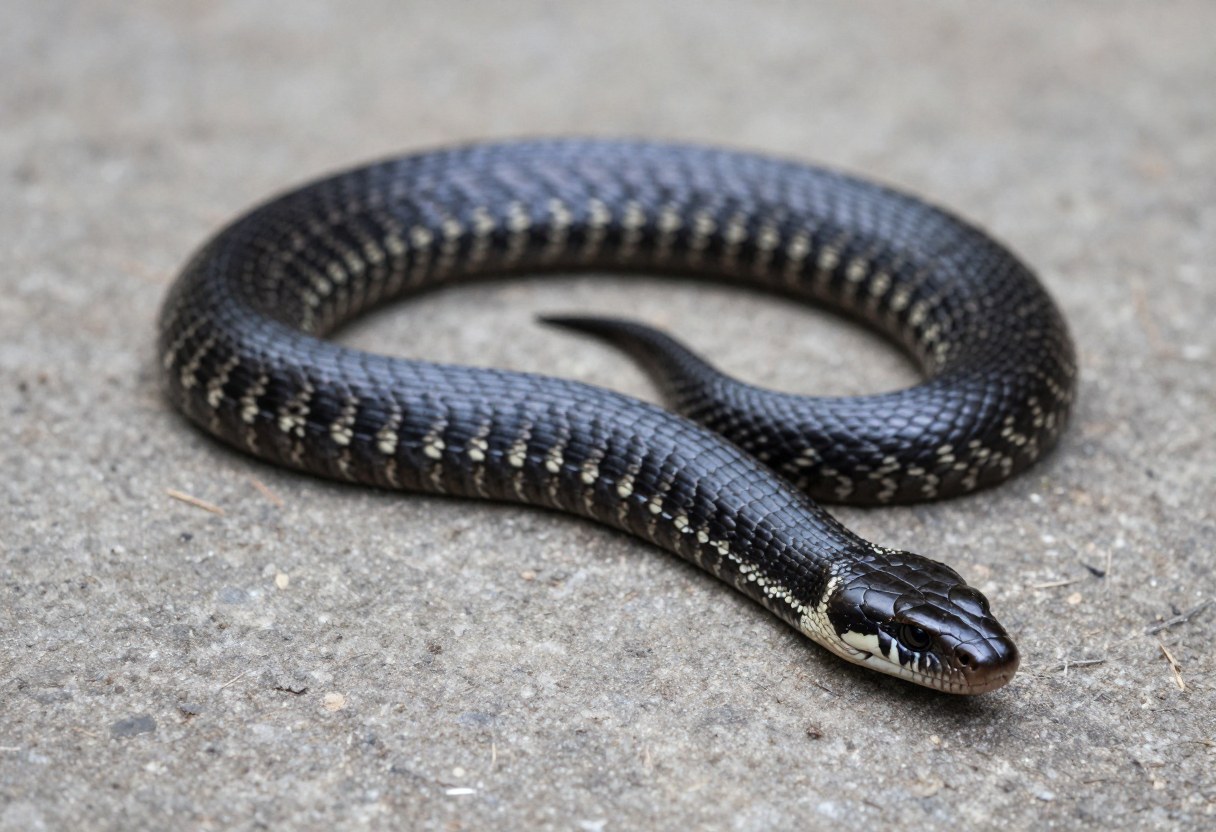
 Venomous
Crotalus atrox
The most common large rattlesnake of the Southwest, found in desert scrub, rocky hills, and grassland from Texas to southern California.
Length: 3 to 5 feet
 Harmless Lookalikes
Coluber constrictor
A fast, slender, harmless snake that raises its head to look around and flees at speed, and can be mistaken for a venomous snake when it turns and defends itself.
Length: 3 to 5 feet
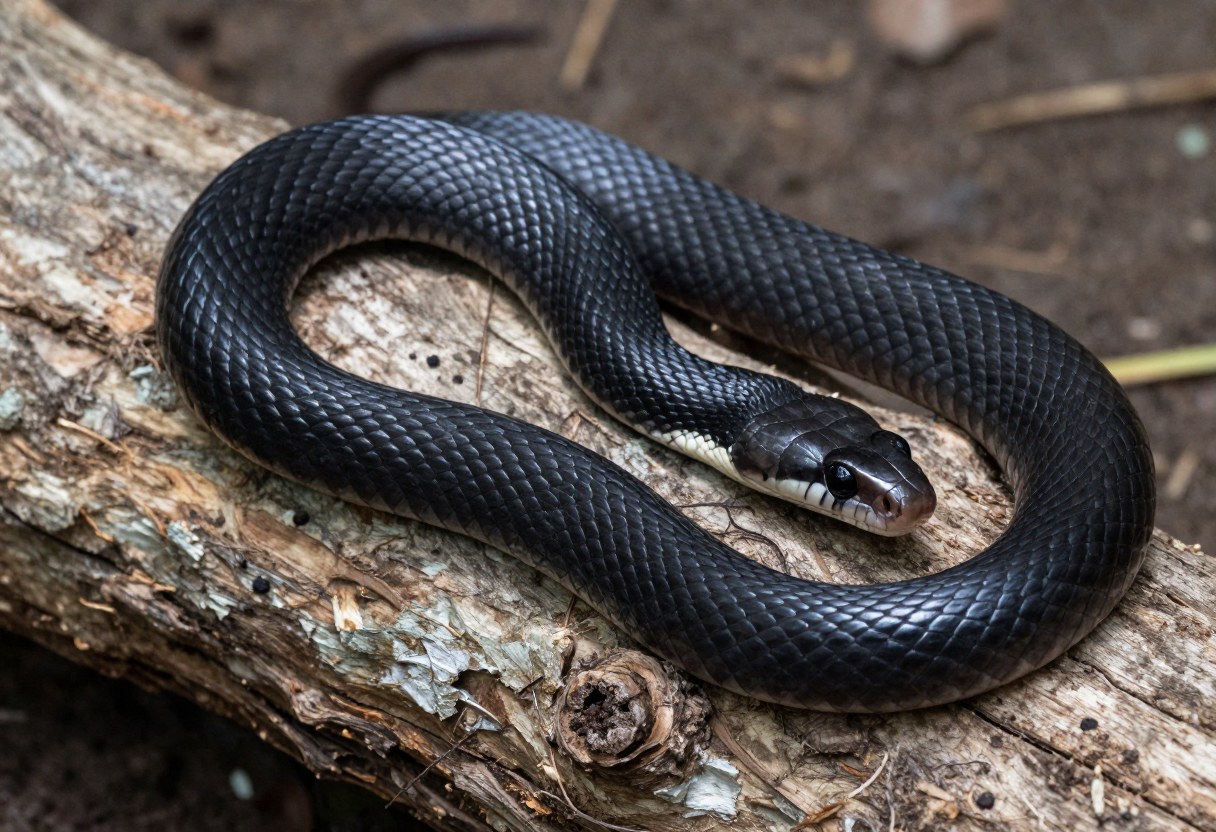 Harmless Lookalikes
Pantherophis obsoletus
A long, glossy black constrictor of eastern woods and farms, a skilled climber that eats rodents and is often found in barns and trees.
Length: 3.5 to 6 feet
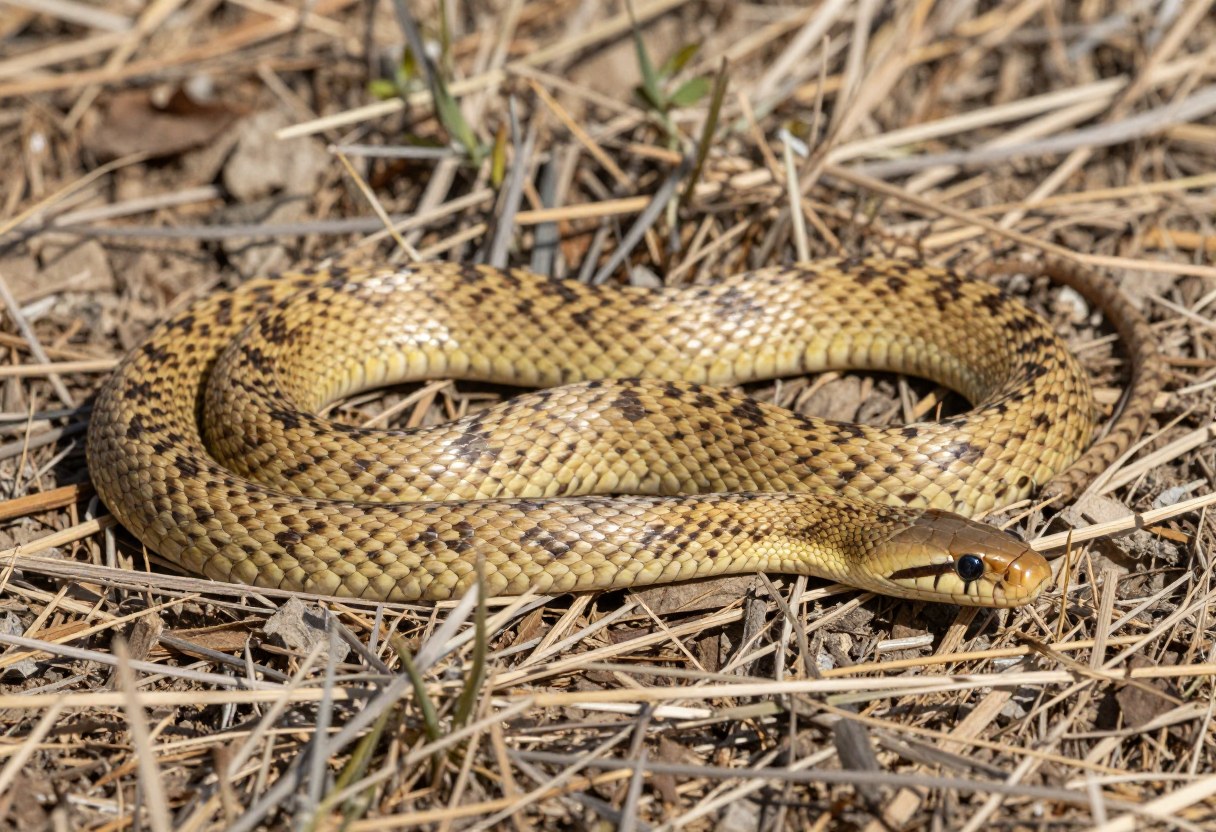 Harmless Lookalikes
Pituophis catenifer sayi
A big, harmless snake of the Great Plains that hisses loudly and shakes its tail to pass for a rattlesnake, and so is often killed for no reason.
Length: 4 to 6 feet
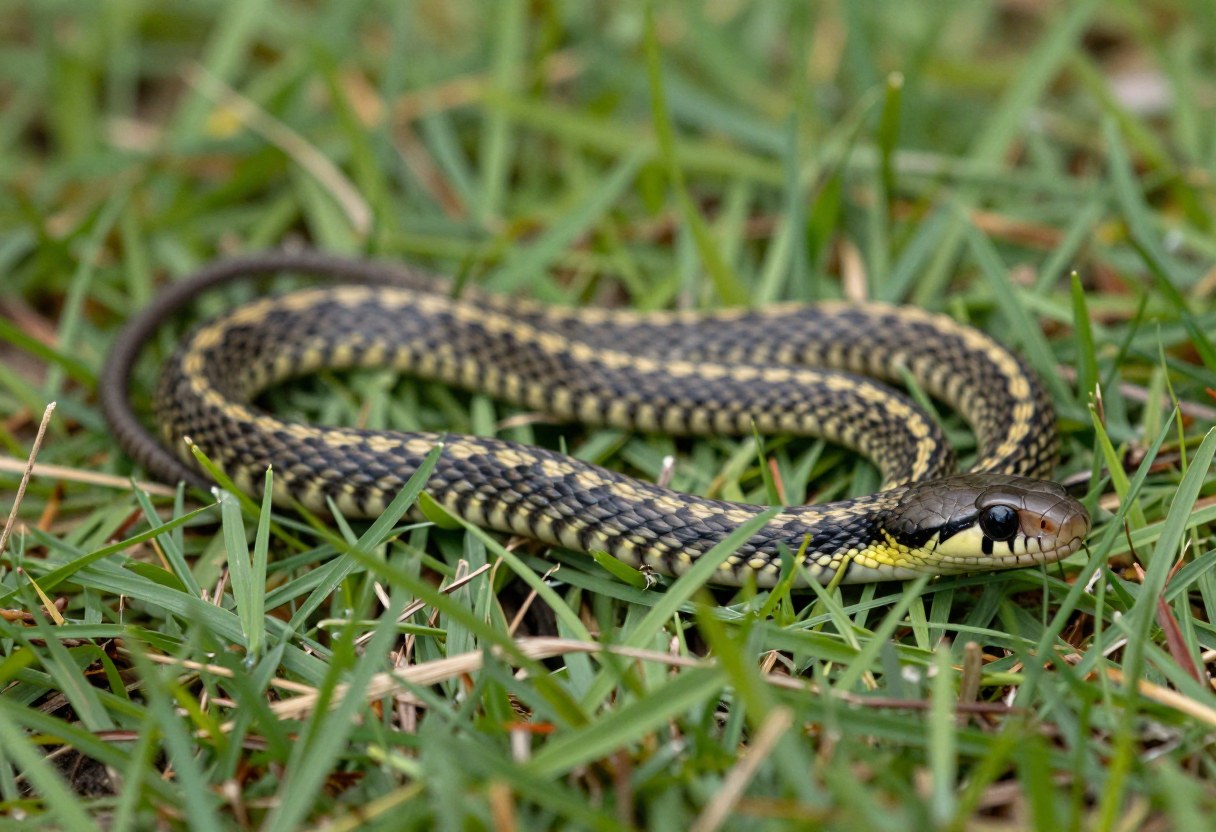 Harmless Lookalikes
Thamnophis sirtalis
The most widespread snake in North America, a small striped snake of gardens, meadows, and shorelines that is harmless to people.
Length: 18 inches to 4 feet (most are 2 to 3 feet)
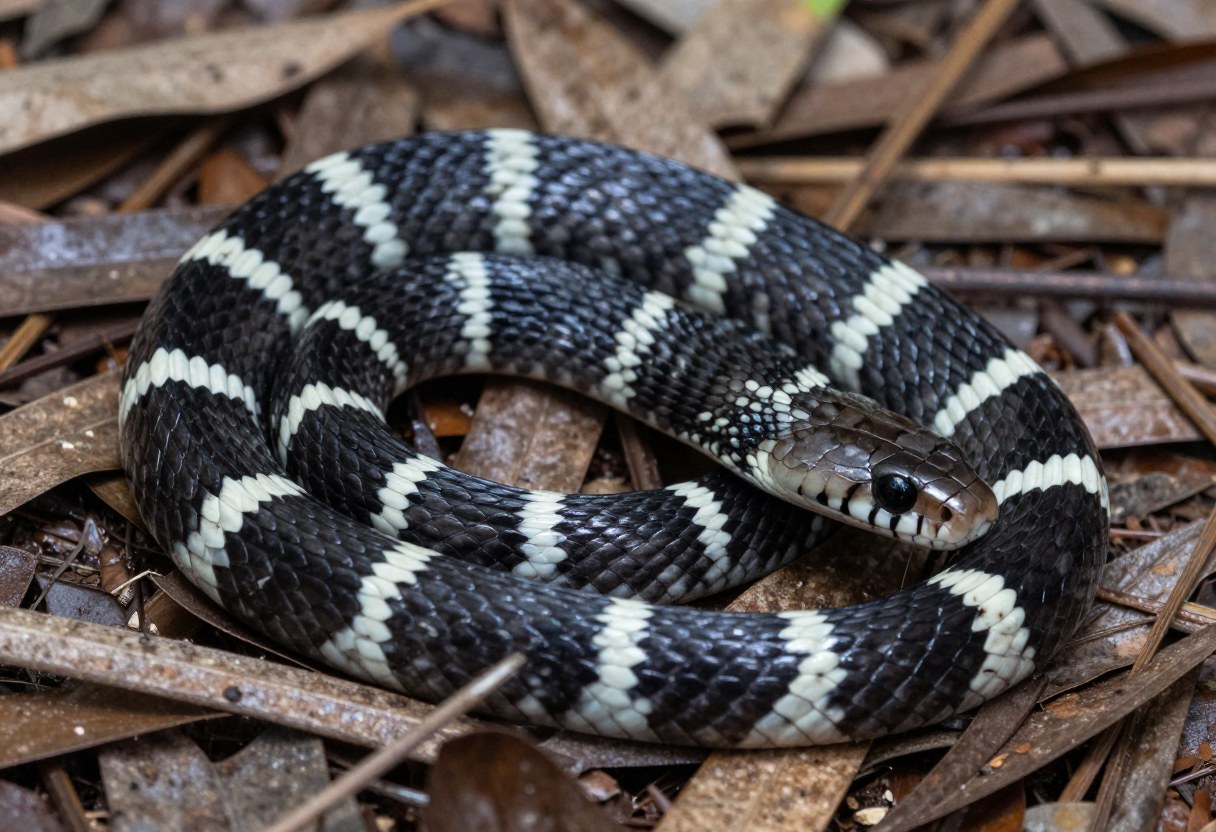 Harmless Lookalikes
Lampropeltis getula
A glossy black snake with narrow white chain-like bands that eats other snakes, including venomous ones, and is harmless to people.
Length: 3 to 4.5 feet
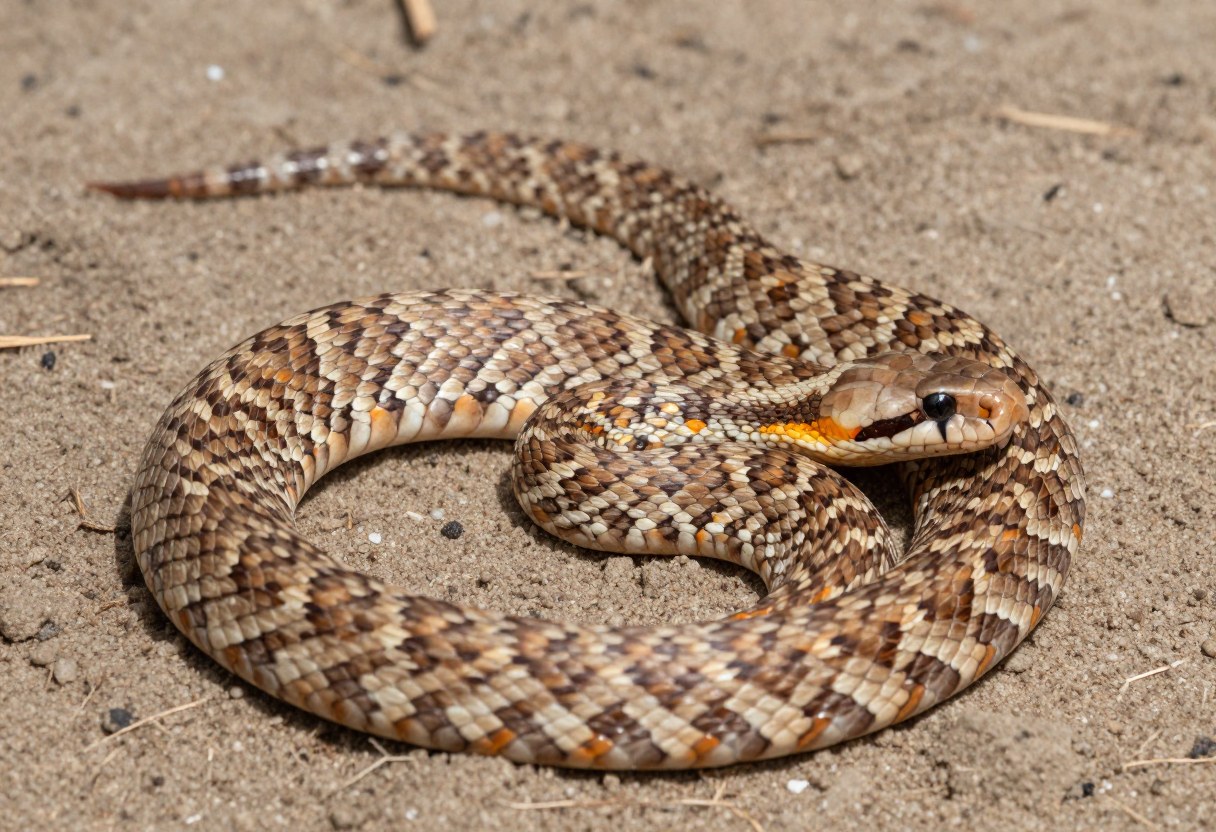 Harmless Lookalikes
Heterodon platirhinos
A stout, harmless snake that puts on a fearsome show, flattening its neck, hissing, and then rolling over and playing dead.
Length: 2 to 3 feet
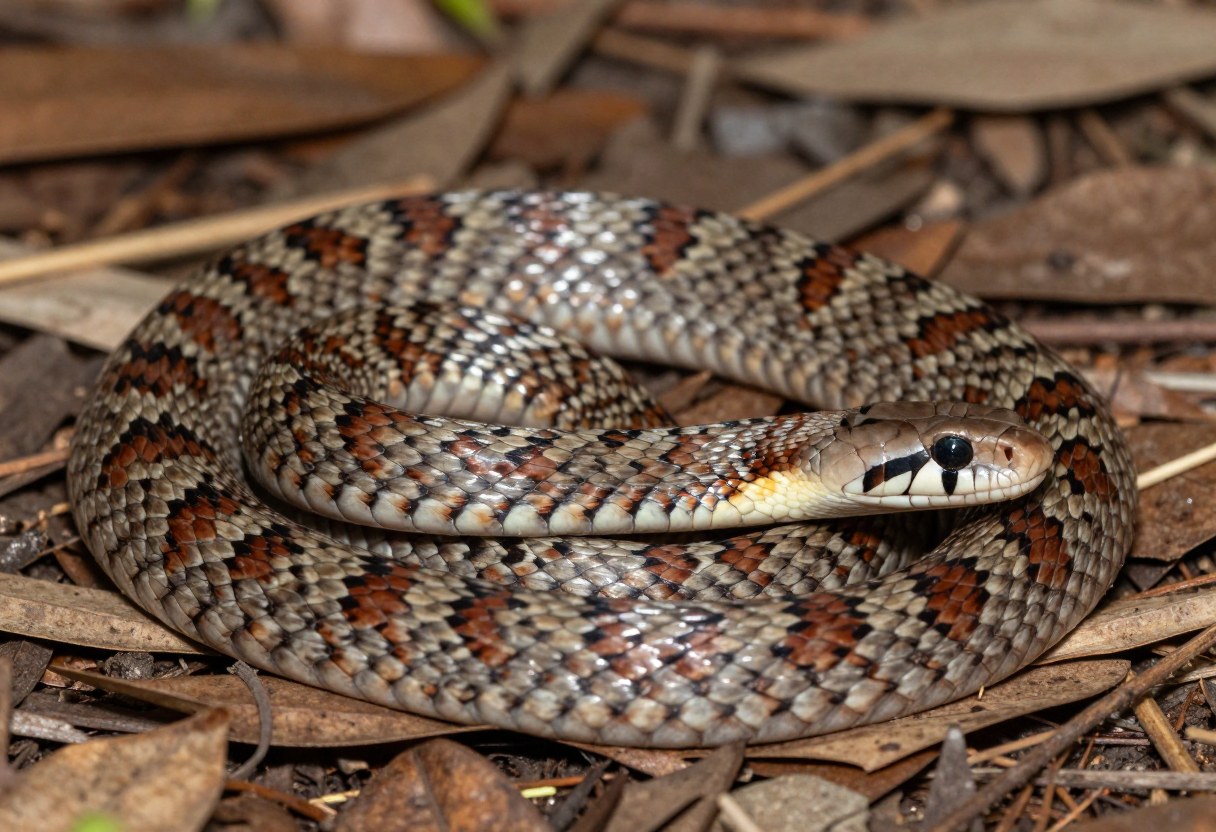 Harmless Lookalikes
Lampropeltis triangulum
A secretive, harmless constrictor with red-brown blotches, often found around barns and old buildings and often mistaken for a copperhead.
Length: 2 to 3.5 feet
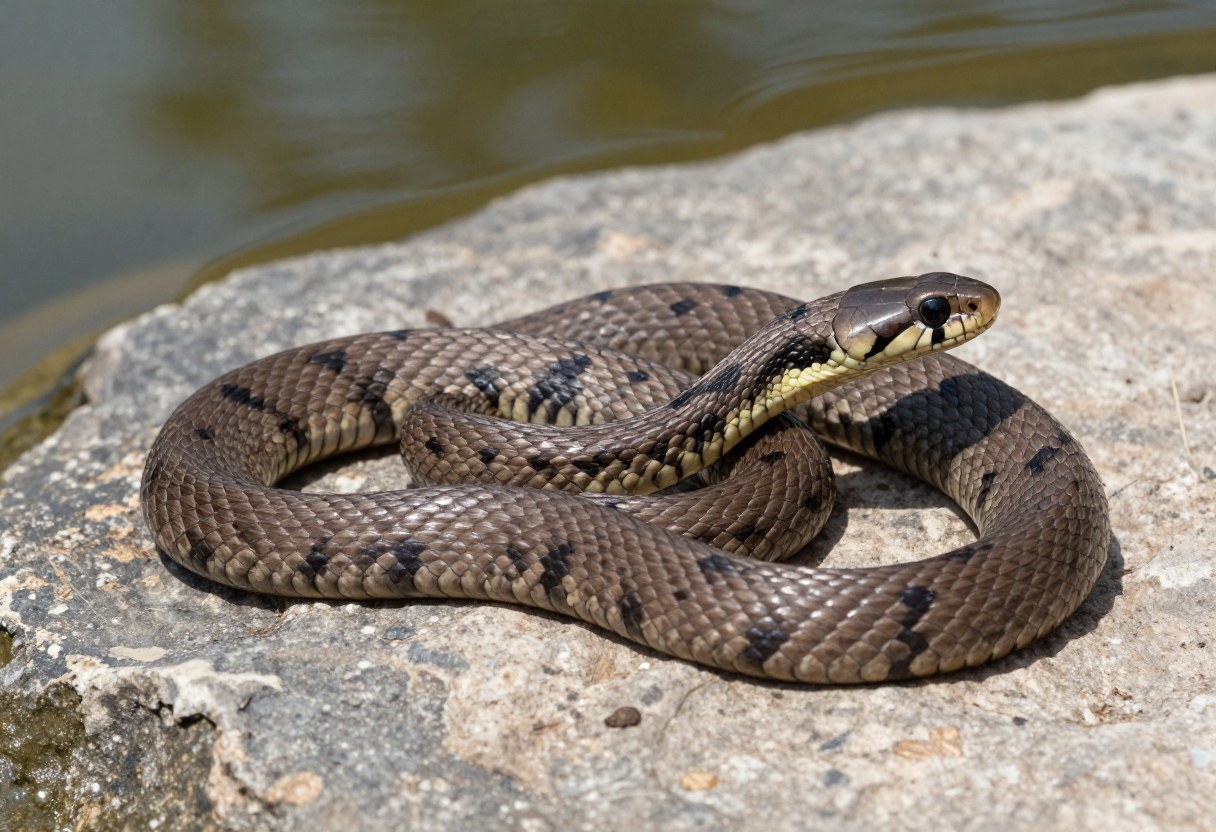 Harmless Lookalikes
Nerodia sipedon
A common, harmless snake of ponds, rivers, and lakes in the East and Midwest, often killed by mistake because it looks like a cottonmouth or copperhead.
Length: 2.5 to 4 feet