
Slip Bobber Rig
Also called: sliding float rig
A float rig whose bobber slides up the line to a stop you set, so you can fish a bait at any depth and still cast easily.
- Type
- Rigs & Setups
- Target fish
- Panfish, Pike & Walleye, Trout & Salmon
- Skill
- Beginner-friendly
- Depth
- Any, set by the bobber stop
- Best seasons
- Spring through fall
Note: Some states restrict or ban lead sinkers and split shot in certain waters, so check your state's rules and consider tungsten, steel, or other non-lead options.
When it works best
- When fish are deeper than your rod is long.
- For crappie, walleye, and trout holding at a certain depth.
- When you want to keep a bait just above the bottom or weeds.
How to fish it
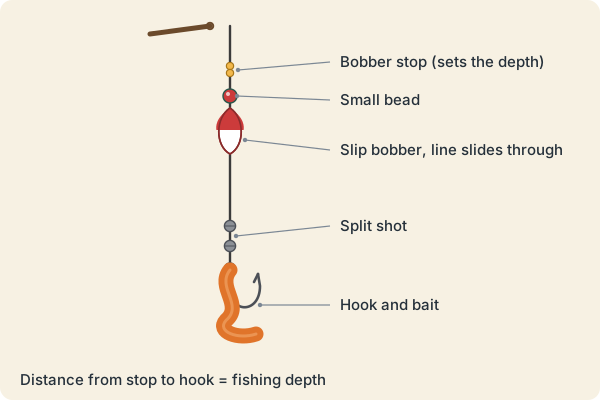
- Slide a bobber stop onto the line first.
- Add a small bead, then the slip bobber.
- Pinch on split shot below the bobber, then tie on a hook with bait.
- Set the stop at the depth you want, cast, and let the bobber slide up the line until it hits the stop.
- Watch the bobber, and set the hook when it dips.
Tips
- Adjust the stop until you find the depth where fish are biting.
- Use enough shot to stand the bobber upright but just barely.
Common mistakes
- Tying the stop on after the bobber, so the rig does not work.
- Using a bobber that is too heavy for the bait.
- Fishing at the wrong depth.
Gear
A medium-light spinning rod about 7 feet long makes casting a long rig easier.
Fish it catches
Field notes
The slip bobber's trick is a stop knot. The line slides through the bobber until the stop catches it, which is how you set the depth.
Related guides
What works varies by water, season, and the fish that day, so use this as a starting point. Regulations on live bait, hook type and number, lead tackle, and baitfish transport differ by state and water body. Check your state's current fishing rules; our state resources directory links to each state's official regulations and license portal.