
Small Game Hunting for Beginners: Squirrel and Rabbit
Why squirrel and rabbit are the best first hunts — the gear, the tactics, the safety rules, and what to do with the animal afterward.
Published October 12, 2026
Why Small Game Is the Best Way to Start
Deer and elk get the attention, but small game — squirrels and rabbits above all — is where a lot of experienced hunters learned the craft, and where plenty of new hunters should start. Seasons are long and generous, bag limits are high, the gear is inexpensive, and you get far more opportunities per day afield than you will chasing a single big-game animal a few times a season. That volume of practice — reading sign, moving quietly, making clean shots, handling the harvest — is exactly what builds the skills that carry over to every other kind of hunting.
1. Licenses, Hunter Education, and Seasons
- Complete hunter education if your state requires it. Most states require it for newer hunters, usually under a certain age or for anyone born after a specific date, and many offer online courses.
- Buy the correct license and any required stamps or permits. Small-game licenses are generally inexpensive, and some states offer combination licenses.
- Check the season dates, bag limits, legal hunting hours, and allowed methods for your state. Small-game seasons often run for months, and some species have no closed season in some places — but rules vary widely and change. Our guide to understanding hunting licenses and regulations walks through how to find and read them.
- Confirm where you can hunt. Public land is a good option, and our public land hunting strategies guide covers how to find and scout it. On private land, always get permission first.
2. Choosing a Firearm
- A .22 LR rifle is the classic squirrel and rabbit gun. It's accurate, cheap to shoot, nearly recoil-free, and quiet enough not to spook everything in the woods. Many hunters favor a bolt-action or semi-automatic with a simple scope or good iron sights.
- A shotgun is the other standard choice, particularly for rabbits, which often flush and run. A 20-gauge or 12-gauge with light small-game loads works well. Shotguns are more forgiving on moving shots and let you hunt thick cover.
- An air rifle in a larger caliber is legal for small game in some states, but rules on air guns vary, so check yours.
- Match ammunition to your game and your gun. Use the right shot size for the animal and distance, and keep your ammo clean and dry. If you're starting with a rifle, our guide to sighting in a hunting rifle applies to .22s as well — zero it at the distances you'll actually shoot.
- Shoot your gun before opening day. A few boxes of cheap .22 ammo at a range will do more for your success than any piece of gear.
3. Other Gear
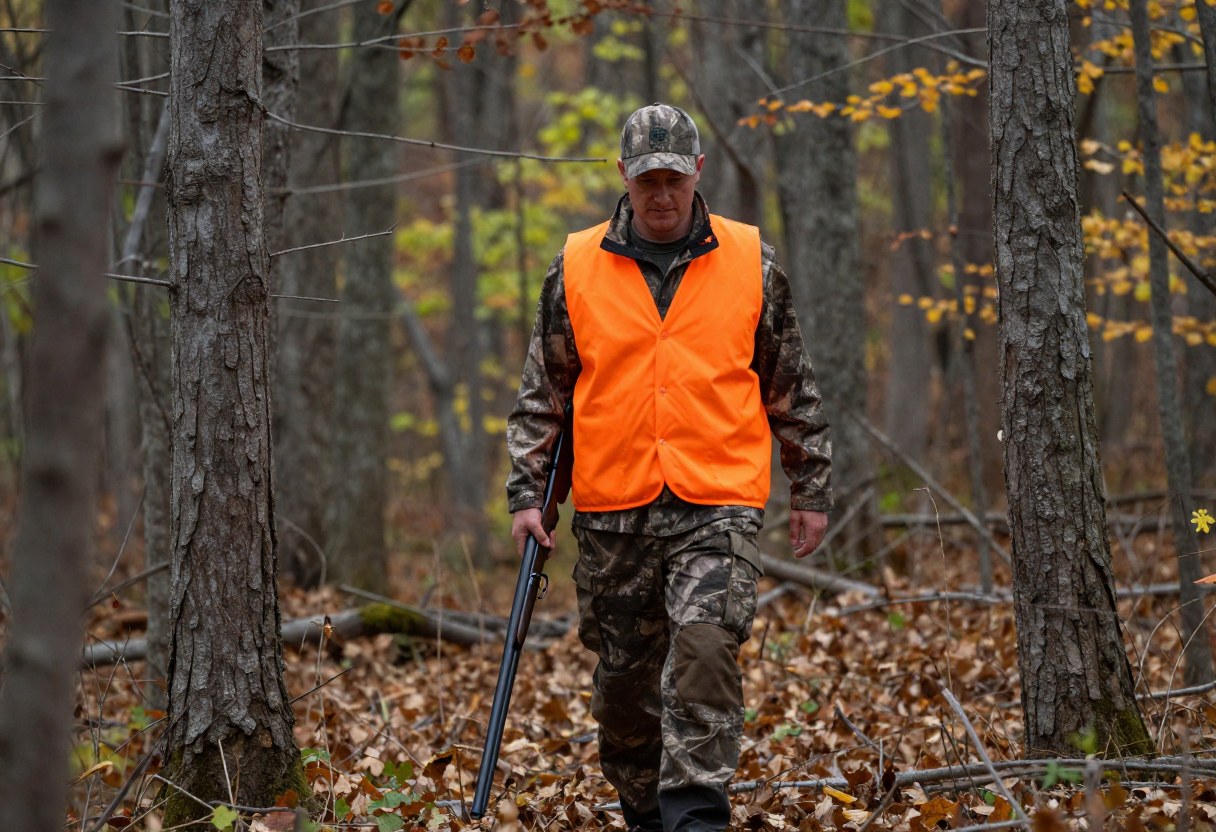
- Hunter orange where required, and often wise even where it isn't, since you may be hunting around other hunters in the same woods.
- Quiet, comfortable clothing in earth tones or camouflage, with sturdy boots. Squirrel hunting is a still-hunt, so you'll want gear that doesn't swish or rattle.
- A sharp knife, gloves, and resealable bags for field dressing and carrying out your game. A small game vest or game bag keeps things tidy.
- A basic first aid kit, water, a map or GPS, and a phone — the same essentials covered in our day hiking essentials.
- Binoculars help you pick out a squirrel's silhouette in the canopy.
4. Hunting Squirrels
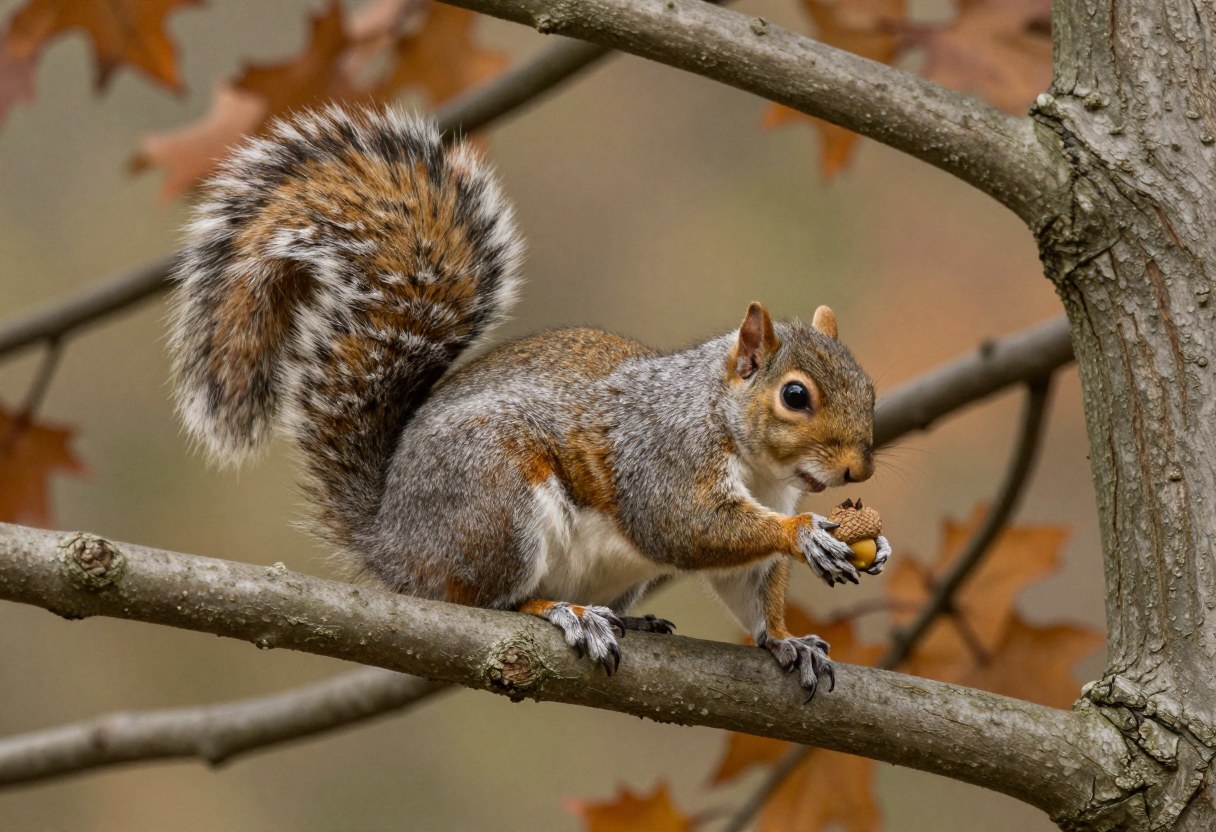
- Squirrels are most active in the early morning and late afternoon, especially in fall when they're busy gathering nuts. Hardwood forests with oaks, hickories, and beeches are prime habitat.
- Look and listen for sign: cuttings (shell fragments) beneath nut trees, chattering, rustling in the leaves, and the drop of nut hulls from above.
- Still-hunting, or sitting quietly with a view of a feeding tree, works well. Sit with your back against a trunk, stay still, and let the woods settle. Squirrels forget you quickly when you don't move.
- Alternatively, walk slowly and quietly, pausing often. Stop, scan the tree canopy, and listen before you move on.
- When a squirrel freezes against a trunk, try slowly moving to put the trunk between you and it, then reposition for a clear shot.
5. Hunting Rabbits
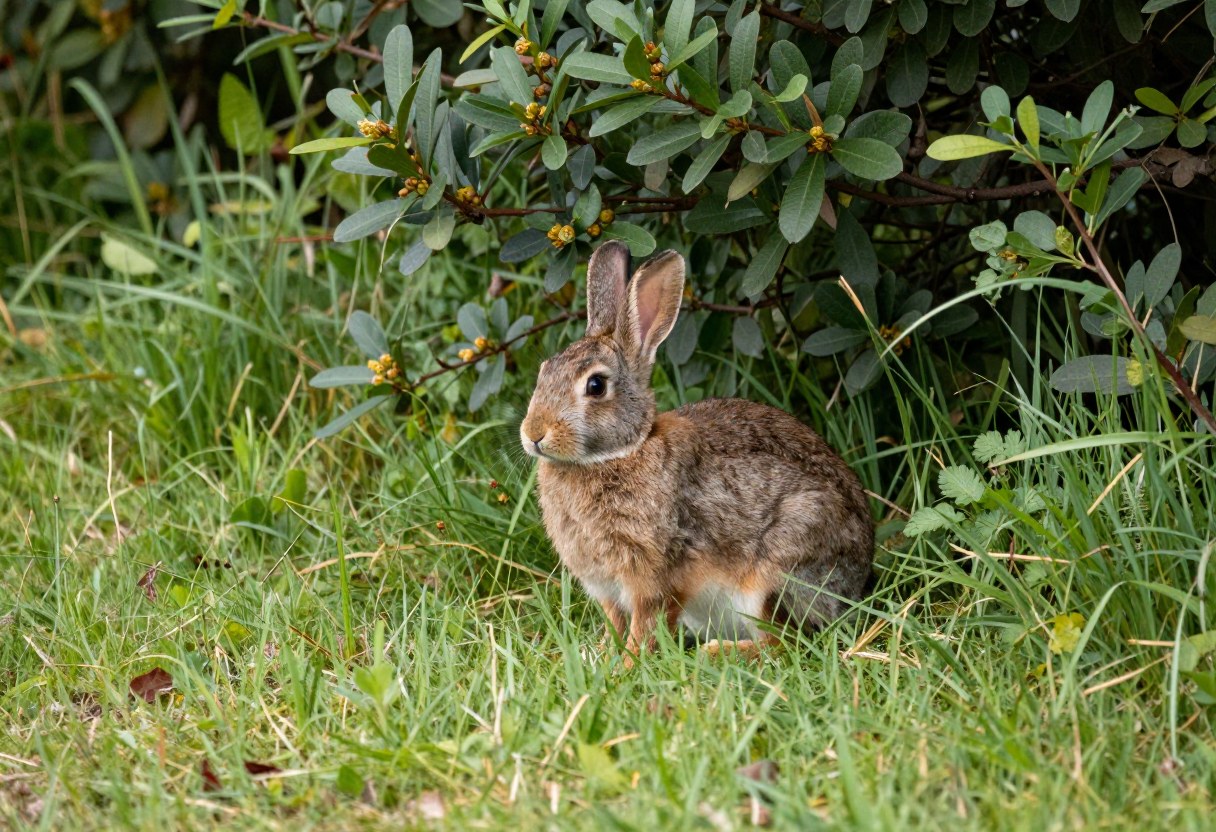
- Rabbits favor thick, brushy cover: briar patches, fencerows, field edges, overgrown clearings, and brush piles near food. They're most active at dawn and dusk and often hold tight to cover during the day.
- Walk slowly and zigzag through likely cover, stopping often. A rabbit that thinks it's hidden will sit until you're nearly on it, then bolt — pausing makes it nervous enough to flush.
- Kick brush piles and thick tangles gently, and be ready for a quick shot at a moving rabbit. A shotgun is often easier for this kind of fast, close-range action.
- A beagle or other hound is a classic way to hunt rabbits, though it's by no means required.
- Cold, snowy days can be particularly productive, since tracks reveal where rabbits have been feeding and resting.
6. Shot Placement and Ethics
- Aim for a clean, humane kill. Head shots are standard for squirrels with a .22 rifle, as they preserve meat and kill instantly; a well-placed body shot with a shotgun works for rabbits.
- Only take shots within your skill and range, and never shoot at a sound or movement you haven't positively identified.
- Follow up promptly on any animal that's hit but not recovered. A wounded animal deserves a quick search and, if needed, a second shot.
- Make sure your backstop is safe. Never shoot at an animal on a skyline or into a direction you can't see beyond. A .22 round can travel over a mile.
7. Safety Fundamentals
Small game hunting involves a firearm and often close company, so the basics matter every trip. Our hunting safety and firearm handling guide covers them in depth; the essentials are:
- Treat every firearm as loaded, always keep the muzzle pointed in a safe direction, keep your finger off the trigger until you're on target, and be sure of your target and what's beyond it.
- Keep your action open and unloaded when crossing fences, climbing, or getting in and out of vehicles.
- Wear hunter orange where required, and tell someone where you're going and when you'll return.
- Know where other hunters are, and establish safe zones of fire with any hunting partner.
Don't Skip This: Small game hunting often involves walking and shooting in the same woods as other hunters, and fast-moving rabbits and squirrels in thick cover invite risky swinging shots. Know your zone of fire, never swing through a line that includes another person, and let the animal go if you can't see a safe backstop.
8. Field Dressing and Handling the Meat
- Field dress promptly to cool the meat. For squirrels and rabbits, this means removing the entrails soon after the kill, and our guide to field dressing and processing game covers the general principles.
- Wear disposable gloves when handling rabbits, particularly in warm months, as wild rabbits can carry tularemia, a bacterial disease. Avoid handling animals that appear sick or behave strangely, and discard any whose liver shows white spots.
- Keep the meat cool, and process or refrigerate it promptly. Cook small game thoroughly to 165°F.
- Skin and clean at home or camp with a sharp knife, rinse the meat in cold water, and soak or refrigerate until cooking. Squirrel and rabbit are lean and can be tough if overcooked — braising, stewing, or frying works well.
- Wash your hands, tools, and surfaces thoroughly afterward.
Common Mistakes
- Moving too fast and too loudly, which spooks squirrels long before you see them.
- Not scouting for sign first, and hunting in woods with no food source.
- Taking low-percentage or unsafe shots at moving animals in thick cover.
- Neglecting to shoot and practice with the gun beforehand.
- Letting the meat sit warm or mishandling rabbits without gloves.
Quick Decision Checklist
- I've completed hunter education if required and have the right license and stamps
- I've checked season dates, bag limits, and legal hunting hours for my area
- I have a .22 or shotgun I've actually practiced with, and appropriate ammo
- I know my zone of fire, my backstop, and where other hunters are
- I'm wearing hunter orange where required and have told someone my plans
- I have a knife, gloves, and a way to keep game cool
Glossary
- Still-Hunting: Hunting by moving very slowly and quietly, stopping often to look and listen, or by sitting motionless in a good spot.
- Cuttings: Fragments of nut shells and hulls dropped beneath a tree where squirrels have been feeding — a reliable sign of activity.
- Bag Limit: The maximum number of a species a hunter may legally harvest in a day (or season).
- Zone of Fire: The safe area in which a hunter may shoot, defined to keep every shot away from other people.
Final Takeaway
Squirrel and rabbit hunting teaches nearly everything a hunter needs: scouting, patience, quiet movement, safe gun handling, accurate shooting, and respectful use of what you harvest. With a .22 or a shotgun, a license, a sharp knife, and a patch of woods or brush, you can spend a lot of days learning for very little money — and come home with a good meal.
Hunter education requirements, seasons, bag limits, legal methods, and public-land rules vary by state and change over time — always confirm current regulations with your state wildlife agency before you hunt.