
Hunting Safety and Firearm Handling Fundamentals
The core safety rules every hunter should know before ever loading a firearm in the field.
Published August 19, 2026
Why Firearm Safety Fundamentals Aren't Optional Background Knowledge
Hunting is genuinely one of the safer outdoor activities by the numbers, and it's stayed that way largely because firearm safety fundamentals have become deeply ingrained through hunter education requirements and a strong culture of safety discipline among experienced hunters. That safety record depends entirely on every hunter, including every new hunter, treating these fundamentals as absolute rules rather than general guidelines. This guide covers the core firearm safety rules and field practices every hunter needs to know cold, before ever loading a firearm in a hunting situation.
1. The Four Fundamental Firearm Safety Rules
These rules, taught in virtually every hunter education course, are the foundation of firearm safety — treating any one of them as optional or situational undermines the entire safety system they're designed to create.
- Treat every firearm as if it's loaded, always. Even a firearm you personally unloaded, checked, and are certain is empty — this rule exists specifically because "I was sure it was unloaded" is a common thread in preventable firearm accidents.
- Always point the muzzle in a safe direction. A safe direction means one where, if the firearm somehow discharged, no person or anything you don't intend to shoot would be hit — this requires active, continuous awareness of muzzle direction, not just occasional attention.
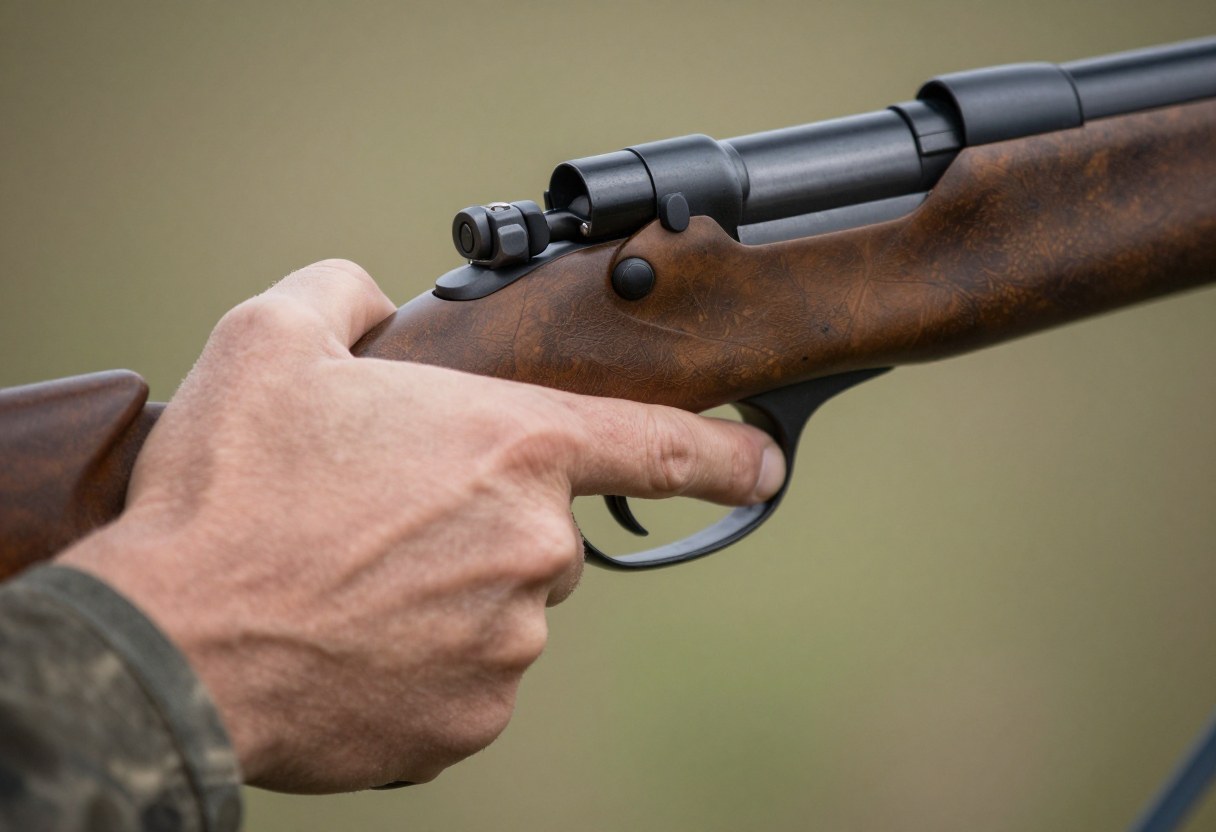
- Keep your finger off the trigger until you're ready to shoot. Your finger should rest along the frame or trigger guard, not on the trigger itself, until you've made the decision to fire — this single habit prevents the large majority of accidental discharges.
- Be sure of your target and what's beyond it. Positively identify your target beyond doubt before firing, and understand what's behind it — a missed or passed-through shot can travel much farther than many hunters initially expect, especially with rifle cartridges.
Don't Skip This: These four rules work together as a system — following three of the four "most of the time" doesn't provide the safety margin that following all four, consistently, provides. Nearly every firearm accident involves a violation of at least one of these rules, and the rules exist specifically because human error and momentary lapses are a real, ongoing risk that discipline and habit are built to guard against.
2. Safe Carrying Positions in the Field
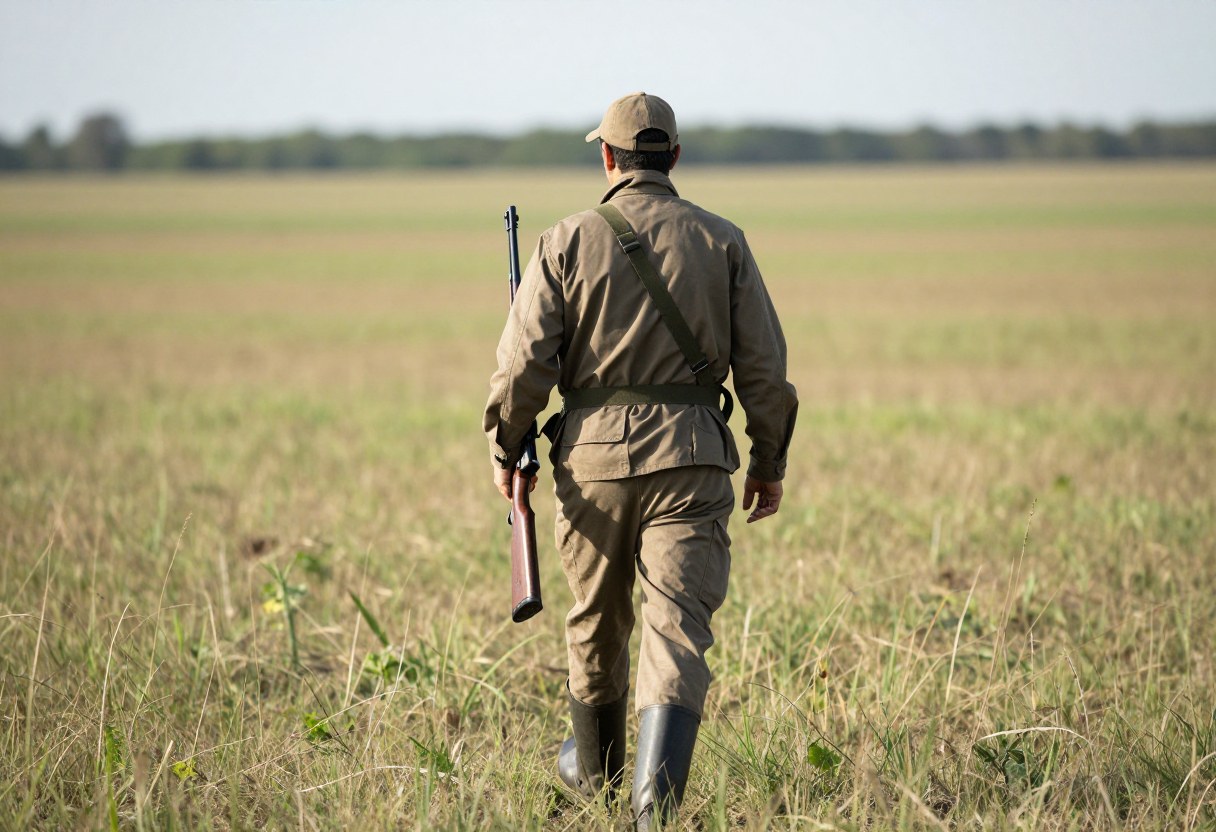
- Multiple safe carry positions exist (two-handed ready carry, sling carry, cradle carry, shoulder carry) — the right choice depends on terrain, alertness level needed, and how quickly you may need to shoulder the firearm.
- Muzzle awareness applies to every carry position — regardless of which carry method you're using, maintaining a safe muzzle direction relative to yourself and any hunting partners is a continuous responsibility.
- Adjust carry position based on terrain and group situation — a position that's safe walking alone on an open trail may not be appropriate when moving through dense brush with hunting partners nearby, where muzzle direction relative to others becomes a more immediate concern.
- Cross a fence, ditch, or difficult terrain feature only after unloading the firearm (or with a clear, practiced safe-handoff method with a hunting partner) — awkward physical movements are a well-documented common circumstance for accidental discharges.
3. Safe Zones of Fire in Group Hunting
- Establish clear zones of fire before hunting begins when hunting with a group, particularly relevant for driven hunts, dove/upland bird hunting with multiple hunters, or any situation with hunters positioned near each other.
- Never swing your firearm to track game through an arc that crosses another hunter's position, even momentarily — this is a common cause of close-call and actual hunter-involved incidents, particularly in fast-moving bird hunting situations.
- Communicate clearly with hunting partners about positioning, planned movement, and zones of fire before the hunt begins, not as an afterthought once already in position.
- Turkey hunting has specific additional safety considerations (covered in more depth in a dedicated turkey hunting guide) given its higher rate of hunter-involved incidents relative to other hunting types, driven by the calling/stalking dynamic unique to that hunt style.
4. Tree Stand Safety
- Falls from tree stands are a leading cause of serious hunting injuries, arguably a bigger real risk for many hunters than firearm-related incidents — tree stand safety deserves the same serious attention as firearm handling.
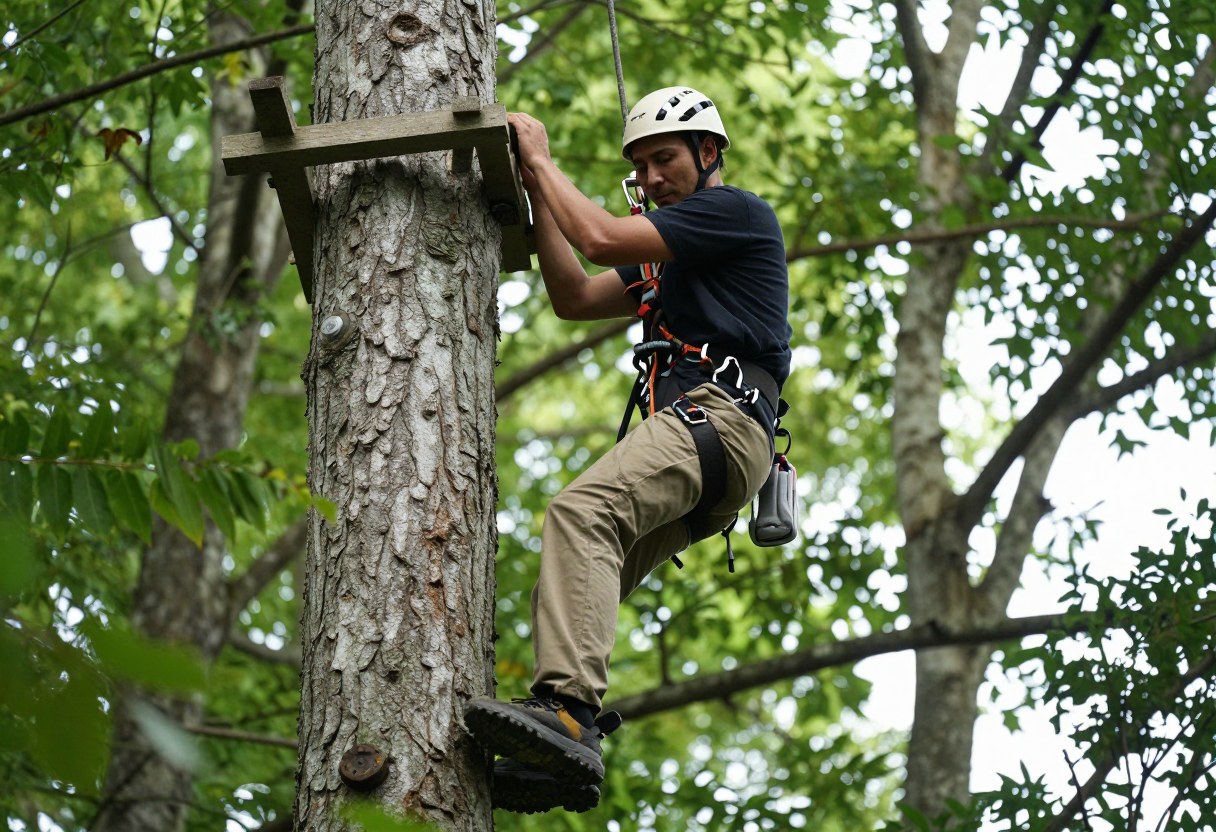
- Use a full-body safety harness (not just a belt) every time you're in an elevated stand, from the moment you leave the ground until you return to it, not just once seated in the stand.
- Use a haul line to raise and lower an unloaded firearm or bow separately from climbing — never climb with a firearm slung on your body, which compromises both climbing safety and firearm muzzle control.
- Inspect stands and safety equipment before each season, checking for wear, damage, or degradation, especially on stands left in place season over season.
- Tell someone your stand location and expected return time, similar to general hiking safety practice — this matters just as much for hunting as for hiking, and is a low-cost habit with real safety value if something goes wrong.
5. Firearm Handling at the Vehicle and Camp
- Unload firearms before entering or exiting a vehicle, and transport them cased and unloaded per your state's specific transport regulations, which vary and are worth confirming rather than assuming.
- Store firearms safely in camp, unloaded when not actively in use, and secured appropriately, especially with children or non-hunters present.
- Never assume a firearm is unloaded without personally checking — a firearm handed to you, or one you're picking back up after setting aside, should be checked by you directly rather than trusting a prior assumption.
6. Hunter Orange and Visibility Requirements
- Blaze/hunter orange requirements vary meaningfully by state, hunt type, and season — general firearm deer season commonly requires orange in many states, while spring turkey season commonly does not (since it would defeat camouflage strategy) — check your specific state and hunt type's current requirements rather than assuming based on a different hunt type or state.
- Orange requirements exist specifically to improve hunter-to-hunter visibility, reducing the risk of another hunter mistaking movement or color for game — wearing it even when not strictly required, in situations with other hunters nearby, is a reasonable additional safety margin some hunters choose to take.
7. Alcohol, Fatigue, and Judgment
- Never handle firearms while under the influence of alcohol or impairing substances — this should be an absolute, non-negotiable rule, not a situational judgment call.
- Genuine physical fatigue affects judgment and reaction time in ways that matter for firearm safety — recognizing when fatigue is affecting your alertness and adjusting (taking a break, being extra deliberate about safety checks) is a real, if less obvious, safety practice.
- Hunting with people you trust to follow the same safety standards matters — safety in group hunting situations depends on every participant's consistent discipline, not just your own.
8. Common Firearm Safety Lapses
- Assuming a firearm is unloaded without personally checking, based on someone else's assurance or a prior memory of unloading it.
- Resting a finger on the trigger before actually deciding to shoot, rather than keeping it along the frame/trigger guard until that specific decision is made.
- Climbing a tree stand with a firearm slung on the body instead of using a haul line to raise it separately once safely in position.
- Not establishing clear zones of fire before a group hunt, especially relevant for fast-moving bird hunting or driven hunt situations.
- Swinging a firearm through an arc that crosses another hunter's position while tracking moving game.
- Skipping a full-body harness in a tree stand, or only using one after being seated rather than from the moment of leaving the ground.
- Not checking current state-specific hunter orange requirements, assuming rules from a different hunt type, season, or state apply.
Quick Decision Checklist
- I treat every firearm as loaded, always, regardless of my own prior handling of it
- I maintain continuous awareness of safe muzzle direction across every carry position I use
- My finger stays off the trigger until I've made the deliberate decision to shoot
- I positively identify my target and understand what's beyond it before every shot
- I've established clear zones of fire if hunting in a group, and never swing across another hunter's position
- I use a full-body harness and haul line for any tree stand use, from ground to ground
- I've checked my current state and hunt type's specific hunter orange requirements
- I never handle firearms under the influence of alcohol or impairing substances
Glossary
- Zone of Fire: A predetermined safe shooting arc established for each hunter in a group hunting situation, designed to prevent hunters from swinging firearms toward each other's positions.
- Muzzle Awareness: The continuous practice of maintaining a firearm's muzzle pointed in a safe direction regardless of carry position or activity.
- Full-Body Harness: A safety harness worn during tree stand use, covering the torso and designed to prevent injury from a fall, distinct from a less protective single-point belt.
- Haul Line: A line used to raise and lower gear (including an unloaded firearm or bow) separately from climbing a tree stand, keeping hands free and firearms unslung during the climb.
Final Takeaway
Hunting's strong overall safety record depends on every hunter treating the four fundamental firearm safety rules as absolute, not situational — always treating a firearm as loaded, maintaining muzzle awareness, keeping fingers off triggers until ready to shoot, and positively identifying targets and what's beyond them. Combine that firearm discipline with tree stand harness use, clear zones of fire in group hunting, and current knowledge of hunter orange requirements, and the resulting safety margin protects both you and everyone hunting around you.
Specific safety regulations, including hunter orange requirements and tree stand rules, vary by state and hunt type — always confirm current, specific requirements for your exact hunting situation rather than assuming based on a different context.