
Day Hiking Essentials: What to Bring
The core gear list for a safe, comfortable day hike, from a short nature walk to a full-day trek.
Published August 19, 2026
Why "It's Just a Day Hike" Underestimates the Risk
Day hikes are responsible for a disproportionate share of hiker rescues and incidents specifically because they're underestimated — a short, well-marked trail feels low-risk enough that people skip preparation they'd never skip for an overnight trip, and then an injury, weather change, or simple wrong turn turns a casual outing into a genuine emergency. The good news is that day hike preparation doesn't require much gear or cost — it requires knowing what actually matters and consistently bringing it, even on hikes that seem too short or too easy to need it.
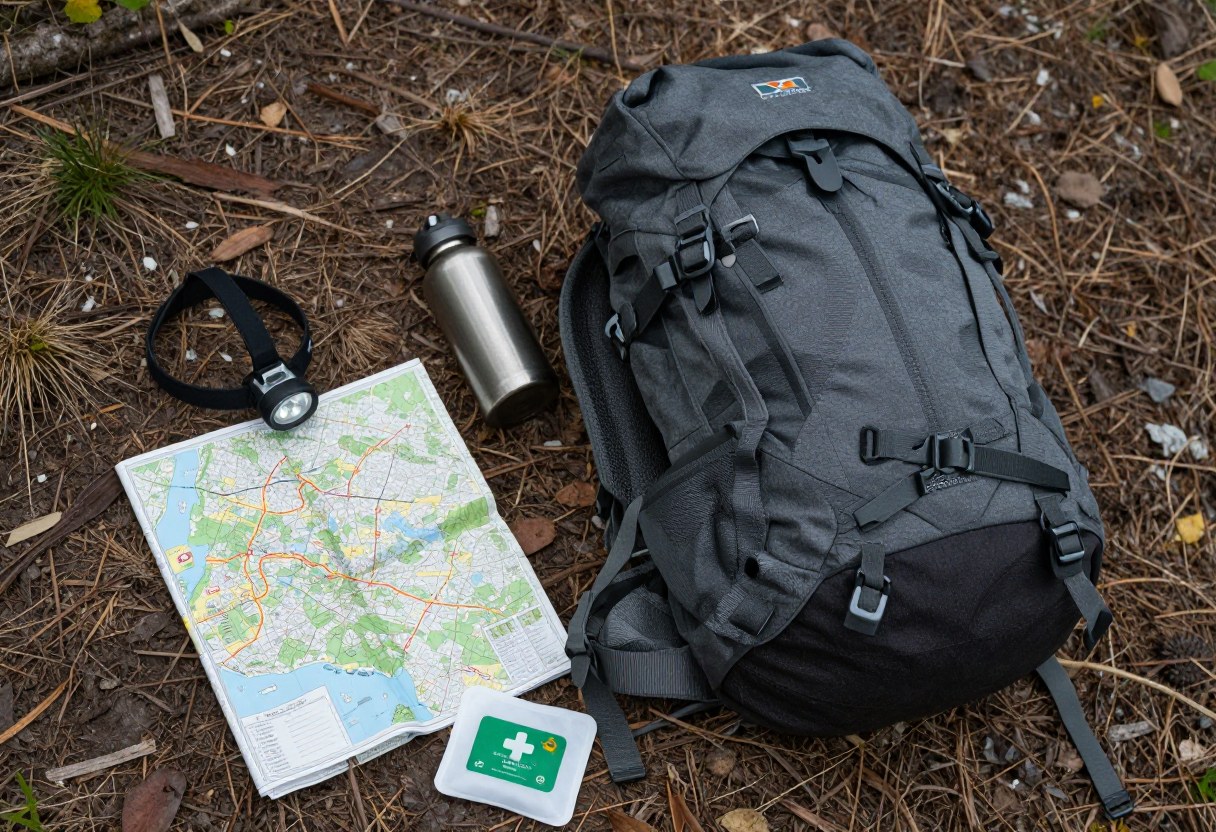
1. The Ten Essentials: A Foundational Framework
Originally developed by The Mountaineers, the "Ten Essentials" is a widely used framework for what to carry on any hike, scaled to the specific trip's length and risk. The modern version organizes items by function rather than a fixed list of ten objects:
- Navigation — map, compass, and/or GPS device/app (with offline maps downloaded)
- Sun protection — sunscreen, sunglasses, sun-protective clothing
- Insulation — extra layers beyond what the current weather suggests
- Illumination — headlamp or flashlight, even for a hike planned to end before dark
- First-aid supplies — a basic kit appropriate to trip length and remoteness
- Fire starter — a way to start a fire in an emergency, even if you don't plan to build one
- Repair kit and tools — a multi-tool or knife, and basic repair items (duct tape, cordage)
- Nutrition — extra food beyond what you expect to need
- Hydration — extra water beyond what you expect to need, or a way to treat more
- Emergency shelter — a lightweight emergency bivy, space blanket, or large trash bag
These aren't meant to be used on a routine, uneventful hike — they're specifically there for the hike that doesn't go as planned, which is exactly when you can't predict you'll need them in advance.
2. Scaling the List to Trip Length and Remoteness
| Hike Type | Preparation Level |
|---|---|
| Short, well-marked trail near a trailhead (under 2 miles, high foot traffic) | Lighter version of the Ten Essentials still applies, but risk is genuinely lower |
| Moderate day hike (2–8 miles, moderate remoteness) | Full Ten Essentials framework, appropriately sized |
| Long or remote day hike (8+ miles, limited cell signal, less-traveled trail) | Full Ten Essentials plus extra margin on food, water, and navigation redundancy |
Even a short, popular trail deserves at least a lightweight version of this list — many hiker rescues happen on short, "easy" trails specifically because preparation was skipped based on the trail's reputation rather than actual conditions that day.
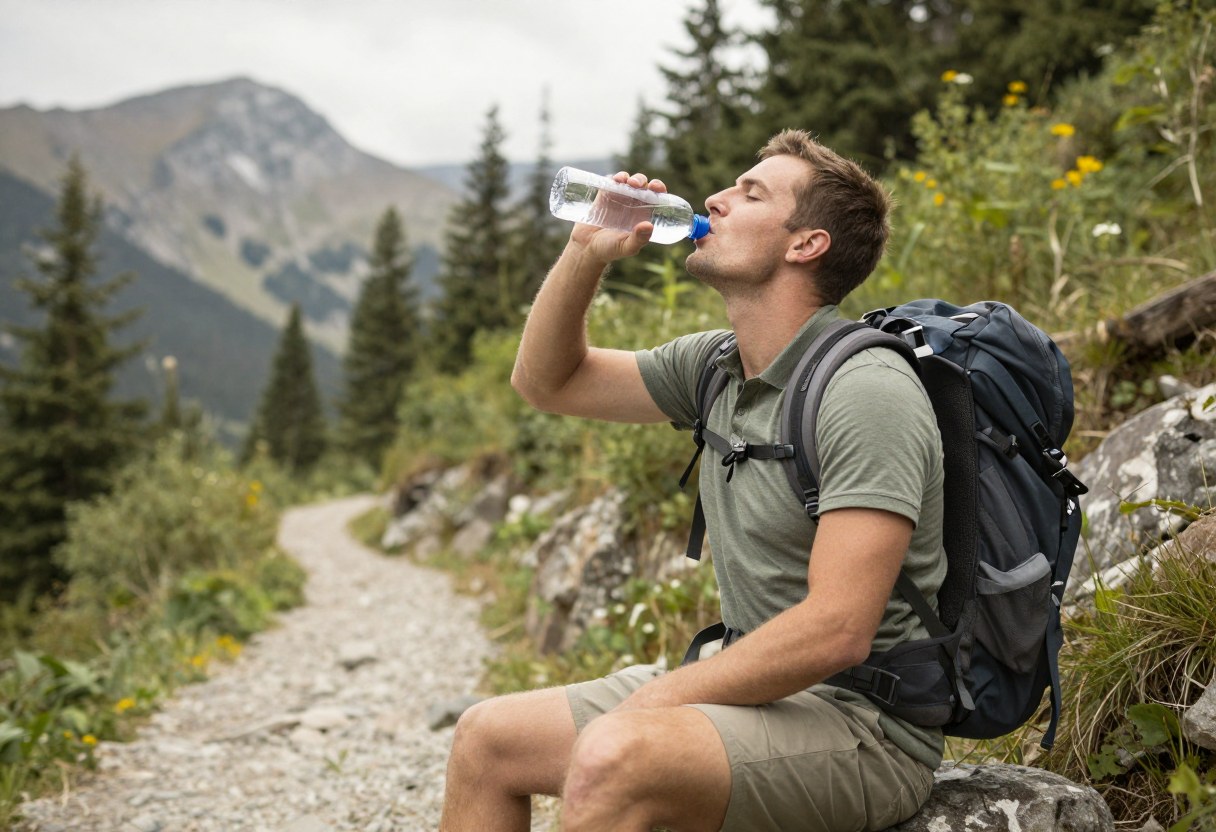
3. Water: How Much and How to Carry It
- A commonly cited baseline is roughly half a liter per hour of moderate hiking activity, adjusted upward for heat, exertion level, and elevation — this is a starting estimate, not a precise formula, and personal hydration needs vary.
- Carry more than you expect to need, especially on hot days or longer hikes, since running short on water is one of the most common and most preventable day hike problems.
- Consider a water filter or treatment method for longer hikes with a reliable water source along the route, reducing how much you need to carry from the start versus refilling and treating along the way.
4. Clothing and Layering for a Day Hike
- Avoid cotton, which retains moisture and loses insulating value when wet — a genuinely important rule even for a "warm day" hike, since weather and sweat can both introduce moisture that cotton handles poorly.
- Bring layers beyond what current conditions suggest, especially for hikes with meaningful elevation gain, since temperature drops with elevation and weather can shift faster than forecasts predict.
- A lightweight rain shell, even on a day with a good forecast, is a small weight/cost investment against a real and common way an easy hike turns uncomfortable or dangerous.
- Proper footwear matched to terrain (see a dedicated hiking boots guide for detail) — even a short hike on rocky or uneven terrain benefits from appropriate footwear over casual sneakers.
5. Food: More Than You Think You'll Need
- Pack extra food beyond your planned caloric needs, specifically as a buffer for an unexpectedly longer day (wrong turn, injury requiring a slower pace, weather delay).
- Simple, calorie-dense, no-cook options (trail mix, energy bars, jerky) are practical for day hikes where you're not planning to cook.
- Consider both quick-energy options (for an immediate boost during exertion) and more substantial food (for a genuine meal break on longer hikes) rather than only one type.
6. Navigation: Don't Rely on One Method Alone
- A phone GPS app with pre-downloaded offline maps is a reasonable primary tool for most day hikes on established trails, but battery life and device reliability are real, if less common, failure points.
- A paper map (and the basic ability to read it) as backup costs very little in weight and meaningfully reduces risk if your primary navigation method fails.
- Tell someone your planned route and expected return time before you go — this single habit is one of the most impactful things you can do to reduce risk on any hike, since it's what actually triggers help if something goes wrong and you don't return as expected.
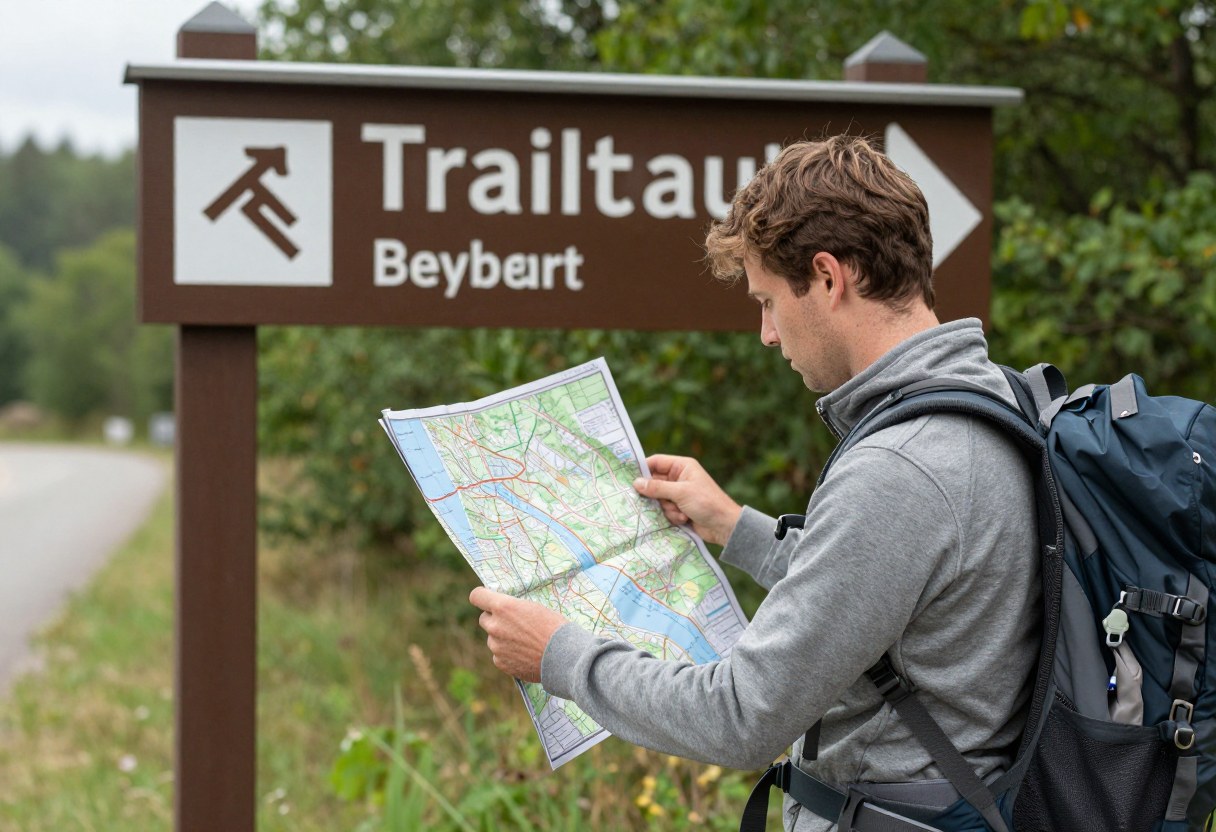
Don't Skip This: Telling a specific person your planned route and expected return time, and actually checking in with them afterward, is free, takes thirty seconds, and is one of the single most effective things you can do to reduce real risk on a day hike — more impactful for many hikers than any piece of gear on this list.
7. First Aid: A Practical Beginner Kit
- A basic day-hike first aid kit should cover blister care (moleskin or blister bandages), minor cuts/scrapes (adhesive bandages, gauze, antiseptic wipes), and any personal medication needs (allergy medication, an EpiPen if relevant, personal prescriptions).
- Blister prevention/treatment supplies are disproportionately useful relative to their small size and weight — blisters are one of the most common real day hike problems, and are far easier to manage early than after they've become severe.
- Know how to use what's in your kit — a first aid kit with contents you don't know how to use is meaningfully less useful than a smaller kit you're actually confident using.
8. Weather Awareness
- Check the forecast for your specific trail location and elevation, not just the nearest town, since mountain and elevation-specific weather can differ meaningfully from a general area forecast.
- Weather can change faster in the mountains or at elevation than a morning forecast predicts — building in a buffer for changing conditions, especially on afternoon thunderstorm-prone terrain, is a real and often overlooked planning step.
- Know your turnaround time and actually honor it, rather than pushing forward toward a summit or destination when weather or time suggests turning back — this is a genuine discipline that experienced hikers develop and beginners often struggle with under the pull of "we're so close."
9. Common Day Hike Mistakes
- Underpreparing because a hike is short or well-traveled, missing that many rescues happen on exactly these "easy" trails.
- Not telling anyone the planned route and return time, removing the single most effective safety net if something goes wrong.
- Bringing too little water or food, assuming the hike will go exactly as planned with no delays or extra exertion.
- Skipping a headlamp on a hike planned to finish before dark, then getting caught by a slower-than-expected pace or unplanned delay.
- Wearing cotton clothing, underestimating how weather or sweat can introduce moisture even on a warm-forecast day.
- Ignoring a turnaround time, pushing forward toward a destination despite worsening weather or diminishing daylight margin.
Quick Decision Checklist
- I've packed a version of the Ten Essentials scaled appropriately to this specific hike's length and remoteness
- I have more water and food than I expect to strictly need
- I'm avoiding cotton and have at least one extra layer beyond what current conditions suggest
- I have a headlamp, even if I plan to finish before dark
- I have both a primary (phone/GPS) and backup (paper map or offline capability) navigation method
- I've told someone my specific route and expected return time
- I've checked trail-specific weather and set a turnaround time I intend to actually honor
Glossary
- Ten Essentials: A widely used framework (originally from The Mountaineers) organizing core hiking safety items by function — navigation, sun protection, insulation, illumination, first aid, fire, repair tools, nutrition, hydration, and emergency shelter.
- Turnaround Time: A predetermined time by which a hiker commits to heading back regardless of progress toward the destination, used to build in a safety margin against weather and daylight.
- Emergency Bivy: A lightweight, compact emergency shelter (often a reflective bag or sack) carried as backup protection against exposure if a hike takes longer than planned.
Final Takeaway
Day hike preparation isn't about the length or difficulty of the trail — it's about consistently carrying a scaled version of the Ten Essentials, packing more water and food than you expect to need, and telling someone your specific plan before you go. These habits cost very little in weight, cost, or effort, and they're specifically there for the hike that doesn't go as planned — which is exactly the situation you can't predict in advance, on even the shortest and most familiar trail.
Trail conditions, weather, and remoteness vary significantly by location and season — scale this guide's general framework to your specific hike's actual conditions rather than applying it uniformly regardless of context.