Field Dressing and Processing Game: A Step-by-Step Guide
What to actually do after a successful harvest — field dressing, cooling, quartering, and the disease and food-safety basics every hunter should know.
Published September 5, 2026
How to Use This Guide
Every deer, elk, turkey, and waterfowl guide on this site mentions field dressing as the step after a successful harvest — this is the guide that actually walks through it. The core process (open the cavity, remove the organs, cool the meat fast) is the same across most game; the differences are mostly in scale and a few species-specific details, both covered below. If you're brand new to this, the single most important thing to internalize before you ever pull a trigger or release an arrow is: have a plan and the right tools before you need them, not after.
1. Why Timing Matters
Meat spoilage is a race against bacteria and heat, and it starts the moment the animal dies. A gut cavity full of warm organs is the single biggest accelerant — bacteria from the digestive tract spreads fastest through warm, undressed meat, and warm air trapped inside the body cavity keeps the whole carcass from cooling.
- Field dress as soon as it's safe and practical to do so — for most deer-sized game, within 30 minutes to an hour of the harvest is a reasonable target, and same-day is a hard minimum regardless of temperature.
- Warm weather raises the stakes significantly. Above roughly 40°F (4°C), meat quality degrades much faster, and quartering plus active cooling (ice, shade, airflow) becomes far more urgent than in cold late-season conditions.
- Cold weather buys you time, not an excuse to skip steps. Even in freezing conditions, an undressed carcass still needs the cavity opened and organs removed to cool properly from the inside.
2. Tools and Gear You'll Need
| Item | Why You Need It |
|---|---|
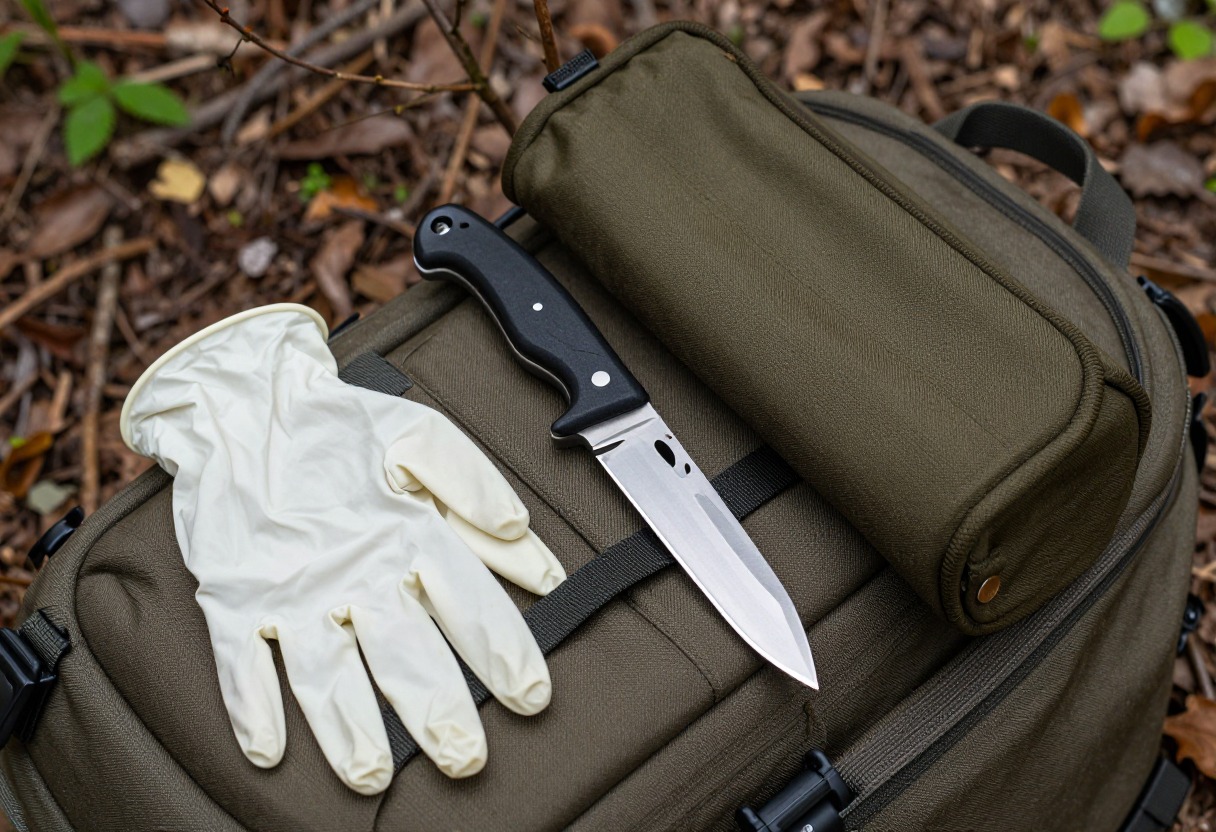
| A sharp fixed-blade or quality folding knife | The single most-used tool in the whole process — see our complete pocket knife guide for blade shape and steel considerations specific to field use |
| Latex or nitrile gloves | Basic hygiene and disease protection — genuinely non-negotiable, not optional |
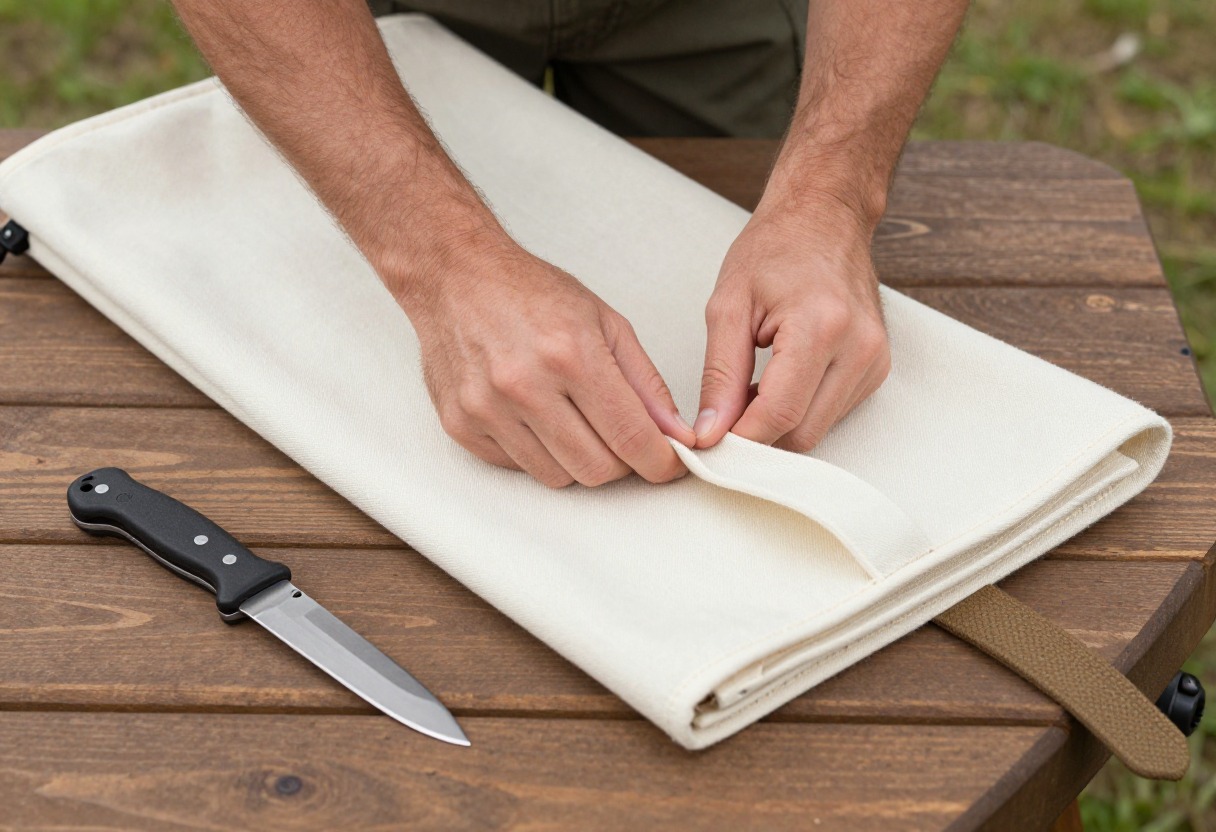
| A game bag (or several) | Keeps meat clean and lets it breathe during transport and cooling; cheap insurance against ruined meat |
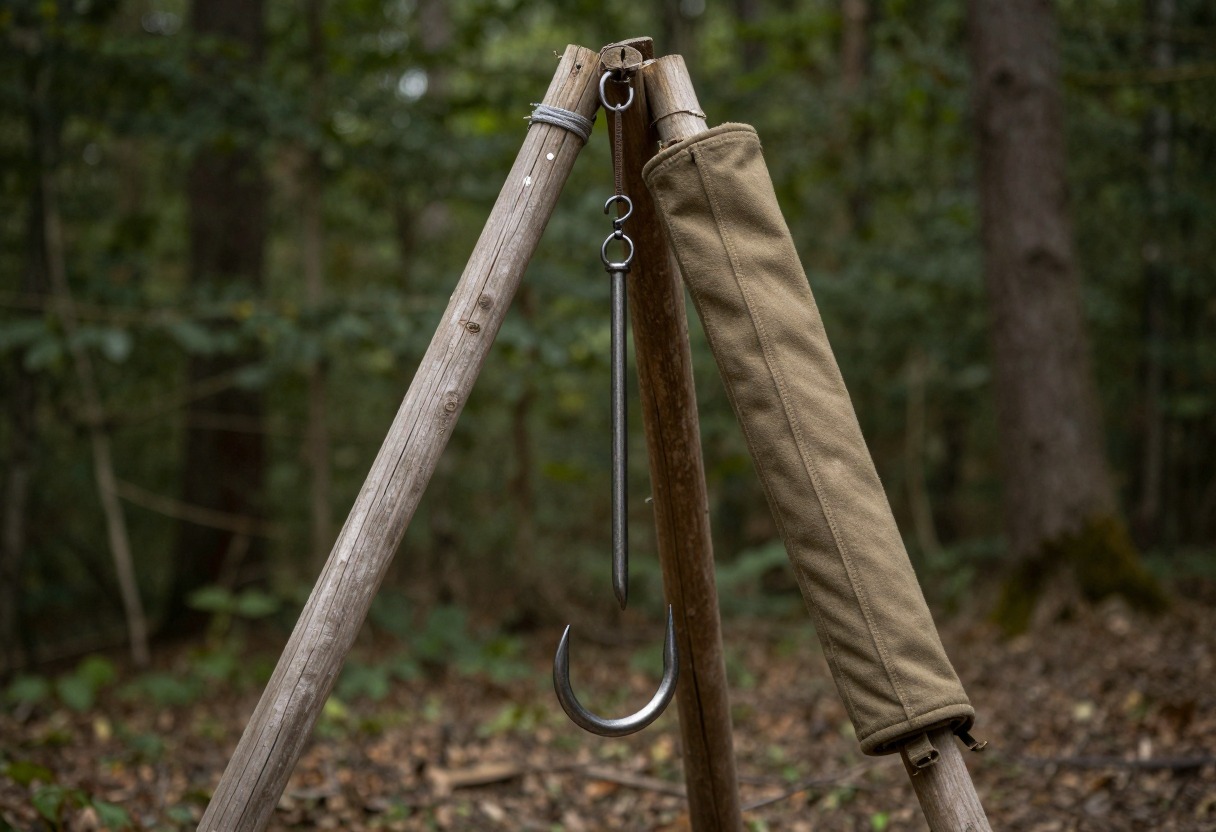
| Rope or a gambrel | For hanging larger game to field dress or quarter, and for dragging |
| A bone saw | Needed for quartering elk-sized game or splitting a pelvis; a knife alone struggles with heavy bone |
| A headlamp | A very common reality: successful hunts often end near dusk, and field dressing in the dark without a hands-free light is miserable and unsafe |
| A cooler with ice | For transport once the animal is dressed and, ideally, quartered |
3. Step-by-Step Field Dressing (Deer-Sized Game)
This is the core process most beginner-friendly guides mean when they say "field dress," and it generalizes reasonably well across deer, antelope, and similar-sized game.
- Position the animal on its back if possible, with the hindquarters slightly elevated (uphill, or propped) so gravity helps organs settle away from your cut line.
- Make a shallow initial cut from the base of the sternum down toward the pelvis, cutting through skin and thin belly muscle only — use two fingers to tent the skin away from the organs underneath as you cut, which keeps you from puncturing the stomach or intestines. This is the single step most beginners are anxious about, and the two-finger tenting technique is what actually prevents the mistake they're worried about.
- Extend the cut carefully the full length of the belly, continuing to guide the blade with your off-hand to protect the organs below.
- Work around the pelvis and diaphragm, cutting connective tissue to free the digestive tract and reach the chest cavity, taking care around the bladder — a nicked bladder taints meat with a strong, unpleasant smell but isn't dangerous, just unpleasant to work around.
- Roll or pull the organ mass free once everything is disconnected, and let gravity do most of the work.
- Prop the cavity open with a stick or your knife's flat side, and let the carcass begin cooling immediately — this is the whole point of the process, not an afterthought.
4. Scaling Up: Elk and Large Game
Elk and similarly large game change the math significantly — a whole elk is too heavy to drag out in one piece, and the sheer mass of the carcass means the interior stays warm far longer without help.
- Quartering in the field is standard practice, not an advanced technique reserved for experts. Separating the animal into front quarters, hind quarters, backstraps, and tenderloins right where it fell is usually the only realistic way to pack the meat out.
- A bone saw earns its keep here — a knife alone can debone around joints, but splitting a pelvis or working through heavy leg bones is much faster and safer with a saw.
- Plan for multiple trips. A mature elk can mean 150-200+ pounds of meat, well beyond a single pack-out load for most hunters — factor this into your plan before the hunt, not after you're standing over a downed animal miles from the truck.
- Get quarters into game bags and into shade or a cooler as fast as possible — the extended time between quartering and full cooling is the highest-risk window for a large-game harvest.
5. Small Game and Birds: What's Different
- Waterfowl and upland birds are commonly processed "breast only" — cutting the breast meat free from the sternum rather than fully plucking and gutting the bird. It's faster and yields the majority of the usable meat; full plucking is worthwhile mainly if you want to roast the bird whole.
- Turkey can go either way depending on preference: breast-and-thigh processing is faster, while a full pluck-and-dress preserves the option to roast it whole for a holiday-style meal.
- Small game (rabbits, squirrels) field dresses quickly given its size, but demands the same disease-awareness precautions below — small mammals carry their own set of zoonotic disease risks.
6. Cooling, Transport, and Meat Care
- Get the hide off large game as soon as practical once you're at a vehicle or camp — hide-on carcasses retain heat far longer than skinned ones, especially in a cooler or a warm truck bed.
- Ice directly on meat is fine and often ideal for transport; just drain the cooler regularly so meat doesn't sit in standing water.
- Aging (hanging meat at consistently cold temperatures, roughly 34-40°F, for several days to a couple of weeks) improves tenderness for larger game, but only works safely in genuinely cold, stable conditions — without reliable refrigeration or consistently cold weather, get meat processed and frozen promptly instead of attempting to age it.
- A tainted gut-shot or bladder-nicked area can usually be trimmed away without ruining the rest of the animal — don't assume one contaminated section means the whole harvest is lost.
7. Disease and Food-Safety Considerations
- Chronic Wasting Disease (CWD) affects deer, elk, and moose in a growing number of states, and testing requirements, mandatory check-in stations, and transport restrictions vary significantly by location. Check your state's resources page for your specific state wildlife agency's current CWD testing and carcass-transport rules before you hunt, especially across state lines.
- Wear gloves throughout the entire process, not just for the initial cuts — repeated bare-hand contact with blood and organ tissue is the main real transmission risk for several zoonotic conditions.
- Wash hands and tools thoroughly after processing, and keep a separate set of tools for field dressing versus food prep back at camp when practical.
- Avoid handling visibly sick-looking animals (unusual behavior, poor body condition, lesions) — report them to your state wildlife agency rather than processing them for consumption.
8. Common Mistakes
- Waiting too long to field dress, especially in warm weather, letting bacteria and heat do damage before the process even starts.
- Skipping gloves out of habit or convenience — this is the easiest and most consequential shortcut to stop taking.
- Not having a game bag or cooler ready, leaving meat exposed to dirt, insects, and heat during transport.
- Underestimating a large-game pack-out — not planning for quartering and multiple trips before the hunt, leading to rushed, lower-quality field processing under pressure.
- Not checking state-specific CWD or transport regulations before hunting, especially when hunting outside your home state.
- Attempting to age meat without genuinely reliable cold conditions, risking spoilage instead of improved tenderness.
9. Budget Overview
| Item | Typical Range (USD) |
|---|---|
| Field-dressing knife | $30-$150 (see our pocket knife guide for a full breakdown) |
| Latex/nitrile gloves (box) | $10-$20 |
| Game bags (set) | $15-$40 |
| Gambrel | $15-$40 |
| Bone saw | $20-$60 |
| Cooler (quality, game-capacity) | $150-$400+ |
Quick Decision Checklist
- I have a sharp knife, gloves, and at least one game bag with me before I hunt, not just a plan to buy them later
- I know my target species' general size and have a realistic plan for field dressing and, if needed, quartering and pack-out
- I'm prepared to field dress within an hour of a successful harvest, faster in warm weather
- I have a cooler or cooling plan ready for the drive home
- I've checked my state's current CWD testing and carcass-transport regulations before the hunt
- I know to avoid processing any animal that showed signs of illness in the field
Glossary
- Field Dressing: Removing an animal's internal organs promptly after harvest to begin cooling the meat and prevent spoilage.
- Quartering: Dividing a large animal into front and hind quarters (plus backstraps and tenderloins) in the field, typically necessary for elk-sized game and larger.
- Gambrel: A rigid bar with hooks used to hang a carcass by the hind legs for field dressing, skinning, or quartering.
- CWD (Chronic Wasting Disease): A fatal neurological disease affecting deer, elk, and moose; testing and transport rules vary significantly by state.
- Aging: Hanging meat at consistently cold, stable temperatures for a period of days to weeks to improve tenderness, requiring genuinely reliable refrigeration or weather.
This guide covers general field dressing and processing principles for common North American game. Regulations on CWD testing, mandatory check-in, and carcass transport vary significantly by state and change over time — always confirm current, specific requirements for the state you're hunting in.