Public Land Hunting Strategies
How to find pressure-free spots and hunt effectively on land anyone can access.
Published August 19, 2026
Why Public Land Hunting Is a Genuinely Different Game
Public land hunting removes the access barrier that limits many hunters — no landowner relationship, lease, or private property required — but it introduces a different core challenge: hunting pressure. Public land sees more hunters, and game on heavily pressured public land often behaves differently (more nocturnal, more reliant on thick cover, quicker to relocate after pressure) than game on lightly hunted private land. Success on public land comes down largely to finding the pockets other hunters aren't reaching, and adapting technique to genuinely pressured game. This guide covers how to do both.
1. Understanding Hunting Pressure and Its Effects
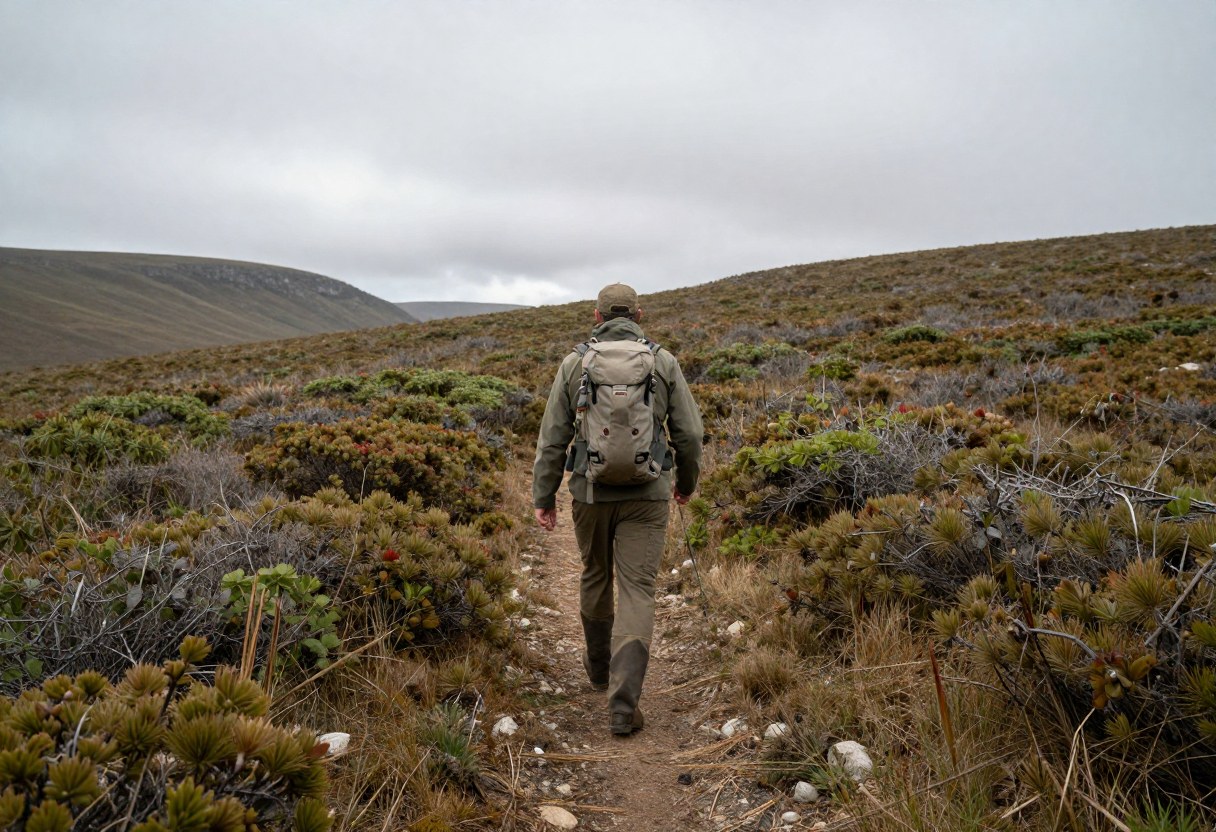
- Game on heavily pressured public land adapts its behavior, often becoming more nocturnal, relying more heavily on thick, difficult-to-access cover, and reacting more quickly and permanently to disturbance than game on lightly pressured land.
- Pressure isn't uniform across a public land unit — hunting pressure concentrates near easy access points (trailheads, roads, parking areas) and drops off, often significantly, with distance and difficulty of access.
- Understanding this pressure gradient is the foundational insight behind most effective public land strategy — the goal isn't finding land nobody else is aware of, it's finding land other hunters aren't willing to put in the effort to reach.
Don't Skip This: Most public land hunters don't walk far from their vehicle — research and hunter behavior patterns consistently show a sharp drop-off in hunting pressure with distance from roads and easy access points. Simply being willing to walk farther than average, into terrain that requires real physical effort to reach, is one of the single most effective public land strategies available, requiring no special skill beyond willingness and fitness.
2. Finding Pressure-Free Pockets: Research Before Boots on the Ground
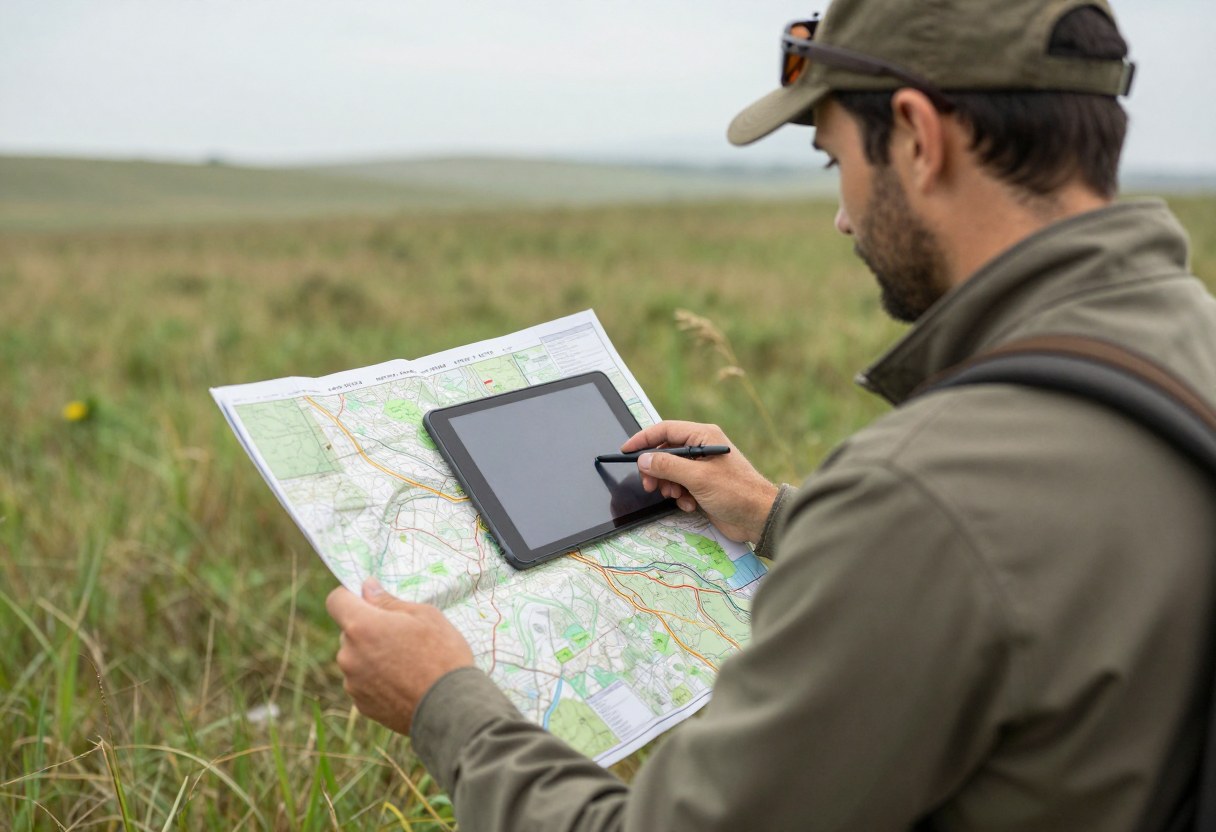
- Topographic maps and satellite imagery (widely available through free tools like onX Hunt's basic tier, Gaia GPS, or USGS topo maps) let you identify difficult-access terrain — areas separated from easy access by significant elevation gain, water crossings, or long approach distances — before ever setting foot on the property.
- Look specifically for terrain that discourages casual access: steep terrain, thick vegetation, water crossings, long distances from parking areas or roads, and land parcels away from obvious trailheads.
- Public land use data, where available (some state agencies publish hunter density or harvest data by unit), can help identify genuinely less-pressured units or zones within a larger public land area.
- E-scouting (researching terrain remotely via maps/satellite before physically scouting) is a genuinely high-value modern tool, letting you narrow down promising areas before investing physical scouting time.
3. In-Person Scouting on Public Land
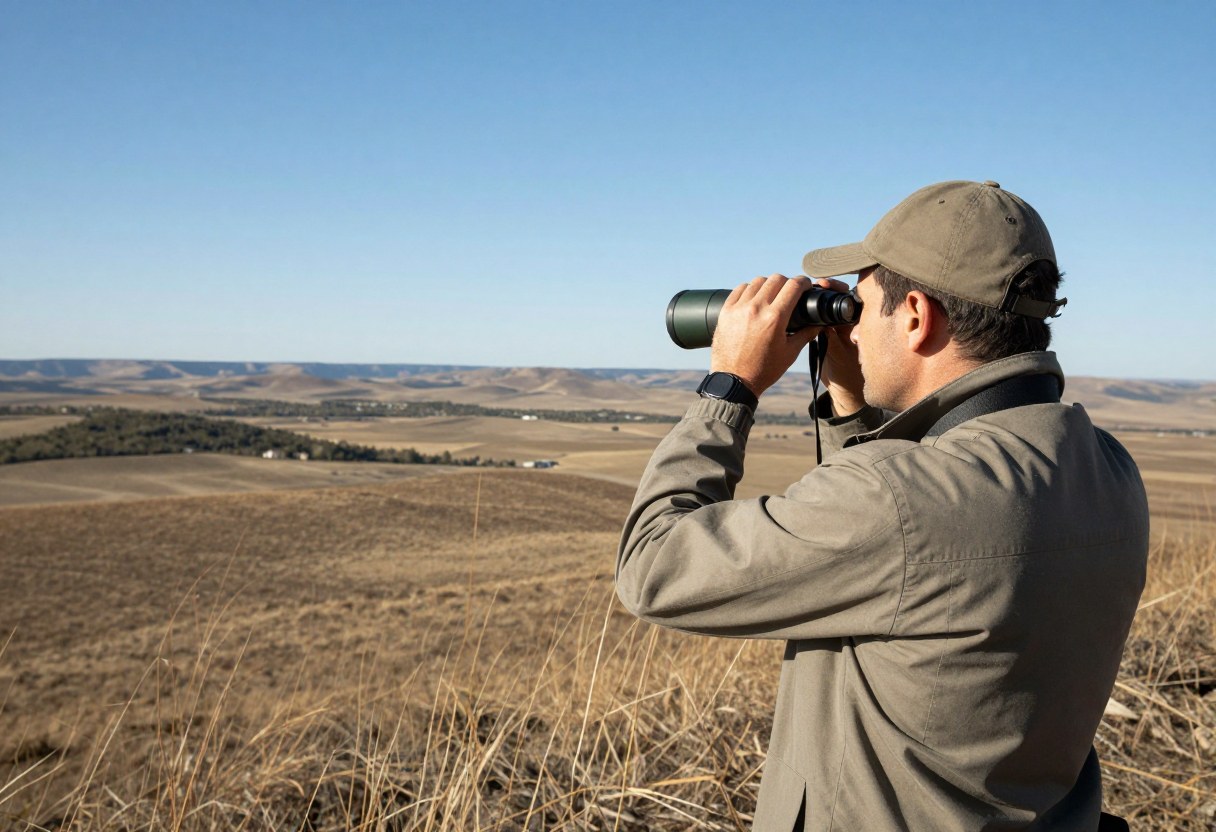
- Scout before season when possible, both to confirm what map research suggested and to look for actual game sign (tracks, trails, bedding areas, feeding sign) that maps alone can't reveal.
- Look for sign of hunting pressure itself — established boot paths near trailheads, tree stand marks, blind spots, or trail camera mounting evidence can indicate where other hunters are concentrating, helping you identify areas to avoid versus areas that see genuinely less pressure.
- Scout access routes, not just hunting spots — how you'll approach a spot without alerting game (or other hunters) to your presence matters as much as identifying the spot itself.
- Be mindful of scouting-related disturbance — excessive scouting pressure, especially close to season, can itself pressure game in your target area, similar to the trail camera disturbance concerns covered in a dedicated trail camera guide.
4. Adapting Technique to Pressured Game
- Increased reliance on thick cover means still-hunting or stand hunting near thick bedding cover, rather than open feeding areas, is often more productive on heavily pressured land — pressured game frequently doesn't move into open, exposed feeding areas until after dark.
- Hunting travel corridors between thick bedding cover and feeding areas, rather than the feeding areas themselves, can intercept pressured game during legal shooting hours before it retreats to heavier cover.
- Midday hunting is often underutilized on public land — many hunters concentrate effort at dawn and dusk, meaning midday hours can see genuinely less human pressure and correspondingly more relaxed game movement, particularly during the rut when bucks move more throughout the day regardless of typical dawn/dusk patterns.
- Be more conservative with calling and scent discipline than you might be on lightly pressured private land — pressured game tends to be more wary and quicker to permanently avoid an area after a bad experience, making the fundamentals (wind strategy, minimal disturbance) matter even more than usual.
5. Timing Strategy: Hunting When Others Aren't
- Weekday hunting sees meaningfully less pressure than weekends in most public land areas, where the majority of casual/recreational hunters concentrate their available time.
- Midweek, mid-morning to midday hours often represent a genuine pressure gap — after the dawn rush has cleared out and before the evening push begins, when both game and other hunters are often less active in a given area.
- Later in a season, after initial pressure has pushed game into harder-to-reach pockets, adjusting strategy to hunt those specific pockets (rather than the areas productive in the season's first days) can improve results as the season progresses.
- Bad weather days (which discourage casual hunters) can represent a real opportunity for a well-prepared hunter willing to hunt through less pleasant conditions, both through reduced human pressure and often increased game movement associated with certain weather changes.
6. Multiple Public Land Parcels: Don't Rely on One Spot
- Scout and maintain knowledge of multiple public land areas or units rather than depending entirely on one location — this provides flexibility if your primary spot is occupied by another hunter, has seen recent heavy pressure, or simply isn't producing.
- Smaller, less-obvious public parcels (rather than the largest, most well-known public land units in a region) can sometimes see disproportionately less pressure simply due to lower awareness, worth researching alongside larger, more famous public hunting areas.
- Have a genuine backup plan for opening weekend and other high-pressure periods specifically, since your primary spot is statistically more likely to already be occupied during the highest-pressure windows of a season.
7. Hunter Etiquette and Conflict Avoidance on Shared Land
- Public land is shared by definition, and encountering other hunters is a normal, expected part of the experience rather than a sign something went wrong with your planning.
- If you arrive at a spot and find another hunter already there or clearly set up nearby, moving to an alternate location is both the safer and more courteous choice rather than attempting to hunt in close proximity to another party.
- Communicate respectfully if conflicts arise, and understand that public land access rules generally operate on a reasonable first-come basis for a specific, actively-hunted spot, though specific area rules can vary.
- Practicing good Leave No Trace principles and packing out all trash matters especially on heavily used public land, where cumulative impact from many hunters is a real, visible concern affecting the experience for everyone.
8. Common Public Land Hunting Mistakes
- Hunting only near easy access points, missing the significant pressure drop-off that comes with willingness to walk farther into more difficult terrain.
- Not e-scouting before physically scouting, wasting time and effort on terrain that maps could have shown was unlikely to hold pressure-free game.
- Relying on a single scouted spot with no backup plan, especially problematic during high-pressure periods like opening weekend when that spot is more likely to already be occupied.
- Applying private-land technique and calling aggressiveness directly to pressured public land game, without adjusting for how much warier pressured animals typically are.
- Ignoring midweek and midday hunting opportunities, concentrating effort only in the most crowded dawn/dusk weekend windows.
- Poor etiquette when encountering other hunters, creating unnecessary conflict rather than accepting shared-land reality and adjusting location.
Quick Decision Checklist
- I've e-scouted using topo maps/satellite imagery to identify difficult-access terrain before physically scouting
- I understand the pressure gradient concept and am willing to hike farther than the average hunter for reduced pressure
- I've scouted in person to confirm map research and identify actual game sign and pressure indicators
- I've adjusted technique (cover-focused hunting, travel corridor stands, more conservative calling/scent discipline) for pressured game
- I'm considering weekday and midday hunting windows, not just dawn/dusk weekend hunting
- I have multiple scouted locations/units, not a single spot I'm depending on entirely
- I have a plan to move to an alternate location respectfully if I encounter another hunter already set up
Glossary
- Pressure Gradient: The pattern of hunting pressure concentrating near easy access points and dropping off with distance and difficulty of access — the foundational concept behind most public land strategy.
- E-Scouting: Researching terrain remotely via topographic maps and satellite imagery before physically scouting, used to identify promising, difficult-access areas efficiently.
- Travel Corridor: A route game uses to move between bedding and feeding areas, often a more productive hunting location than the feeding area itself on pressured land.
- Still-Hunting: A hunting method involving slow, deliberate movement through likely game habitat, as opposed to stationary stand hunting.
Final Takeaway
Public land hunting success comes down largely to understanding and working around hunting pressure — using e-scouting and in-person scouting to find genuinely difficult-access pockets other hunters aren't reaching, adjusting technique for warier, more pressure-adapted game, and hunting during underutilized windows like weekdays and midday hours. Maintaining multiple scouted locations rather than depending on a single spot, and practicing good etiquette when sharing land with other hunters, rounds out a realistic, effective public land strategy.
Public land regulations, access rules, and hunting pressure patterns vary significantly by specific unit and region — always confirm current regulations for your specific public land destination before hunting.