
Catfish Fishing for Beginners
The three catfish you'll actually catch, the baits and rigs that work, where to find them, and how to handle one without getting spined.
Published October 14, 2026
Why Catfish Are a Great Place to Start
Catfish are widespread, plentiful, fight hard, and taste good, and you don't need fancy gear or finesse to catch them. They live in nearly every river, reservoir, and pond in the country, many states stock them in community lakes, and they bite on simple baits fished on the bottom. They're also active at night and in warm weather, when other species slow down. That makes them a good fit for beginners, families, and anyone who wants a relaxed evening with a rod in a holder and a good chance at a heavy fish.
1. The Three Catfish You'll Meet
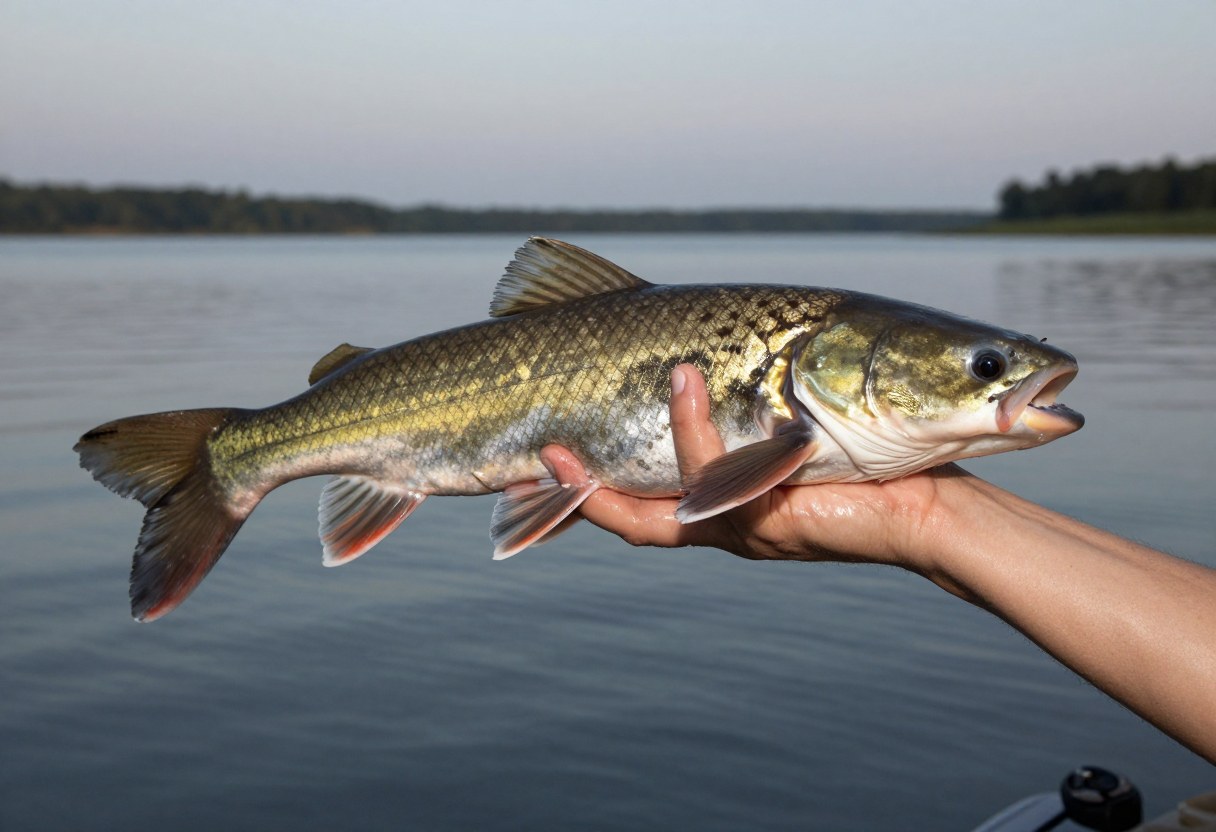
- Channel catfish are the most common and the most commonly stocked. They're slender, with a forked tail and often dark spots on younger fish, and typically run from one to ten pounds, with larger ones possible. They eat nearly anything, from worms to cut bait to prepared stink baits.
- Blue catfish are the giants of the group, found in large rivers and reservoirs in many states, and they can grow well over a hundred pounds. They're often caught on fresh cut bait such as shad.
- Flathead catfish have a broad, flattened head and a lower jaw that sticks out. They're ambush predators that mostly prefer live fish, and they hang around deep, woody cover. They can also get very large.
- Bullheads are a smaller cousin, with a squared tail, that you'll often catch in ponds on worms.
2. Gear
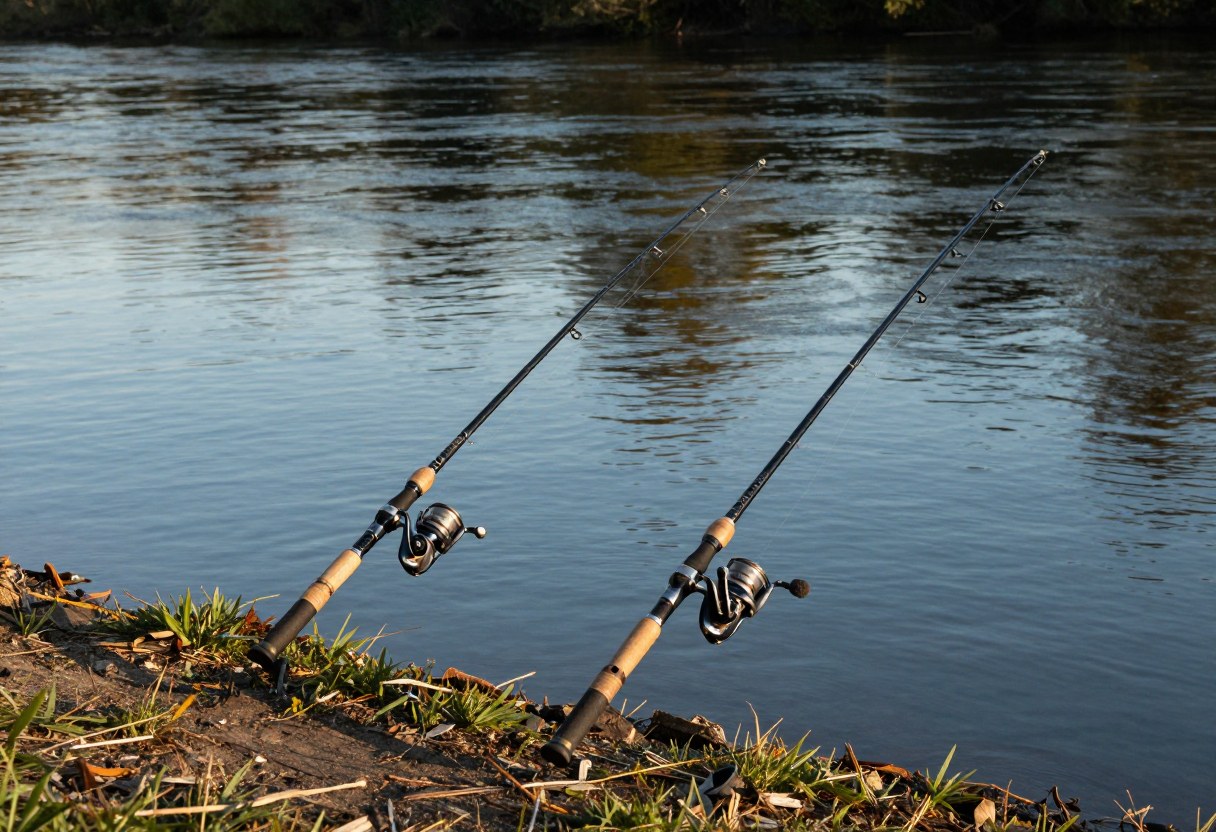
- A medium-heavy spinning or baitcasting rod and reel in the six-and-a-half to eight-foot range handles most catfishing. Our guide to choosing your first fishing rod and reel covers the basics.
- Line in the 12- to 20-pound range for most channel catfish, and heavier for blues and flatheads fished around timber. See our guide to choosing the right fishing line.
- Hooks: circle hooks in the 2/0 to 6/0 range are the standard. They tend to catch in the corner of the fish's mouth, which makes for easier, safer hook removal and better release.
- Sinkers: egg or bell sinkers for slip rigs, enough weight to hold bottom in the current.
- A good pair of pliers or a lip gripper, a bucket, a rod holder, and a net round out the kit. Learn the knots in our guide to essential fishing knots.
3. The Basic Rig
- The slip sinker (Carolina-style) rig is the go-to: thread an egg sinker onto your main line, add a bead, tie on a swivel, and attach an 18- to 24-inch leader with a circle hook. The sinker slides freely, so a catfish can take the bait and move off without feeling the weight.
- Let the bait sit on the bottom and keep a bit of slack, or tension the line lightly and watch the rod tip.
- Don't set the hook with a big sweep when using circle hooks. Wait until you feel the rod load up, then simply start reeling steadily. The hook sets itself as the line comes tight.
4. Baits
- Cut bait — fresh pieces of shad, skipjack, bluegill, or other baitfish — is a top choice for channel and blue catfish. Fresh is better than old.
- Chicken liver, hot dogs, and nightcrawlers are cheap and effective for channels and bullheads, especially in ponds. Liver is messy, so many anglers use a bait thread or a piece of nylon stocking to hold it on.
- Prepared "stink" baits and dip baits are made to be smelly and are popular for channel catfish.
- Live bait such as small sunfish or bullheads is the traditional choice for flatheads. Rules on the use of live fish as bait vary by state and waterbody, so check your local regulations.
- Match the bait to the species and water, and try changing it if you're not getting bites after a reasonable time.
5. Where and When to Fish
- Catfish hang around structure and current breaks. Look for deep holes, channel bends, the edges of drop-offs, log jams, undercut banks, and the tailwaters below dams. Our guide to reading water applies directly to rivers.
- In lakes and ponds, fish along channel edges, creek mouths, points, and deeper flats, or near any structure that gives them cover.
- Evening and night are prime time. Catfish are largely nocturnal feeders, and the hours around sunset and after dark are often best, especially in summer, when they move into shallows to feed.
- Warm weather is the main season, from late spring through early fall, though catfish bite in cooler months too, especially for blues in some waters.
- After heavy rain, rising and muddy water can trigger feeding, as the runoff washes food into the water and the fish feed in the shallows. Be careful about fast, flooded rivers.
6. Handling Catfish Safely
- Catfish have sharp, stiff spines on the dorsal fin and each pectoral fin, and a puncture can hurt, bleed, and get infected. Handle them with care.
- Grip a channel catfish behind the head with your thumb and fingers wrapped around the body, with the spines folded down, or use a lip gripper or a net. Avoid putting your hand around the spines.
- Use pliers or a dehooker to remove the hook, and keep your hands away from the mouth and spines.
- If you'd like to release a large breeder-sized fish, handle it gently and support its weight. Our guide to catch-and-release best practices covers it.
- Clean puncture wounds promptly, and see a doctor if one shows signs of infection.
Don't Skip This: Catfish spines are the most common injury in this fishery. Use a lip gripper or hold the fish firmly behind the head with the spines folded down, and never grab one by the body with your fingers near the fins.
7. Keeping and Cleaning Catfish
- Check the creel and size limits for your water before keeping fish, since they vary by state and waterbody.
- Keep catfish alive and cool, or put them on ice, and clean them promptly.
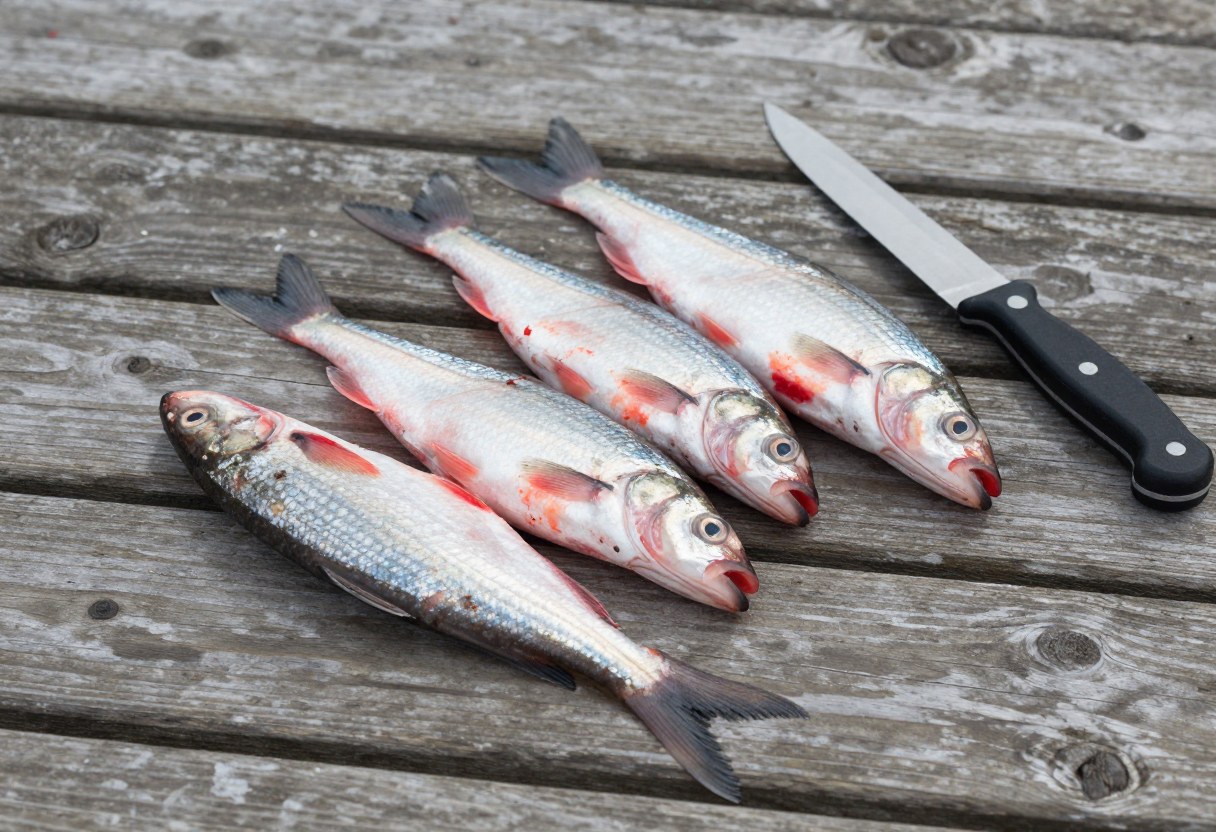
- Catfish are skinned rather than scaled: cut behind the head, use pliers to peel the skin back, then fillet or cook them whole. Our guide to cleaning and filleting fish covers the general approach and food safety.
- Check fish consumption advisories for the waters you fish, since catfish are bottom feeders and can accumulate contaminants in some places.
Common Mistakes
- Using stale or dried-out bait. Catfish track scent, and fresh bait outperforms old.
- Setting the hook hard with circle hooks, which pulls the hook out of the fish's mouth.
- Fishing the wrong spot, away from structure, holes, or current breaks.
- Gripping the fish carelessly and getting spined.
- Giving up too soon. Catfishing rewards patience, and it can take time for the scent trail to draw a fish in.
Quick Decision Checklist
- I have a medium-heavy rod, 12–20 lb line, circle hooks, and egg sinkers
- I'm using fresh bait matched to my target catfish
- I've picked a spot with structure, a deep hole, or a current break, and I'm fishing at dusk or after dark
- I know how to hold a catfish safely and have pliers or a lip gripper
- I've checked limits, bait rules, and consumption advisories for the water
Glossary
- Circle Hook: A hook with a curved point that tends to set in the corner of a fish's mouth as line tightens, reducing deep hooking.
- Slip Rig (Carolina Rig): A bottom rig in which the sinker slides on the main line above a leader, letting a fish take bait without feeling the weight.
- Cut Bait: Fresh pieces of fish used as bait, popular for channel and blue catfish.
- Tailwater: The stretch of river just below a dam, where current and baitfish often concentrate catfish.
Final Takeaway
Catfishing is simple: fresh bait on the bottom, a slip rig with a circle hook, a spot with structure or a deep hole, and the patience to wait after sunset. Learn to handle the spines, check your local rules, and you have one of the most accessible and rewarding kinds of fishing there is.
Catfish regulations, bait rules (especially for live fish), size and creel limits, and consumption advisories vary by state and waterbody — check current local rules before you fish.