
How to Clean and Fillet a Fish
From the moment a fish hits the cooler to a clean, boneless fillet — the tools, the cuts, and the food-safety habits that matter.
Published October 12, 2026
Why Cleaning Is Part of the Fishing, Not an Afterthought
Plenty of anglers can catch fish and are quietly dreading the part that comes next — so they release everything, or bring home a bag of mangled fillets they end up half-wasting. Cleaning a fish is a learnable skill with a small set of repeatable cuts, and once you have it, you can keep a limit of panfish or a single good walleye and turn it into clean, boneless meat in minutes. It also changes how you fish: you're no longer limited to catch-and-release unless you choose to be. (If you do intend to release, our guide to catch-and-release best practices covers handling that keeps fish alive.)
1. Before You Cut: Regulations and Handling
- Know your size, slot, and possession limits before you keep anything. These vary by species, waterbody, and state, and they change — check your state wildlife agency's current regulations. Our state resources directory links straight to each state's official fishing regulations and license portal.
- Some regulations require fish to remain identifiable until you reach home — for example, requiring skin to stay on a fillet or fish to stay whole or in a minimum number of pieces. If you're filleting at the lake or at a cleaning station, confirm this before you start.
- Keep fish alive and cool, or kill them quickly and ice them. A fish left in the sun or sitting in warm water loses quality fast. A cooler with plenty of ice, or a stringer or livewell with fresh water until you're done fishing, makes a real difference in taste.
- Bleeding larger fish by cutting the gills right after the catch improves the color and flavor of the meat — a habit many anglers swear by for salmon, trout, and larger species.
2. Tools
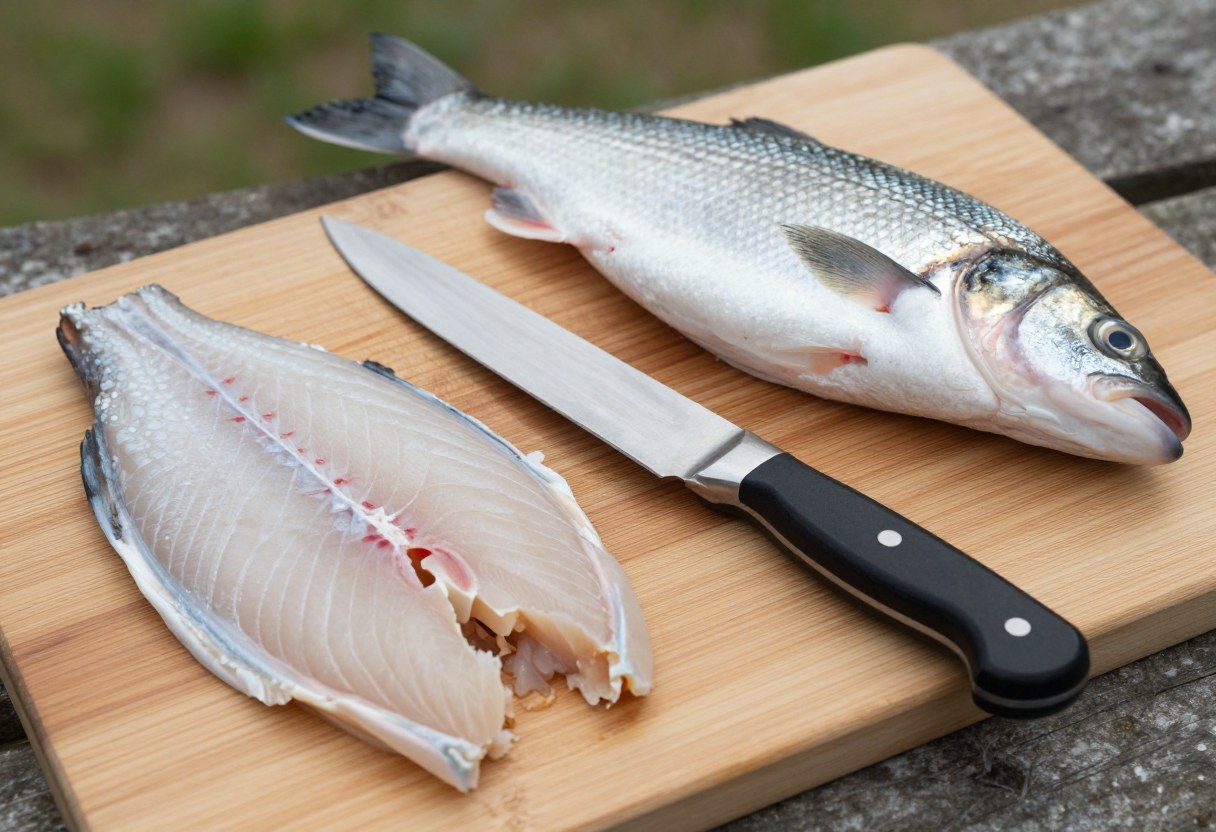
- A flexible fillet knife, roughly 6 to 9 inches depending on fish size. Flexibility lets the blade follow the rib cage and backbone; stiff knives waste meat.
- A sharp knife is a safer knife. A dull blade slips, and a slipping fillet knife is where most cleaning injuries happen. Sharpen before you start, and touch up between fish. (Our pocket knife guide covers sharpening basics that apply here.)
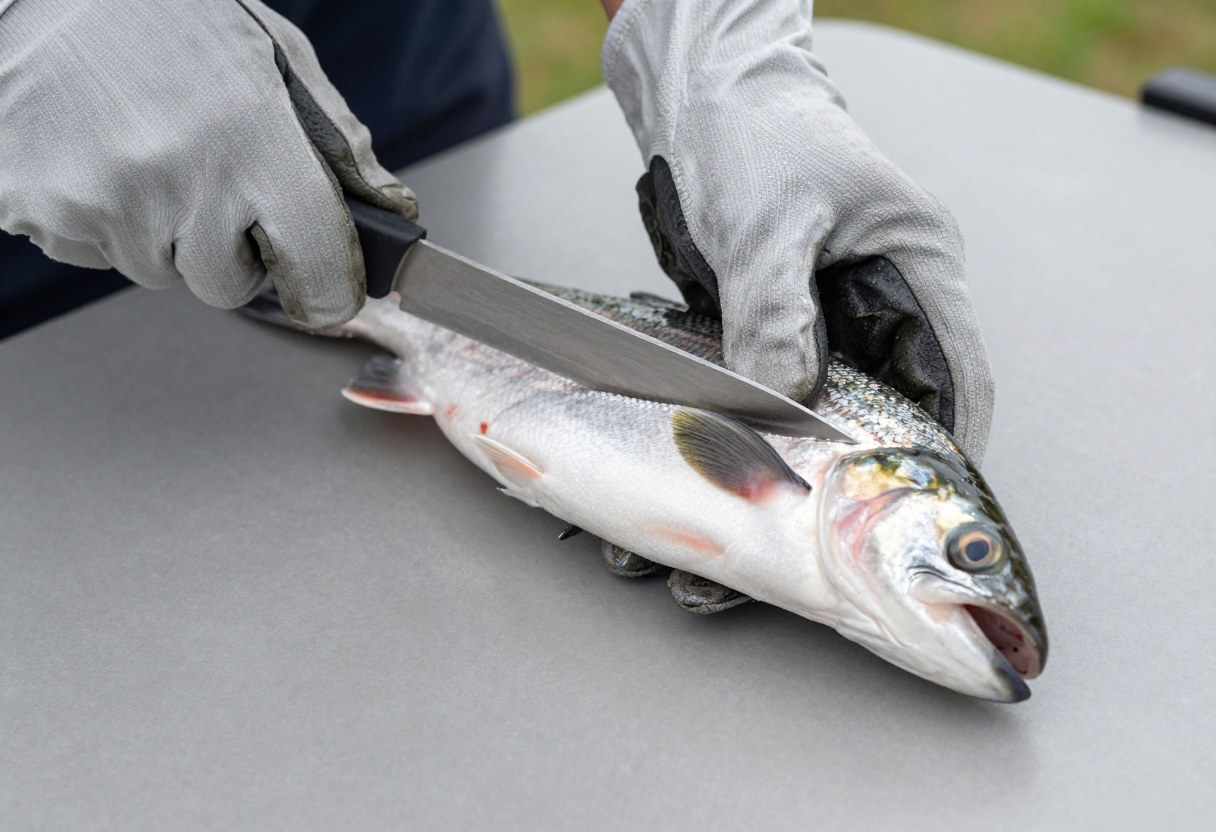
- A fillet or cut-resistant glove for your non-knife hand is cheap insurance, especially if you're cleaning a lot of fish.
- A stable cutting board — ideally a non-slip one — and a pair of pliers or fish tweezers for pulling pin bones.
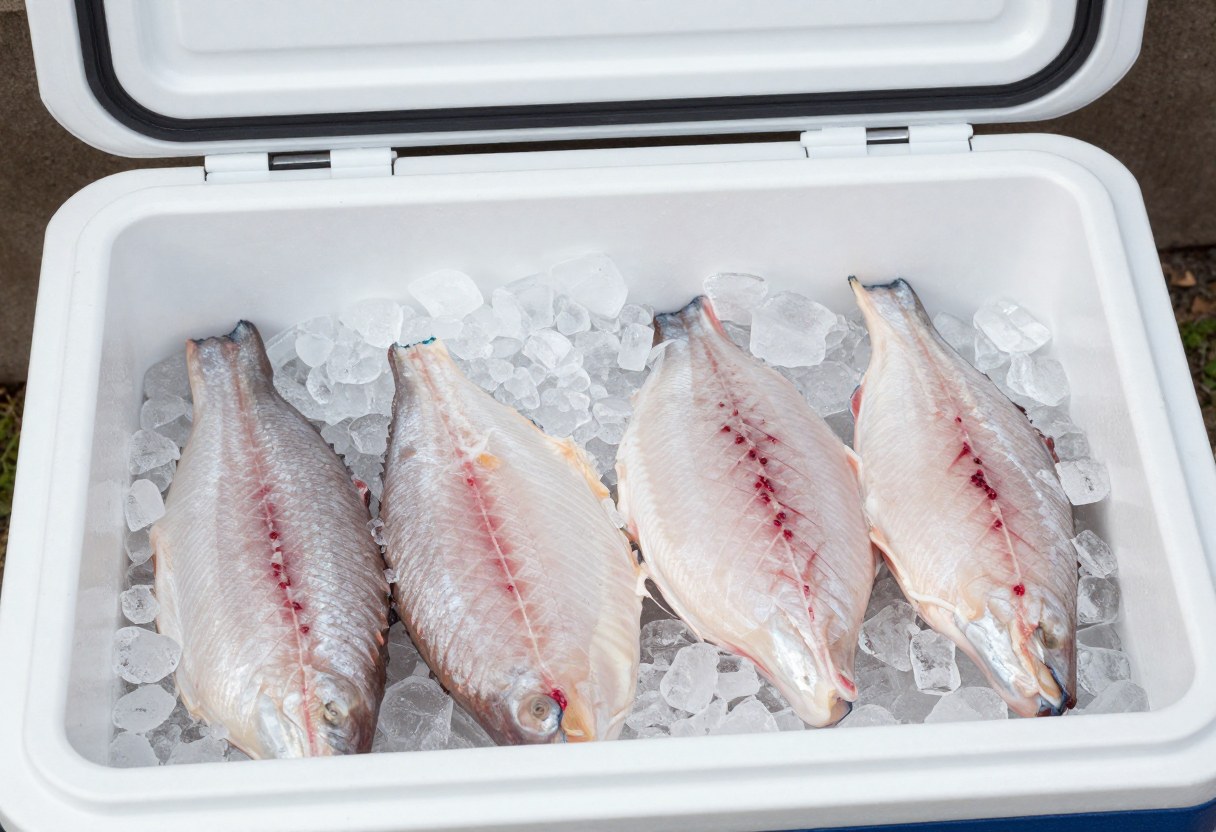
- A bucket or container for scraps, and a clean cooler for finished fillets. Keep finished fillets cold and separate from the mess.
3. Scaling (When Needed)
- Many species — bass, bluegill, crappie, perch, snapper, redfish — have scales you'll want to remove if you cook the fish with skin on. If you're skinning the fillet anyway, you can skip this step.
- Hold the fish firmly by the tail and scrape from tail to head against the grain with the back of a knife, a spoon, or a scaler. Work over a bucket or outdoors — scales travel.
- Catfish and some others are skinned rather than scaled, which is a different process using pliers and a cut behind the head.
4. Filleting the Basic Way (Round-Bodied Fish)
This is the standard method for bass, walleye, trout, and similar fish. Practice on a few fish before you're cleaning a limit.
- Lay the fish flat and make a diagonal cut behind the gill plate and pectoral fin, down to the backbone but not through it.
- Turn the blade flat toward the tail and run it along the backbone, keeping the knife riding on the bone with light pressure, in long smooth strokes. Let the blade, not force, do the work.
- Cut through to the rib cage and slide the knife over the ribs, following their curve. Lift the fillet away from the carcass.
- Flip the fish and repeat on the other side.
- Trim the rib bones, cutting the thin rib section off the fillet in a shallow arc.
- Remove the skin if you want it off: lay the fillet skin-side down, start at the tail end, and slide the knife between the skin and meat while pulling the skin taut.
5. Pin Bones, and Panfish Shortcuts
- Northern pike, trout, salmon, and several other species have a row of pin bones running along the fillet's centerline. Feel for them with a fingertip and pull each with pliers or fish tweezers, in the direction they point.
- Pike have a Y-bone pattern that's best handled with a specific cut — many anglers watch a video demonstration of the "five-cut" pike method before attempting it.
- For small panfish like bluegill and crappie, many anglers simply scale and gut them whole, then pan-fry them with the bones in, or fillet them with a quick pass on each side. Panfish are about volume and speed.
6. Gutting a Whole Fish
- If you plan to cook a fish whole — trout on a campfire, for example — gut it rather than fillet it. Insert the knife tip at the vent (the opening near the tail) and cut forward along the belly to the gills, taking care not to puncture the intestines.
- Pull out the internal organs, trim out the gills, and scrape out the dark blood line along the backbone. Rinse the cavity with clean, cold water.
- A whole gutted fish is also an easy way to transport your catch back to camp or home, and keeps the meat on the bone until you're ready to cook.
7. Food Safety and Storage
- Keep fish at or below 40°F as soon as you can, and get it on ice or into the refrigerator within about two hours of cleaning — less if it's hot out.
- Cook fish to an internal temperature of 145°F, where the flesh turns opaque and flakes easily with a fork.
- Be aware of fish consumption advisories. Some waters carry advisories for certain species due to contaminants such as mercury, and they're published by state health or wildlife agencies — especially relevant if you or someone you cook for is pregnant or young.
- Freeze fillets you won't eat in a day or two. Vacuum-sealing or wrapping tightly in freezer paper and removing as much air as possible prevents freezer burn and preserves flavor for months.
- Clean your board, knife, and hands thoroughly afterward, since raw fish can carry bacteria.
8. Cleaning Up and Disposing of Scraps
- Check local rules before dumping carcasses. Some lakes and parks prohibit leaving fish remains, and in bear country, fish scraps attract wildlife to the campsite — follow the guidance in our bear safety guide if you're camping.
- At boat ramps and cleaning stations, use the designated disposal bins or fish-cleaning stations where they exist.
- At home, double-bag scraps and freeze them until trash day, or bury them in a garden or compost pile if local rules allow — fish waste smells fast.
Common Mistakes
- Cutting too deep or sawing, which wastes meat and leaves ragged fillets — keep long, smooth strokes.
- Using a dull knife, the leading cause of both bad fillets and cut hands.
- Leaving fish warm for too long before cleaning, which noticeably hurts flavor and food safety.
- Skipping the regulations check and discovering later that you needed skin-on identification or were over a size limit.
- Poor scrap disposal, which attracts wildlife and creates smell problems at camp or home.
Quick Decision Checklist
- I know the size, slot, and possession limits and any identification rules for what I'm keeping
- My fish is on ice or alive in fresh water until I'm ready to clean it
- I have a sharp flexible fillet knife, a stable board, and ideally a cut-resistant glove
- I have a plan for scraps that follows local rules and won't attract wildlife
- I'll get fillets cold quickly and cook to 145°F
Glossary
- Fillet: A boneless (or nearly boneless) side of a fish, cut away from the backbone and rib cage.
- Pin Bones: Small, thin bones running along the centerline of fillets in some species, removed with pliers or tweezers.
- Slot Limit: A regulation allowing harvest only of fish within a specific size range, protecting both small and large fish.
- Vent: The opening on a fish's underside near the tail, where gutting begins.
Final Takeaway
Cleaning fish well comes down to a sharp flexible knife, long smooth cuts that follow the bone, cold handling, and a quick check of local rules before you start. Give yourself a few practice fish — panfish are forgiving — and the part of fishing you were dreading becomes the part that puts dinner on the table.
Fishing regulations, consumption advisories, and carcass-disposal rules vary by state, waterbody, and species — always confirm current local rules before you keep, clean, or eat your catch.