
Choosing Your First Fishing Rod and Reel Combo
How to match rod action, reel type, and line weight to the fish you're actually going after.
Published August 11, 2026 · Updated August 13, 2026
Walk into any tackle shop and the wall of rod-and-reel combos looks nearly identical from a distance — yet the numbers printed on the rod blank and the reel size can mean the difference between a setup that feels effortless and one that fights you all day. The good news: almost the entire decision comes down to answering one question first — what fish, in what water, am I actually going after? Everything else in this guide (reel type, rod power/action, line weight) follows from that answer.
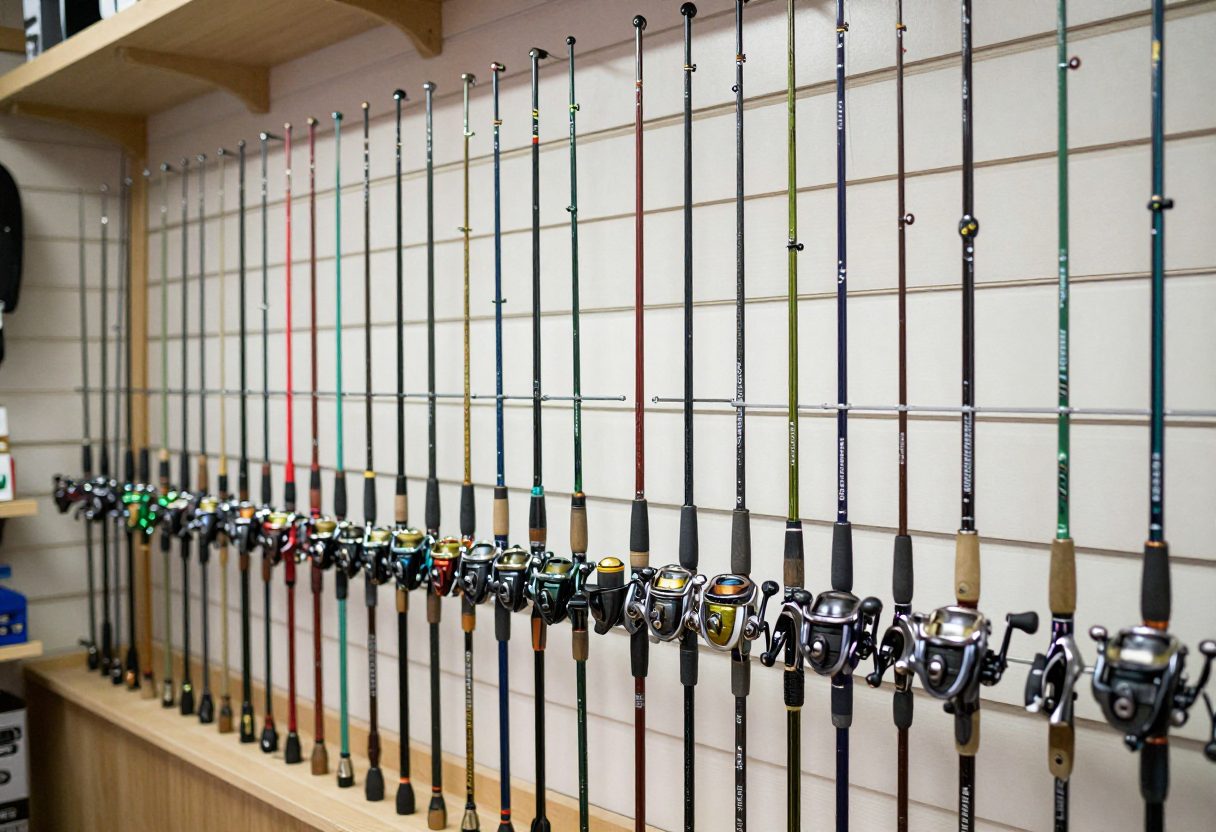
1. Start With the Fish, Not the Gear
Before comparing a single spec, define your target:
- Species: Panfish, bass, trout, walleye, catfish, inshore saltwater, etc.
- Typical size range for that species in the water you'll actually fish (a "bass" rod for 1-lb bluegill ponds is very different from one for 8-lb largemouth lakes).
- Water type: Small pond, river/stream, big lake, or saltwater — this affects both gear durability needs and casting distance requirements.
- Technique: Bait fishing and bobber setups, light lure casting, heavier lure casting, trolling, or bottom fishing all favor different combos.
If you only fish one general scenario (say, panfish and small bass from a farm pond), buy for that scenario specifically rather than a compromise "do everything" setup — a well-matched light combo will outperform an oversized "just in case" one for the fishing you'll actually do most.
2. Spinning vs. Baitcasting vs. Spincast: Choosing a Reel Type
This is usually the first fork in the road, and it matters as much as any other spec on this list.
| Reel Type | Learning Curve | Best For | Drawbacks |
|---|---|---|---|
| Spincast | Easiest — push-button casting | Absolute beginners, kids, simple bait fishing | Limited casting distance/accuracy, lower line capacity, not favored past the beginner stage |
| Spinning | Easy-moderate | The most versatile all-around choice; light lures, finesse presentations, most freshwater species | Slightly less castable with very heavy lures compared to baitcasting |
| Baitcasting | Steeper — backlash ("bird's nest") is common until practiced | Heavier lures, larger fish, precision casting, bass fishing specifically | Requires practice to avoid backlash; harder to cast light lures accurately |
Recommendation for a True First Combo
A spinning reel and rod combo is the best starting point for the large majority of new anglers. It handles a wide range of line weights and lure sizes, has a much gentler learning curve than baitcasting, and remains genuinely useful gear even after you've gained experience — many experienced anglers keep spinning combos in regular rotation permanently, not just as a beginner stepping stone.
When to consider baitcasting instead: if your primary target from day one is bass with moderate-to-heavy lures (specifically topwater, jigs, or heavier crankbaits) and you're willing to spend time practicing thumb control to avoid backlash, a baitcaster is a reasonable — if more frustrating at first — starting choice.
Not sure which combo fits your target species? Our rod & reel finder walks through fishing type, experience, and budget to point you toward a specific option.
3. Understanding Rod Power and Action
These two specs, usually printed right on the rod blank, describe how the rod behaves under load — and they're the part beginners most often misread or ignore.
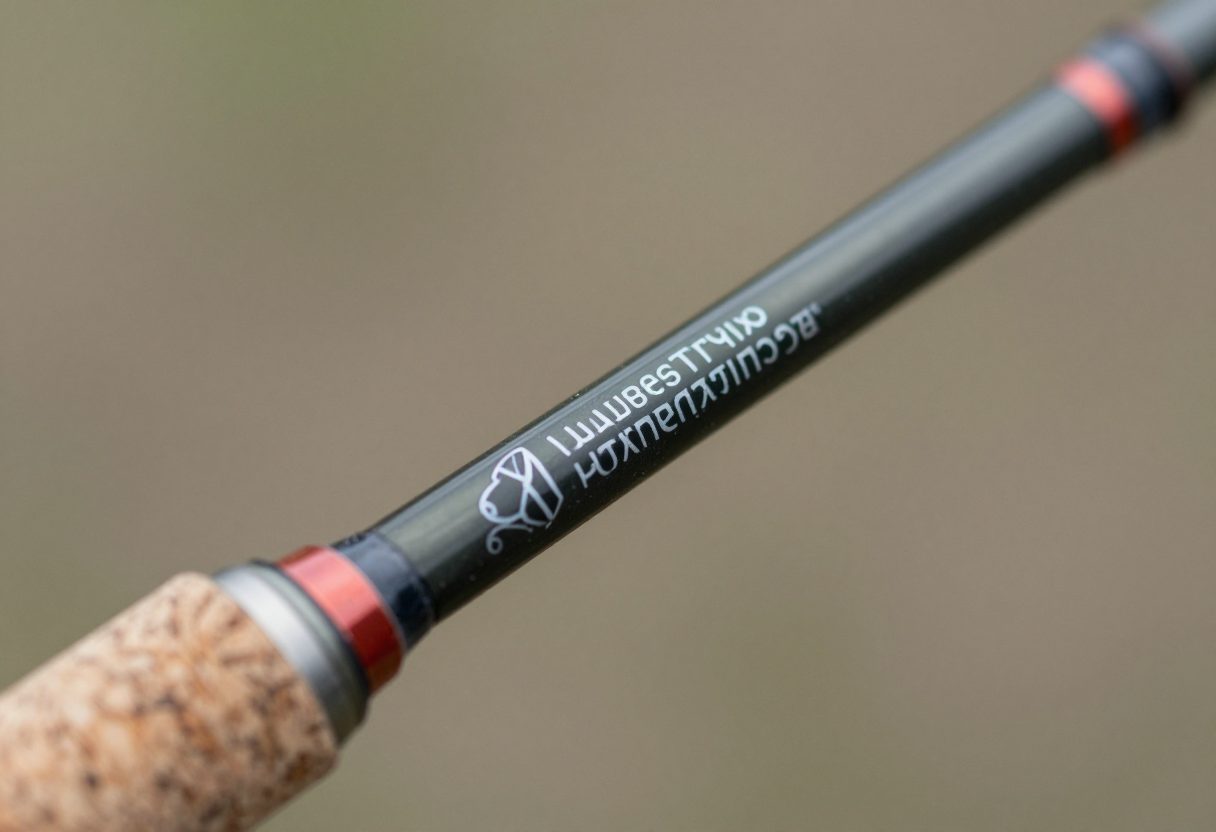
Rod Power (Sometimes Called "Weight")
Power describes how much force it takes to bend the rod — essentially, how heavy a fish and lure the rod is built to handle.
| Power Rating | Typical Use |
|---|---|
| Ultralight | Small panfish, tiny lures, light line (2–6 lb) |
| Light | Panfish, small trout, light bass presentations |
| Medium-Light | Trout, smaller bass, walleye finesse techniques |
| Medium | The most versatile all-around rating — bass, walleye, general freshwater |
| Medium-Heavy | Bass with heavier cover, larger lures, some catfish |
| Heavy | Catfish, pike/musky, heavier saltwater inshore |
| Extra-Heavy | Large saltwater species, big game |
Rod Action
Action describes where along the rod's length it bends, and how quickly it returns to straight.
- Fast action: Bends mostly in the top third of the rod. Best sensitivity and hookset speed — good for techniques needing a quick, decisive hookset (worm/jig fishing, single-hook lures).
- Medium action: Bends through roughly the top half. A versatile middle ground, forgiving of imperfect hooksets, good for a wide range of techniques.
- Slow action: Bends through most or all of the rod's length. Best for treble-hook lures and situations where you want a softer, more forgiving hookset that won't tear hooks free from a fish's mouth (common in some light bait/bobber fishing and certain crankbait techniques).
Don't Skip This: Power and action are independent specs, not the same thing — a rod can be "medium power, fast action" or "medium-heavy power, moderate action," and beginners commonly conflate the two. Power is about how much weight the rod handles; action is about where and how it bends.
A Practical Starting Combination
For a genuinely versatile first rod, medium power, fast-to-medium action covers the widest range of freshwater species and techniques without being specialized in a way that limits you.
4. Matching Line Weight to the Rod
Every rod is rated for a range of line weight (and often lure weight too), usually printed near the handle. Staying within that range matters for both casting performance and rod longevity.
| Target Species/Technique | Typical Line Weight Range |
|---|---|
| Panfish, light finesse | 2–6 lb |
| General bass, walleye, trout | 6–12 lb |
| Heavier bass techniques, catfish (moderate) | 10–20 lb |
| Pike, musky, heavy catfish | 20–50 lb |
| Saltwater inshore | 10–20 lb (often paired with a fluorocarbon leader) |
| Saltwater offshore/big game | 30 lb+ |
Why staying in range matters:
- Line too light for the rod wastes the rod's casting power and hookset strength — you won't load the rod properly on the cast.
- Line too heavy for the rod can strain the blank under pressure, reduce castability, and in extreme mismatches risks damaging the rod on a hard hookset or a big fish's fight.
For a detailed breakdown of line type (monofilament, fluorocarbon, braid) and how to pick specific test strength by species and water conditions, our guide to choosing the right fishing line covers that in depth — this section covers only how line weight relates to matching your rod.
5. Rod Length: Casting Distance vs. Control
Length affects casting distance, leverage on a hooked fish, and how easily you can maneuver in tight spaces.
| Rod Length | Tradeoffs |
|---|---|
| Under 6 feet | Better control in tight spaces (small boats, brushy banks, kayaks); less casting distance |
| 6–7 feet | The most common all-around range; balances casting distance and maneuverability well |
| 7–8+ feet | Longer casting distance, more leverage fighting bigger fish, better for surf/pier fishing; harder to handle in tight quarters or dense cover |
For a first combo, 6.5–7 feet in a medium power/fast-medium action spinning rod is a broadly practical, versatile length that works well across small boats, bank fishing, and most freshwater scenarios.
6. Reel Size: Matching Capacity to the Job
Reel sizes are typically numbered (e.g., 1000, 2500, 4000 for spinning reels), with higher numbers indicating a larger reel with more line capacity and generally a stronger drag system.
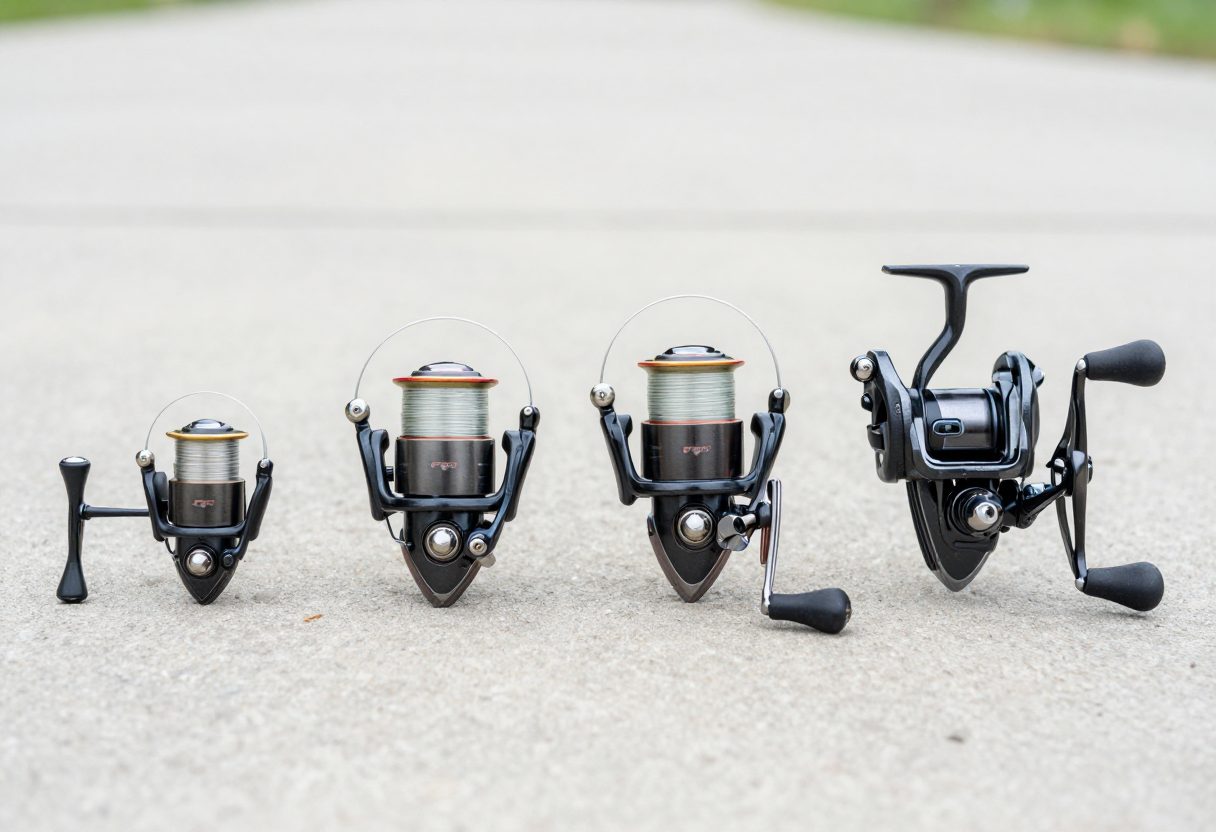
| Reel Size (Spinning, approximate) | Typical Use |
|---|---|
| 1000–2000 | Ultralight panfish, small trout |
| 2500–3000 | The most versatile all-around size — general bass, walleye, trout, light saltwater |
| 4000+ | Larger bass, catfish, heavier saltwater inshore |
| 6000+ | Big saltwater species, surf fishing |
A 2500–3000 size spinning reel is the most broadly useful choice for a first combo targeting typical freshwater species, offering enough line capacity and drag strength for most situations without unnecessary bulk or weight.
7. Combo Recommendations by Common First-Target Species
| Target | Reel Type & Size | Rod Power/Action | Rod Length | Line Weight |
|---|---|---|---|---|
| Panfish (bluegill, crappie) | Spinning, 1000–2500 | Light-Medium Light, fast | 5.5–6.5 ft | 2–6 lb |
| General bass | Spinning, 2500–3000 (or baitcasting for heavier techniques) | Medium-Medium Heavy, fast | 6.5–7 ft | 8–14 lb |
| Trout (stream/lake) | Spinning, 1000–2500 | Light-Medium Light, fast-medium | 5.5–6.5 ft | 4–8 lb |
| Walleye | Spinning, 2500–3000 | Medium, medium-fast | 6.5–7 ft | 6–10 lb |
| Catfish (moderate) | Spinning or baitcasting, 3000–4000+ | Medium Heavy-Heavy, medium | 7 ft+ | 15–25 lb |
| Pike/Musky | Baitcasting, 4000+ (heavy-duty) | Heavy, fast | 7–8 ft | 30–50 lb (often with wire/heavy fluoro leader) |
| Saltwater inshore | Spinning, 4000+ (corrosion-resistant) | Medium-Medium Heavy, fast | 7 ft | 10–20 lb |
8. Pre-Spooled Combos vs. Building Your Own
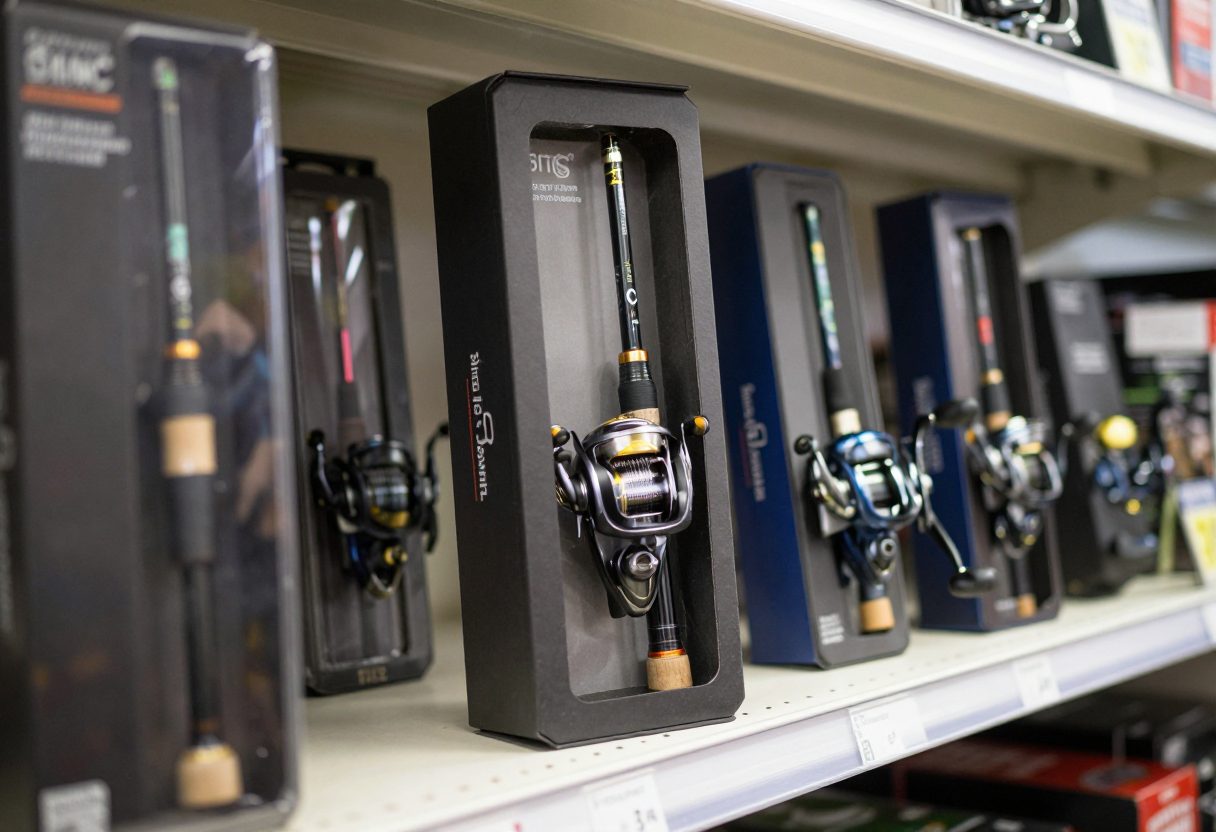
- Pre-spooled combo kits (rod + reel sold together, often already spooled with line) are a genuinely reasonable starting point for beginners — manufacturers typically match the rod and reel components sensibly, and the value is often better than buying pieces separately at entry price points.
- Building your own (buying a rod and reel separately and spooling your own line) gives more control over exact specs and lets you upgrade individual components later, but requires understanding the matching principles in this guide well enough to avoid mismatches.
For a genuine first setup, a well-reviewed combo kit from a reputable brand in the appropriate power/action/size range for your target species is a practical, low-risk starting point — you can always upgrade individual pieces (starting with the line, then the reel, then the rod) as you gain experience and identify what you'd change.
9. Budget Overview
| Item | Typical Range (USD, approximate) |
|---|---|
| Entry-level combo kit (rod + reel + line) | $30–$80 |
| Mid-tier combo kit | $80–$180 |
| Separate quality rod (mid-tier) | $50–$150 |
| Separate quality reel (mid-tier) | $50–$150 |
| Extra spooled line | $5–$15 |
| Rod case/sleeve | $15–$40 |
| Total realistic first setup | $40–$200 |
Budget tip: For a genuine first rod, spending moderately on a well-reviewed combo kit beats either extreme — a very cheap combo often has a gritty reel and a rod that doesn't load properly, while overspending on a first setup before you know your preferences and target species is premature. Mid-tier entry gear from established fishing brands is usually the sweet spot.
10. Common Beginner Mistakes
- Buying a rod too heavy "to be safe." An oversized rod for small panfish or light trout dulls bite feel and takes the fun out of catching smaller fish — match the gear to the actual target, not a hypothetical trophy.
- Choosing baitcasting as a very first setup without practice time. Backlash is genuinely frustrating for total beginners; a spinning setup gets you catching fish faster while you build skill.
- Ignoring the rod's printed line/lure weight range. These ratings exist for a reason — casting performance and rod durability both suffer outside the intended range.
- Overspending before knowing your preferences. A moderate-cost first combo, upgraded later once you know what you like and fish most, is usually smarter than a premium first purchase.
- Neglecting reel maintenance. Even a well-matched reel needs occasional cleaning and lubrication, especially after saltwater use — corrosion and grit buildup will degrade performance regardless of original quality.
Quick Decision Checklist
- I've identified my primary target species and typical size range
- I've chosen a reel type appropriate to my experience level (spinning recommended for most beginners)
- I understand the difference between rod power (strength) and rod action (bend location/speed)
- I've matched rod power/action to my target species and technique
- I've confirmed my line weight plan falls within the rod's rated range
- I've picked a rod length balancing casting distance and maneuverability for my typical fishing spots
- I've sized my reel appropriately (2500–3000 is a reasonable default for general freshwater)
- My budget accounts for a genuinely matched setup rather than the cheapest available option
Glossary
- Rod Power: How much force is required to bend a rod, indicating what size fish/lure it's built to handle (ultralight through extra-heavy).
- Rod Action: Where along the rod's length it bends and how quickly it returns to straight (slow, medium, or fast).
- Backlash: A tangle that occurs in baitcasting reels when the spool spins faster than the line is paying out, common among beginners before thumb-control technique is learned.
- Drag: The adjustable resistance system in a reel that allows line to pay out under pressure, preventing line breakage when a fish pulls hard.
- Reel Size: A numbered rating (e.g., 2500, 4000) indicating a spinning reel's approximate size, line capacity, and typical drag strength.
- Load (a rod): The bending of the rod under casting force or a fish's pull, which stores and releases energy during a cast or fight.
This guide covers general freshwater and light saltwater rod-and-reel selection principles for common North American species. Always check local regulations for any gear restrictions on specific waters, and consult a local tackle shop for region-specific species advice.