
Choosing the Right Fishing Line for Your Target Species
Monofilament, fluorocarbon, or braid — how to pick line type and test strength for the water and fish you're targeting.
Published August 11, 2026 · Updated August 13, 2026
Rod and reel get most of the attention, but the line is the only thing physically connecting you to the fish — and the three main types behave differently enough that the wrong choice can cost you fish even with great gear otherwise. Line choice affects how well you feel bites, how invisible your presentation is, how much your line stretches under pressure, and how it holds up against structure, teeth, or abrasion. This guide breaks down the three core line types, how to think about test strength, and how to match both to what you're actually fishing for.
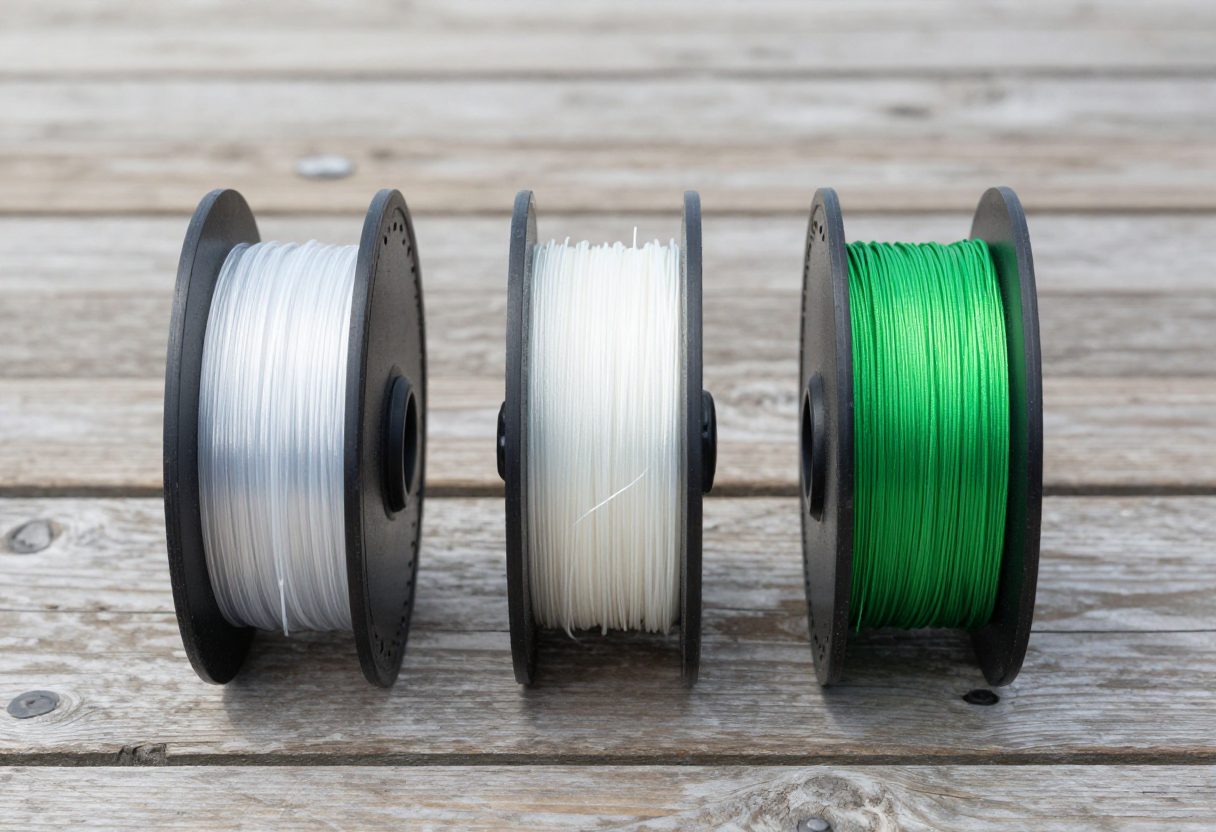
1. The Three Line Types at a Glance
| Property | Monofilament | Fluorocarbon | Braid |
|---|---|---|---|
| Visibility underwater | Moderate | Very low (near-invisible) | High (opaque) |
| Stretch | High | Low-moderate | Very low to none |
| Abrasion resistance | Moderate | High | Moderate-high (cuts rather than abrades) |
| Sensitivity (feeling bites) | Lower | Higher | Highest |
| Buoyancy | Floats | Sinks | Floats |
| Knot strength/ease | Easiest to knot, forgiving | Can be brittle, needs careful knots | Requires specific knots, can slip if tied wrong |
| Diameter-to-strength ratio | Thicker per pound-test | Similar to mono | Thinnest per pound-test by a wide margin |
| Cost | Least expensive | Most expensive per yard | Moderate-expensive, but lasts longer |
| UV/degradation resistance | Degrades faster in sunlight over time | Very resistant | Resistant, but abrasion/fraying is the main wear factor |
2. Monofilament: The Versatile Default
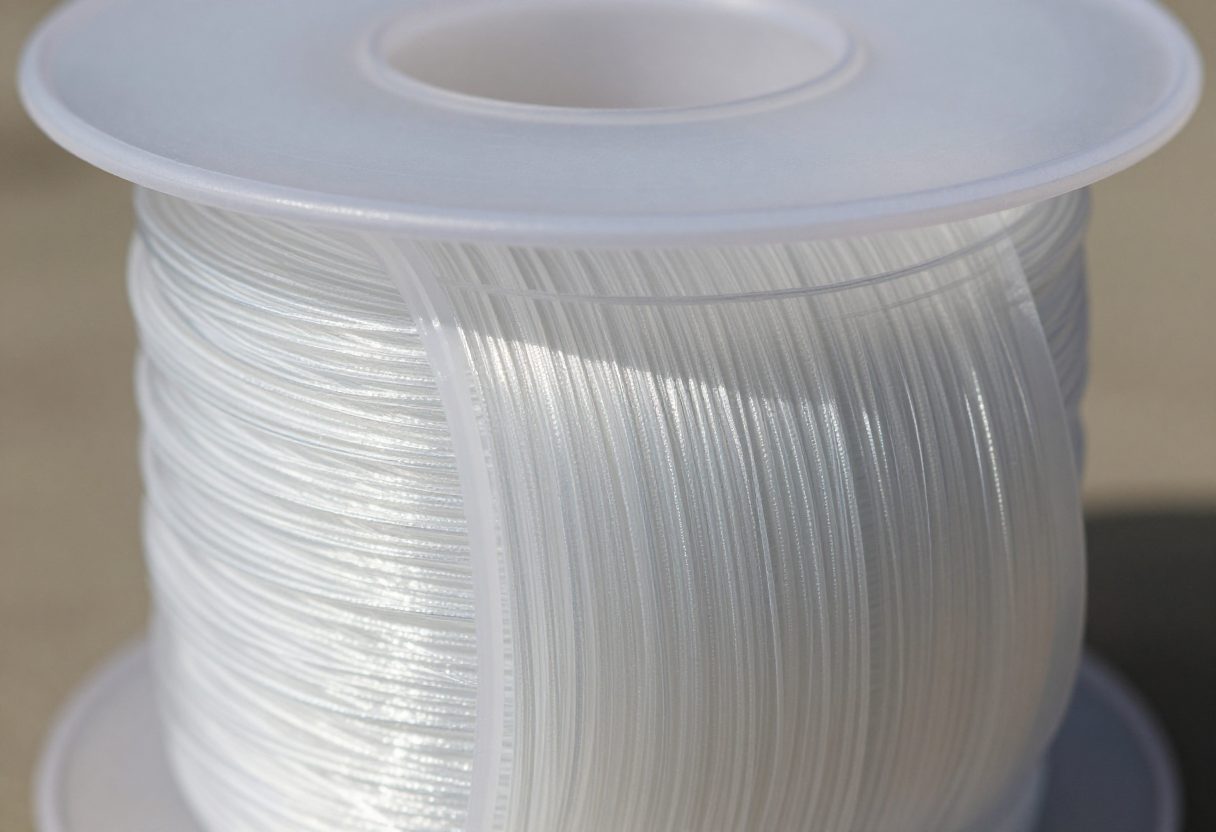
Monofilament ("mono") is a single extruded strand of nylon, and it remains the most common all-around fishing line, especially for beginners.
Strengths
- Forgiving and easy to knot — mono ties reliable knots without much technique, making it the most beginner-friendly line to learn on.
- Stretch acts as forgiveness — that stretch absorbs sudden hits and hookset force, which helps prevent hooks tearing free, especially useful with treble-hooked lures or softer-mouthed fish.
- Floats, which is useful for topwater presentations where you want the line sitting on the surface, not pulling a lure down.
- Least expensive, making it practical for reels that need a lot of line capacity or for anglers replacing line frequently.
Weaknesses
- More visible underwater than fluorocarbon, which can matter in clear water or with line-shy fish.
- Degrades with UV exposure over time, so mono left spooled through a season (especially stored in sunlight) should be checked or replaced more often than the other types.
- Lower sensitivity — the same stretch that provides forgiveness also dulls the feel of subtle bites.
Best Uses
- General freshwater fishing across species
- Topwater lures and presentations
- Beginners learning to tie knots and fish confidently
- Situations where forgiveness on hookset matters more than maximum sensitivity
3. Fluorocarbon: The Stealth Option
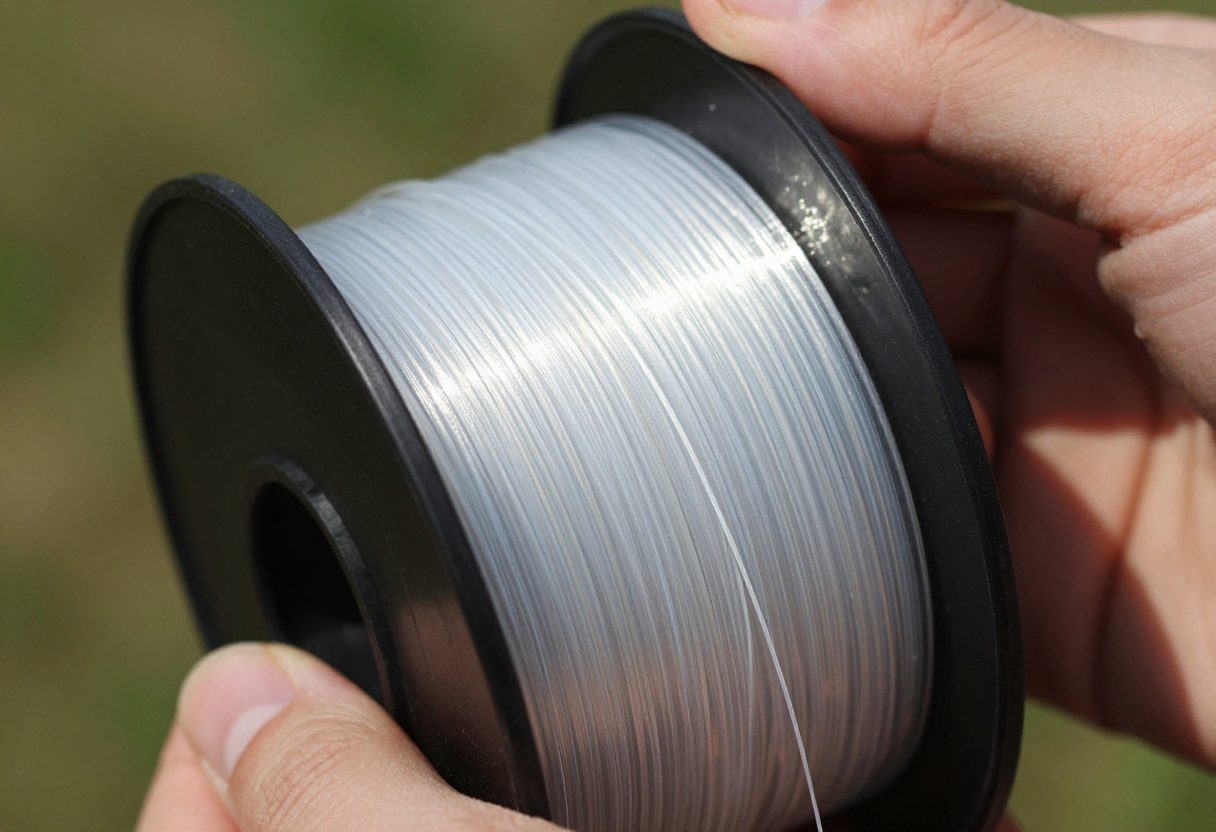
Fluorocarbon has a refractive index close to water, making it far less visible underwater than mono — its defining advantage.
Strengths
- Near-invisible underwater, a major advantage in clear water or with fish known to be leader-shy (line-wary).
- Sinks, useful for presentations where you want the bait/lure to get down without added weight, or where a floating line would create unwanted surface disturbance.
- High abrasion resistance, holding up well against rocks, shells, and light structure contact.
- Low stretch improves sensitivity and hookset directness compared to mono.
Weaknesses
- More expensive than mono, sometimes significantly, per yard of line.
- Can be more brittle, especially at sharp knots — proper knot-tying technique (moistening the knot before cinching, seating it fully) matters more with fluorocarbon than mono.
- Stiffer than mono, which can slightly reduce natural lure action for some presentations, particularly with smaller or lighter baits.
Best Uses
- Clear water where visibility spooks fish
- Finesse presentations for pressured or line-shy fish
- As a leader material tied to the end of braid or mono main line, combining braid's strength/sensitivity with fluoro's invisibility right where the fish can see it
- Bottom-oriented presentations where sinking helps
4. Braid: Maximum Strength and Sensitivity
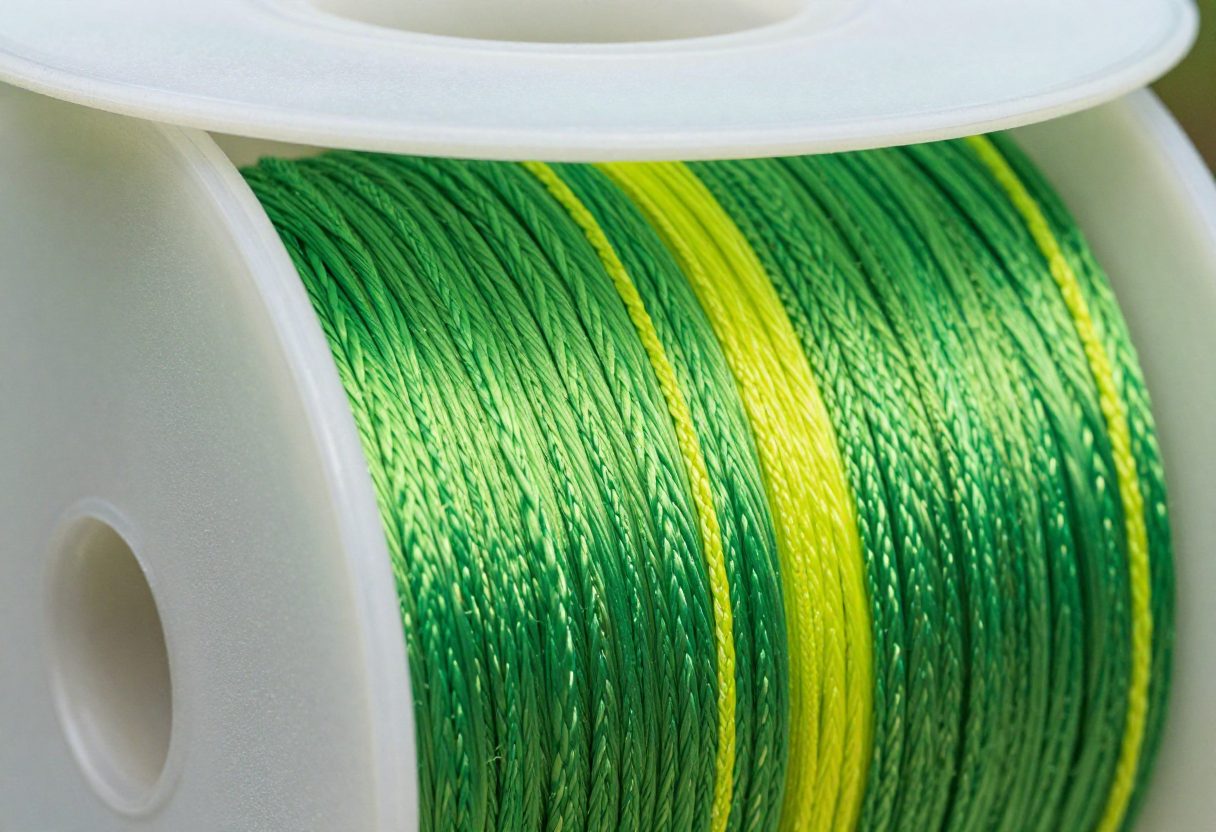
Braided line is made of multiple synthetic fibers (often a material like Spectra or Dyneema) woven together, producing a thin, extremely strong, nearly zero-stretch line.
Strengths
- Highest strength-to-diameter ratio by a wide margin — a 20 lb test braid can be roughly the same diameter as 6–8 lb test mono, allowing much more line capacity and less water resistance.
- Essentially no stretch, giving direct feel for bites and immediate hookset power, especially valuable at longer distances or in deep water where mono's stretch becomes more pronounced.
- Floats, useful for certain topwater and finesse techniques.
- Extremely durable against general wear, often lasting multiple seasons if not damaged by structure or nicks.
Weaknesses
- Highly visible underwater — opaque and often colored, a real disadvantage in clear water without a fluorocarbon leader.
- No stretch cuts both ways — the same directness that improves hooksets also transmits shock more harshly, which can tear hooks free from softer-mouthed fish or lead to break-offs on sudden surges if drag isn't set well.
- Requires different knots than mono/fluoro — standard knots can slip on braid's slick surface; braid-specific knots (like a Palomar knot) are commonly recommended.
- Can dig into itself on the spool under heavy drag pressure if not spooled correctly, causing tangles.
- Costs more per yard than mono, though the strength-to-diameter advantage often means using a lighter effective pound-test for the same line diameter, partially offsetting cost.
Best Uses
- Heavy cover/structure fishing where you need to horse fish away from snags (flipping/pitching for bass, fishing around timber or docks)
- Deep water or long-distance casting where mono's stretch reduces hookset effectiveness
- Techniques requiring maximum sensitivity (finesse jigging, bottom bouncing)
- Situations where braid's low visibility disadvantage is mitigated with a fluorocarbon leader
5. Combining Line Types: Leaders
A very common and effective approach, especially in clear water or for pressured fish, is combining line types rather than choosing just one:
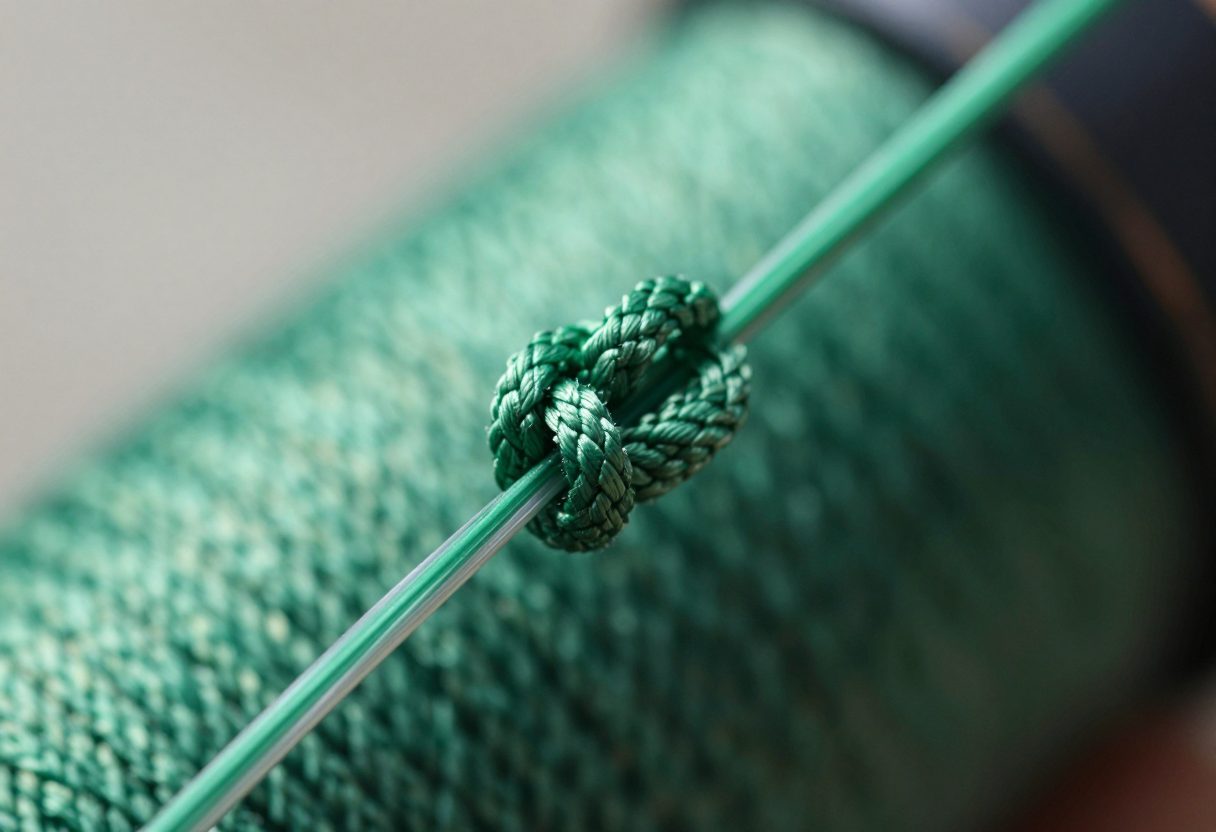
- Braid main line + fluorocarbon leader: The most popular combination for many species — braid's strength, thin diameter, and sensitivity on the reel, with a length of fluorocarbon (typically 1–6 feet, tied on with a strong line-to-line knot like a double uni or FG knot) providing near-invisibility right at the business end where fish get the closest look.
- Mono main line + fluorocarbon leader: A more budget-conscious version of the same idea, useful when braid's cost or handling isn't necessary but stealth near the bait still matters.
This approach lets you get the strength/sensitivity benefits of the reel-spooled line without sacrificing the underwater invisibility that matters most in the final few feet before the hook.
6. Matching Line Type to Target Species
| Target Species | Recommended Line Approach | Why |
|---|---|---|
| Panfish (bluegill, crappie) | Light mono (2–6 lb) | Soft mouths benefit from mono's forgiving stretch; light line improves bait presentation |
| Bass (largemouth/smallmouth) | Braid or fluorocarbon, often braid main + fluoro leader for finesse techniques | Bass fishing spans heavy cover (braid) to clear-water finesse (fluoro); many anglers carry both |
| Trout (stream/lake) | Light fluorocarbon (2–6 lb) | Trout are notably line-shy in clear water; fluoro's near-invisibility matters significantly |
| Walleye | Fluorocarbon or fluoro leader on braid | Walleye are known for subtle bites and some line-shyness; sensitivity and low visibility both help |
| Catfish | Heavier monofilament or braid (20 lb+) | Abrasion resistance and raw strength matter more than stealth in typically murkier catfish water |
| Pike/Musky | Heavy braid with a wire or heavy fluorocarbon leader | Braid's strength for casting heavy lures and fighting powerful fish; a bite-resistant leader is essential against sharp teeth |
| Saltwater inshore (redfish, snook, trout) | Braid main line + fluorocarbon leader | Standard modern approach — braid for casting distance/strength, fluoro leader for stealth and abrasion near structure |
| Saltwater offshore/big game | Heavy braid or heavy mono, often wind-on leaders | Extreme strength and abrasion resistance needed; setup varies significantly by target species and technique |
7. Understanding Test Strength (Pound-Test)
"Test" refers to the manufacturer-rated breaking strength of the line, in pounds. Picking the right test is a balance between landing bigger/stronger fish and keeping the presentation light and natural enough that fish will actually bite.
General Guidelines by Line Type
- Mono: 4–8 lb for panfish/light trout, 8–14 lb for general bass/walleye, 14–20 lb+ for catfish or heavier freshwater species.
- Fluorocarbon: Similar ranges to mono for the same species, though anglers often size down slightly since fluoro's low visibility allows lighter line without sacrificing as much confidence in clear water.
- Braid: Rated pound-test is less directly comparable to mono/fluoro because of the diameter difference — a 20 lb braid might have the diameter of 6 lb mono, so braid test is often chosen based on diameter/capacity needs and drag requirements as much as raw pound-test.
Practical Factors Beyond the Species Chart
- Water clarity: Clearer water generally calls for lighter, less visible line (fluorocarbon, or lighter mono) regardless of species size.
- Cover and structure: Heavier cover (docks, timber, weeds) justifies heavier test and often braid, since you need to horse fish away from snags rather than finesse them out.
- Average fish size for your specific water, not just the species in general — a lake known for trophy-sized fish of a species warrants heavier line than the same species' average size elsewhere.
- Presentation and lure action: Very light line improves the natural movement of small lures/baits, which matters for finesse techniques; heavier line can dampen action but is sometimes necessary for the fight.
- Reel capacity: Especially relevant with mono/fluoro, since thicker diameter per pound-test eats up spool capacity faster than braid.
Don't Skip This: Matching line strength to your rod and reel's rating matters as much as matching it to the fish. A rod rated for 6–12 lb line paired with 30 lb braid can make it difficult to get proper hooksets and can risk rod damage under heavy pressure; check your rod's line-rating range before spooling up heavier than intended.
8. Line Maintenance and When to Replace It
- Monofilament degrades from UV exposure and general wear even without heavy use — many anglers replace mono every season, or more often with heavy use.
- Fluorocarbon holds up longer than mono against UV and general aging but should still be checked periodically for nicks or abrasion, especially after fishing around structure.
- Braid rarely needs full replacement due to aging, but should be checked for fraying, and the first several feet nearest the lure/leader connection should be trimmed and retied periodically since that section takes the most wear.
- After landing a fish or fishing structure, run the last few feet of line through your fingers to check for nicks or rough spots before the next cast — a damaged section near the terminal end is a common cause of lost fish on the next good bite.
9. Common Beginner Mistakes
- Using straight braid with no leader in clear water — the visibility disadvantage often costs more bites than the strength advantage is worth in that situation.
- Tying standard knots on braid — slick braid needs braid-appropriate knots (like a Palomar knot) or it can slip loose under pressure.
- Ignoring rod line-rating when upsizing to braid — because braid's diameter is deceptively thin for its strength, it's easy to spool on far more pound-test than a rod is rated for without realizing it.
- Leaving mono spooled and unused for multiple seasons — assuming line is fine because it looks fine, when UV and time have already weakened it.
- Choosing line strength based on the biggest fish you might catch rather than the water and technique — often leads to line that's too heavy, hurting bite detection and natural presentation for the far more common, smaller fish actually being caught.
10. Quick Decision Framework
Use this sequence to land on a reasonable line choice:
- What's the water clarity? Clear water → lean fluorocarbon or a fluoro leader. Stained/murky water → visibility matters less, mono or straight braid become more reasonable.
- What's the cover/structure like? Heavy cover → braid for strength and abrasion handling. Open water → mono or fluoro often sufficient.
- How sensitive do you need to be? Subtle-biting species (walleye, finesse bass fishing) → fluorocarbon or braid over mono.
- How big/strong is the target fish, and what's nearby that could cut you off? Bigger fish and sharp structure/teeth → heavier test and consider a bite leader.
- What's your rod/reel rated for? Always stay within your gear's rated line range regardless of the answers above.
Glossary
- Test (Pound-Test): The manufacturer-rated breaking strength of a fishing line, in pounds.
- Leader: A separate length of line (often a different material than the main line) tied to the terminal end, used for stealth, abrasion resistance, or bite protection.
- Line-Shy: Describes fish that become wary of or refuse visible fishing line, more common in clear water and heavily-fished waters.
- Diameter-to-Strength Ratio: How thin a line is relative to its rated breaking strength — a major differentiator between braid and mono/fluoro.
- Abrasion Resistance: A line's ability to withstand contact with rocks, structure, or a fish's mouth/body without weakening or breaking.
- Sensitivity: How well a line transmits the feel of a bite or bottom contact through to the angler's hand/rod.
This guide covers general freshwater and light saltwater line selection principles. Always check local fishing regulations for any line-type or leader restrictions on specific waters, as these occasionally apply in catch-and-release or special-regulation areas.