
Backpacking Food: Planning Meals for the Trail
How many calories to carry, what to pack, how to build a day of meals, and how to store food so it stays safe and away from wildlife.
Published October 14, 2026
Food Is Fuel, and Weight
On a multi-day trip, food is the one part of your pack that you control tightly: too little and you're hungry, slow, and cold; too much and you're carrying pounds you didn't need. A day of backpacking food that's planned well is light, calorie-dense, easy to prepare, and something you actually want to eat at the end of a tiring day. Plan it badly and you end up carrying a bag of bland, bulky food you can't face. This guide covers how to plan it right, building on the logistics in our multi-day trip planning guide.
1. How Much Food to Carry
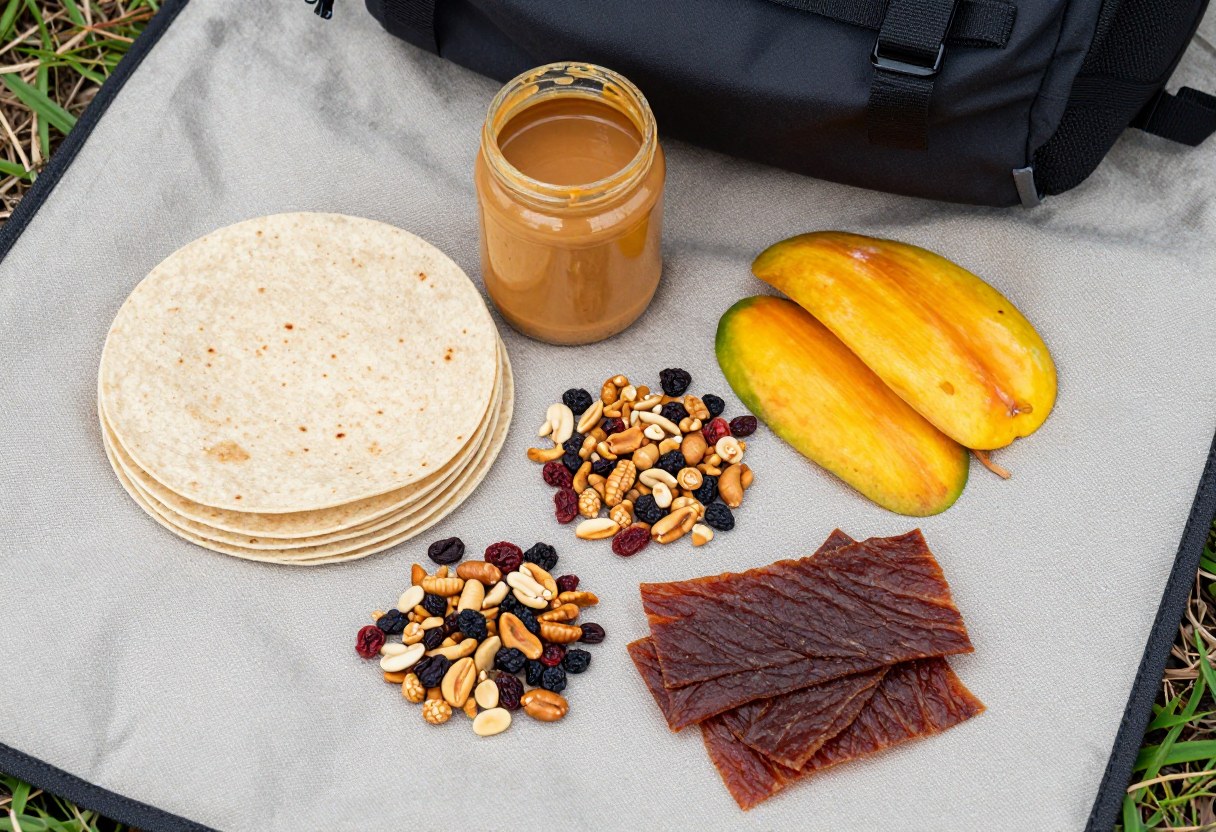
- Most backpackers need roughly 2,500 to 4,000 calories a day, depending on body size, pack weight, pace, terrain, and weather. Cold, hard, high-mileage days sit at the top of that range.
- A common planning target is about 1.5 to 2.5 pounds of food per person per day, which works out to a calorie density of roughly 100 or more calories per ounce.
- You'll often lose your appetite a few days in from fatigue, altitude, or just food fatigue, and then be ravenous later. Pack foods you like and include some variety.
- Bring a little extra, a day or so of reserve for delays, as covered in our trip planning guide.
2. What Makes a Good Backpacking Food
- Calorie density: foods with plenty of calories per ounce, such as nuts, nut butter, olive oil, cheese, chocolate, and dried fruit, keep weight down.
- Low water content and no refrigeration, since you can't cool food on the trail.
- Simple preparation, particularly at the end of a long day, when you're tired and your stove fuel is limited.
- Durability: food that survives being squashed in a pack, and doesn't spoil in warm weather.
- Balance: a mix of carbohydrates for fast energy, fats for sustained energy and calories, and protein for recovery.
3. Building a Day of Meals
- Breakfast: instant oatmeal or granola with powdered milk, nut butter on a tortilla or bagel, or a no-cook option such as breakfast bars. On cold mornings, something hot is worth the fuel.
- Lunch and snacking: backpackers often graze through the day instead of stopping for a big lunch. Tortillas with peanut butter or tuna packets, hard cheese and salami, crackers, trail mix, dried fruit, bars, and jerky all work.
- Dinner: dehydrated or freeze-dried meals, instant rice or couscous with a protein pouch and sauce, ramen with added foods, instant mashed potatoes, or pasta sides. Add olive oil or butter powder for extra calories.
- Drinks: hot chocolate, tea, coffee, and electrolyte mixes make cold camps more pleasant and help you stay hydrated.
- Treats: a bit of chocolate or a favorite candy at the end of the day is worth the weight for morale.
4. Store-Bought, Freeze-Dried, or DIY
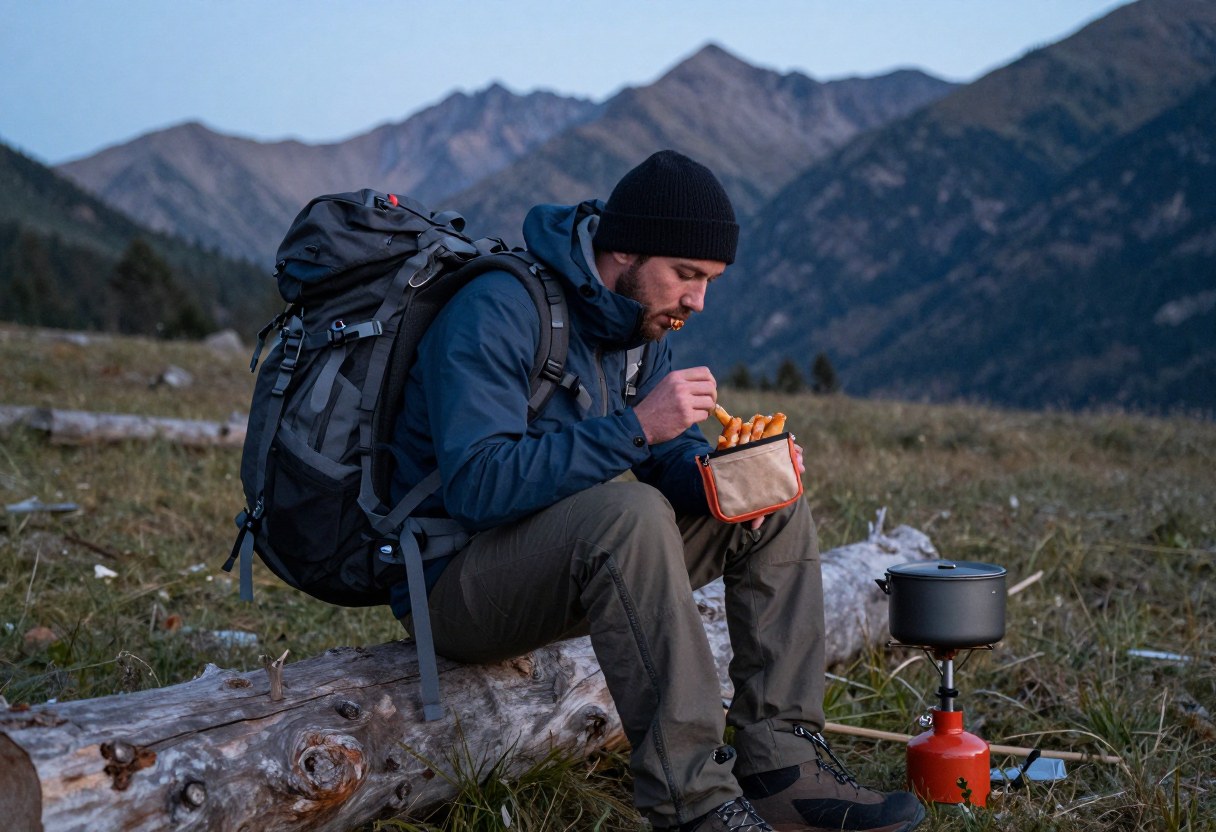
- Freeze-dried meals are the lightest and easiest — add boiling water, wait, and eat — but they're expensive and often bulky in the package. Many portions are smaller than they look, so check the calories.
- Store-bought grocery foods — instant rice, couscous, ramen, pasta sides, instant potatoes, tortillas, and packets of tuna or chicken — are cheap, filling, and flexible, though they need a little more cooking and sometimes more fuel.
- DIY dehydrated meals let you tailor flavors and save money if you own a dehydrator, though it takes planning and time.
- Repackage everything. Take food out of boxes and bulky bags, and put it into resealable bags to save space, reduce trash, and make the pack easier to organize. Keep a copy of cooking instructions with each meal.
5. Stoves, Fuel, and Cooking
- Plan your cooking around your stove. A canister stove boils water quickly and efficiently, and you can estimate fuel by the number of liters of water you need to boil per day. See our camp stove guide for options.
- "Cold soaking" — letting food hydrate in a sealed container of water for an hour or more — lets some backpackers skip the stove entirely, particularly on summer trips.
- Bring a little extra fuel, and test your whole food-and-stove system at home first, so you know how much water each meal needs.
6. Water and Electrolytes
- Dehydrated food needs water, and so do you. Plan your water sources along the route, and carry a way to purify it. Our water filtration and purification guide covers the options.
- On hot days, sweating drains salt and electrolytes, so add an electrolyte drink mix or salty snacks to help keep you going.
7. Food Storage and Wildlife
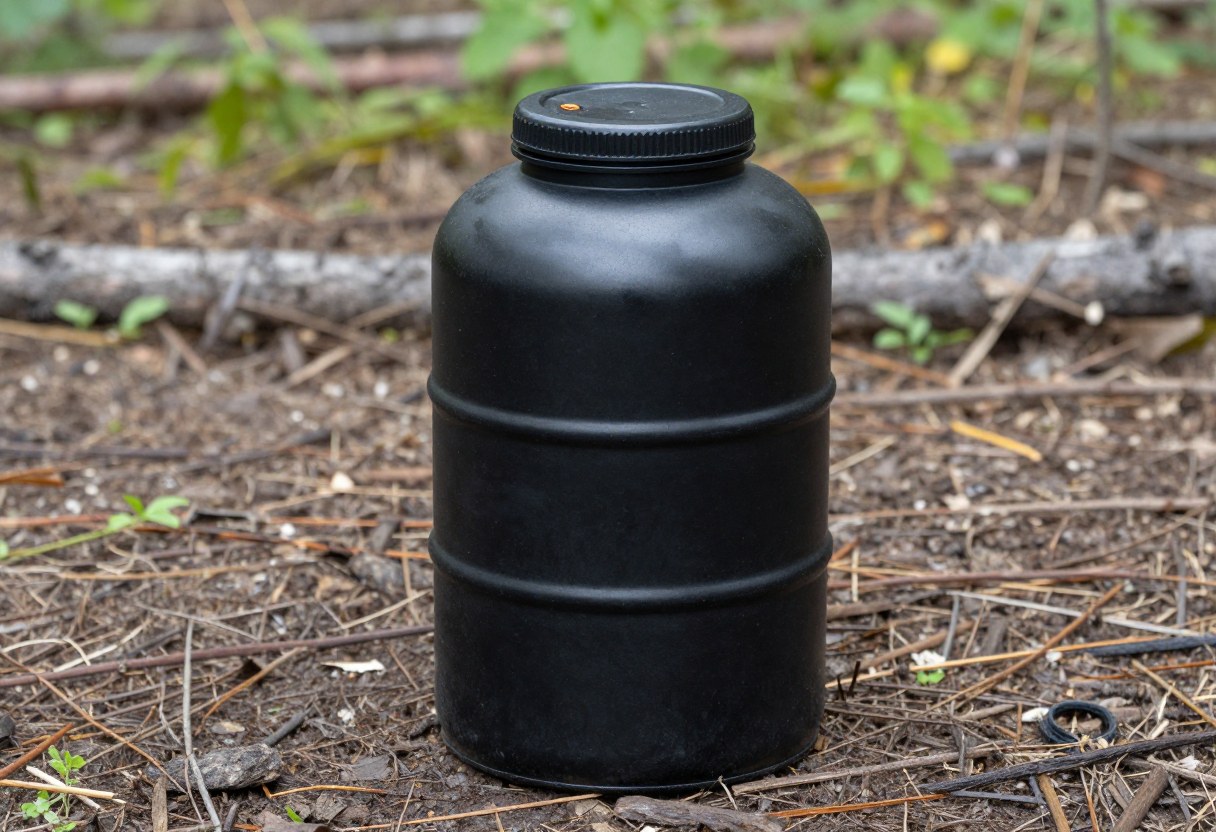
- Store all food, trash, and anything with a scent properly, whether it's with a bear canister, a bear hang, or a bear-resistant bag, depending on the local rules and wildlife. Many parks and wilderness areas require specific storage methods. Our guide to bear safety and food storage covers the details.
- Cook and eat away from where you sleep, often about 200 feet, and keep your tent and sleeping area free of food and scented items.
- Pack out all food waste and trash. Our Leave No Trace guide covers it.
- Keep food away from rodents, too. Mice and squirrels chew through bags in search of a snack.
Don't Skip This: Check the food-storage rules for your specific area before you go. Many areas legally require a bear canister, and food left in a tent or an unprotected pack attracts animals that can become dangerous — and get euthanized as a result.
8. Testing and Tweaking
- Eat the food at home first. Foods that sound good on paper can be disappointing on day four.
- Weigh your food and track calories, so you know what you're carrying and what you'll get.
- Keep notes after each trip on what you ate, what you didn't, and what you'd change. Your food system improves a lot over a few trips.
Common Mistakes
- Packing too little food and being hungry, tired, and cold, or too much and carrying extra weight.
- Bringing food you don't like, then not eating enough.
- Ignoring calorie density, so you carry bulky, low-calorie foods.
- Forgetting to repackage, which wastes space and weight.
- Storing food carelessly, attracting wildlife and risking fines.
- Skipping a test run of meals and the stove.
Quick Decision Checklist
- I've estimated my calories per day and aimed for about 100+ calories per ounce
- Each day has breakfast, snacks, dinner, and something hot to drink
- I've repackaged food and have cooking instructions with each meal
- I've planned stove fuel and water, and tested the system at home
- I know the area's food storage rules and have the right canister or method
- I'm packing out all trash
Glossary
- Calorie Density: Calories per ounce of food — the key number for keeping pack weight down.
- Freeze-Dried Meal: A pre-cooked meal with nearly all water removed, rehydrated with hot water on the trail.
- Cold Soaking: Rehydrating food in water without heating it, saving stove fuel and weight.
- Bear Canister: A hard-sided, bear-resistant food container required in many wilderness areas.
Final Takeaway
Good backpacking food comes down to enough calories in the lightest package, meals you actually want to eat, a stove and water plan that fits, and storage that keeps both your food and wildlife safe. Test it at home, adjust after each trip, and food stops being a burden and becomes one of the pleasures of the trail.
Calorie needs vary by person and conditions, and food-storage rules and fire/stove restrictions vary by area — plan for your own needs and check current local regulations before you go.