
Leave No Trace: The 7 Principles Explained
The seven core principles for minimizing your impact on trails, campsites, and wildlife.
Published August 19, 2026
Why Leave No Trace Is a Framework, Not a Rulebook
Leave No Trace isn't a fixed checklist to memorize and apply identically everywhere — it's a decision-making framework, developed and maintained by the Leave No Trace Center for Outdoor Ethics, meant to be applied thoughtfully to the specific environment, group size, and situation you're actually in. Understanding the reasoning behind each principle, not just the rule itself, is what lets you apply good judgment in situations the specific wording doesn't directly cover. This guide walks through all seven principles and the practical reasoning behind each.
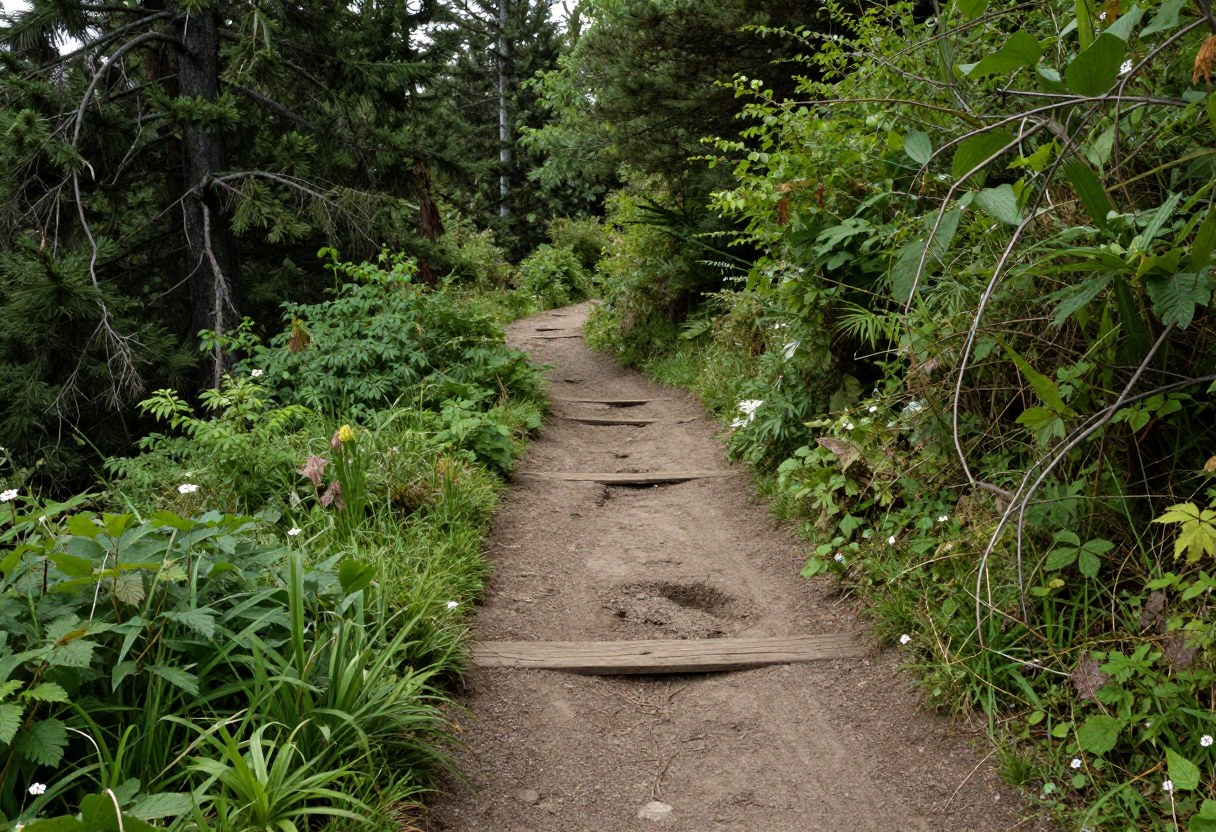
1. Plan Ahead and Prepare
- Know the regulations and special concerns for the area you're visiting — permit requirements, fire restrictions, seasonal closures, and sensitive wildlife areas all vary by destination and affect what responsible visitation actually looks like there.
- Prepare for extreme weather, hazards, and emergencies — good preparation reduces the likelihood of situations that force poor-impact decisions out of necessity (an unplanned fire because you're genuinely cold, for example).
- Schedule trips to avoid times of high use where reasonable, reducing cumulative impact and crowding at popular, sensitive locations.
- Repackage food to minimize waste, and plan meals appropriately for the trip, reducing both the waste you generate and the food-storage/wildlife-attraction risk of excess food.
The reasoning behind this principle: most Leave No Trace violations aren't intentional carelessness — they're the result of inadequate planning that leaves someone making an impactful decision under pressure (running out of daylight, being unprepared for weather, not knowing an area's specific rules).
2. Travel and Camp on Durable Surfaces
- Durable surfaces include established trails, rock, sand, gravel, and dry grasses — surfaces that resist damage from foot traffic and camping activity meaningfully better than living vegetation, wet soil, or fragile ground cover.
- In popular areas, concentrate use on existing trails and established campsites rather than creating new, parallel paths or campsites — this focuses impact on already-affected areas rather than spreading damage across more of the landscape.
- In pristine, less-visited areas, the opposite logic applies: disperse use to avoid creating a new visible impact area at all, since a single use in a truly pristine spot heals faster than repeated use establishing a new worn path or site.
- Keep campsites small, focusing activity in areas already void of vegetation rather than expanding the disturbed footprint.
The reasoning behind this principle: vegetation and soil in many outdoor environments, particularly alpine, desert, and riparian (streamside) areas, can take years to recover from damage — the concentrate-vs-disperse logic depends specifically on how heavily an area is already used.
3. Dispose of Waste Properly
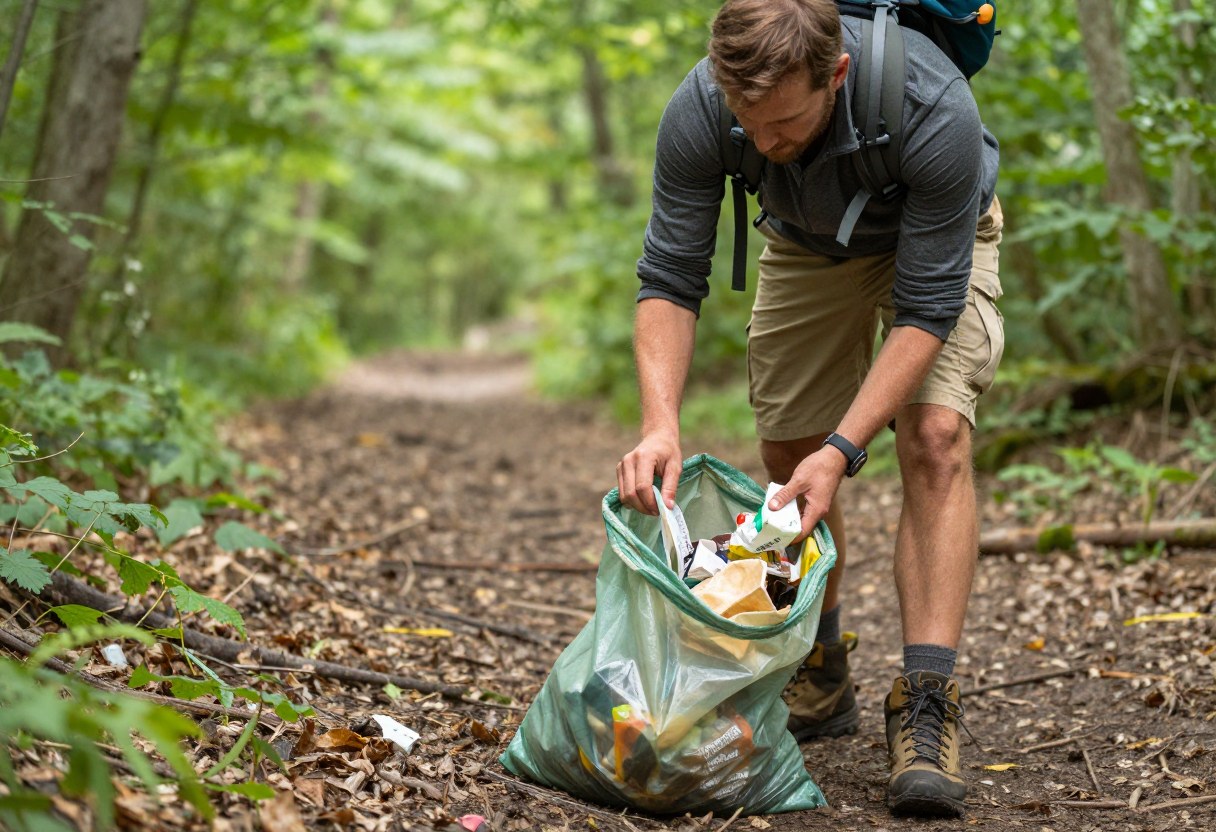
- "Pack it in, pack it out" applies to all trash, including food scraps — even biodegradable food waste (apple cores, orange peels) can take a long time to decompose in many environments and can attract wildlife in the meantime.
- Human waste disposal depends on the environment: catholes dug 6–8 inches deep and at least 200 feet from water, trails, and camp are the standard backcountry method in most areas, though some heavily used or fragile areas require packing out human waste entirely (using a WAG bag or similar system) — check specific area requirements.
- Wash dishes and yourself away from water sources, using biodegradable soap sparingly if at all, and disposing of wastewater by straining and scattering it away from water sources and camp.
- This principle extends to picking up trash left by others when reasonably possible, not just managing your own waste.
Don't Skip This: Human waste disposal requirements genuinely vary by specific destination — some high-use or fragile areas (certain alpine zones, river corridors, desert environments) require packing out human waste entirely rather than the standard cathole method, because the environment can't adequately process it otherwise. Check specific current requirements for your destination rather than assuming the general cathole method applies everywhere.
4. Leave What You Find
- Leave natural objects (rocks, plants, antlers, artifacts) as you found them — removing them affects both the ecosystem and the experience of visitors who come after you, and cultural/historical artifacts often have legal protection against removal.
- Avoid introducing or transporting non-native species, including firewood (covered in more detail in a dedicated campfire guide) and noxious weed seeds that can hitch a ride on gear, clothing, or vehicles between regions.
- Minimize site alterations — avoid digging trenches, building structures, hammering nails into trees, or other modifications, even ones that seem minor or "leave no lasting trace" individually, since cumulative impact across many visitors adds up.
- Photograph rather than collect — a simple, widely applicable substitute for the impulse to take a natural souvenir home.
5. Minimize Campfire Impact
- A dedicated campfire guide covers the full detail, but the core Leave No Trace principle is: use established fire rings where available, keep fires small, use only dead and downed wood, and fully extinguish (see the extinguishing process in that guide).
- Consider whether a fire is genuinely necessary for a given trip — a camp stove often serves cooking needs without any fire impact at all, and many experienced backcountry travelers skip fires by default except for specific circumstances (a special occasion, genuinely cold conditions) where the experience or need justifies it.
- Check and respect current fire restrictions, which exist specifically because campfire impact (both direct environmental impact and wildfire risk) is a serious enough concern to warrant active regulation in many areas and seasons.
6. Respect Wildlife
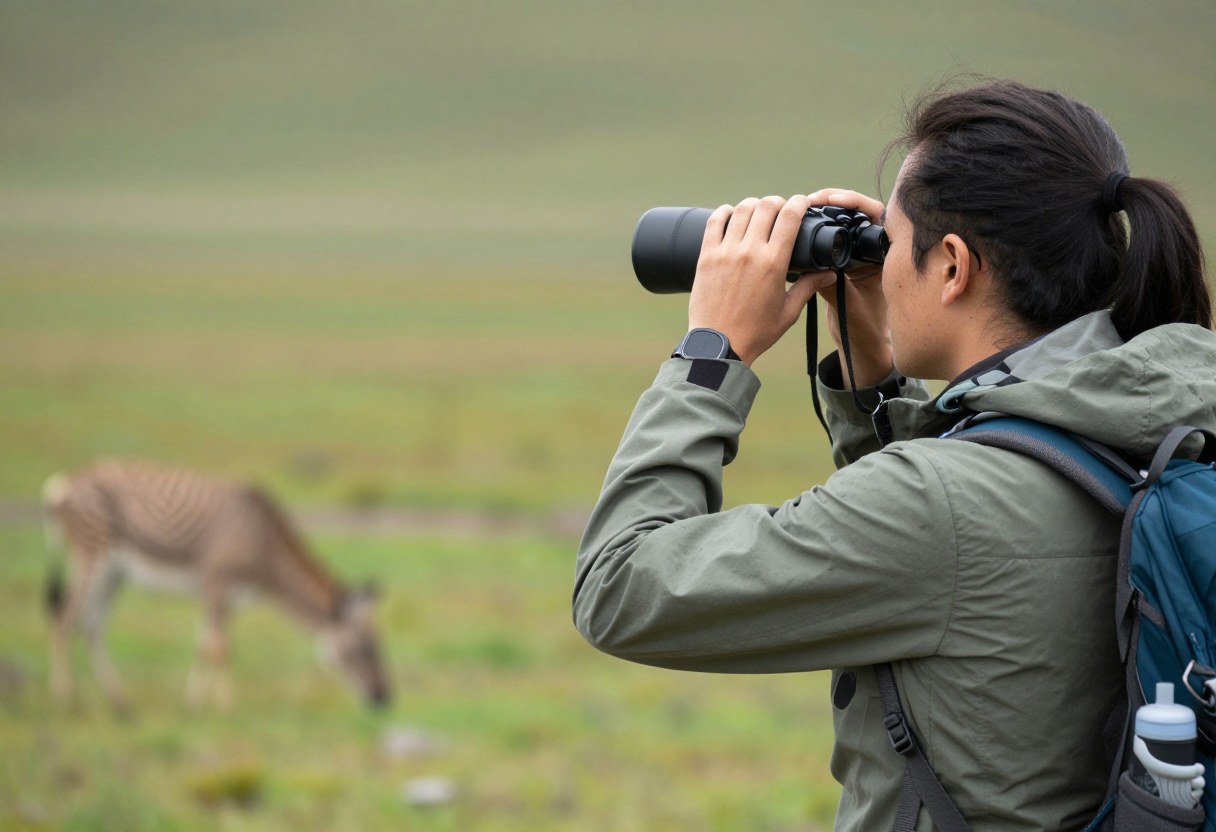
- Observe wildlife from a distance, never approaching, feeding, or following — approaching wildlife for a closer look or photo is one of the most common Leave No Trace violations, and it's genuinely harmful even when well-intentioned.
- Store food and trash securely, preventing wildlife from accessing human food, which causes real, sometimes fatal behavioral changes in animals that become food-conditioned to humans.
- Control pets or leave them at home, since dogs (even well-behaved ones) can meaningfully disturb wildlife, and many backcountry areas restrict or prohibit pets specifically for this reason.
- Avoid wildlife during sensitive times — nesting/breeding seasons, winter (when energy conservation is critical for survival), and periods with young offspring present all increase the impact of human disturbance beyond a "normal" encounter.
7. Be Considerate of Other Visitors
- Yield appropriately on trails (standard convention is generally that hikers yield to horses, and downhill hikers yield to uphill hikers, though specific local convention can vary) and keep noise levels reasonable, particularly in areas where others are seeking a quiet backcountry experience.
- Take breaks and camp away from trails and other visitors where reasonable, respecting others' sense of solitude in a shared natural space.
- Manage pets responsibly if permitted in a given area, keeping them under control and cleaning up after them.
- Let nature's sounds prevail — minimizing loud voices, music, and other artificial noise that can affect both wildlife and the experience other visitors are seeking.
8. Applying Leave No Trace Judgment in Practice
- The seven principles sometimes involve real tradeoffs requiring judgment, not a simple rule to follow mechanically — the concentrate-vs-disperse camping logic in Principle 2 is a clear example where the "right" answer depends on how heavily an area is already used.
- Group size affects impact significantly — larger groups have a proportionally larger impact footprint, and adjusting behavior (tighter site selection, more disciplined waste management) becomes more important as group size grows.
- Leave No Trace is about minimizing impact, not eliminating all impact — any human presence in a natural area has some effect; the goal is thoughtful minimization through the principles above, not an unattainable standard of zero impact.
Quick Decision Checklist
- I've researched area-specific regulations, permits, and current conditions before the trip
- I'm using established trails and campsites where available, or genuinely dispersing use in pristine, low-traffic areas
- I have a waste disposal plan appropriate to my specific destination, including checking human waste requirements
- I'm leaving natural and cultural objects as found, and not transporting firewood or introducing non-native species
- I'm minimizing campfire impact, or skipping a fire where a stove would serve the same purpose
- I'm observing wildlife from a distance and storing food/trash securely
- I'm being considerate of other visitors through trail etiquette and reasonable noise levels
Glossary
- Cathole: A hole dug 6–8 inches deep, at least 200 feet from water/trails/camp, used for backcountry human waste disposal in most (though not all) environments.
- Durable Surface: Ground (established trails, rock, sand, gravel, dry grass) resistant to damage from foot traffic and camping, preferred under Leave No Trace principles.
- Concentrate vs. Disperse Use: The Leave No Trace principle of focusing activity on already-impacted areas in high-use locations, versus spreading activity to avoid creating new impact in pristine, low-use areas.
- WAG Bag: A waste disposal bag system used to pack out human waste in areas where standard cathole disposal isn't adequate or permitted.
Final Takeaway
Leave No Trace works best as a framework for thoughtful decision-making, not a fixed checklist — plan ahead for your specific destination's regulations and conditions, travel and camp on durable surfaces (concentrating use in popular areas, dispersing in pristine ones), dispose of waste properly including checking area-specific human waste requirements, leave natural and cultural objects undisturbed, minimize campfire impact, respect wildlife by keeping distance and securing food, and be considerate of other visitors sharing the same space. Understanding the reasoning behind each principle lets you apply good judgment in situations that don't perfectly match the general guidance.
Leave No Trace application varies by specific ecosystem, regulations, and current conditions — always check current, destination-specific requirements (permits, fire restrictions, human waste disposal rules) rather than assuming general principles apply identically everywhere.