
Choosing a Camp Stove
Canister, liquid fuel, propane two-burner, alcohol, or wood — how each type performs, what each costs to run, and how to use any of them safely.
Published October 12, 2026
The Stove Is the Heart of the Camp Kitchen
A good camp stove turns a cold, tired evening into a hot meal in minutes, and a bad or mismatched one turns it into a long wait, a ruined dinner, or a safety scare. There's no single best stove — a stove that's perfect for a solo backpacker boiling water would be miserable for a family cooking dinner at a campground, and a stove that thrives at sea level may sputter in a cold alpine wind. The right choice depends on how you camp, how many you're feeding, and what weather and fuel availability you'll face.
1. Start With How You Camp
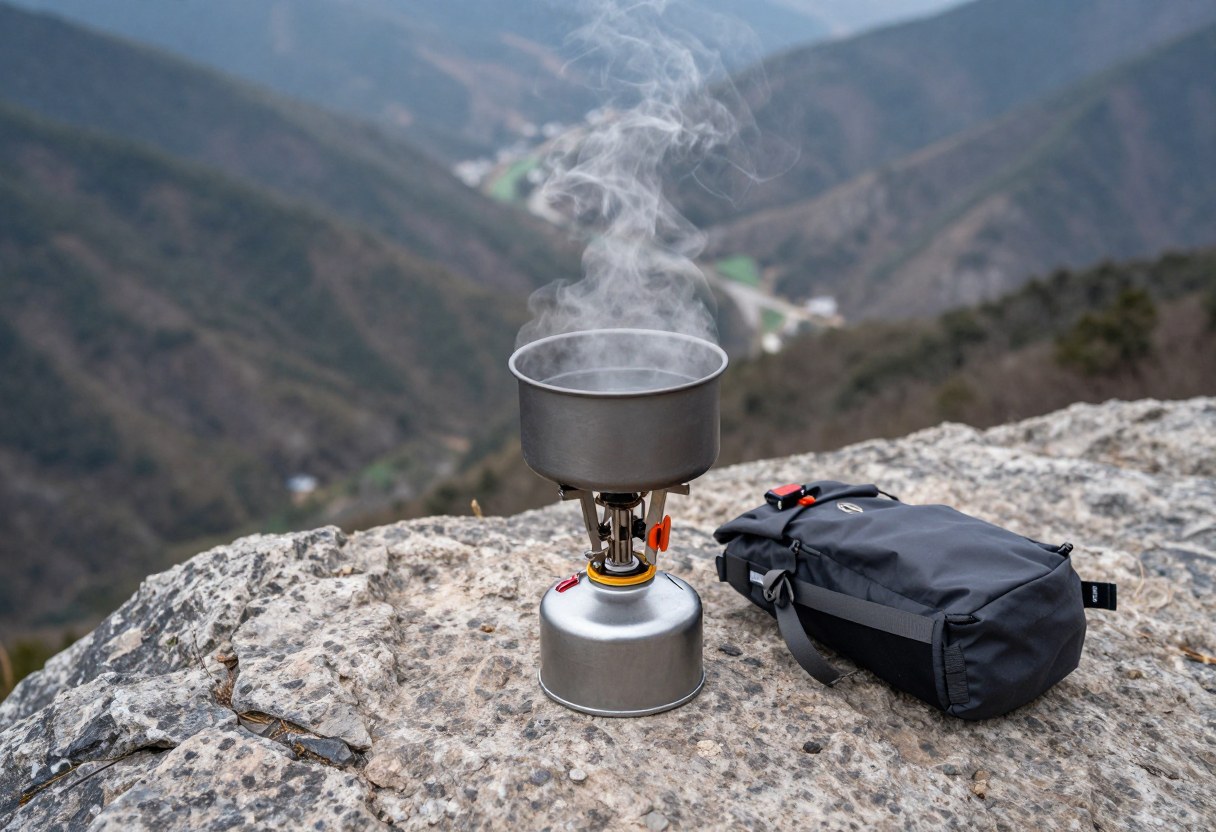
- Backpacking and ultralight trips prioritize weight and pack size. Small canister stoves or alcohol stoves win here.
- Car camping and family trips prioritize cooking capacity and convenience. A two-burner propane stove is the standard.
- Cold-weather and high-altitude camping prioritize reliable performance in low temperatures. Liquid fuel stoves and some canister stoves with regulators do best.
- Group trips and long expeditions prioritize fuel availability and refillability. Liquid fuel stoves can burn a variety of fuels and be refilled from a bottle.
2. Canister Stoves
- Screw onto a pre-filled canister of isobutane-propane blend, with no priming, pumping, or fuel handling. Simple, fast, and the most popular choice for backpackers.
- Light and compact, boil water quickly — often a liter in three to four minutes — and many have precise flame control for simmering.
- Performance drops in cold weather, since the fuel doesn't vaporize as well at low temperatures. Regulated stoves and keeping the canister warm help. Our winter camping guide covers cold-weather stove tricks.
- Canisters aren't refillable, and it's hard to tell how much fuel is left. Weigh them, or carry a spare.
- Integrated systems that clip a pot directly onto the burner are extremely fast and fuel-efficient for boiling water, but less versatile for real cooking.
3. Liquid Fuel Stoves
- Burn white gas (and many models, other fuels such as kerosene or unleaded gasoline) from a refillable bottle that you pressurize with a pump.
- They shine in cold weather, at altitude, and on long trips, since you can see how much fuel you have and refill from a larger container.
- They take more skill and maintenance: priming, cleaning jets, and occasional repairs. They're noisier and heavier than canister stoves, but extremely durable and field-serviceable.
- Fuel is cheap per ounce, and the stoves are favored by mountaineers and expedition travelers.
4. Two-Burner Propane Stoves
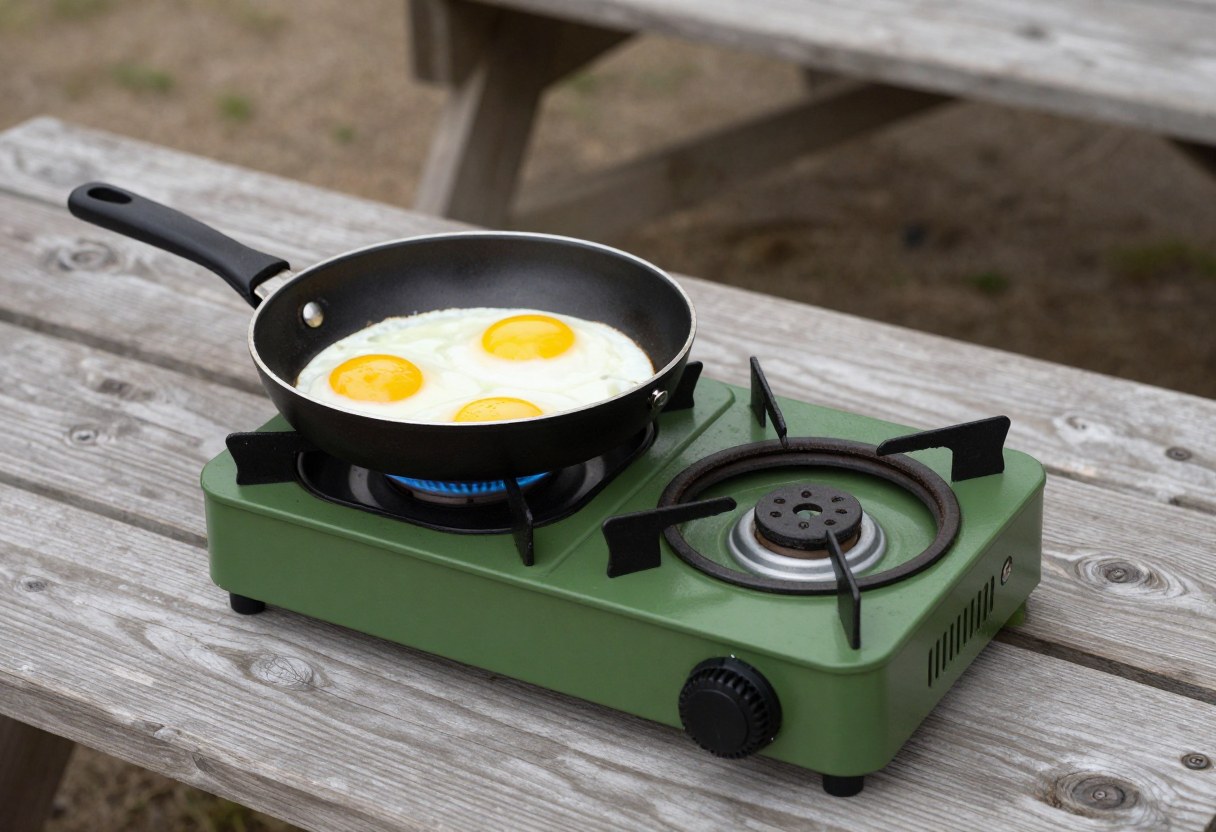
- Run on disposable one-pound propane cylinders (or a refillable tank with an adapter), and work like a home stove. Easy to light and easy to control.
- Ideal for car camping and families, handling skillets, large pots, and multiple dishes at once. See our camp cooking guide for what to make on one.
- Heavy and bulky, so they're not suitable for backpacking, and wind can seriously reduce their performance without the built-in windscreens most models include.
- Propane works fine in cold weather compared with the butane blends in some canisters, though very cold temperatures still reduce output.
5. Alcohol and Wood Stoves
- Alcohol stoves are extremely light and simple — essentially a small cup or burner that burns denatured alcohol. They're cheap, silent, and reliable, but slow to boil, hard to control, and weak in wind.
- Wood-burning stoves let you cook on twigs and small sticks without carrying fuel, which suits long trips in wooded areas. They're slower, sooty, and dependent on dry fuel and on fire being allowed.
- Both can be restricted during fire bans, and alcohol stoves have been banned in some areas because the nearly invisible flame can start wildfires. Check current rules.
6. Comparing Them
| Type | Best for | Weight | Cold performance | Ease of use |
|---|---|---|---|---|
| Canister | Backpacking, quick meals | Light | Fair | Very easy |
| Liquid fuel | Winter, altitude, expeditions | Medium | Excellent | Moderate |
| Two-burner propane | Car camping, families | Heavy | Good | Very easy |
| Alcohol | Ultralight, simple trips | Very light | Poor | Easy but slow |
| Wood | Long trips, no fuel carry | Light | Depends on wood | Takes practice |
7. Features That Matter
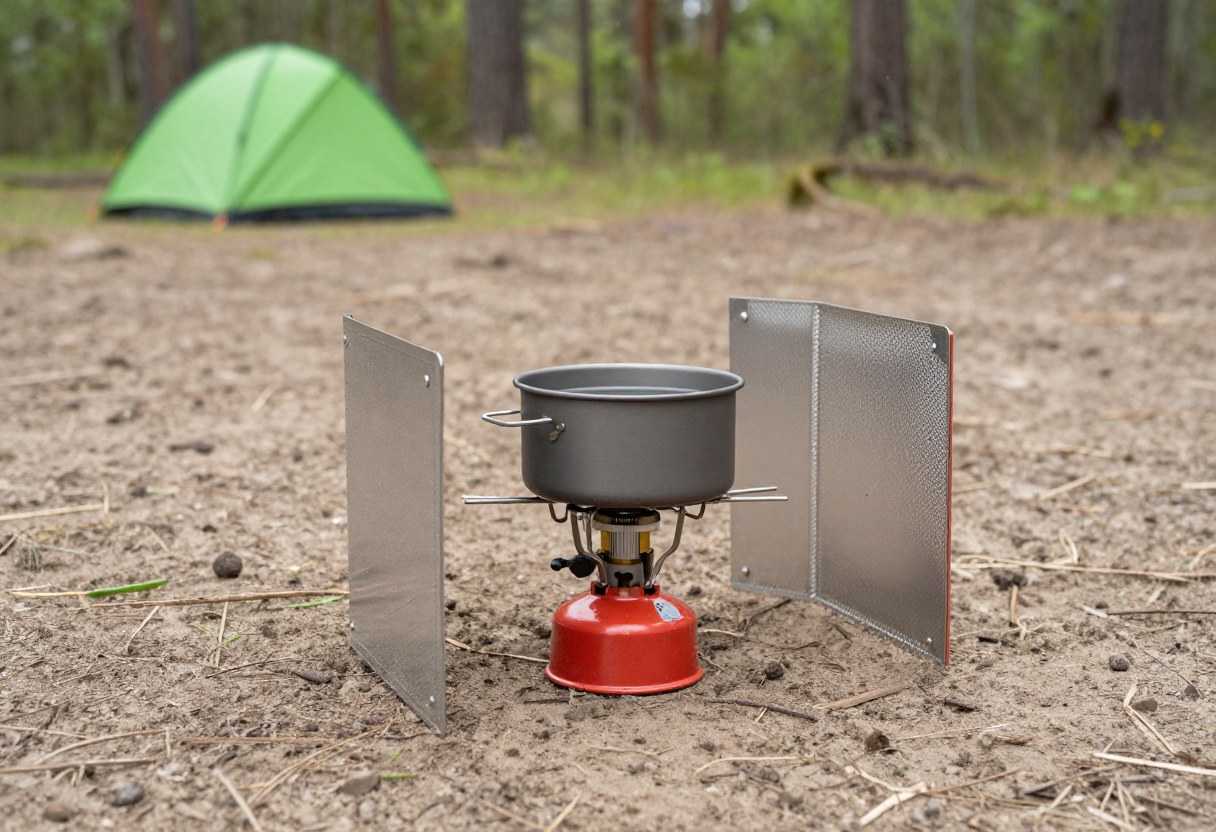
- Wind protection. Wind is the biggest enemy of any stove's efficiency, and a good windscreen can cut boil times dramatically. Don't fully wrap a canister stove in a windscreen, though, since trapped heat can overheat the canister.
- Flame control. If you plan to cook rather than just boil water, look for a stove that simmers well.
- Pot stability. A wide pot support makes a big difference, especially on uneven ground.
- Igniter reliability. Built-in igniters are convenient, but they fail — always carry a lighter or matches as backup.
- Fuel availability. Canisters are easy to find in the US but harder to buy in some remote or international areas, where liquid fuel may be more practical.
8. Using a Stove Safely
- Never cook inside a tent, vestibule, or other enclosed space. Stoves produce carbon monoxide and carry a real fire risk, and people die from this every year.
- Set the stove on a flat, stable surface, away from tent walls, dry grass, and overhanging branches. A stable base keeps a full pot of boiling water from tipping.
- Check fire restrictions before you go. Many fire bans allow stoves with a shutoff valve while prohibiting campfires, but rules vary, so confirm. Our campfire safety guide covers the broader rules.
- Keep fuel canisters and bottles away from heat and open flame, and store them away from food and living areas.
- Let the stove cool before packing it, and never refuel a liquid fuel stove while it's hot or lit.
- Store food properly. Cooking smells attract wildlife, and our bear safety guide covers camp kitchen setup in bear country.
Don't Skip This: Never run a stove inside a tent, even for a few minutes to warm up or avoid rain. Carbon monoxide builds up silently and can kill, and a knocked-over stove in a tent can burn it down in seconds.
Common Mistakes
- Buying a stove for the wrong kind of camping, such as a heavy propane stove for backpacking or a tiny alcohol stove for a family.
- Running out of fuel, because canisters are hard to gauge — bring a spare or weigh them.
- Ignoring wind, which can double boil times and waste fuel.
- Cooking in or too near the tent.
- Skipping a test run at home, then discovering how it works at dark and in the rain.
Quick Decision Checklist
- I've matched the stove to how I camp: backpacking, car camping, or cold weather
- I know whether my destination allows stoves under current fire restrictions
- I have enough fuel, plus a backup, and a lighter in case the igniter fails
- I've practiced setting it up and lighting it before the trip
- I'll cook outside the tent, on stable ground, with wind protection
Glossary
- Isobutane-Propane Blend: The mixed fuel in most backpacking canisters, designed to vaporize reliably across a range of temperatures.
- White Gas: A refined liquid fuel (such as Coleman fuel) burned in liquid fuel stoves, valued for cold-weather performance.
- Priming: Preheating a liquid fuel stove's generator tube so that fuel vaporizes before the stove is fully lit.
- Regulator: A device that keeps fuel flow steady as canister pressure drops, improving performance in cold or as the fuel runs low.
Final Takeaway
Choose a stove for how you actually camp: a canister stove for most backpacking, a two-burner propane for car camping and families, a liquid fuel stove for cold or long trips. Wherever you cook, protect it from wind, set it on stable ground well away from the tent, check fire restrictions, and never run it indoors.
Fuel types, fire-restriction rules, and stove regulations vary by location and season — always check current rules for where you're camping.