Bear Safety: Food Storage and Camp Setup
How to store food, set up camp, and manage scent in bear country so you never have a bear encounter to begin with.
Published September 5, 2026
How to Use This Guide
This guide is about prevention — food storage and camp setup that keeps bears from ever showing an interest in your camp. If you want guidance on what to do during an actual bear encounter on the trail, our hiking safety essentials guide covers that directly. The two are complementary: get the prevention right and an encounter becomes far less likely in the first place.
1. Why This Matters More Than It Seems
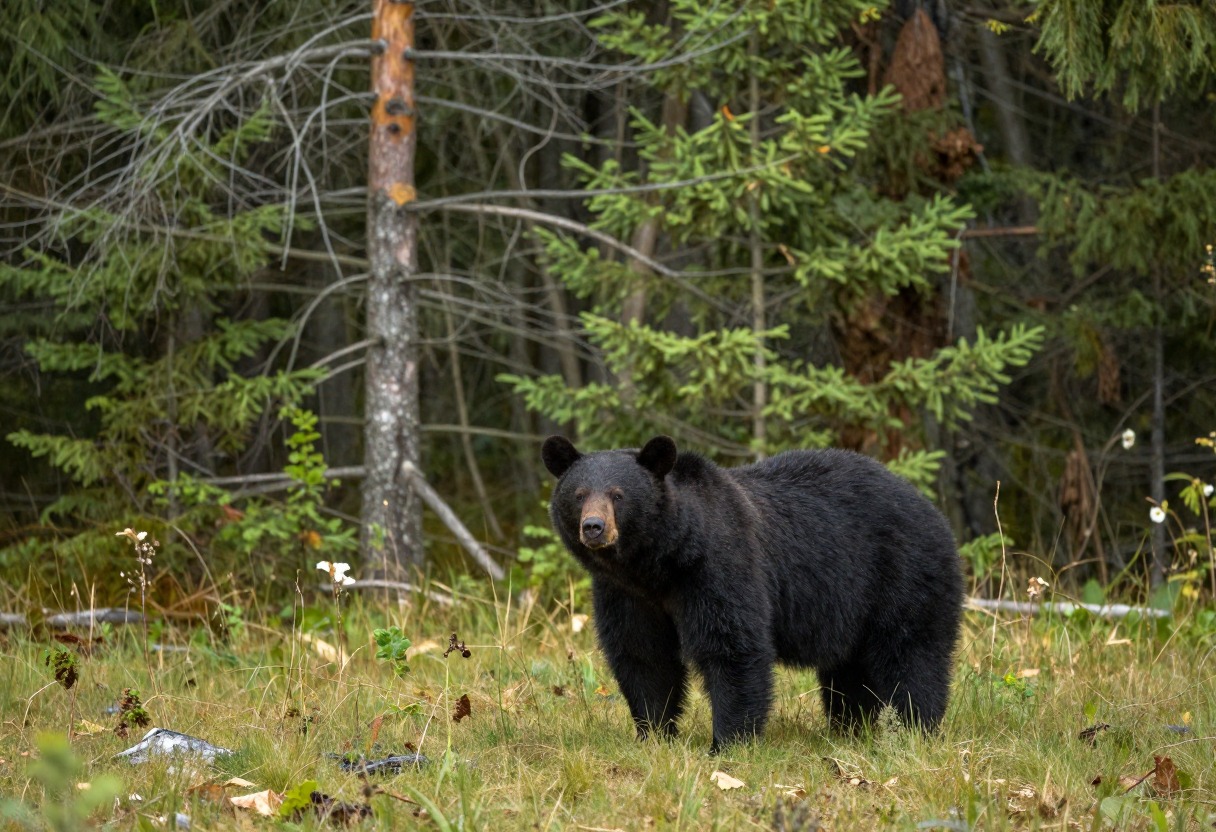
A bear that successfully gets human food even once quickly learns to associate campsites with an easy meal — and a food-conditioned bear is a genuine problem for everyone who camps in that area after you, not just a one-time inconvenience. Wildlife agencies frequently have to relocate or, in repeat cases, euthanize bears that have become aggressively food-conditioned. Getting food storage right isn't just about your own safety; it's about not creating a lasting problem for the bear and every future camper in the area.
2. Food Storage Methods Compared
| Method | How It Works | Best For |
|---|---|---|
| Bear canister | A hard-sided, animal-resistant container; food goes inside, canister is left on the ground away from camp | Backcountry backpacking, especially where required by land managers (many Sierra Nevada wilderness areas, parts of the Appalachian Trail) |
| Bear bag hang (PCT method) | Food bag counterbalanced or hoisted on a rope over a high branch | Backcountry areas without a canister requirement, where suitable trees are available |
| Ursack (soft-sided bear-resistant bag) | A tear- and puncture-resistant fabric bag, tied off to a tree | A lighter-weight alternative to a hard canister, accepted in some but not all areas — check local requirements first |
| Provided bear box/locker | A metal storage box installed at a campsite or trailhead | Developed campgrounds and popular backcountry sites where one exists — always use it when provided |
| Vehicle storage | Food locked inside a hard-sided vehicle, out of sight | Car camping in bear country, though some areas (Yosemite Valley notably) still require a bear box due to bears experienced at breaking into cars |
Check your specific destination's requirement before you go — canisters are legally mandatory in a number of wilderness areas, and a bear bag hang isn't an acceptable substitute where a canister is required.
3. How to Hang a Bear Bag Correctly
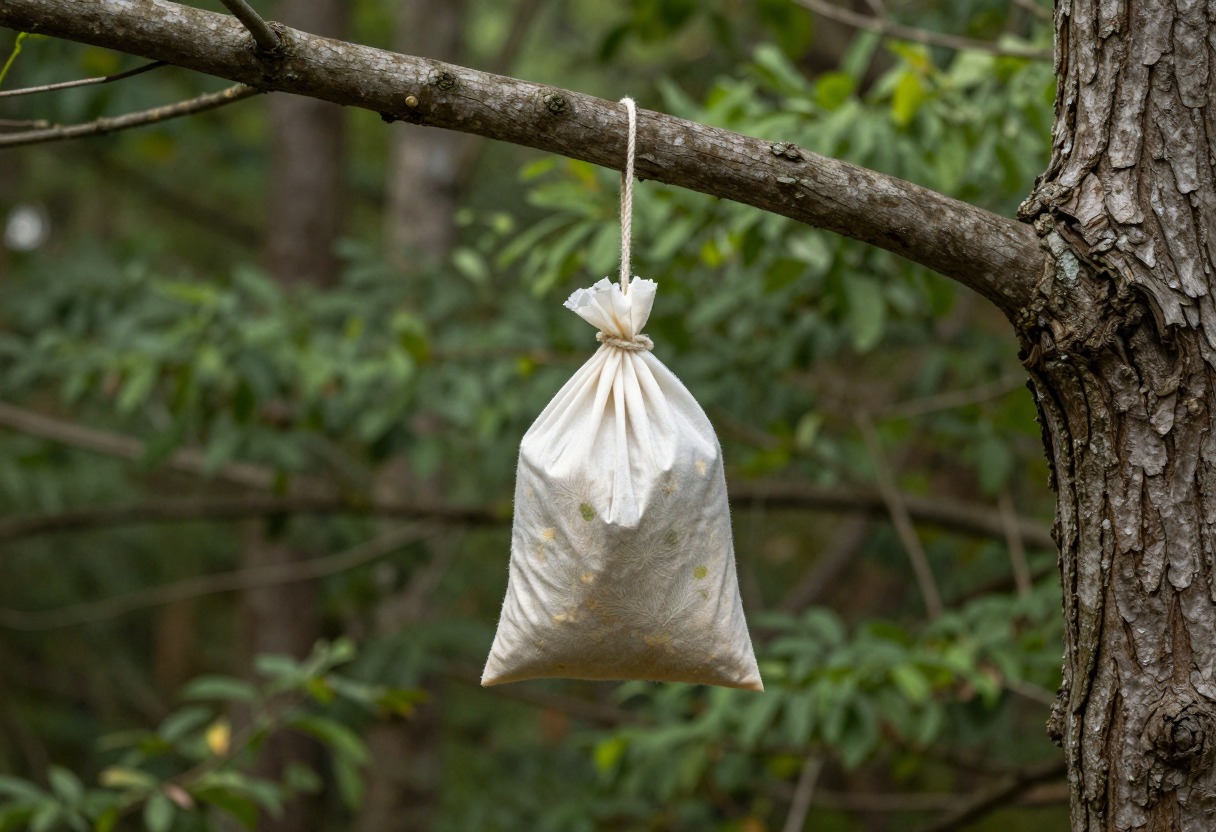
If you're not using a canister, the classic guidance (often called the PCT method) is:
- Find a sturdy branch at least 10-12 feet off the ground.
- The bag should hang at least 4 feet away from the trunk and any other climbable support — bears can reach surprisingly far from a trunk.
- Keep the bag at least 100 feet (roughly 40 adult paces) from your tent — close enough to find in the dark, far enough that a bear investigating it isn't investigating your sleeping area.
- Use a stuff sack, not a flimsy grocery bag — durability matters if a bear tests it.
Practice this at home before your trip — fumbling with a rope and carabiner for the first time, in the dark, at the end of a long day, is a genuinely common and avoidable frustration.
4. Bear Canisters: Using Them Correctly
- Place the canister on the ground, away from camp — the same 100-foot guidance as a bear bag applies. Canisters work by being too smooth and rigid for a bear to get a grip or leverage on, not by being hidden.
- Never place a canister near a cliff edge, slope, or water — a bear rolling or batting at a canister (which they will attempt) can send it somewhere you can't retrieve it.
- Everything scented goes inside — not just food. See Section 6 below for the full list of what counts as an attractant.
5. Camp Layout: The Cooking Triangle
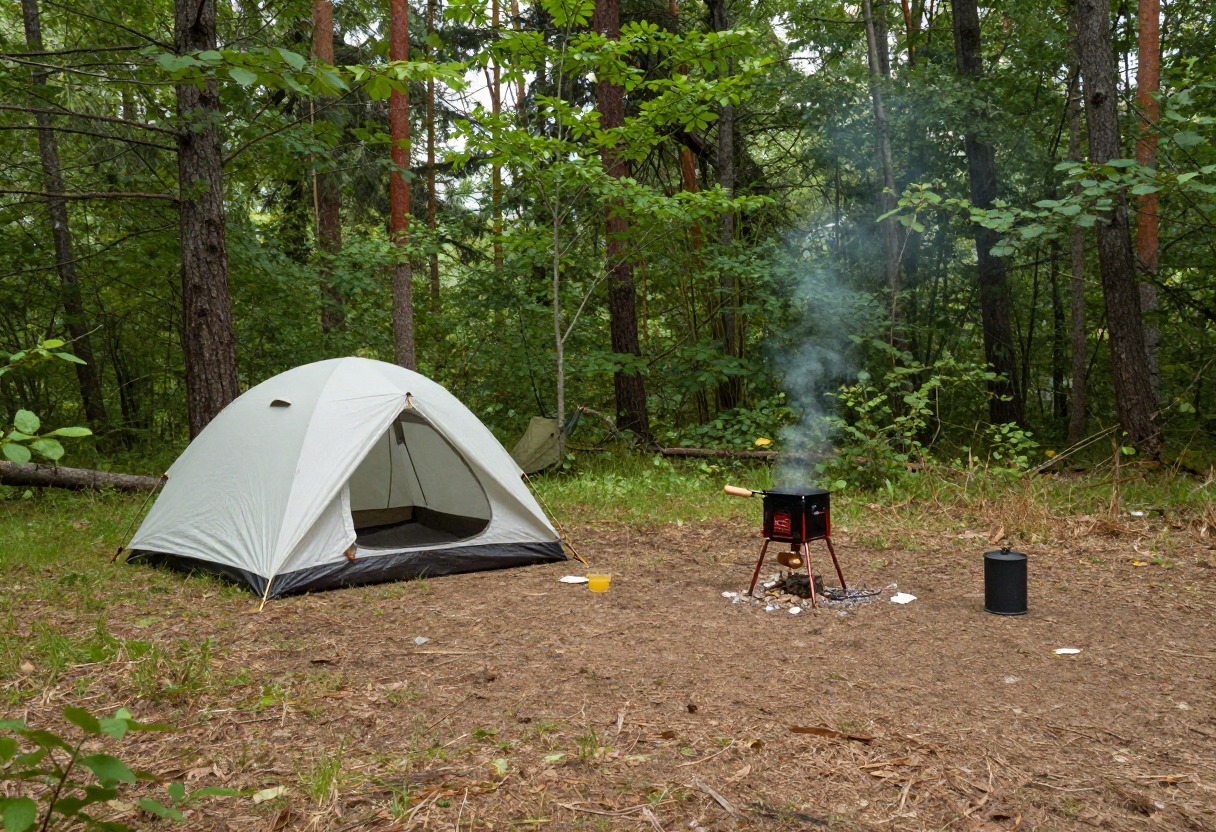
Think of camp as three separate zones, each roughly 100 feet apart from the others: sleeping area, cooking/eating area, and food storage area. The point is simple — nothing that smells like food should be anywhere near where you sleep.
- Cook and eat away from your tent, not just a few feet from the door.
- Change out of the clothes you cooked in before bed if practical, since cooking odors cling to fabric.
- Wash dishes and dispose of graywater well away from camp, following local regulations (often scattered broadcast disposal 200+ feet from water sources, but this varies — check your destination's specific rules).
6. What Actually Counts as a Bear Attractant
It's not just your food. Store all of the following with your food, not in your tent or pack near your sleeping area:
- Toiletries with any scent — toothpaste, sunscreen, deodorant, lotion
- Trash and food wrappers, even empty ones
- Drink mixes and empty containers that held them
- Pet food, if you're camping with a dog
- The clothes you cooked or ate in
- Any cookware that hasn't been fully cleaned
7. Regional Differences Matter
Requirements and risk profiles differ meaningfully between black bear and grizzly/brown bear country. Grizzly-country destinations (Glacier, Yellowstone, the Tetons, and similar) frequently mandate canisters or specific hard-sided storage, and the margin for error is generally treated as smaller given the greater size and potential severity of a grizzly encounter versus a black bear encounter. Always check the specific land manager's current rules for your destination rather than assuming a general rule of thumb applies everywhere.
8. If a Bear Enters Camp Despite Precautions
This is camp-specific, so a brief note here: group up, make noise, and calmly gather everyone together rather than scattering. Do not approach the bear or its position relative to your food. If it doesn't leave on its own after noise and group presence, back away and put distance between your group and camp rather than trying to reclaim food or gear in the moment. For the full range of encounter scenarios (trail encounters, defensive vs. non-defensive behavior, black bear vs. grizzly response differences), see our hiking safety essentials guide.
9. Common Mistakes
- Hanging a bag too close to the trunk or too low, giving a bear enough reach or leverage to get it anyway.
- Storing "just toiletries" in the tent, not realizing scented non-food items are just as much of an attractant.
- Placing a canister near a slope or water, risking losing it entirely if a bear rolls it.
- Cooking right next to the tent out of convenience or bad weather, undermining the entire point of a separated camp layout.
- Assuming a rule from one destination applies everywhere — canister requirements, hang guidance, and graywater disposal rules all vary by land manager.
- Never practicing a bear bag hang before the trip, then struggling with it for the first time in real conditions.
10. Budget Overview
| Item | Typical Range (USD) |
|---|---|
| Bear canister | $70-$100 |
| Ursack (soft-sided bear-resistant bag) | $70-$90 |
| Rope + stuff sack for a DIY hang | $15-$30 |
| Bear spray (see our handgun guide for how this compares to a firearm as a deterrent) | $40-$60 |
Quick Decision Checklist
- I've checked whether my specific destination requires a bear canister
- I know how to properly hang a bear bag (height, distance from trunk, distance from camp) if not using a canister
- I've planned a camp layout with sleeping, cooking, and food storage areas meaningfully separated
- I know that toiletries, trash, and scented non-food items need the same storage as food
- I've checked whether I'm in black bear or grizzly/brown bear country and the region-specific guidance that applies
- I've practiced my food storage method (hang or canister) before relying on it in the field
Glossary
- Bear Canister: A hard-sided, animal-resistant container for food and scented items, required in many backcountry areas.
- PCT Method: A common bear bag hanging technique using a counterbalance or single-line hoist over a high branch.
- Ursack: A soft-sided, tear- and puncture-resistant fabric bag used as a lighter alternative to a hard canister.
- Food-Conditioned: A bear that has learned to associate humans or campsites with an easy food source, a behavior change that often leads to relocation or euthanasia by wildlife agencies.
- Cooking Triangle: A camp layout principle separating sleeping, cooking, and food storage areas to keep food odor away from where you sleep.
This guide covers general bear safety principles for camping in North America. Food storage requirements, canister mandates, and graywater disposal rules vary significantly by land manager and region — always confirm current, specific requirements for your exact destination before you go.