
Black Drum
Pogonias cromis
Also called: drum, puppy drum (small)
A heavy, arched, barbeled drum found around oyster bars, bridges, and piers, easy to catch and very large when old.
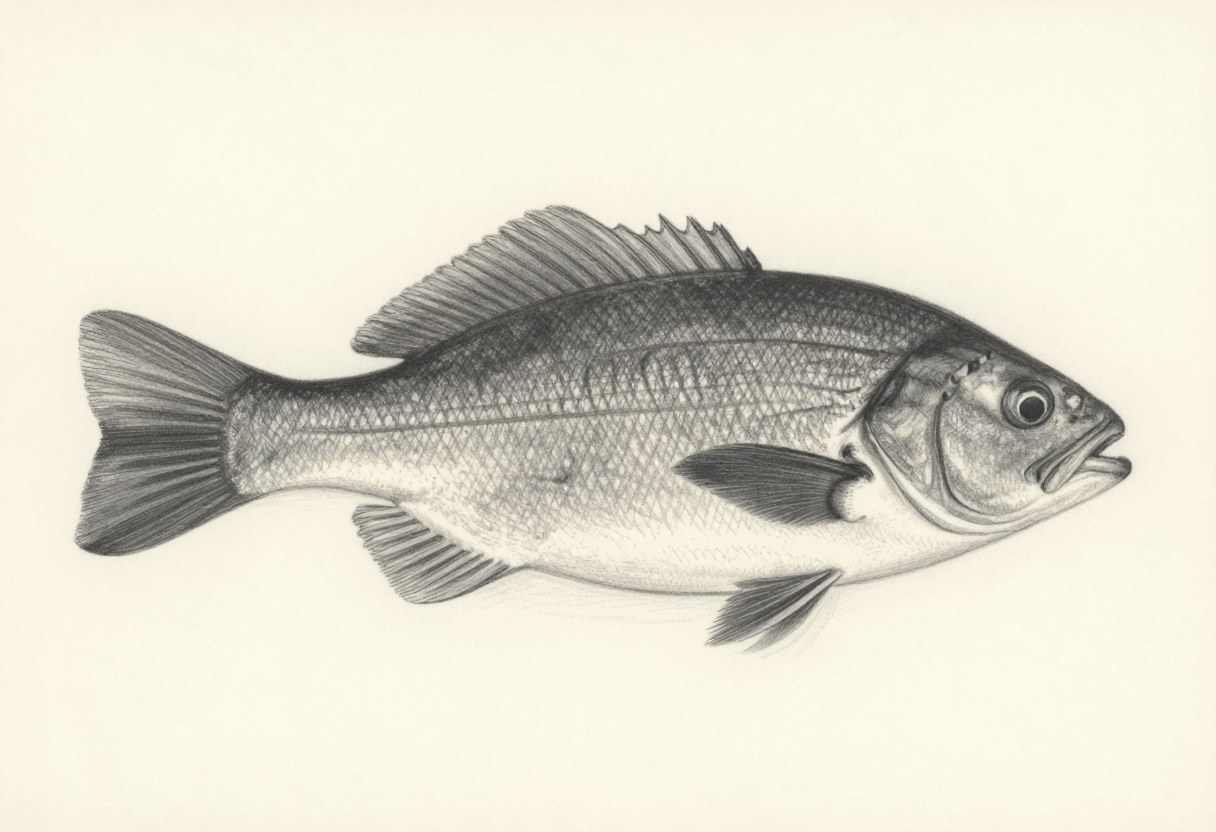
- Type
- Inshore & Flats
- Typical size
- Small drum 2 to 10 lb; old fish 30 to 60 lb or more
- Range
- The Atlantic coast from the Northeast to Florida and around the Gulf of Mexico
- Coasts
- Northeast Atlantic, Southeast Atlantic, Gulf of Mexico
- Where
- Flats & estuaries, Reefs, wrecks & jetties
- Best seasons
- Spring is a peak, with large fish moving into passes
Note: Size limits, bag limits, and seasons for this species change often, so check current state and federal rules before you keep one.
How to identify it
- Several barbels on the chin.
- A high, arched back.
- A dark gray to black body, with faint vertical bars on small fish.
- A rounded tail and a downward-facing mouth.
Often confused with
- Red Drum: has a tail spot, no chin barbels, and a straighter back.
- Sheepshead: has bold black bars and protruding front teeth.
Baits and lures
- Fresh crab, shrimp, and clams
- Cut bait
- Small jigs tipped with shrimp
Techniques
- Fish the bottom with fresh crab near oyster bars, bridges, and piers.
- Use a sinker and a circle hook for a good hookset.
- Be ready for a steady, strong pull.
- Release very large, old fish, which are less tasty and valuable breeders.
Field notes
Black drum crush shellfish with heavy throat teeth. Small ones are often called puppy drum and are good to eat, while very large fish are often released.
Related guides
Saltwater size limits, bag limits, seasons, gear rules, and license requirements change often and differ by state and in federal waters. Some species are catch-and-release only or closed in certain areas. Check your state's current fishing regulations before you keep a fish; our state resources directory links to each state's official wildlife and fisheries agency.