
Hiking Safety: Weather, Wildlife, and Getting Found
The core safety habits that keep a bad moment on the trail from turning into an emergency.
Published August 19, 2026
Why Most Hiking Emergencies Are Preventable, Not Random
Serious hiking incidents are rarely the result of pure bad luck — they're much more commonly the compounding result of a few preventable decisions: pushing forward despite worsening weather, not telling anyone your route, underestimating wildlife encounters, or losing the trail without a real navigation backup. None of the habits in this guide require advanced skill or expensive gear — they require consistency, especially on the hikes that feel too easy or too short to bother with them.
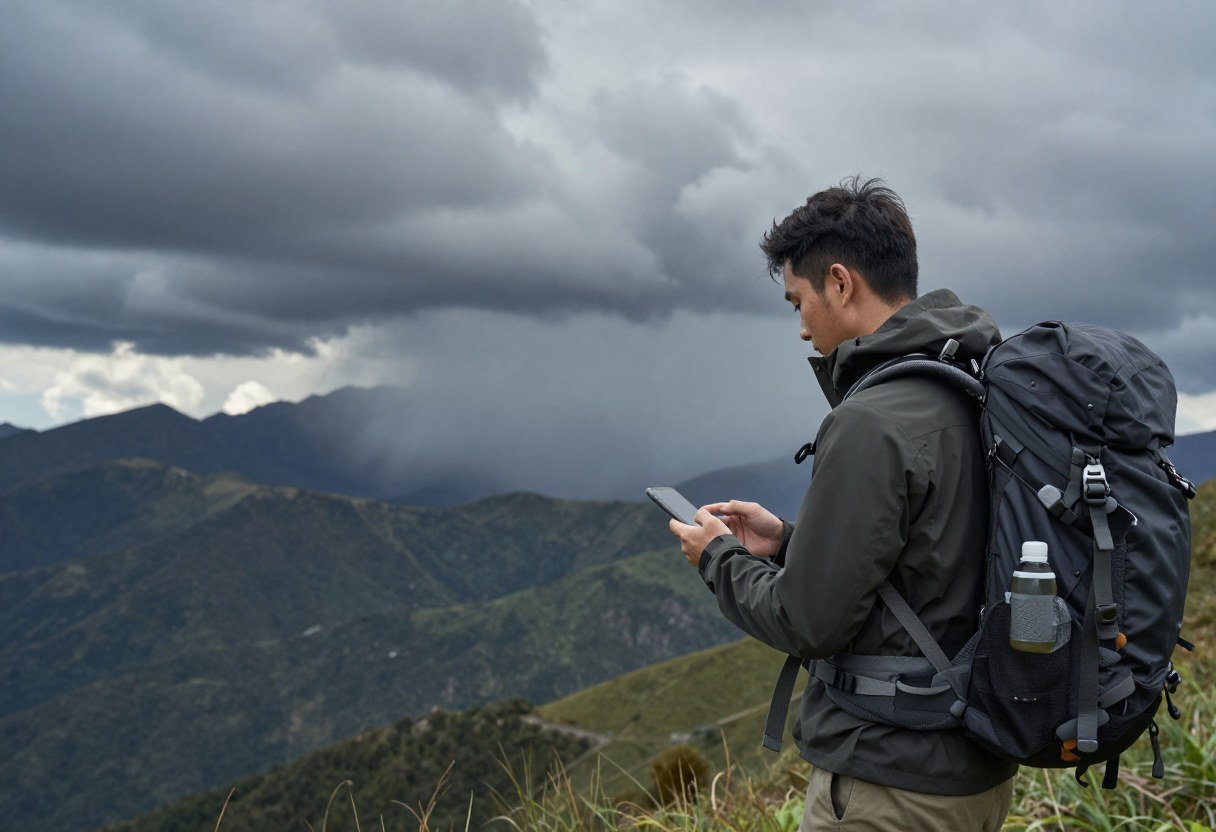
1. Weather Awareness and Decision-Making
- Check a trail-specific, elevation-specific forecast, not just the nearest town's general forecast — mountain and higher-elevation weather can differ meaningfully and change faster than lower-elevation conditions suggest.
- Afternoon thunderstorms are a predictable, recurring risk in many mountain regions, especially in summer — starting early and being off exposed ridges or summits before early-to-mid afternoon is a widely recommended practice in thunderstorm-prone areas.
- Set a turnaround time before you start hiking, and actually honor it — deciding in advance, when you're not emotionally invested in "just a little further," removes the in-the-moment pressure that leads many hikers to push on despite worsening conditions.
- Know basic signs of approaching bad weather (darkening clouds, rapidly dropping temperature, increasing wind, distant thunder) and treat them as a decision point, not something to wait out and see.
Don't Skip This: Setting a specific turnaround time before you start, and genuinely committing to it regardless of how close you feel to your destination, is one of the most effective safety habits in hiking — and one of the hardest to actually follow in the moment, which is exactly why deciding in advance matters.
2. Wildlife Encounters: General Principles
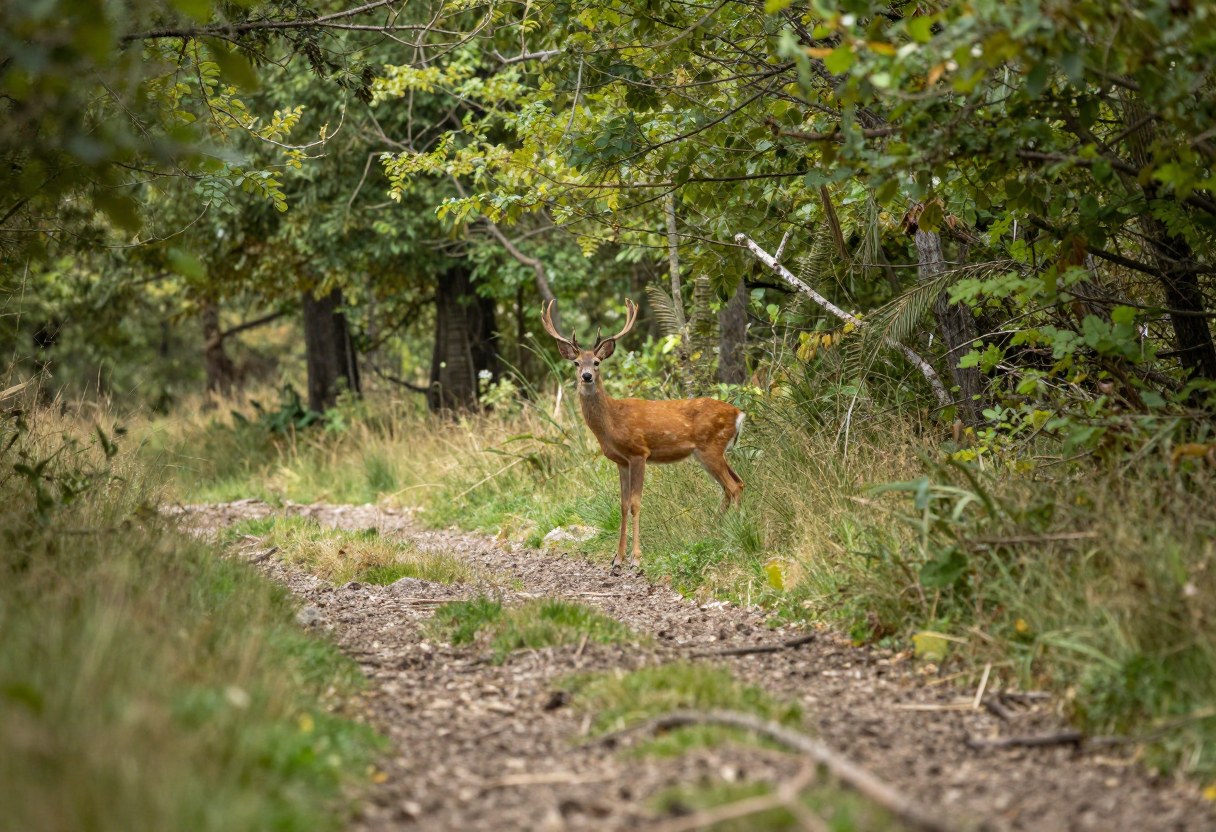
- Give wildlife space and never approach for a photo or closer look — most wildlife incidents involve an animal that felt cornered or threatened by a human who got too close, not an unprovoked attack.
- Make noise while hiking, especially in dense cover or near water, reducing the chance of surprising an animal at close range, which is a common precursor to a defensive reaction.
- Store food and scented items properly even on a day hike, not just backpacking trips, since food odor can attract unwanted wildlife attention to your pack or campsite — see our bear safety guide for camp setup and food storage specifics.
- Learn basic region-specific wildlife guidance for your specific hiking area — bear behavior, encounter protocols, and relevant species vary significantly by region, and general advice should be supplemented with local, current guidance.
Bear Encounters (General Guidance)
- Carry bear spray in bear country and know how to use it quickly — this is widely recommended by wildlife agencies as an effective deterrent, more so than many alternative strategies.
- Black bear vs. grizzly/brown bear encounter protocols differ (generally: fighting back if attacked by a black bear, playing dead for a defensive grizzly attack) — this is genuinely important region-specific knowledge to learn before hiking in bear country, not something to figure out during an actual encounter.
- Never run from a bear encounter — running can trigger a chase response in an otherwise non-aggressive situation.
3. Navigation as a Safety Tool, Not Just a Convenience
- Know your route before you start, including distance, elevation gain, and expected time — this baseline understanding helps you recognize early if something is going wrong (taking much longer than expected, for example).
- Carry both a primary (GPS/phone app with offline maps) and backup (paper map, basic compass skills) navigation method — see a dedicated navigation guide for full technique detail, but the core safety principle is redundancy against a single point of failure.
- If you realize you're lost or off-route, stop and think before continuing to move — continuing to push forward while lost, hoping to stumble onto something familiar, often makes the situation worse and harder for potential searchers to predict.
- The general guidance when genuinely lost is to stay put once you recognize you're lost, especially if you've told someone your route — this makes you meaningfully easier to find than continuing to move unpredictably.
4. The Buddy System and "Someone Knows Your Plan"
- Hiking with a partner provides real safety redundancy — a second person to help in an injury situation, a second navigation device, and someone to go for help if needed.
- Solo hiking isn't inherently unsafe, but it removes that redundancy, meaning solo hikers should be more conservative in trip difficulty/remoteness choices and more rigorous about the other habits in this guide.
- Tell a specific person your planned route, trailhead, and expected return time, and actually check in with them afterward — this single habit is what actually triggers a search if something goes wrong, and it costs nothing.
- Leave a note in your vehicle at the trailhead (in some areas, this is a common practice) noting your planned route and return time, giving searchers a starting point even if your check-in contact doesn't immediately notice you're overdue.
5. Recognizing and Responding to Common Trail Emergencies
- Sprains and injuries: Basic first aid knowledge (see a dedicated first aid/day hiking guide) and an honest assessment of whether you can safely self-evacuate or need to call for help — pushing through a significant injury to "get back to the car" can worsen the injury and the overall situation.
- Heat exhaustion/heat stroke: Recognize early signs (heavy sweating, weakness, nausea, confusion) and treat proactively — moving to shade, hydrating, cooling the body — rather than continuing to push through symptoms.
- Hypothermia: Even in relatively mild conditions, wet clothing and wind can cause dangerous heat loss — recognize early signs (persistent shivering, clumsiness, confusion) as a signal to add insulation and address the situation immediately, not push through.
- Dehydration: A frequently underestimated, entirely preventable risk — carrying and actually drinking adequate water (see a dedicated day hiking essentials guide) prevents most dehydration-related trail problems before they start.
6. When and How to Call for Help
- Know your cell signal reality for your specific hiking area — many backcountry areas have limited or no signal, which is exactly why telling someone your plan in advance matters so much.
- A satellite communicator or personal locator beacon (PLB) is a genuinely worthwhile investment for hikers regularly in areas without reliable cell signal, providing an emergency communication option independent of cellular coverage — see our guide to choosing one for how the device types actually differ.
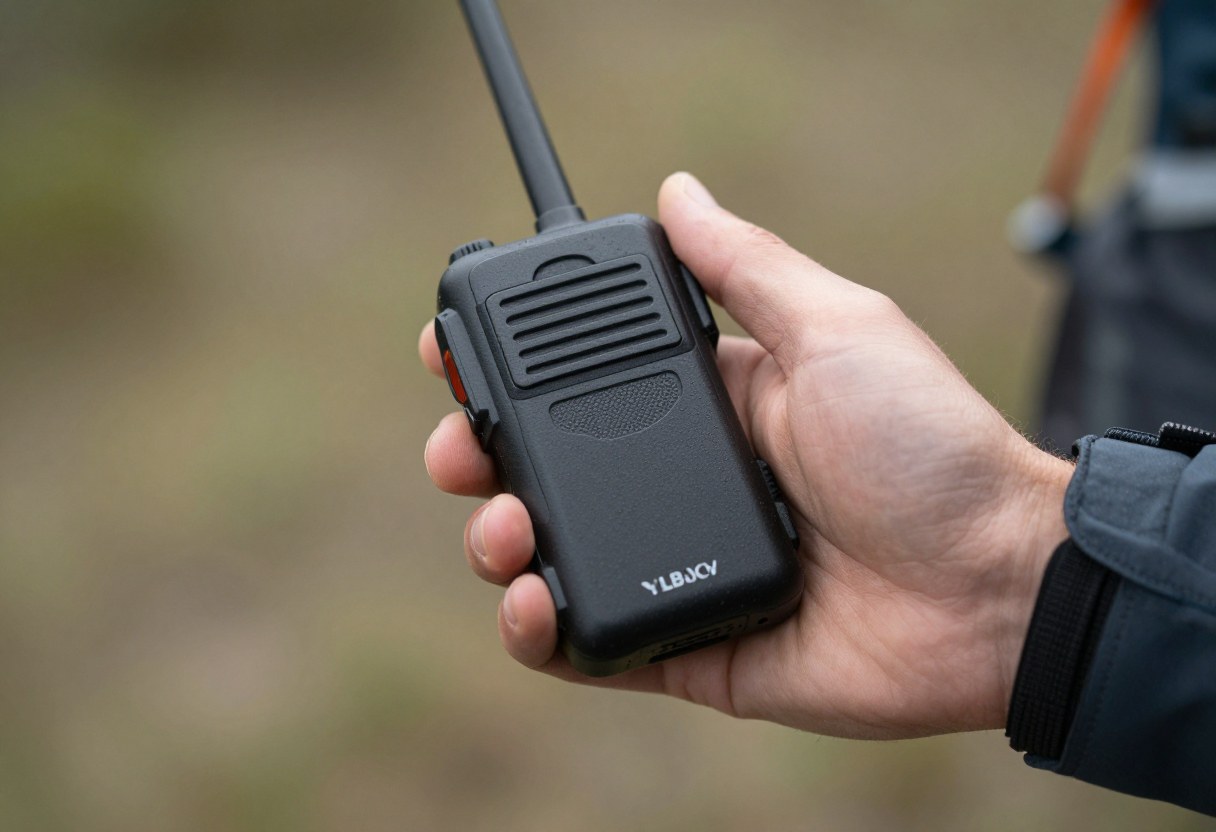
- Don't hesitate to call for help when a situation genuinely warrants it — many hikers delay calling for help out of embarrassment or a desire to "handle it themselves," which can turn a manageable situation into a more serious one through delay.
- When calling for help, provide as much specific location information as possible (trail name, approximate mile marker, GPS coordinates if available, notable landmarks) to help responders locate you efficiently.
7. Common Hiking Safety Mistakes
- Not telling anyone a specific route and return time, removing the mechanism that actually triggers help if something goes wrong.
- Pushing forward past a predetermined turnaround time, especially as weather worsens, driven by proximity to the destination rather than a clear-eyed risk assessment.
- Approaching wildlife for a closer look or photo, a leading cause of otherwise avoidable wildlife incidents.
- Relying on a single navigation method with no backup, leaving no fallback if a phone or GPS device fails.
- Continuing to move once genuinely lost, rather than stopping to think and potentially staying put to be more findable.
- Ignoring early symptoms of heat exhaustion, hypothermia, or dehydration, pushing through rather than addressing the problem proactively while it's still manageable.
- Hesitating to call for help out of embarrassment, allowing a manageable situation to worsen through delay.
Quick Decision Checklist
- I've checked a trail-specific weather forecast and set a turnaround time I intend to honor
- I know basic region-specific wildlife guidance for my hiking area, including bear protocol if relevant
- I have both a primary and backup navigation method
- I've told a specific person my route and expected return time, and I'll check in afterward
- I can recognize early signs of heat exhaustion, hypothermia, and dehydration, and I'll address them proactively rather than pushing through
- I know my cell signal reality for this specific area and have considered a satellite communicator if I'm often in areas without coverage
- I won't hesitate to call for help if a situation genuinely warrants it
Glossary
- Turnaround Time: A predetermined time, set before starting a hike, by which a hiker commits to heading back regardless of progress toward the destination.
- Personal Locator Beacon (PLB) / Satellite Communicator: A device providing emergency communication or location transmission independent of cellular coverage, valuable in areas with unreliable phone signal.
- Self-Evacuate: To safely make your own way back to a trailhead or help despite an injury or problem, as opposed to requiring outside rescue.
Final Takeaway
Most serious hiking incidents result from a chain of preventable decisions rather than pure bad luck — pushing past a turnaround time, skipping the "tell someone your plan" habit, or ignoring early symptoms of heat, cold, or dehydration issues. None of the core safety habits covered here require special skill or expensive gear, just consistency, especially on the hikes that feel too easy or too short to bother with them — which is exactly where many real incidents actually happen.
Wildlife behavior, weather patterns, and specific safety protocols (like bear encounter guidance) vary significantly by region — supplement this general framework with current, region-specific guidance for your actual hiking destination.