Campsite Selection: What Makes a Good Spot
What to look for — and avoid — when picking where to pitch your tent.
Published August 19, 2026
Why Site Selection Matters More Than Most Beginners Expect
A great campsite and a mediocre one can be twenty feet apart, and the difference often isn't visible at a glance — it's about drainage, wind exposure, hazards overhead, and ground composition that only becomes obvious once you're trying to sleep on it. Learning to actually evaluate a spot, rather than just picking somewhere flat-looking and calling it done, is one of the highest-value skills for camping comfort and safety. This guide covers what to look for, and just as importantly, what to actively avoid.
1. Designated vs. Dispersed Camping
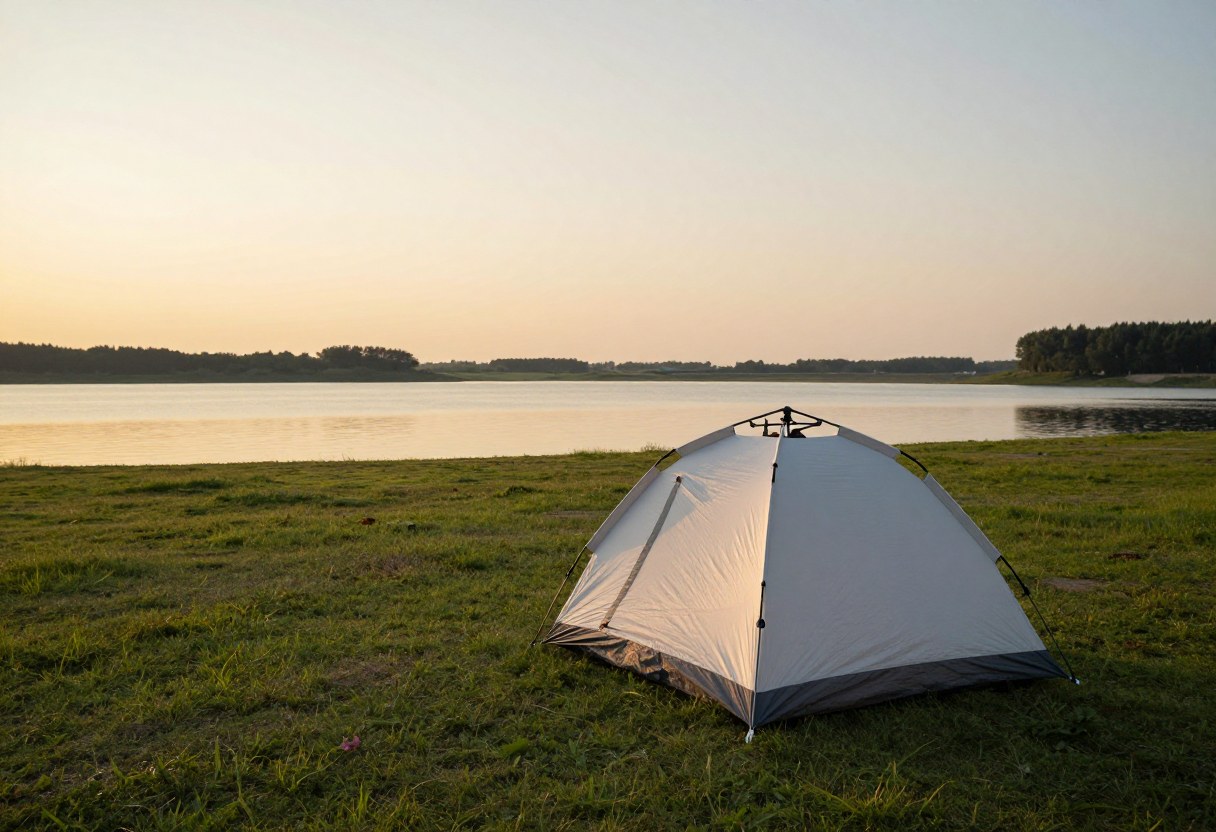
- Designated campsites (established sites in a campground, or marked backcountry sites) have already been evaluated and developed for camping use — generally the easier, lower-risk choice, especially for beginners.
- Dispersed camping (camping outside a designated site, common on much public land) requires you to do the site evaluation yourself, applying the principles in this guide directly, and generally requires more Leave No Trace awareness since you're creating your own impact rather than using an already-established site.
- Check land management rules for your specific destination — some areas restrict dispersed camping entirely, require permits, or mandate camping a minimum distance from water sources and trails.
2. Ground and Surface: What to Look For
- Flat, level ground is the obvious starting point, but check more carefully than a glance — a slight, barely visible slope becomes very noticeable once you're lying on it all night.
- Firm, well-drained ground beats soft or spongy ground, which often indicates poor drainage and a real risk of water pooling under your tent in rain.
- Avoid low points and depressions, even subtle ones — water flows downhill and collects in low spots, and a campsite that looks fine in dry weather can flood during an overnight rain.
- Durable surfaces (established sites, rock, gravel, sand, or already-impacted ground) are preferable to camping on live vegetation, both for Leave No Trace reasons and because vegetation-covered ground is often less firm and more prone to moisture retention.
3. Overhead and Surrounding Hazards
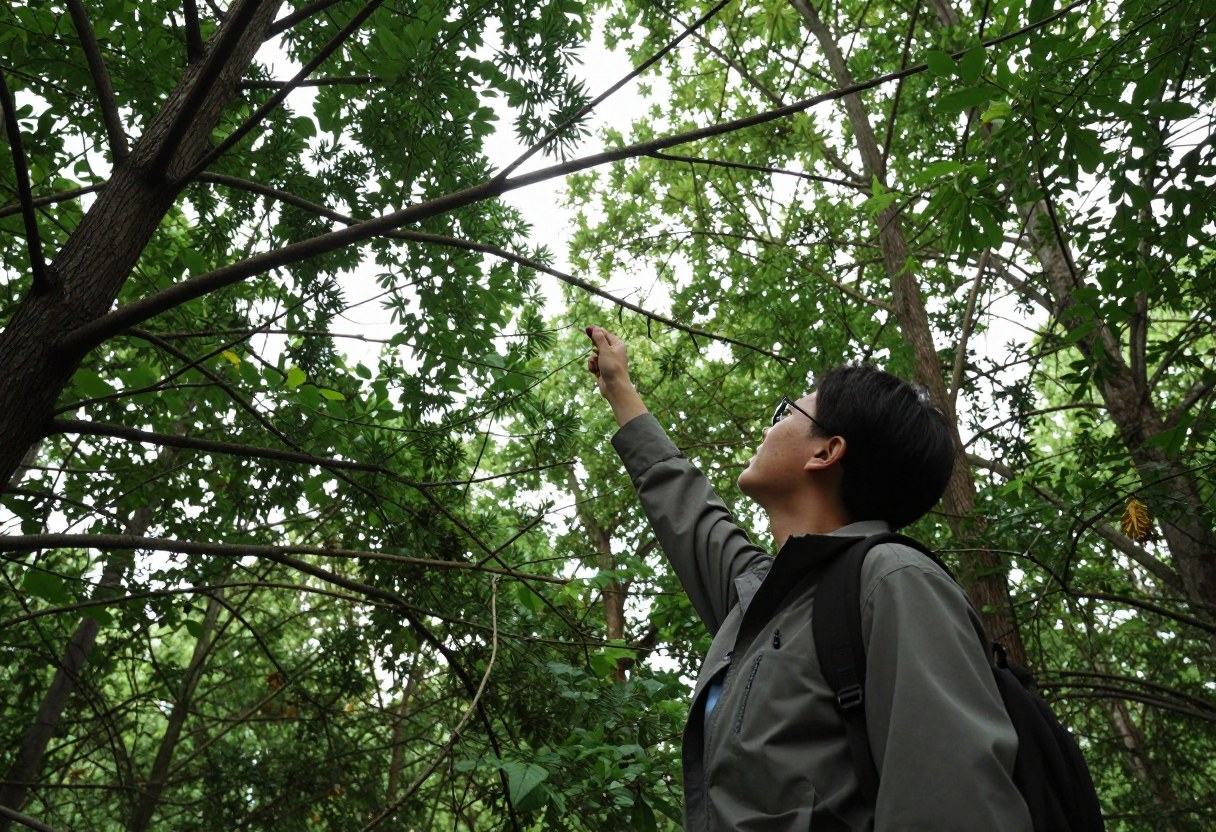
- Check for dead branches or dead trees overhead — sometimes called "widowmakers" — since a dead branch or entire dead tree can fall without warning, and camping underneath one is a real, if often overlooked, safety risk.
- Avoid camping directly beneath large trees in general if a clear alternative exists, even healthy ones, since storms can bring down branches or entire trees unpredictably.
- Check for signs of wildlife activity (game trails, scat, tracks, food odors from a previous camper's poor storage practices) that might indicate a spot sees regular animal traffic worth avoiding.
- Look up and around, not just down — beginners often evaluate a site by ground conditions alone, missing hazards at head height and above that matter just as much.
4. Water Considerations
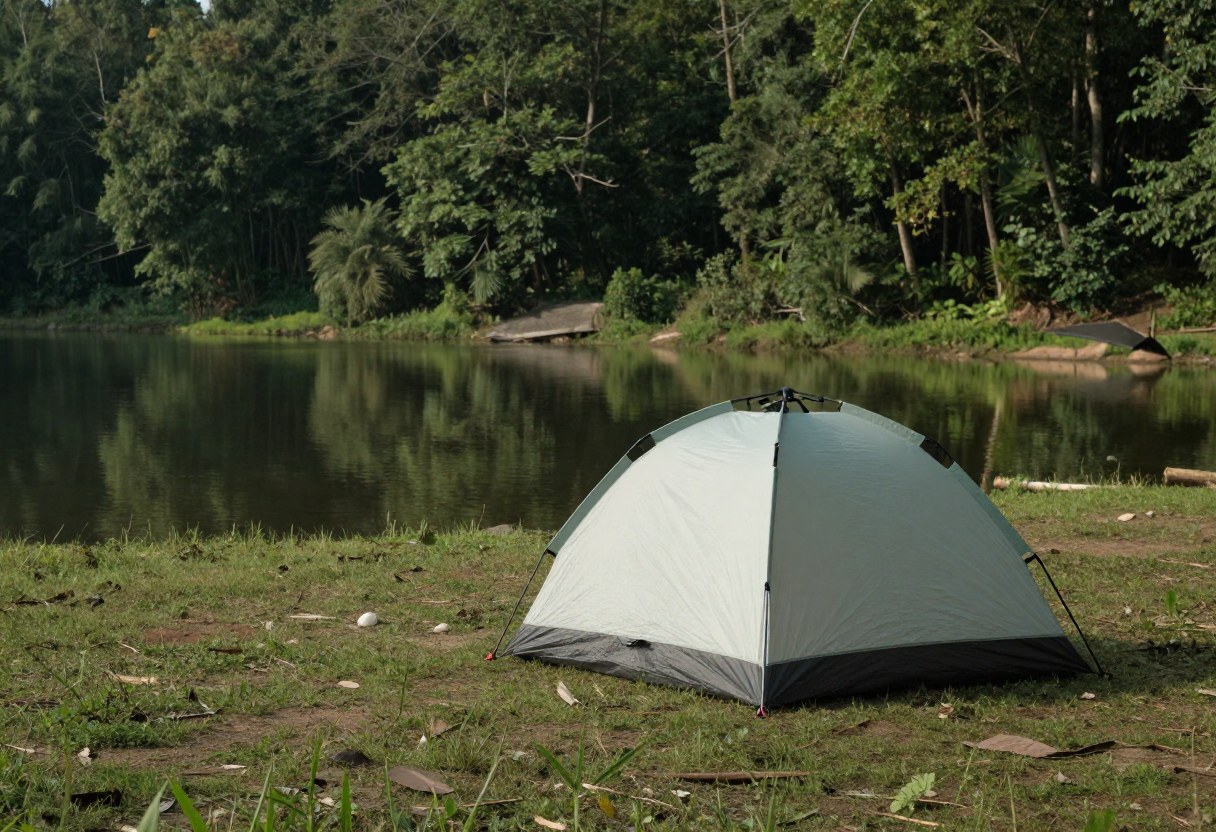
- Camp a reasonable distance from water sources (often 200 feet / roughly 70 adult paces is a commonly cited backcountry guideline, though check specific local requirements) — this protects both water quality from human impact and gives you a buffer from rising water levels or resident wildlife that concentrate near water.
- Avoid dry creek beds and low drainage areas entirely, even ones that look clearly dry — a distant rainstorm can send a flash flood through a dry wash with little to no local warning.
- Being near water isn't required for a good campsite despite the intuitive appeal — weigh the convenience of proximity against the real risks (flooding, wildlife traffic, environmental impact) covered above.
Don't Skip This: Flash flooding in dry washes and low drainage areas is a genuine, sometimes fatal risk, and it doesn't require rain at your specific location — a storm miles away in the same watershed can send water through a dry-looking wash with almost no warning. Never camp in a dry creek bed or drainage channel, regardless of current weather.
5. Wind and Weather Exposure
- Some wind protection is generally preferable — a site with a natural windbreak (terrain, trees, rock) is more comfortable and reduces stress on your tent compared to a fully exposed spot.
- Avoid ridge tops and exposed high points in stormy or lightning-prone conditions specifically, since they're more exposed to both wind and lightning strike risk.
- Consider morning sun exposure — a site that gets early sun can mean a warmer wake-up and faster tent-drying from overnight condensation, a small but genuinely appreciated comfort factor.
- Check the forecast before committing to site orientation decisions, since expected wind direction and storm risk should factor into where and how you set up.
6. Distance and Layout Considerations
- Distance from parking/trailhead matters for car camping (minimal walking) and less for backpacking, where you're generally seeking a good site within your planned daily distance rather than optimizing for proximity to a road.
- Privacy and spacing from other campers, in developed campgrounds, is worth considering when choosing between available sites — sites near bathrooms or high-traffic paths see more foot traffic and noise.
- Kitchen/cooking area separation from sleeping area (particularly relevant in bear country) reduces the risk of food odors near your tent — plan your site layout with this separation in mind, not just where the tent itself goes.
- Sun/shade balance through the day, if you have a choice, affects both comfort and how quickly morning dew or overnight condensation dries off your gear.
7. Leave No Trace Considerations for Site Selection
- Use existing, already-impacted sites over creating new ones whenever a suitable existing site is available — this concentrates camping impact rather than spreading it across more of the landscape.
- If dispersed camping on undisturbed ground is necessary, choose the most durable surface available (rock, gravel, sand, already-sparse vegetation) and avoid fragile ground cover, especially in alpine or desert environments where recovery from damage can take years.
- Leave a site as you found it or better, packing out any trash you find even if it wasn't yours, and avoiding any site modification (digging trenches, building structures) beyond minimal, reversible setup.
8. Common Campsite Selection Mistakes
- Choosing a site based on view alone, without checking drainage, overhead hazards, and ground firmness.
- Camping in a dry creek bed or drainage channel, underestimating flash flood risk from rain elsewhere in the watershed.
- Not checking overhead for dead branches or trees, missing a real and sometimes serious safety hazard.
- Camping too close to water sources, both increasing environmental impact and risking overnight water level changes.
- Choosing an exposed ridge or high point in stormy conditions, increasing wind and lightning exposure unnecessarily.
- Overlooking subtle ground slope, discovering it only once trying to sleep, after setup effort has already gone in.
- Creating a new campsite on fragile, undisturbed ground when an established site nearby would have worked.
Quick Decision Checklist
- I've chosen a designated site where available, or applied full site-evaluation judgment for dispersed camping
- I've checked the ground for level, firm, well-drained conditions, not just a visual flat-looking spot
- I've looked up for dead branches or trees overhead, not just evaluated the ground
- I'm camping a safe distance from water sources and definitely not in a dry creek bed or drainage channel
- I've considered wind exposure and avoided exposed ridges/high points in stormy conditions
- I've planned kitchen/food storage separate from my sleeping area
- I'm using an already-impacted surface rather than creating new impact on fragile ground
Glossary
- Dispersed Camping: Camping outside a designated, developed campsite, common on much public land, requiring the camper to independently evaluate site safety and suitability.
- Widowmaker: A dead branch or dead tree that can fall without warning, a real overhead hazard when choosing a campsite.
- Durable Surface: Ground (rock, gravel, sand, already-impacted dirt) resistant to camping-related damage, preferred under Leave No Trace principles over fragile vegetation.
- Flash Flood: A sudden, fast-rising flood, often in a dry wash or creek bed, that can occur with little local warning due to distant rainfall in the same watershed.
Final Takeaway
A genuinely good campsite is level, firm, well-drained, free of overhead hazards, a safe distance from water and drainage channels, and reasonably protected from wind — features that often aren't obvious from a quick glance and are worth deliberately checking rather than assuming. Favor existing, already-impacted sites over creating new ones, and when evaluating any spot, look up and around as carefully as you look down at the ground itself.
Site selection standards and requirements (minimum distance from water, dispersed camping rules) vary by land management agency and specific destination — check current regulations for your specific trip before relying on general guidance alone.