
Plott Hound
Also called: Plott, North Carolina Plott
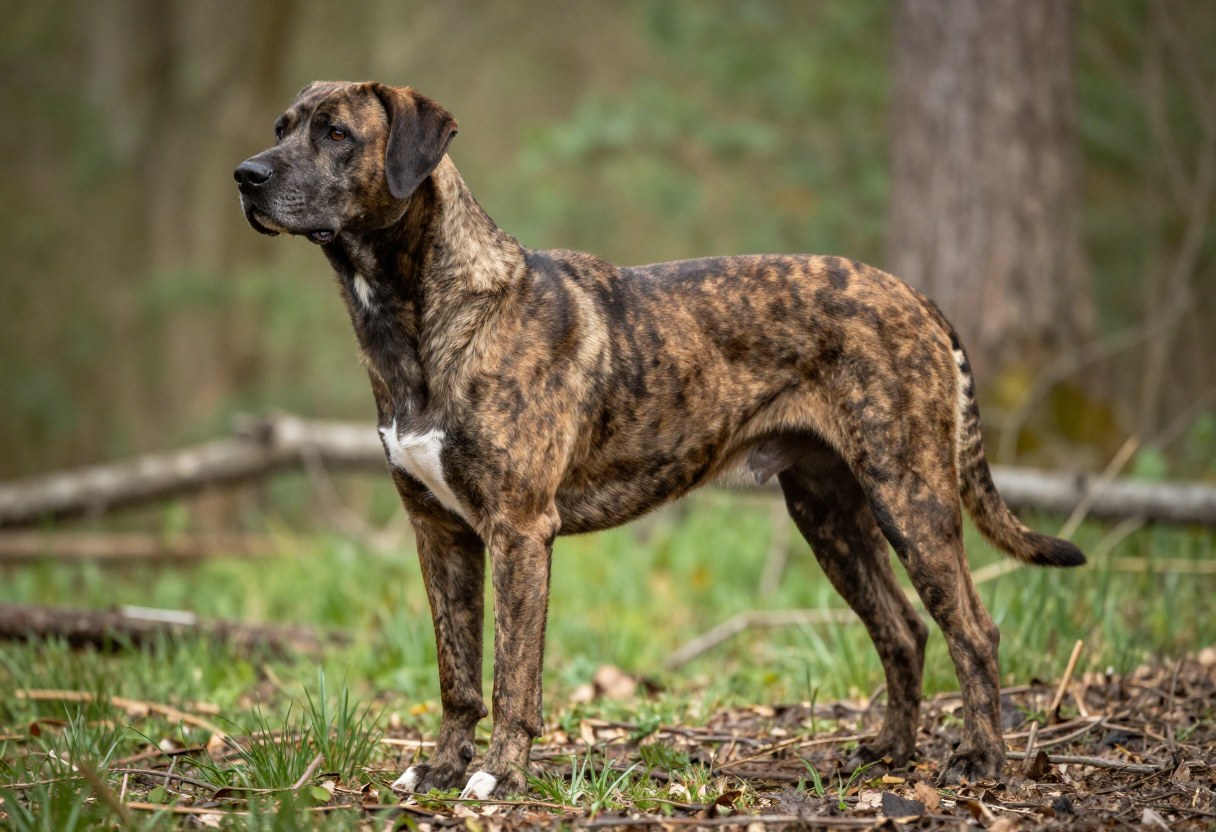
A tough, brindle-coated hound from North Carolina, bred to trail and bay bear and wild boar and the state dog of North Carolina.
- Type
- Hounds
- Hunts
- Raccoon, bear & cat
- Weight
- 40 to 60 pounds
- Height
- 20 to 25 inches at the shoulder
- Lifespan
- 12 to 14 years
- Coat
- Short, smooth brindle coat in shades of brown, black, and tan
- Energy
- High energy
- Cold and water
- Good. Hardy and tough in rough country.
What it is best at
- Trailing and baying bear, wild boar, and mountain lion.
- Rough, hilly country where grit and courage are needed.
- Hunters who need a tough, loyal dog.
Temperament
- Brave, loyal, and determined.
- Affectionate with family and wary of strangers.
- High drive and can be bossy with other dogs.
Things to know before you get one
- Needs lots of exercise and a job.
- Not for first-time owners or small spaces.
- Can be dog-aggressive if not socialized.
Training and exercise
Start socialization early and use consistent, firm, fair handling. Plotts are smart and eager, and they respond to experience in the woods. A strong recall and a calm demeanor around people and other dogs take real work.
Common health concerns
- Generally robust, with a long lifespan for a hound.
- Hip dysplasia and bloat.
- Ear infections.
Ask breeders for health testing records, and talk to a veterinarian about screening, vaccines, and tick and heartworm prevention.
Often compared with
- Bluetick Coonhound: blue-ticked rather than brindle, used mostly for raccoon.
- Mountain Cur: a different type of dog, used for treeing and catch work, with some brindle lines.
Field notes
The Plott descends from hounds brought to North Carolina by the Plott family in the 1700s. Many are still used for hunting bear and boar in the mountains.
Related guides
This is a general breed profile, not veterinary or training advice. Dogs vary individually, so meet the parents and talk to experienced owners before you choose. Rules about hunting with dogs, releasing dogs on public land, and dog training seasons differ by state; our state resources directory links to each state's official regulations.