Predator and Hog Hunting Basics
Calling techniques, night hunting considerations, and gear differences for coyote and wild hog hunting — both genuinely different pursuits from typical deer season.
Published September 5, 2026
How to Use This Guide
Coyote hunting and wild hog hunting share enough in common — pest/population-control framing, frequently unprotected status, common use of calling and night hunting — that they're covered together here, even though they're different animals with different techniques in the details. Both are meaningfully different from typical deer or elk hunting: many states have no closed season or bag limit on coyotes or feral hogs at all, treating both as pest management rather than traditional regulated game. That doesn't mean no rules apply — see Section 7 before you assume anything based on a general rule of thumb.
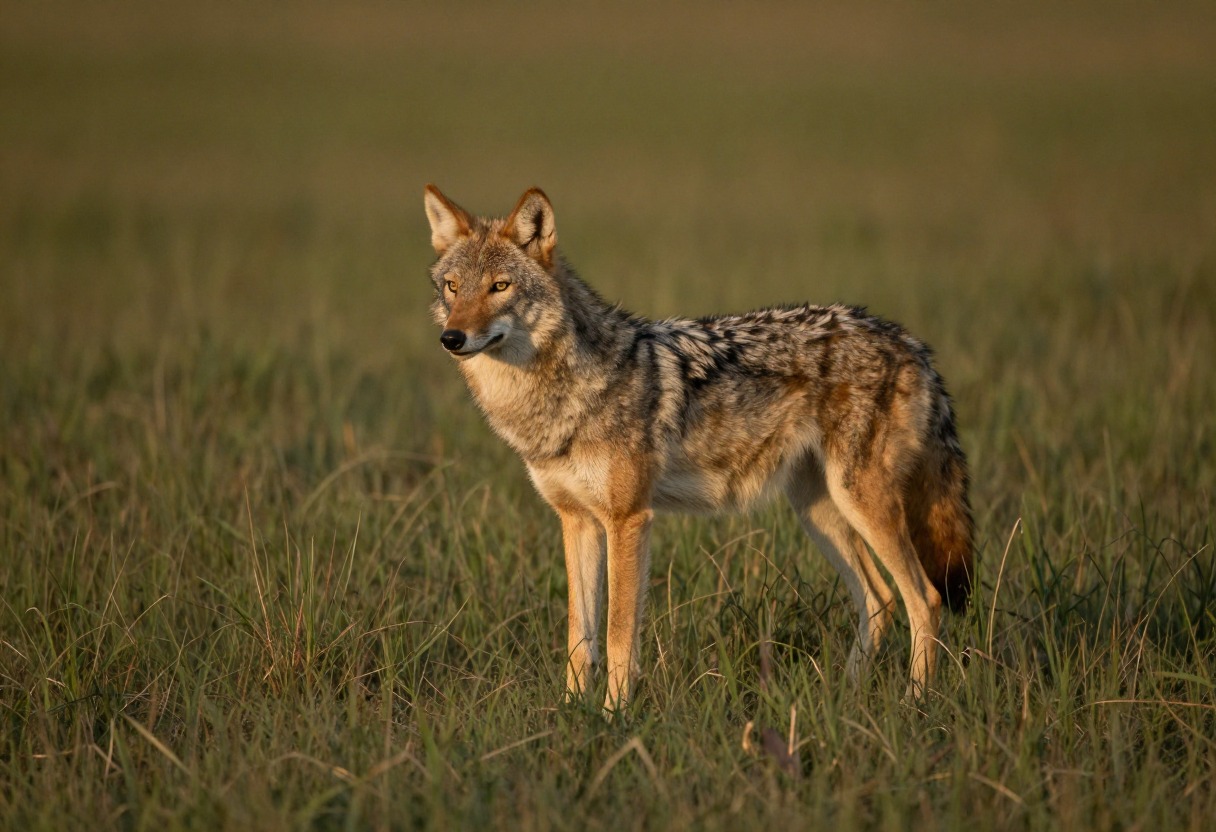
1. Why These Are Different From Deer or Elk Hunting
- Often no closed season, no bag limit. Many states classify coyotes and feral hogs outside the traditional regulated-game framework specifically because both cause real agricultural and ecological damage.
- Landowner permission and requests drive a lot of this hunting. A significant share of predator and hog hunting happens specifically because a landowner wants population control on their property — building that relationship matters as much as the hunting technique itself.
- Night hunting is commonly legal for both species in many states, unlike traditional big game — see Section 5 for what that actually changes about how you hunt.
- Wild hogs are a genuinely invasive species across much of their range, with no natural predators in many areas and a well-documented capacity for serious crop and land damage — hunting pressure is broadly encouraged rather than restricted in hog-heavy regions.
2. Coyote Hunting: Calling Techniques
- Electronic callers play recorded distress sounds (a wounded rabbit or fawn distress call is the classic, reliable choice) and let you control volume and sequence remotely, keeping your hands free and your movement minimal.
- Mouth calls are cheaper and don't require batteries, but take real practice to sound convincing rather than obviously artificial.
- Set up near natural travel corridors or field edges at dawn, dusk, or at night where legal — coyotes are most active during these lower-light windows.
- Call in sequences, not constantly — a realistic distress pattern includes pauses, not nonstop noise; overcalling is a common beginner mistake that can make a call sound unnatural.
- Wind and scent control still matter here just as much as deer hunting — see our scent control and wind strategy guide for the fundamentals, which apply directly to predator calling.
- Patience matters — a coyote may approach cautiously and take time to commit; resist the urge to move or call again too soon after a call sequence.

3. Wild Hog Hunting: What's Different
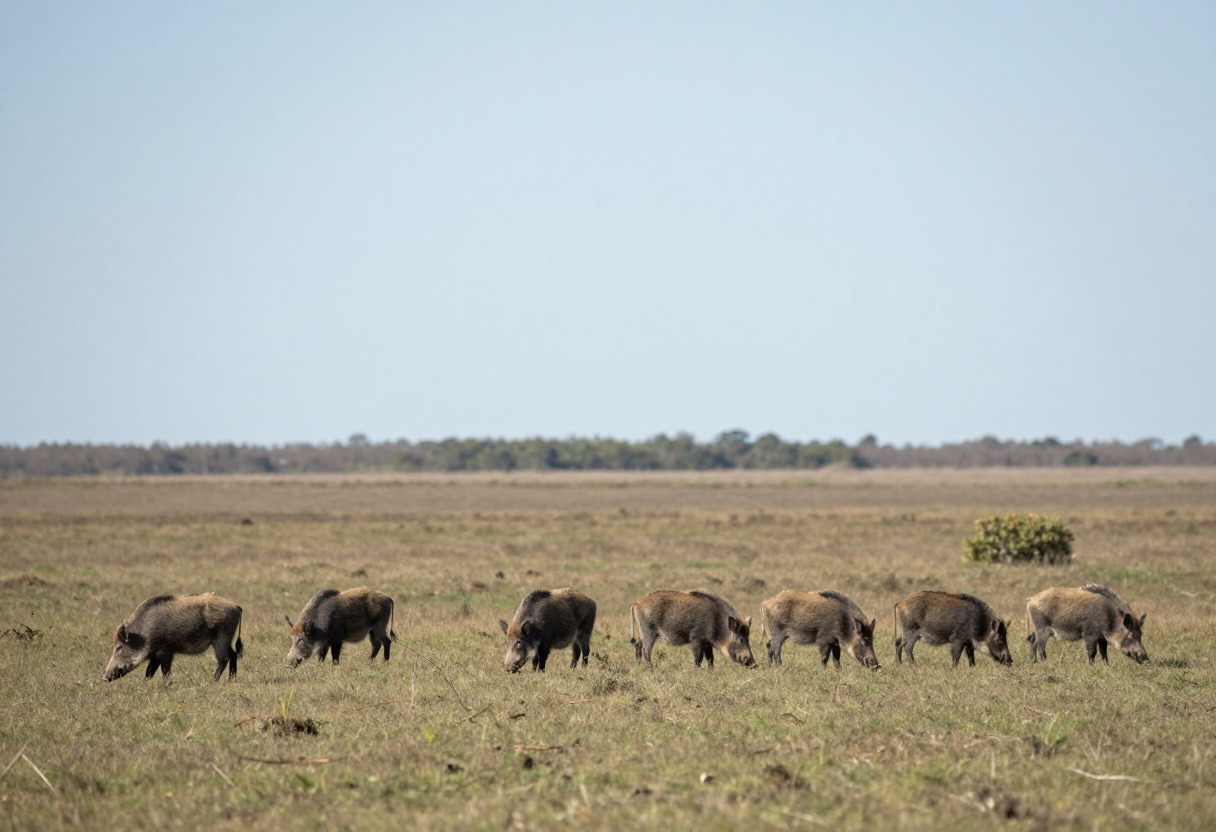
- Hogs are largely nocturnal where hunting pressure is significant, having adapted their activity patterns to avoid daytime human presence — this is the main reason thermal and night vision gear are so strongly associated with hog hunting specifically.
- Group and spotlighting hunts are common in states where night hunting is legal, often organized specifically at a landowner's invitation to address property damage.
- Baiting rules vary enormously by state — some states allow baiting hogs freely, others restrict or ban it entirely, and a few treat it differently than baiting deer on the same property. Check current rules before setting anything out.
- Dog hunting (bay dogs and catch dogs) is a distinct, traditional method in parts of the country, requiring its own specialized training and equipment — a genuinely separate skill set from rifle hunting, not something this guide attempts to cover.
4. Night Hunting Considerations
- Legality varies significantly by state and by species — some states allow coyote and hog night hunting broadly, others require a specific permit, restrict light color (red or green lights are common requirements to reduce impact on other wildlife), or prohibit it outright for one species while allowing it for the other.
- Target identification becomes significantly harder in low light, even with quality optics — never take a shot based on eyeshine or a vague silhouette alone; full, positive identification of the animal and a safe backstop matter even more at night than in daylight.
- Thermal and night vision devices vary widely in price and capability — see Section 6 for how to think about this investment.
5. Gear Differences From Big-Game Hunting
- Semi-automatic rifles are a genuinely popular choice for both coyote and hog hunting specifically because follow-up shots matter more than in typical deer hunting — see our first hunting rifle guide for the tradeoffs between action types, and its caliber table for common coyote/hog-appropriate chamberings.
- Thermal and night vision optics are a serious investment but are close to essential for serious night hog hunting specifically — our hunting optics guide covers binoculars, rangefinders, and riflescopes generally, though dedicated thermal units are a specialized category worth researching separately given the price range involved.
- Suppressors are increasingly popular for predator hunting specifically to avoid spooking additional animals after a first shot when multiple coyotes or hogs are in the area — legal in most states for hunting use, but subject to federal NFA registration and tax stamp requirements; research this thoroughly before purchasing one.
- Decoys (small predator-shaped or prey-shaped decoys) add visual realism to a calling setup, giving an approaching animal something to focus on besides you.
6. Safety Considerations Specific to Night and Group Hunting
- Positive target identification is non-negotiable, especially at night — our hunting safety and firearm handling guide covers the fundamentals, and they apply with extra weight here given reduced visibility.
- Know every group member's exact position at all times during a night or group hunt — the safety margin for a misidentified shot direction shrinks considerably in the dark.
- Establish clear communication protocols before the hunt starts — who calls the shot, how the group signals movement, and what happens if an animal approaches from an unexpected direction.
7. Regulations Vary Enormously — Check Before You Assume Anything
This is genuinely one of the most state-specific areas of hunting regulation. Some states classify coyotes as furbearers requiring a license and observing a season; others have no protection at all. Hog regulations range from a fully open season with no limit to required harvest reporting, and night hunting permissions for either species can differ meaningfully from the rules for standard big game. Check your state's resources page for your specific state wildlife agency's current rules before hunting either species — never assume a general "no rules apply" reputation holds everywhere.
8. Common Mistakes
- Assuming no closed season means no rules at all — license requirements, night hunting permits, and light-color restrictions often still apply even where there's no bag limit.
- Overcalling during a predator setup, making the sequence sound unnatural and alerting a cautious animal.
- Taking a shot on eyeshine or a vague shape at night without full positive identification of the animal and a safe backstop.
- Setting bait without checking current state rules, which vary significantly and can carry real penalties.
- Underestimating the cost of quality thermal optics, then buying an underpowered unit that struggles at realistic hunting distances.
- Not securing landowner permission explicitly, even in areas where hog or coyote hunting seems informally welcomed.
9. Budget Overview
| Item | Typical Range (USD) |
|---|---|
| Electronic predator caller | $80-$300 |
| Predator/prey decoy | $30-$80 |
| Entry-level thermal monocular/scope | $1,500-$3,000+ |
| Suppressor (plus NFA tax stamp) | $400-$1,200 + $200 tax stamp |
| Semi-automatic predator/hog rifle | $600-$1,500 |
Quick Decision Checklist
- I've checked my state's current coyote and/or hog regulations, including licensing, season, and bag limits where they apply
- I know whether night hunting is legal for my target species in my state, and any light-color or permit requirements
- I have explicit landowner permission if hunting private land
- I've checked current baiting rules for my state before setting anything out
- I have a plan for positive target identification, especially if hunting at night
- If hunting in a group, everyone knows the communication plan and each other's positions
Glossary
- Furbearer: A wildlife classification (which includes coyotes in some states) that carries its own specific licensing and season rules, distinct from unprotected pest status in other states.
- Distress Call: A recorded or mouth-made sound imitating an injured prey animal, used to draw in predators like coyotes.
- Thermal Optic: A device that detects heat signatures rather than visible light, allowing target detection in complete darkness — distinct from night vision, which amplifies available light.
- Bay Dog / Catch Dog: Dogs specifically trained for hog hunting — bay dogs locate and hold a hog at a distance, catch dogs physically restrain it — a specialized traditional method with its own training requirements.
This guide covers general principles for predator and hog hunting. Season status, bag limits, night hunting permissions, baiting rules, and licensing requirements for coyotes and wild hogs vary enormously by state and change over time — always confirm current, specific requirements for your state before hunting either species.