
Chesapeake Bay Retriever
Also called: Chessie, Chesapeake
A tough, independent retriever bred for icy Chesapeake Bay duck hunting, with an oily, wavy coat and the stamina for the worst weather.
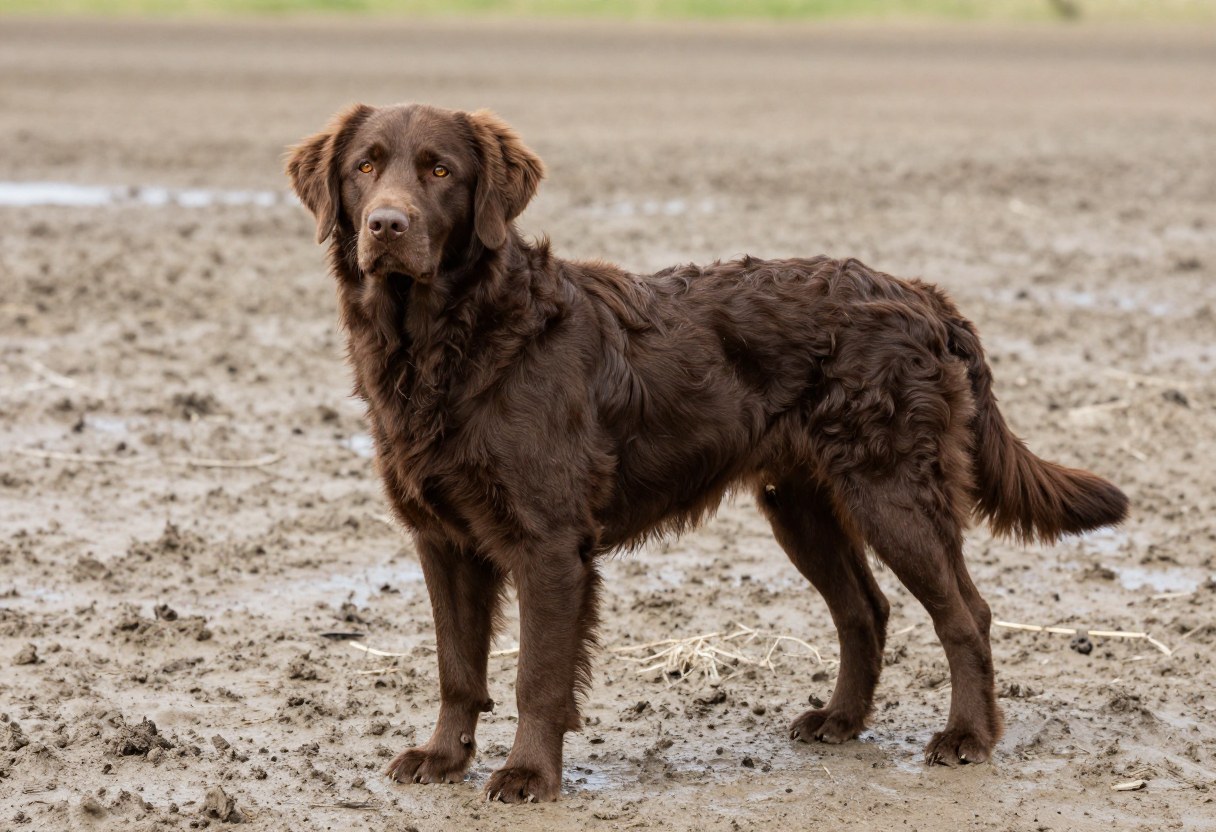
- Type
- Retrievers
- Hunts
- Waterfowl
- Weight
- 55 to 80 pounds
- Height
- 21 to 26 inches at the shoulder
- Lifespan
- 10 to 13 years
- Coat
- Short, thick, oily, slightly wavy double coat in brown, sedge, or deadgrass shades
- Energy
- High energy
- Cold and water
- Excellent. The oily coat sheds water and handles ice.
What it is best at
- Retrieving ducks and geese in cold, rough, or icy water.
- Long days in a blind, since the breed is tough and determined.
- A watchful dog that also guards the home.
Temperament
- Strong-willed, loyal, and independent.
- Protective of family and wary of strangers.
- Can be stubborn, and needs a firm, fair, experienced handler.
Things to know before you get one
- Not the easiest breed for first-time dog owners.
- Can be dominant with other dogs if not socialized.
- The oily coat has a distinct smell when wet.
Training and exercise
Start early and stay consistent. Chesapeakes are smart and test limits, so clear rules and calm, firm handling work better than harsh correction. Socialize them thoroughly as puppies, and give them plenty of retrieving work.
Common health concerns
- Hip and elbow dysplasia, which breeders screen for.
- Progressive retinal atrophy and degenerative myelopathy, which have genetic tests.
- Skin problems and bloat in some lines.
Ask breeders for health testing records, and talk to a veterinarian about screening, vaccines, and tick and heartworm prevention.
Often compared with
- Labrador Retriever: friendlier and easier to train, but less suited to the worst cold-water conditions.
Field notes
The Chesapeake's coat color is meant to blend with the marsh, with shades from sedge to deadgrass. The breed is a specialist for hunters who regularly face cold water and rough conditions.
Related guides
This is a general breed profile, not veterinary or training advice. Dogs vary individually, so meet the parents and talk to experienced owners before you choose. Rules about hunting with dogs, releasing dogs on public land, and dog training seasons differ by state; our state resources directory links to each state's official regulations.