
Duck and Waterfowl Hunting Basics
Decoys, calls, blinds, and the gear that separates a slow morning from a full strap of ducks.
Published August 19, 2026
Why Waterfowl Hunting Rewards Setup More Than Any Other Factor
More than most hunting types, a duck hunt's success is largely decided before a single shot is fired — decoy spread realism, concealment quality, and reading how birds are actually working the area often matter more than shooting skill on any given morning. A skilled shot with a poor setup will consistently be outperformed by a modest shot with a well-read, well-concealed setup that brings birds genuinely close and committed. This guide covers the core fundamentals — legal groundwork, decoys, calling, blinds, and shot opportunities — that separate a slow, frustrating morning from a genuinely productive one.
1. Legal Groundwork Specific to Waterfowl
Waterfowl hunting carries additional federal requirements beyond standard state hunting license/tag requirements, covered in more depth in a dedicated licensing guide, but worth summarizing here:
- Federal Duck Stamp, required in addition to your state license and any state waterfowl permit, with proceeds funding wetland conservation.
- HIP (Harvest Information Program) certification, a free, quick registration required nationally for migratory bird hunting, used for harvest survey data.
- Non-toxic shot is required for waterfowl hunting in the US — lead shot is prohibited specifically for migratory waterfowl due to lead poisoning risk to birds, and steel or other approved non-toxic shot types must be used.
- Season dates, zones, and bag limits for waterfowl are often set separately from general hunting seasons and can vary by specific flyway and zone within a state — check current, specific regulations rather than assuming general hunting season dates apply.
Don't Skip This: Non-toxic shot isn't optional guidance — it's a federal requirement for migratory waterfowl hunting, and using lead shot is both illegal and environmentally harmful. Confirm your specific ammunition is approved non-toxic shot before hunting waterfowl, not just "the shells I already had."
2. Decoy Spreads: Realism Over Quantity
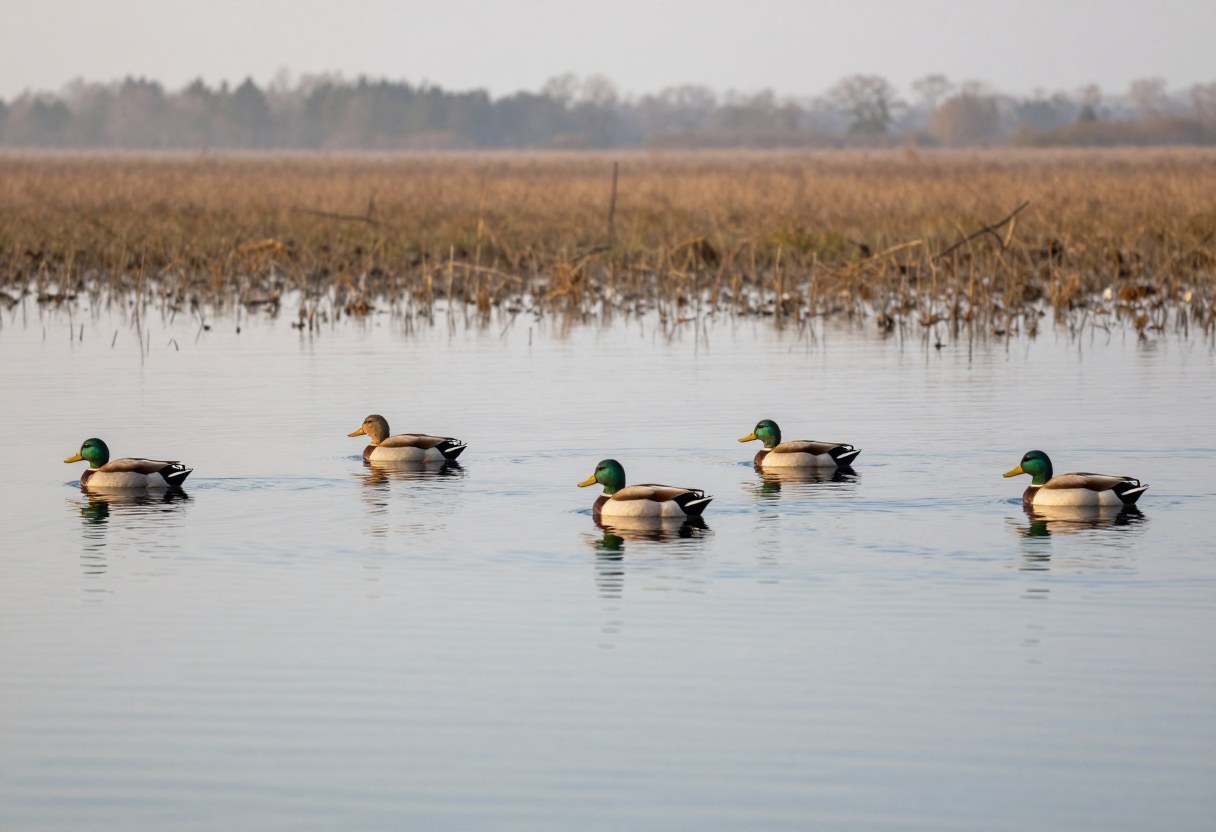
- Decoy realism (species-appropriate, reasonable condition, natural coloring) matters more than raw decoy count — a smaller spread of realistic, well-placed decoys often outperforms a large spread of mismatched or worn decoys.
- Species-matching your decoys to the birds actually using the area improves realism — a spread that doesn't match locally present species can look subtly wrong to incoming birds in a way that's hard for a hunter to notice but birds readily detect.
- Spread shape should create a natural landing zone, typically leaving an open pocket of water or ground within shooting range where incoming birds are encouraged to commit and land, rather than a solid block of decoys with no natural approach.
- Wind direction determines spread orientation — waterfowl typically land into the wind, so the open landing pocket in your spread should generally be positioned so birds approach it against the wind, which also puts them approaching your position from a predictable direction.
- Motion decoys (spinning-wing decoys, jerk-rig systems creating ripples) can add realism and visibility from a distance, though effectiveness and legality vary by region/season and sometimes by specific hunt type — check current local regulations, since some areas restrict motion decoy use during parts of the season.
3. Calling: A Skill Worth Real Practice
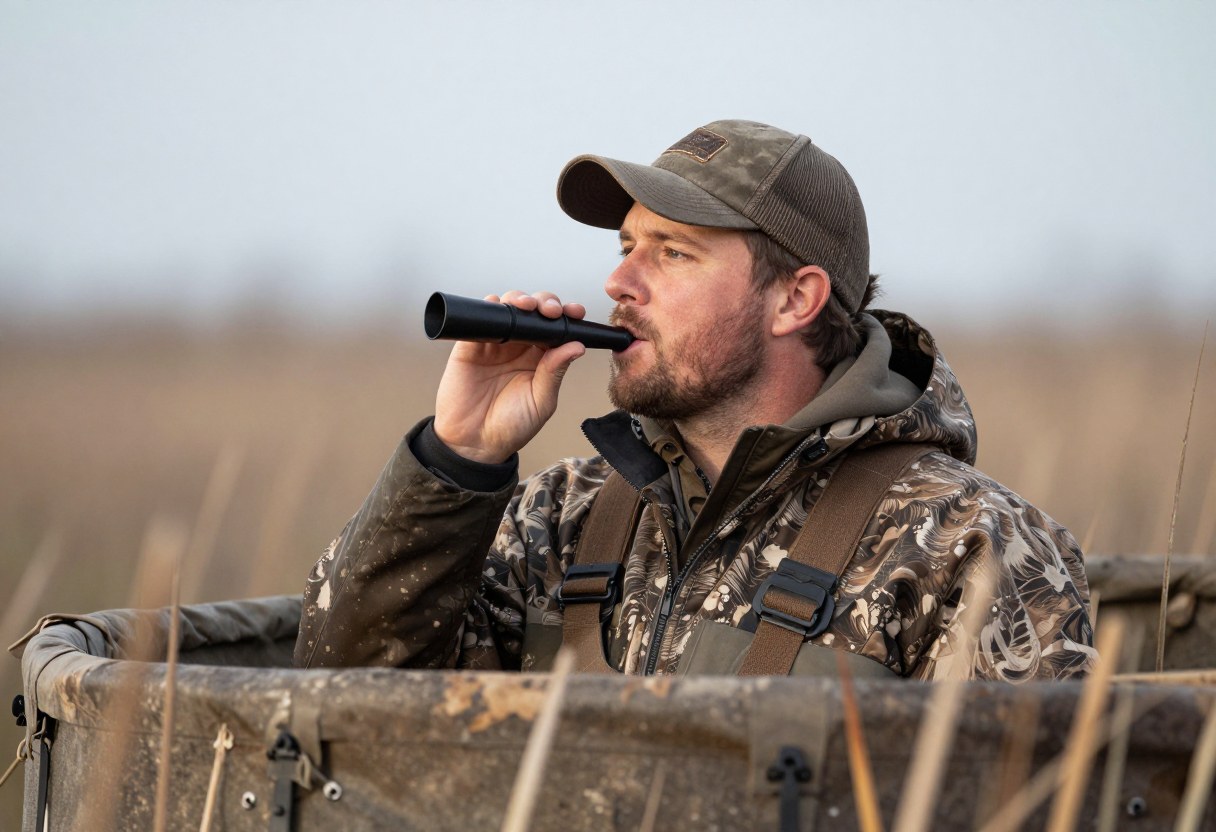
- A basic duck call repertoire (hail calls to get distant birds' attention, feeding chuckles, and a comeback call for birds that are drifting away) covers most beginner calling needs — mastering a small set of calls well outperforms attempting a large, poorly executed repertoire.
- Overcalling is a common and consequential beginner mistake — calling loudly and continuously, especially once birds are already committed and working toward the spread, can spook wary or educated birds that would have otherwise finished the approach.
- Read the birds' response and adjust. If birds respond well to calling and continue approaching, moderate, well-timed calling can help. If birds flare or seem hesitant, reducing calling (or stopping entirely) is often the better choice.
- Practice calling extensively before season, ideally with instructional resources or an experienced mentor — a call in the hands of an inexperienced user can do more harm than good by sounding unnatural to birds that have heard genuine waterfowl calls their whole lives.
4. Blinds and Concealment
- Waterfowl have excellent eyesight and are highly sensitive to movement and silhouette, making concealment quality a major factor in how close and confidently birds will approach.
- Layout blinds (low-profile blinds you lie down in, often used in fields) and boat blinds/permanent blinds (used on water) serve different hunting styles — match blind type to your specific hunting location and method.
- Natural vegetation blending (brushing a blind with local natural material, not just using a blind's built-in camo pattern) meaningfully improves concealment quality relative to the specific setting you're hunting in.
- Face and hand concealment (face paint or a mask, gloves) matters as much for waterfowl as for other wary game, since exposed skin can catch a bird's attention even with good body concealment otherwise.
- Minimize movement as birds approach — much like turkey hunting, movement is often what alerts and flares birds that were otherwise committing to the spread, more so than sound in many cases.
5. Reading Waterfowl Behavior
- "Working" birds (circling, dropping altitude, showing clear interest in your spread) are giving you real-time feedback about your setup's effectiveness — watching how birds respond, rather than just waiting passively, helps you learn what's working.
- Birds "flaring" (suddenly breaking off an approach, often gaining altitude and changing direction) usually indicates something in the setup spooked them — could be movement, an unnatural decoy spread element, poor concealment, or overcalling; noticing patterns in when flaring happens helps diagnose the cause over time.
- Weather affects bird activity meaningfully — overcast, windy, or changing weather conditions often produce more waterfowl movement and activity than calm, clear, stable weather, which is genuinely useful to factor into which mornings to prioritize hunting.
6. Shot Timing and Selection
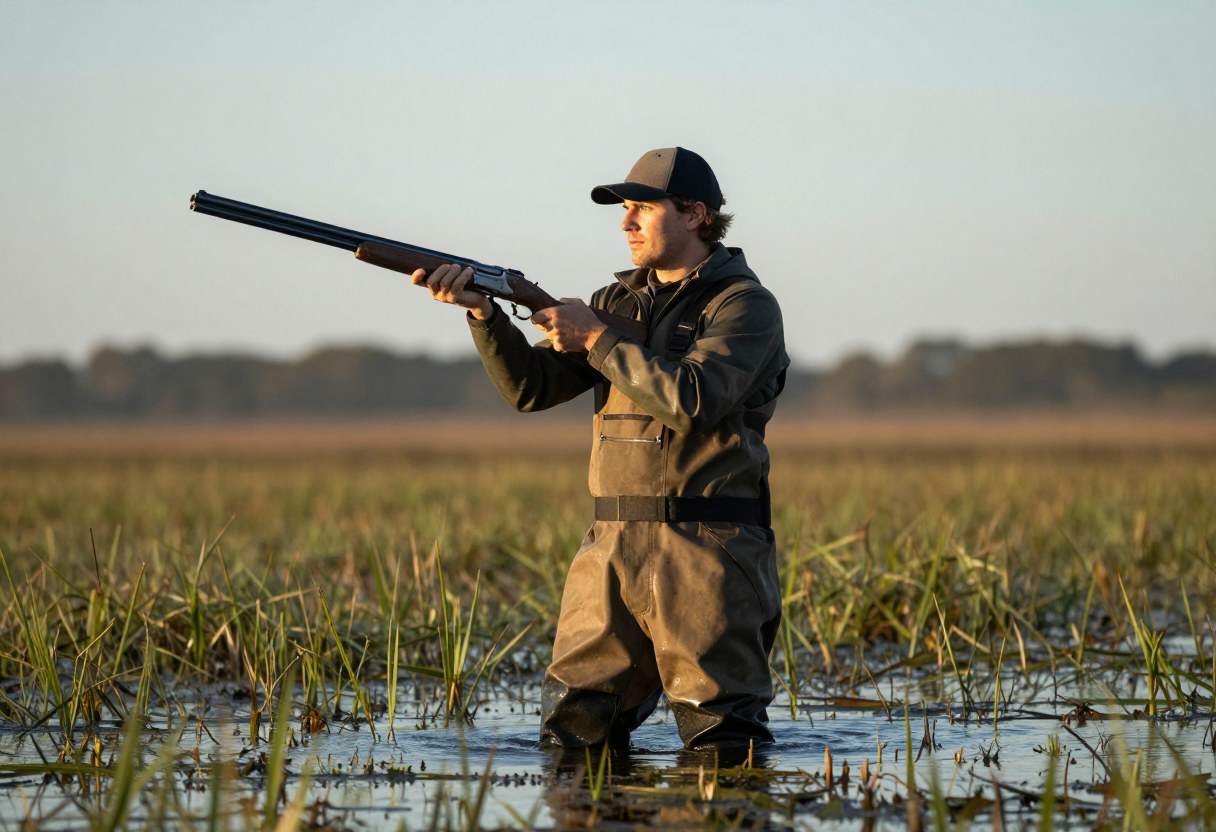
- Wait for birds to be within realistic effective range and a clear, committed shot angle rather than shooting at the first opportunity as birds enter loose range — a patient, well-timed shot on a fully committed bird is both more ethical and more likely to be effective than a rushed, longer shot.
- Positive species and legal target identification matters for waterfowl just as for other hunting — some species have different bag limits or protected status, and misidentification under quick decision-making pressure is a real risk worth deliberately guarding against.
- Coordinate shot timing with hunting partners if hunting in a group, avoiding a chaotic, uncoordinated volley that can result in poor shot placement and unnecessarily flaring the rest of a working flock before everyone has a fair, controlled opportunity.
7. Core Gear Beyond Decoys and Calls
- Non-toxic shotgun ammunition appropriate to your target species and shooting distance, patterned with your specific gun beforehand.
- Waders, appropriate to water depth and temperature, for water-based waterfowl hunting.
- A retrieval plan — a trained retrieving dog is the traditional and highly effective option for water retrieval, though hand retrieval or other methods are used where a dog isn't available; plan retrieval before the hunt, not as an afterthought after a bird is down.
- Weather-appropriate clothing, since much waterfowl hunting happens in cold, wet, early-morning conditions where proper layering (see a dedicated cold-weather layering guide) matters significantly for both comfort and safety.
8. Common Beginner Waterfowl Hunting Mistakes
- Overcalling, especially once birds are already committed and approaching, risking flaring birds that would have finished the approach with less or no additional calling.
- Using a mismatched or worn decoy spread, prioritizing quantity over realism and species-appropriate selection.
- Poor concealment, especially exposed faces/hands or excessive movement as birds approach.
- Shooting too early, before birds are genuinely committed and in range, reducing both shot effectiveness and ethical shot placement.
- Not checking current non-toxic shot compliance, risking both a legal violation and real environmental harm.
- Ignoring wind direction when setting up the decoy spread and blind position, missing the natural landing approach birds are likely to take.
Quick Decision Checklist
- I have current federal Duck Stamp, HIP certification, and my state's specific waterfowl license/permits
- I'm using approved non-toxic shot, confirmed for my specific ammunition
- My decoy spread is realistic and species-appropriate, oriented for birds to approach into the wind toward a natural landing pocket
- I have a basic, practiced calling repertoire and a plan to reduce calling if birds show hesitation
- My blind/concealment is genuinely adapted to the specific setting, including face/hand concealment
- I have a clear, coordinated plan for shot timing (with hunting partners if applicable) and bird retrieval
Glossary
- Federal Duck Stamp: A federally required stamp for waterfowl hunting in the US, with proceeds funding wetland conservation.
- HIP Certification: Harvest Information Program registration, required nationally for migratory bird hunting, used for harvest survey data.
- Non-Toxic Shot: Shotgun ammunition (commonly steel) approved for waterfowl hunting in place of lead shot, which is federally prohibited for migratory waterfowl due to lead poisoning risk.
- Working Birds: Waterfowl showing active interest in a decoy spread — circling, dropping altitude — providing real-time feedback on setup effectiveness.
- Flaring: Waterfowl suddenly breaking off an approach, typically indicating something in the setup (movement, poor concealment, overcalling) spooked them.
Final Takeaway
Waterfowl hunting success comes down mostly to setup quality — a realistic, well-oriented decoy spread, genuine concealment including movement discipline, and calling used with restraint and responsiveness to how birds are actually behaving. Combine that setup discipline with patient, well-timed, properly identified shots, and consistent compliance with waterfowl-specific legal requirements (non-toxic shot, federal stamps, HIP certification), and the fundamentals covered here will meaningfully improve results over a rushed or under-prepared approach.
Waterfowl regulations, including season dates, bag limits, and zone boundaries, are set annually and vary by flyway and state — always confirm current federal and state-specific requirements before hunting.