
Brittany
Also called: Brittany Spaniel
A compact, close-working pointing dog with a big nose and a big heart, popular with foot hunters for grouse, woodcock, and quail.
- Type
- Pointing Breeds
- Hunts
- Upland birds
- Weight
- 30 to 40 pounds
- Height
- 17.5 to 20.5 inches at the shoulder
- Lifespan
- 12 to 14 years
- Coat
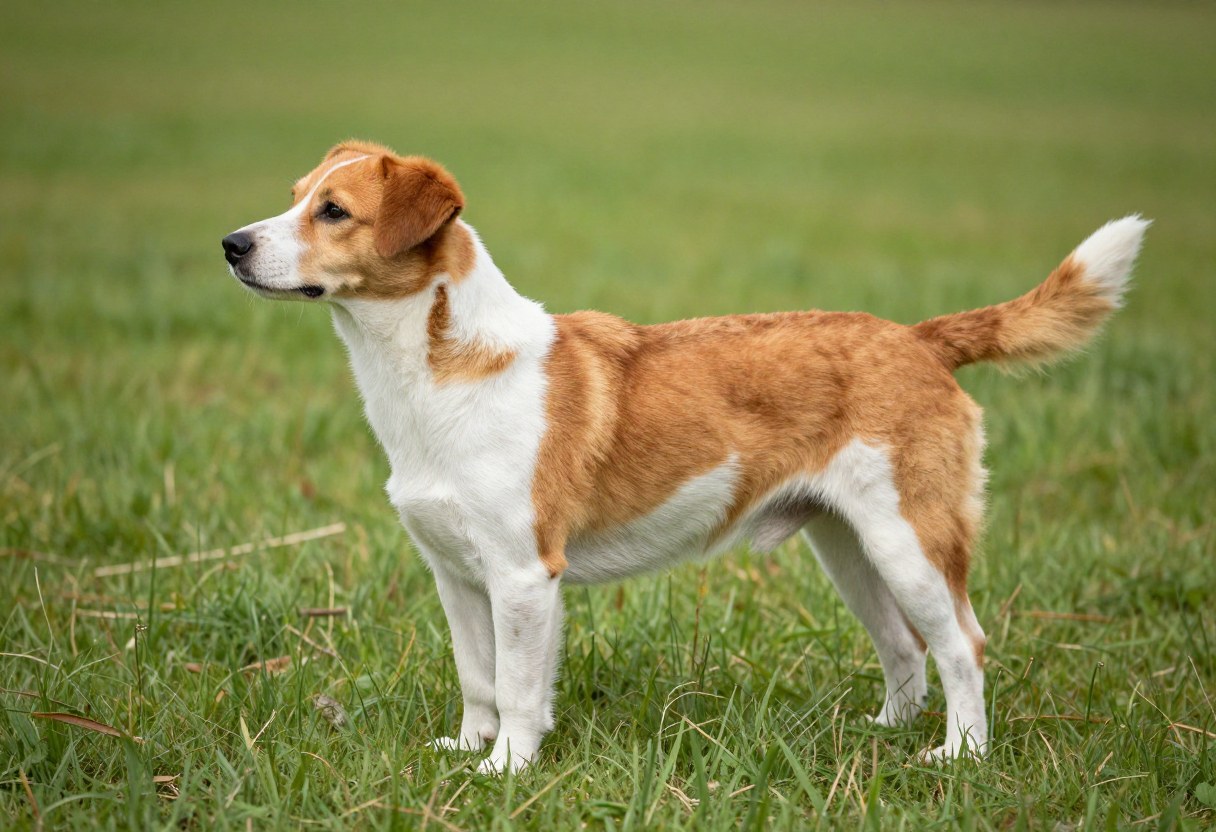
- Medium-length, dense coat, flat or wavy, in orange and white or liver and white
- Energy
- Very high energy
- Cold and water
- Fair. The medium coat helps, but the dog is small and tires in cold water.
What it is best at
- Pointing grouse, woodcock, and quail in thick cover.
- Hunters who walk, since the breed tends to hunt close.
- A medium-sized dog that fits in a car and a home.
Temperament
- Energetic, eager, and affectionate.
- Sensitive, and does better with gentle handling than harsh correction.
- Does not like being left alone.
Things to know before you get one
- Needs a lot of exercise every day.
- Can be sensitive and anxious.
- Often a so-so retriever and may need extra work.
Training and exercise
Brittanys are smart and eager but sensitive. Use positive, patient training and plenty of bird contact. Early obedience, steadiness on point, and a recall you can trust are the keys, and many do best when their energy goes into structured work.
Common health concerns
- Hip dysplasia, which breeders screen for.
- Epilepsy and hypothyroidism.
- Ear infections and, in some lines, eye problems.
Ask breeders for health testing records, and talk to a veterinarian about screening, vaccines, and tick and heartworm prevention.
Often compared with
- English Springer Spaniel: a flushing spaniel, not a pointing dog, with a different hunting style.
- English Setter: larger and longer-coated, with a similar pointing style.
Field notes
Brittanys were once called spaniels but point their game like a setter. They are known for stamina, a good nose, and a tail that is naturally short or docked. The AI image on this page shows a longer tail than the breed normally has.
Related guides
This is a general breed profile, not veterinary or training advice. Dogs vary individually, so meet the parents and talk to experienced owners before you choose. Rules about hunting with dogs, releasing dogs on public land, and dog training seasons differ by state; our state resources directory links to each state's official regulations.