
Bobcat
Lynx rufus
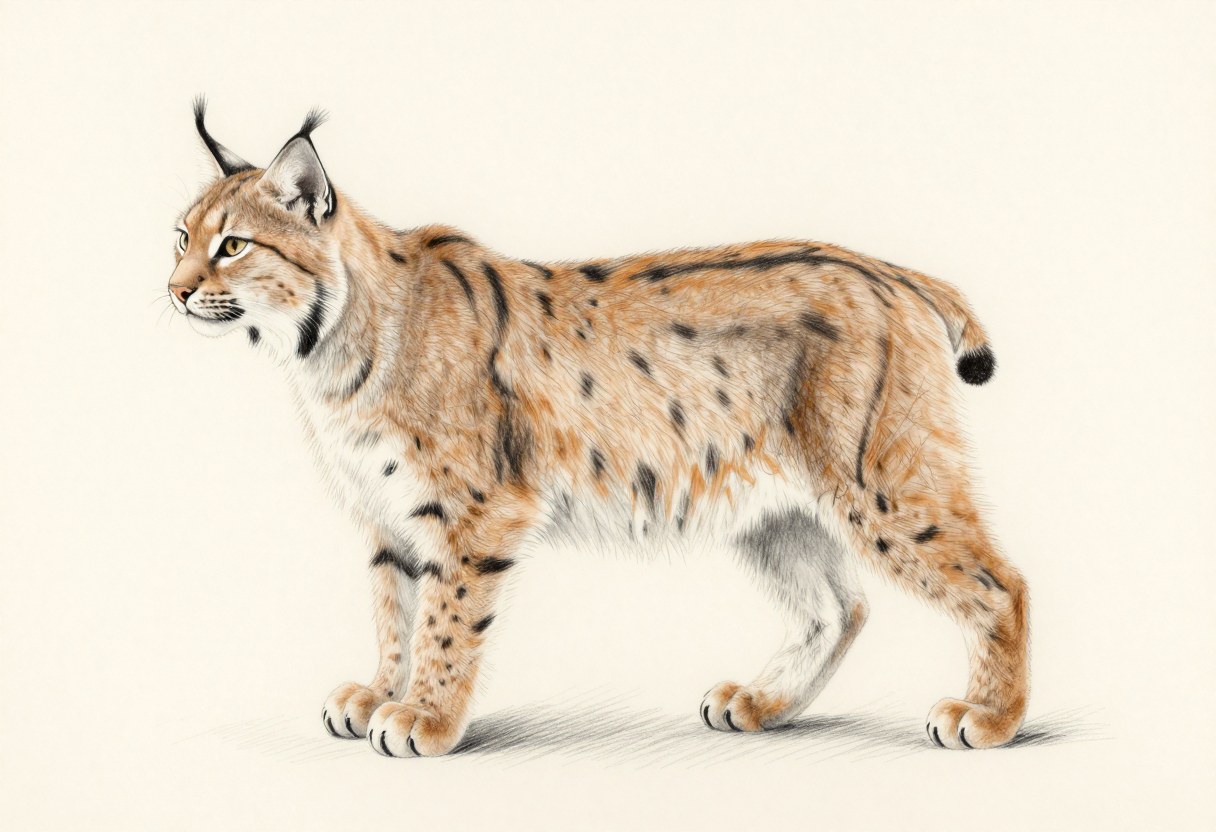
A secretive, spotted wild cat with a short tail and tufted ears, found across most of the country.
- Type
- Predators & Hogs
- Habitat
- Forests, Brush & desert, Mountains, Wetlands
- Typical size
- About 15–35 lb
- Range
- Nearly every state in the lower 48
- Seasons
- Regulated furbearer seasons in many states, usually in fall and winter, with limits and tag or pelt-reporting rules in some places
How to identify it
- A short, stubby tail with a black tip on top and white underneath.
- Tufted ears and a ruff of fur around the face.
- A tan to reddish coat with dark spots, especially on the legs and belly.
- A small, compact cat, much smaller than a mountain lion.
Tracks and sign
- Tracks are round, show four toes and no claw marks, and are about 2 inches across.
- Scat is segmented and often buried or left on a prominent spot.
- Beds in thickets or under ledges.
Often confused with
- Canada lynx: has longer ear tufts, much larger furry feet, longer legs, and a tail that is black all the way around at the tip. It is protected in the lower 48.
- Mountain lion: much larger, with a long thick tail.
What it eats
- Rabbits and hares
- Rodents and birds
- Occasionally deer fawns
How it's hunted
- Predator calling at dusk and dawn
- Tracking in fresh snow
- Hunting with hounds where legal
- Trapping under furbearer rules
Safety: Bobcats may carry rabies and parasites, so wear gloves when skinning. Canada lynx is protected in the lower 48 and looks similar, so be sure of your target.
Field notes
Bobcats are rarely seen, even where they are common. They hunt at dawn and dusk, move along edges and ridges, and sit still for long periods.
Rules for taking bobcats differ a lot between states, and some require special tags or pelt reporting, so check your regulations.
Related guides
Seasons, tag and license requirements, legal methods, and bag limits vary by state and unit and change every year. Many big-game species require a drawn or purchased tag, and some animals are protected or regulated differently in different places. Check your state's current regulations — our state resources directory links straight to each state's official hunting rules and license portal.