Choosing Hunting Optics: Binoculars, Rangefinders, and Scopes
How to pick the right glass for scouting, ranging, and shooting without overspending.
Published August 19, 2026
Why Optics Are Worth Prioritizing in a Hunting Budget
Good optics affect nearly every part of a hunt — spotting game before it spots you, judging distance accurately enough to make an ethical shot, and actually seeing your target clearly enough through a scope to place that shot well. A hunter with a mediocre rifle and excellent optics often outperforms a hunter with excellent gear and poor optics, since so much of hunting success comes down to seeing and judging distance accurately before a shot is even possible. This guide breaks down the three core optic types most hunters need — binoculars, rangefinders, and riflescopes — and how to prioritize spending across them without overspending on any single piece.
1. Binoculars: Specs That Actually Matter
Magnification and Objective Lens Size
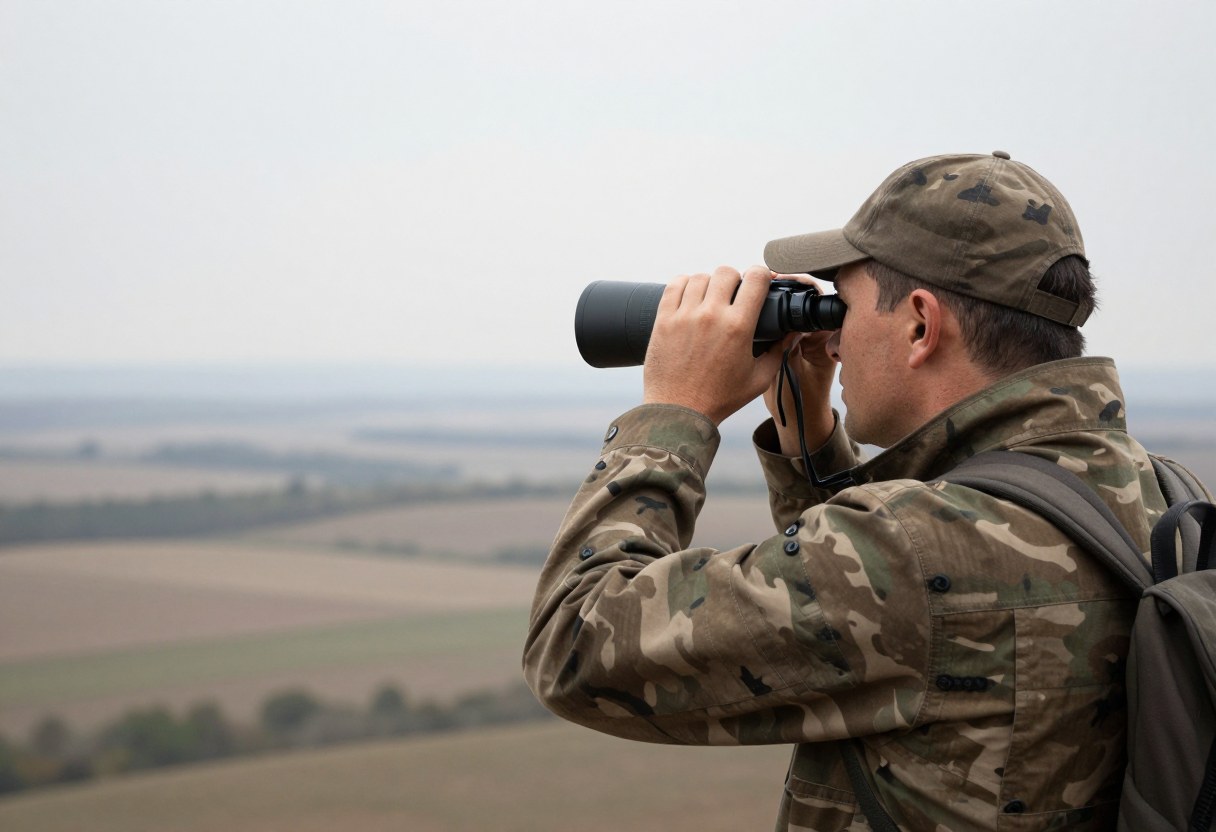
- Binocular specs are written as magnification x objective lens diameter (e.g., 10x42 means 10x magnification, 42mm objective lenses).
- 8x and 10x magnification are the most common, versatile choices for hunting — 8x provides a wider field of view and steadier handheld image, while 10x provides more detail at distance at the cost of a narrower field of view and more noticeable hand shake.
- Larger objective lenses (42mm+) gather more light, improving low-light performance (dawn/dusk, when much hunting activity happens) at the cost of more size and weight.
- A 10x42 or 8x42 configuration is a reasonable, versatile default for most general hunting use, balancing magnification, light-gathering, and portability.
Glass Quality and Coatings
- Lens coatings (fully multi-coated is the standard to look for) meaningfully affect image brightness, clarity, and color accuracy — this is often where the real price difference between budget and premium binoculars actually shows up, more than raw magnification specs.
- ED (extra-low dispersion) glass, found in higher-end binoculars, reduces chromatic aberration (color fringing) and improves overall image sharpness, particularly noticeable at higher magnification or in challenging light.
Field of View
- A wider field of view makes it easier to initially locate and track moving game, which matters more for most hunting scenarios than raw magnification alone — this is a commonly underweighted spec by beginners focused primarily on "how much zoom."
2. Rangefinders: What to Look For
- Maximum ranging distance should exceed your realistic maximum shooting distance by a meaningful margin, since accuracy and reliability often degrade toward a unit's advertised maximum range, especially on smaller or lower-reflectivity targets.
- Angle compensation (accounting for uphill/downhill shot angles, which affect actual bullet drop differently than flat-ground distance) is a valuable feature for hunters in hilly or mountainous terrain, giving a "true horizontal distance" reading more directly useful for shot calculation than raw line-of-sight distance.
- Ranging speed and target acquisition matter more than most beginners initially expect — a rangefinder that takes several seconds to lock onto a moving or partially obscured animal can mean a missed opportunity in real hunting conditions, versus a controlled range session.
- Rangefinding binoculars (combining rangefinding capability into a binocular body) are a genuine option for hunters wanting to reduce the number of separate devices carried, at a real cost premium over separate units.
3. Riflescopes: Core Specs Explained
Magnification Range
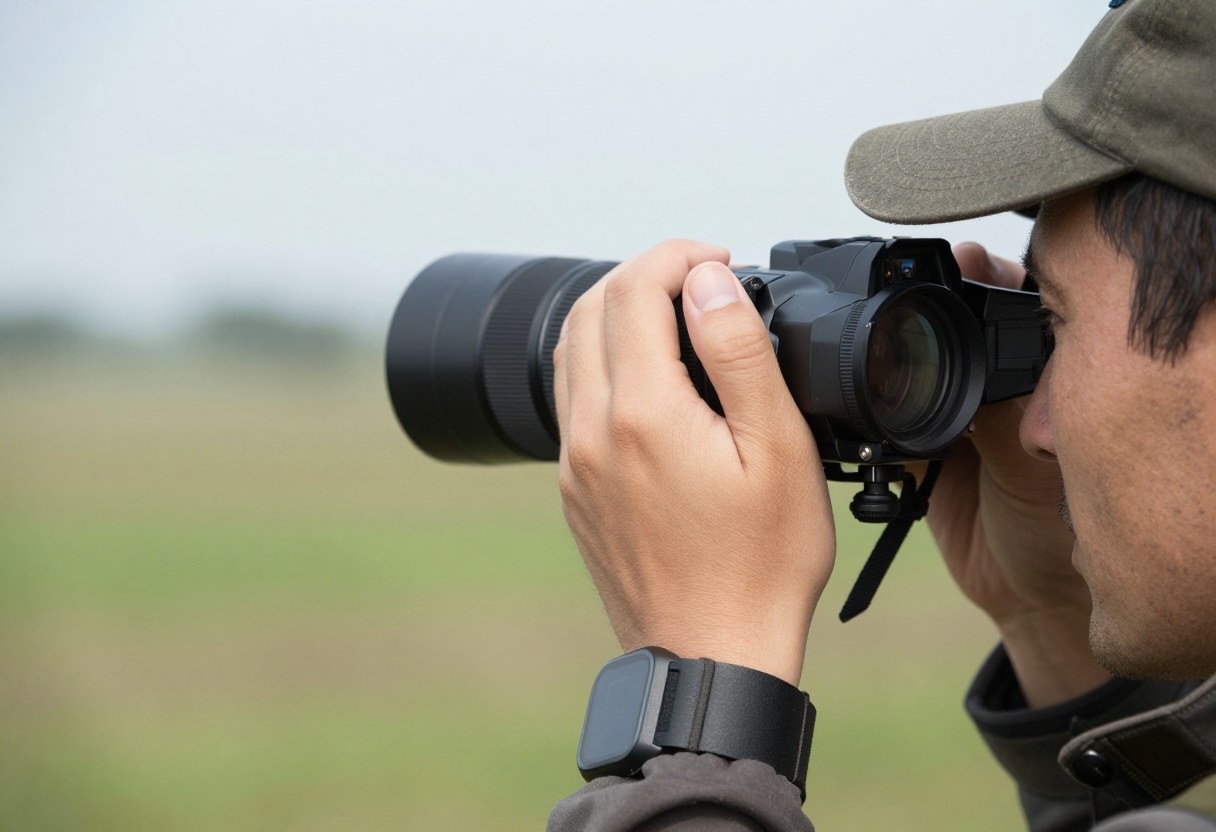
- Variable magnification scopes (e.g., 3-9x40) are the standard modern choice, letting you adjust for different shot distances and hunting scenarios rather than committing to one fixed magnification.
- Lower magnification ranges (2-7x, 3-9x) suit closer-range hunting, dense cover, or fast-moving game where a wide field of view at lower zoom matters more than extreme distance capability.
- Higher magnification ranges (4-16x, 6-24x) suit more open terrain and longer potential shot distances, common in western big game hunting or long-range-focused setups.
Objective Lens Size
- Similar logic to binoculars — a larger objective lens gathers more light for better low-light performance, at the cost of more scope height above the bore (affecting cheek weld) and more weight.
- A 40–44mm objective lens is a reasonable, versatile default for most general big game hunting scenarios without going to unnecessary size/weight extremes.
Reticle Types
- Simple duplex reticles (thick outer post lines narrowing to a fine center crosshair) are the classic, uncomplicated choice — easy to use, minimal learning curve, well suited to most standard hunting distances.
- Bullet-drop compensating (BDC) reticles include additional aiming points calibrated to specific approximate distances, useful for hunters regularly taking longer or variable-distance shots, though they require knowing your specific load's actual trajectory to use accurately.
- Illuminated reticles improve visibility in low light against a dark target or background, valuable for dawn/dusk hunting specifically.
4. Matching Optics to Hunting Style
| Hunting Style | Optics Priority |
|---|---|
| Western open-country big game (spot-and-stalk) | High-quality binoculars prioritized first — you'll spend far more time glassing than shooting |
| Eastern whitetail/stand hunting in timber | Rangefinder and a moderate-magnification scope prioritized — shots are often shorter, closer-range, less glassing-dependent |
| Long-range western hunting | Rangefinder with angle compensation and a higher-magnification scope with a BDC or similar reticle |
| General all-around hunting | A balanced, moderate investment across all three (8x42 or 10x42 binoculars, a general-purpose rangefinder, a 3-9x40 scope) |
For spot-and-stalk hunting specifically, binoculars deserve the largest share of an optics budget — you'll spend the overwhelming majority of a hunt's actual time glassing for game, not looking through a scope, making binocular quality disproportionately important to overall hunting success in that style.
5. Budget Allocation: Prioritizing Spending
- Don't spread an optics budget evenly across binoculars, rangefinder, and scope by default — prioritize based on your specific hunting style using the table above, since a genuinely excellent pair of binoculars often improves your hunting more than a marginal scope upgrade for many hunting styles.
- A quality mid-tier binocular generally outperforms a budget "premium-spec" binocular — reputable mid-tier optics from established brands often provide meaningfully better real-world glass quality than a bargain unit boasting similar magnification numbers on paper.
- Scope reliability matters as much as optical quality — a scope needs to hold zero reliably under recoil and field conditions; this is a genuine differentiator between budget and quality scopes beyond just image clarity.
Don't Skip This: Magnification numbers on a box don't tell you about actual glass quality, light transmission, or durability — these are the areas where genuine price differences in optics show up, and they matter more for real hunting performance than chasing the highest magnification number available within a budget.
6. Care and Maintenance
- Use lens caps and a proper case/harness when optics aren't actively in use, protecting against scratches, dust, and impact damage in the field.
- Clean lenses only with a proper lens cloth and lens-safe cleaning solution, avoiding rougher fabric that can scratch lens coatings over time.
- Check scope mounting and zero periodically, especially after any impact or before season, since a scope that's shifted zero (even slightly) can mean a genuinely missed or wounding shot rather than a clean, ethical one — see our guide to sighting in a rifle for the actual process.
- Store optics in moderate conditions when possible, avoiding extreme heat (like a hot vehicle interior) that can affect internal seals and lens coatings over time.
7. Common Optics Buying Mistakes
- Chasing maximum magnification numbers over actual glass quality, ending up with a higher-spec-on-paper product that performs worse in real low-light or challenging conditions than a quality mid-tier alternative.
- Not matching binocular/scope priority to actual hunting style, over-investing in scope magnification for a hunting style that's genuinely more glassing-dependent, or vice versa.
- Skipping a rangefinder to save budget, then misjudging distance in the field — a common, avoidable cause of both missed shots and unethical, poorly placed hits.
- Buying a scope without confirming it holds zero reliably, discovering shift-under-recoil problems in the field rather than during initial testing.
- Neglecting basic care (proper cleaning, lens caps, periodic zero checks), shortening the effective lifespan and reliability of otherwise quality optics.
Quick Decision Checklist
- I've matched my optics budget priority (binoculars vs. rangefinder vs. scope) to my actual hunting style
- I've chosen binocular magnification (8x or 10x) based on my balance of field-of-view/steadiness vs. detail at distance
- I've confirmed my rangefinder's realistic effective range exceeds my actual maximum shooting distance with margin
- I've considered angle compensation if I hunt hilly or mountainous terrain
- I've chosen scope magnification range and reticle type matched to my typical shot distances, not just maximum available zoom
- I have a plan for basic optics care (cases, lens cleaning, periodic zero checks)
Glossary
- Objective Lens: The front, larger lens of a binocular or scope, whose diameter affects light-gathering capability.
- Field of View: The width of the visible area through an optic at a given distance, generally wider at lower magnification.
- Angle Compensation: A rangefinder feature calculating true horizontal distance on uphill/downhill shots, more directly useful for shot calculation than raw line-of-sight distance.
- BDC (Bullet-Drop Compensating) Reticle: A scope reticle with additional aiming points calibrated to approximate distances, requiring knowledge of a specific load's trajectory to use accurately.
- Hold Zero: A scope's ability to maintain accurate point-of-impact alignment reliably under recoil and field conditions over time.
Final Takeaway
Prioritize optics spending based on your actual hunting style rather than spreading a budget evenly — spot-and-stalk hunters should prioritize quality binoculars first, while stand hunters in timber can often prioritize a reliable rangefinder and moderate scope instead. Across all three optic types, genuine glass quality, light transmission, and reliability matter more for real hunting performance than chasing the highest magnification number on the box, and those quality differences are exactly where a thoughtfully allocated budget makes the most real difference.
Optics needs vary significantly by region, hunting style, and personal preference — treat this guide's prioritization framework as a starting point to adjust based on your specific hunting conditions and experience.