
Campfire Building and Safety
How to build, maintain, and fully extinguish a campfire safely, plus fire-ban etiquette.
Published August 19, 2026
Why Campfire Basics Deserve Real Attention
A campfire feels like one of the simplest parts of camping, which is exactly why it's responsible for a disproportionate share of preventable outdoor incidents — wildfires started by improperly extinguished campfires, burns from poor fire management, and conflicts with fire bans that exist for genuinely serious reasons. None of this requires advanced skill to avoid; it requires knowing the basics well and treating them as non-negotiable rather than optional. This guide covers building, maintaining, and — most importantly — fully extinguishing a campfire safely, along with the fire-ban etiquette that matters just as much as the fire itself.
1. Before You Build: Checking Regulations
- Check current fire restrictions before every trip, not just once a season — conditions change quickly, and a fire-safe area last month can be under a full burn ban this month.
- Fire bans vary by severity, from restricting fires to designated fire rings only, to banning all open flame including camp stoves in extreme conditions — know which level applies to your destination.
- Check with the specific land management agency (national forest, state park, BLM, etc.) for your destination, since rules can differ between adjacent jurisdictions even in the same region.
- Some areas require a permit for campfires even outside of ban periods — this is more common in certain states and public lands than beginners often expect.
Don't Skip This: A significant share of wildfires are human-caused, and improperly managed or extinguished campfires are a leading contributor. Checking current restrictions takes a few minutes and is genuinely one of the highest-value safety habits in this entire guide.
2. Choosing a Safe Fire Location
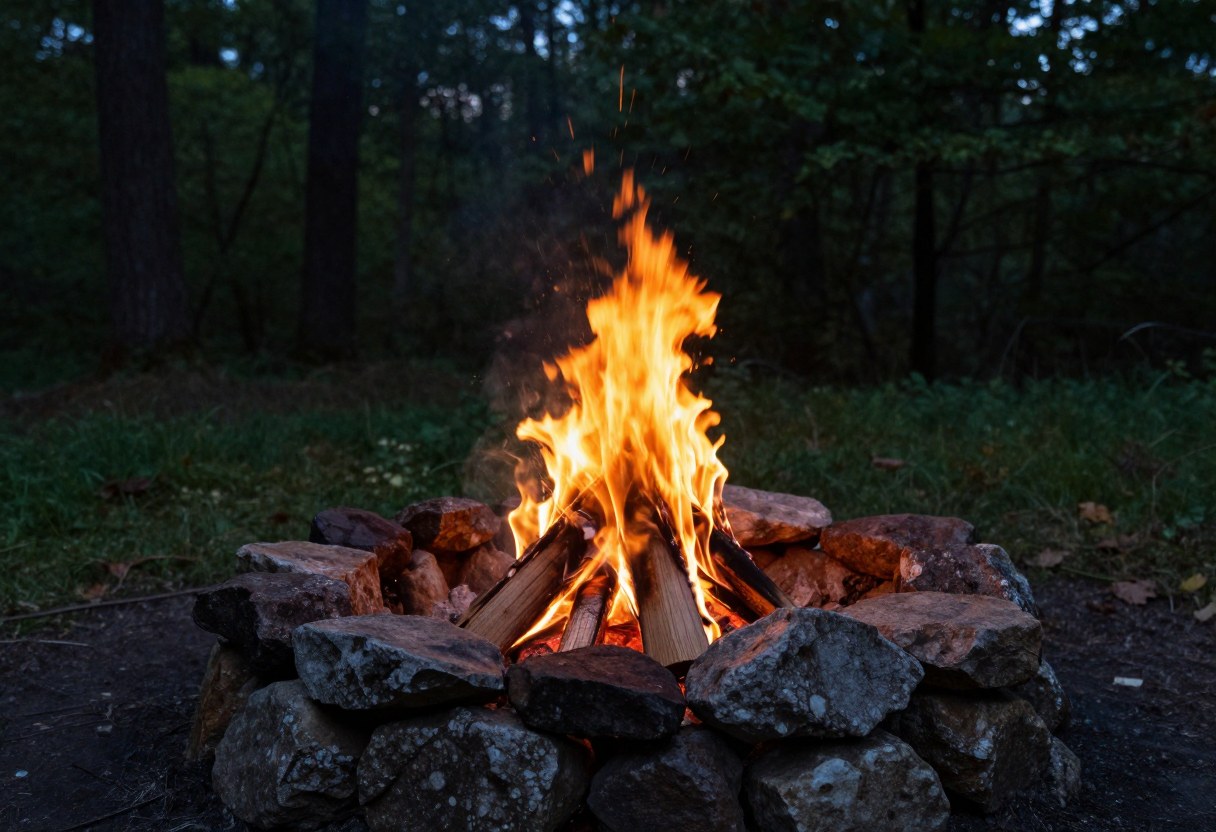
- Use an existing fire ring or designated fire pit whenever one is available — this concentrates fire impact in an already-disturbed spot rather than creating a new burn scar.
- If no fire ring exists and fires are permitted, choose a spot on mineral soil or sand, well clear of overhanging branches, dry grass, roots, and anything flammable within several feet in all directions.
- Check for underground root systems and organic soil in some regions (particularly areas with peat or heavily organic soil) that can smolder and spread fire underground, resurfacing sometimes days later far from the original fire location.
- Keep a safe distance from tents, gear, and dry vegetation — wind can carry sparks farther than expected, and a fire built too close to camp is a real risk to both people and equipment.
3. Gathering and Preparing Firewood
- Three wood sizes matter: tinder (small, easily ignitable material like dry grass, bark, or commercial fire starter), kindling (pencil-to-thumb-thickness sticks), and fuel wood (larger pieces that sustain a burning fire once established).
- Use dead and downed wood only — breaking live branches is both harder (green wood doesn't burn well) and often prohibited in the areas where you're likely camping.
- "Buy it where you burn it." Transporting firewood long distances can spread invasive insects and tree diseases between regions — buying local firewood near your destination, or gathering on-site where permitted, avoids this real ecological risk.
- Dry wood burns cleaner and more predictably than wet or green wood, which smokes heavily and burns poorly — if wood is damp, splitting it open to expose drier interior wood helps.
4. Building the Fire
The Teepee Method
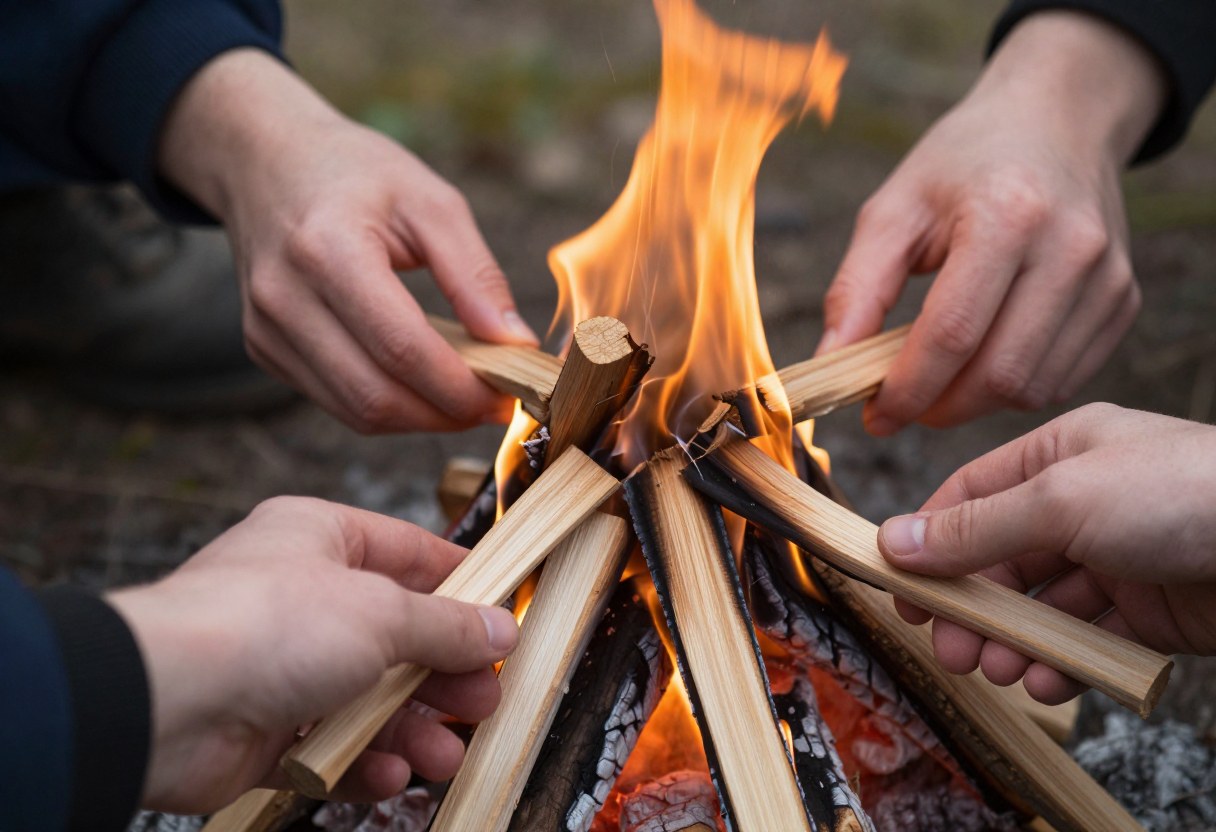
Arranging kindling in a cone shape around a tinder bundle, with fuel wood added similarly as the fire grows.
- Pros: Simple, reliable, easy for beginners, burns hot and bright.
- Best for: A first fire, or when you want quick heat and light.
The Log Cabin Method
Stacking wood in alternating perpendicular layers (like a small log cabin) around a tinder/kindling base.
- Pros: Burns longer and more steadily once established, good structure for cooking over.
- Best for: A longer-lasting fire, or a base for cooking coals.
Basic Building Steps
- Clear the fire location down to mineral soil/sand if not using an existing ring.
- Place a tinder bundle in the center.
- Arrange kindling around/over the tinder using either method above, leaving airflow gaps.
- Light the tinder from multiple points if possible, letting it catch the kindling.
- Add fuel wood gradually as the fire establishes, rather than piling on large logs immediately and smothering a young flame.
5. Fire Maintenance and Basic Safety
- Never leave a fire unattended, even briefly — wind shifts and stray sparks can escalate a contained fire into a real problem faster than most people expect.
- Keep a water source (or dirt/sand) within immediate reach the entire time the fire is burning, not just for final extinguishing.
- Supervise children and pets closely around any open fire, and establish a clear boundary they understand before the fire is lit.
- Add wood gradually rather than building an oversized fire — a fire sized appropriately for its purpose (warmth, cooking, light) is easier to control and fully extinguish later.
- Be aware of wind direction and strength, adjusting fire size or forgoing a fire entirely on notably windy days even outside a formal ban.
6. Fully Extinguishing a Fire: The Step Most People Get Wrong
This is the single most important safety practice in this guide — an improperly extinguished fire is one of the most common causes of accidental wildfire, often hours or days after campers have left.
- Let the fire burn down to ash and small embers well before you plan to leave or sleep, rather than trying to extinguish a large, actively burning fire.
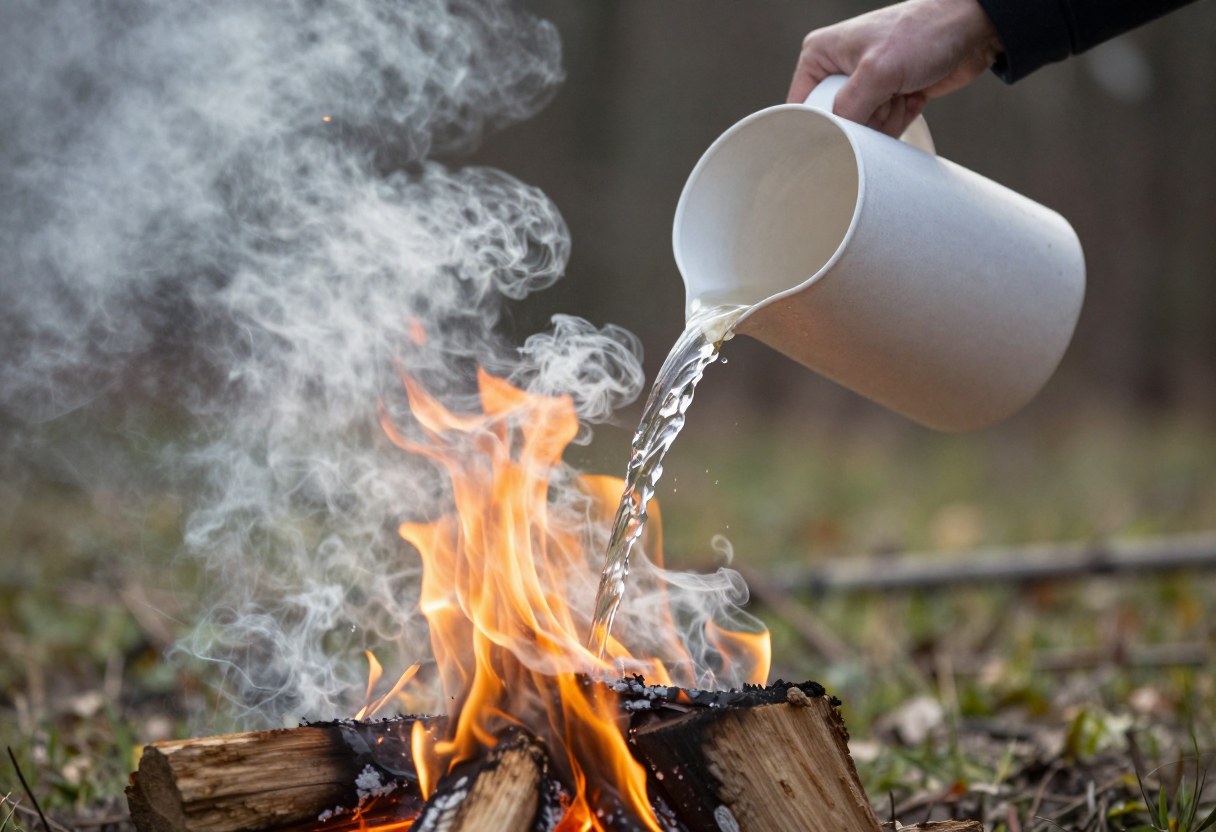
- Pour water generously over the entire fire bed, not just the visibly glowing embers — heat can persist in ash and coals that don't look actively burning.
- Stir the ashes and embers with a stick or shovel, mixing in the water thoroughly, since dry pockets can remain hidden beneath a wet surface layer.
- Repeat the water-and-stir process until no steam or hissing sound is produced and the fire bed is cool.
- Feel for heat with the back of your hand held close (not touching) to the extinguished fire bed — if it's still warm, it's not fully out, and the process needs to continue.
Don't Skip This: "Cool to the touch" is the actual standard for a properly extinguished fire — not "no visible flame" and not "mostly ash." Many wildfires attributed to campfires happen because the fire looked out but retained enough heat in buried embers to reignite after campers left, sometimes hours later.
7. Common Campfire Mistakes
- Not checking current fire restrictions before the trip, arriving with plans that conflict with an active ban.
- Building a fire too large for its actual purpose, making it harder to fully control and extinguish.
- Leaving a fire unattended "just for a minute," which is exactly when wind shifts and unexpected escalation tend to happen.
- Declaring a fire "out" based on visible flame alone, without the water-stir-repeat process that actually extinguishes buried heat.
- Transporting firewood long distances, risking the spread of invasive pests and tree diseases between regions.
- Burning trash, especially plastics or aerosol cans, which can be genuinely dangerous (explosive risk with sealed containers) and is both bad practice and often explicitly prohibited.
- Building a fire too close to tents, gear, or dry vegetation, underestimating how far wind can carry sparks.
Quick Decision Checklist
- I've checked current fire restrictions for my specific destination, not assumed based on past trips
- I'm using an existing fire ring where available, or a safe mineral-soil location if not
- I'm using dead/downed local wood, not transported firewood or living branches
- I have water or dirt within immediate reach the entire time the fire burns
- I never leave the fire unattended, even briefly
- I've built a fire sized appropriately for its actual purpose, not larger than needed
- I fully extinguish with the water-stir-repeat method and confirm the fire bed is cool to the touch before leaving or sleeping
Glossary
- Tinder: Small, easily ignitable material (dry grass, bark, commercial fire starter) used to start a fire before kindling catches.
- Kindling: Small sticks, roughly pencil-to-thumb thickness, that catch from tinder and build the fire toward sustaining larger fuel wood.
- Fuel Wood: Larger pieces of wood added once a fire is established, sustaining a longer burn.
- Mineral Soil: Soil largely free of organic material (roots, duff, peat), reducing the risk of a fire smoldering underground and resurfacing later.
- Burn Ban: An official restriction, varying in severity, on open fires (and sometimes all open flame including stoves) during high fire-risk conditions.
Final Takeaway
Safe campfire practice comes down to a few non-negotiable habits: check current restrictions before every trip, build in a genuinely safe location sized to your actual needs, never leave the fire unattended, and fully extinguish with the water-stir-repeat method until the fire bed is cool to the touch — not just until the flames are gone. None of this requires advanced skill, just consistent attention to the steps that actually prevent the outcomes campfire safety guidance exists to avoid.
Fire restrictions and regulations change based on current conditions and vary by jurisdiction — always verify current rules for your specific destination immediately before a trip, not based on past visits or general assumptions.