
Wirehaired Pointing Griffon
Also called: Griffon, Korthals Griffon
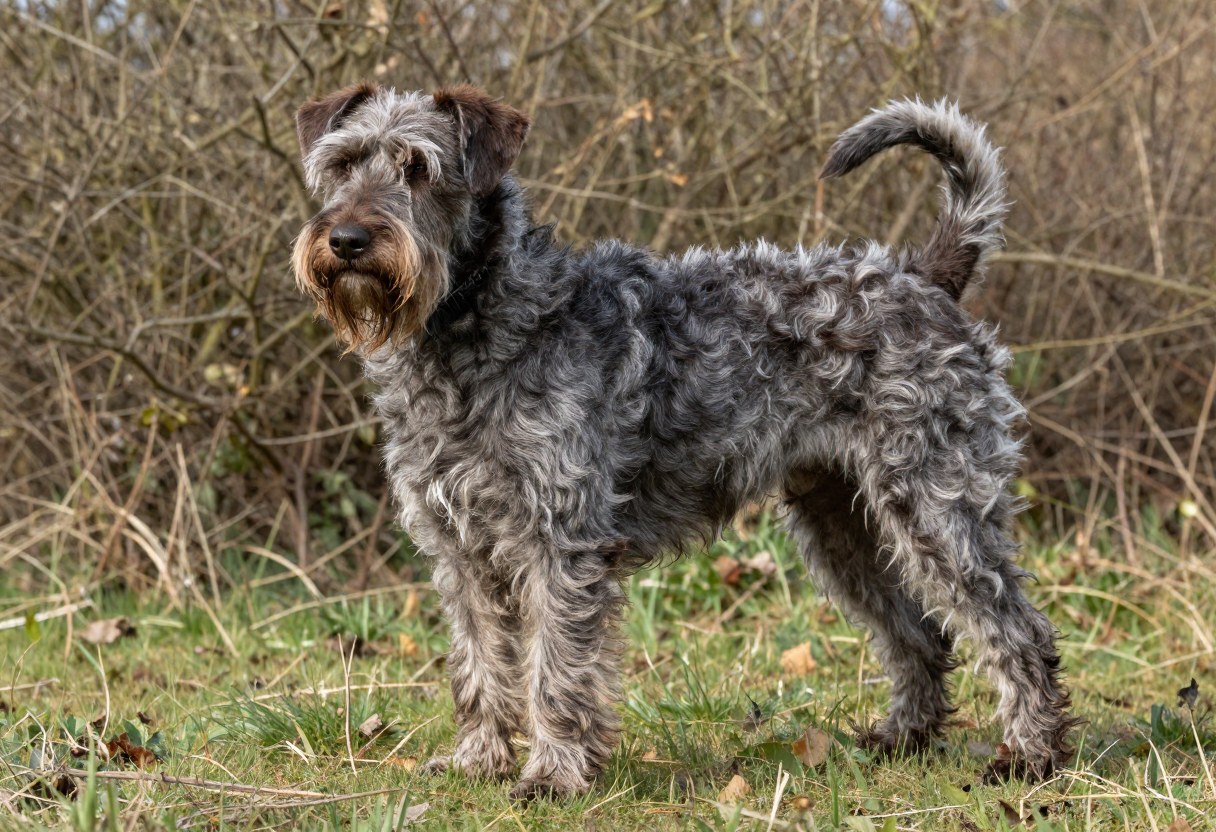
A shaggy, versatile, wire-coated pointing dog that points, flushes, and retrieves from heavy cover and cold water.
- Type
- Pointing Breeds
- Hunts
- Upland birds, Waterfowl
- Weight
- 35 to 60 pounds
- Height
- 20 to 24 inches at the shoulder
- Lifespan
- 12 to 14 years
- Coat
- Harsh, wiry coat in steel gray with brown, with a bearded face
- Energy
- High energy
- Cold and water
- Very good. The wiry coat sheds water and handles cold.
What it is best at
- Pointing and retrieving upland birds in thick, thorny cover.
- Waterfowl retrieves in cold water.
- Hunters who want one all-purpose dog.
Temperament
- Friendly, eager, and affectionate.
- Intelligent and sensitive.
- Does not like being left alone.
Things to know before you get one
- The wiry coat needs regular grooming.
- Needs hard exercise and company.
- Can be slow to mature and sensitive to harsh handling.
Training and exercise
Griffons respond to gentle, patient training and are sensitive to harsh correction. Start early with socialization and obedience, expose them to birds and water gradually, and give them a job. They often hunt closer than many pointing breeds.
Common health concerns
- Hip dysplasia and ear infections.
- Entropion and other eye conditions.
- Autoimmune thyroid disease in some lines.
Ask breeders for health testing records, and talk to a veterinarian about screening, vaccines, and tick and heartworm prevention.
Often compared with
- German Shorthaired Pointer: a short-coated versatile pointer with a faster, wider-ranging style.
Field notes
The Wirehaired Pointing Griffon is a versatile breed with a coat built for brush and cold water. Hunters in the Northeast and Midwest favor it for grouse, woodcock, and pheasants.
Related guides
This is a general breed profile, not veterinary or training advice. Dogs vary individually, so meet the parents and talk to experienced owners before you choose. Rules about hunting with dogs, releasing dogs on public land, and dog training seasons differ by state; our state resources directory links to each state's official regulations.