
.223 Remington
Also called: .223 Rem, 5.56 NATO (similar), five-five-six
A light-recoil, flat-shooting centerfire that is the standard for coyotes, prairie dogs, and other varmints, and the cartridge behind the AR-15.
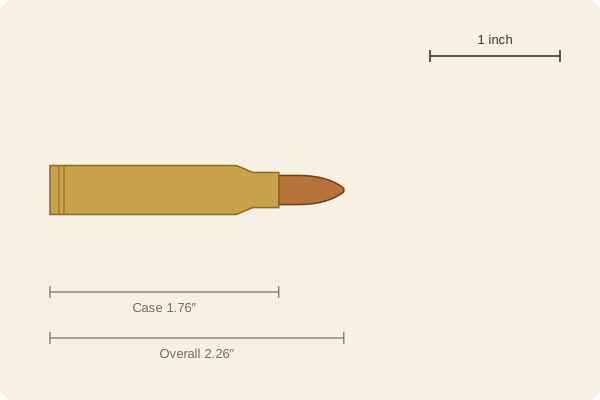
- Type
- Centerfire Rifle
- Bullet diameter
- .224 in
- Case length
- 1.76 in
- Overall length
- 2.26 in
- Typical bullet weights
- 40 to 77 grains (most are 50 to 62)
- Typical muzzle velocity
- About 2,700 to 3,500 fps
- Recoil
- Light recoil
- Quarry
- Varmints & predators
- Typical range
- Varmints and predators to about 300 yards or more
- Availability
- Very common
Safety: 5.56 NATO ammunition has a slightly higher pressure and a different chamber than .223 Remington. A rifle marked only .223 Remington should not be fired with 5.56 NATO ammunition. A rifle marked 5.56 NATO can safely fire both.
What it is good for
- Coyotes, foxes, prairie dogs, and other varmints.
- New shooters, since recoil is light and ammunition is plentiful.
- Rifles built on the AR-15 platform.
Where it falls short
- It is a small bullet. Many states do not allow it for deer, and even where it is legal it demands precise shot placement.
- Light bullets are pushed around by wind at longer distances.
- It is not a good choice for elk or larger game.
Easily confused with
- 5.56 NATO: looks identical but is loaded to higher pressure; check your barrel's marking before using it.
- .300 Blackout: uses the same case family and magazines, but fires a much wider bullet and is not safe to load in a 5.56 chamber.
Field notes
Introduced for civilians in 1964, the .223 Remington became the default varmint cartridge. It is light on the shoulder, which makes long sessions on prairie dogs or coyotes much more comfortable.
Related guides
Numbers are typical factory-load figures, not guarantees. Use only ammunition that matches the cartridge stamped on your firearm and is made by a reputable manufacturer, and follow the manual. Legal game cartridges, minimum calibers, and non-toxic shot rules differ by state and area. Check your state's current regulations; our state resources directory links to each state's official rules. Not sure which rifle to buy? Try our hunting rifle wizard.