
16 Gauge
Also called: 16 ga, sixteen gauge, sweet sixteen
An old, well-liked gauge between the 12 and 20, known for light, balanced guns, but with limited ammunition choices today.
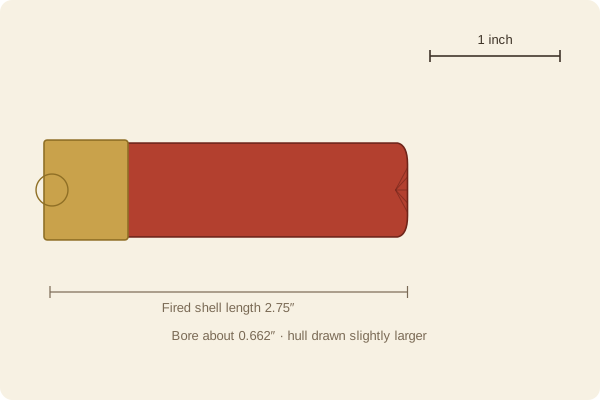
- Type
- Shotgun
- Bore
- .662 in (nominal)
- Shell length
- 2¾ in
- Typical loads
- Shot loads of about 1 to 1⅛ ounces
- Typical muzzle velocity
- About 1,165 to 1,300 fps
- Recoil
- Moderate recoil
- Quarry
- Birds & turkey
- Typical range
- Birds to about 35 yards
- Availability
- Limited; check stores before you count on it
Safety: A 20-gauge shell can slip into a 16-gauge chamber and lodge in the barrel, and a 16-gauge shell can chamber in a 12-gauge gun. Never mix gauges, and check each shell's marking.
What it is good for
- Upland birds such as grouse, pheasants, and quail.
- Hunters who like traditional, lightweight guns.
- Doves and small game at moderate range.
Where it falls short
- Ammunition is harder to find and often costs more than for 12 or 20 gauge.
- Fewer shell options and gun models exist.
- It is easy to mix up with 12 and 20 gauge shells.
Easily confused with
Field notes
The 16 gauge has a bore of about 0.662 inch. It was once very popular for upland hunting, and many hunters still prize light 16-gauge double guns.
Related guides
Numbers are typical factory-load figures, not guarantees. Use only ammunition that matches the cartridge stamped on your firearm and is made by a reputable manufacturer, and follow the manual. Legal game cartridges, minimum calibers, and non-toxic shot rules differ by state and area. Check your state's current regulations; our state resources directory links to each state's official rules. Not sure which rifle to buy? Try our hunting rifle wizard.