
White-winged Dove
Zenaida asiatica
A larger southwestern dove with a bold white stripe on the wing, abundant in Texas and Arizona and spreading to new areas.
- Type
- Doves & Pigeons
- Movement
- Migratory and resident
- Habitat
- Brushland, Farm fields, Woodlands
- Typical size
- 11–12 in long; about 5 oz
- Range
- Found in southern Texas, Arizona, southern New Mexico, and parts of Florida and Louisiana
- Seasons
- Texas holds special early days for white-winged doves in a defined area, so check your state's rules
How to identify it
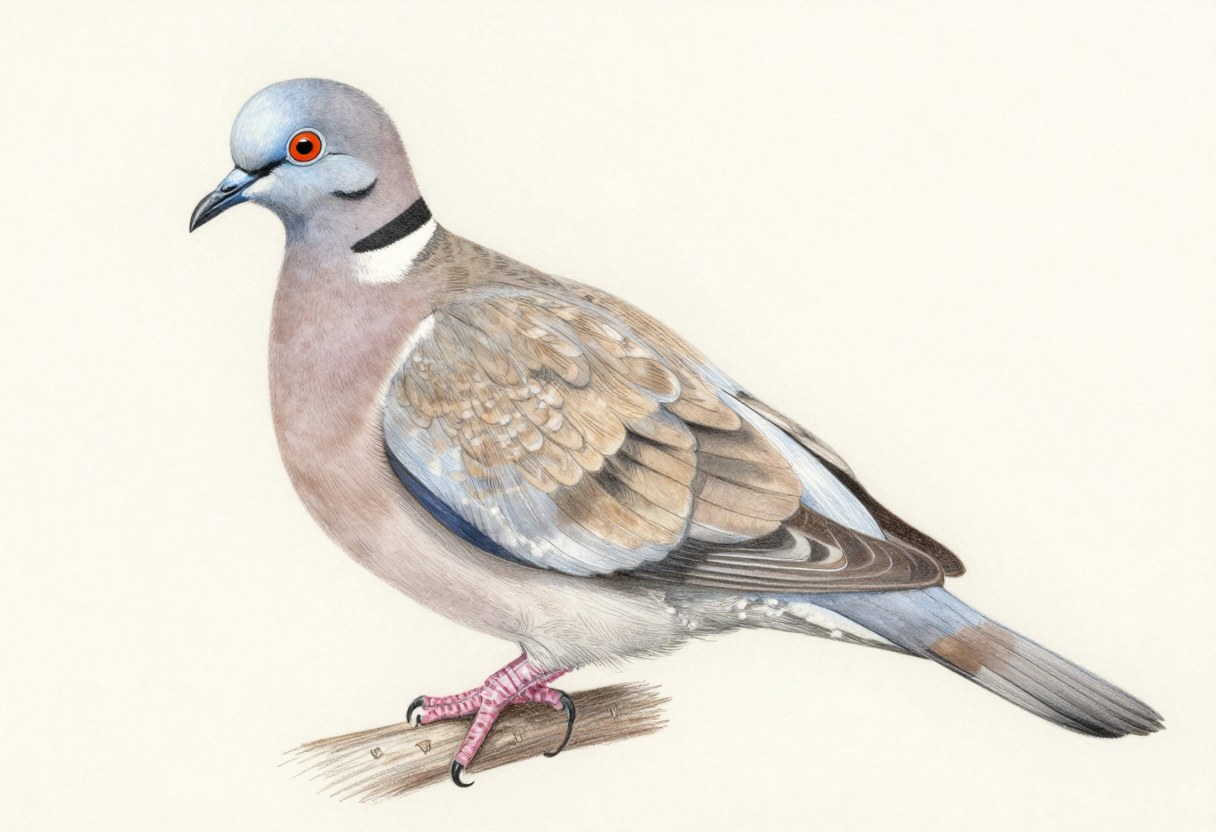
- Gray-brown plumage with a bold white stripe along the edge of the folded wing.
- A patch of bright blue skin around an orange eye.
- A black crescent mark on the cheek, and a short, rounded tail with white corners.
- In flight, the large white wing patch is very visible.
Often confused with
- Mourning dove: smaller and slimmer, with a long pointed tail and no white wing stripe.
What it eats
- Seeds and waste grain, including sunflowers and sorghum
- Fruit of desert and citrus plants
- Saguaro fruit in the desert
How it's hunted
- Field shoots over harvested grain and sunflowers
- Waterhole and roost-flyway hunts
- Decoys on wires near feeding areas
Field notes
White-winged doves have expanded their range beyond Texas and Arizona into other southern states. They tend to be larger and slower than mourning doves.
Because they are often hunted alongside mourning doves, check the rules on how many of each you can take.
Related guides
Seasons, bag limits, legal shot types, and licensing vary by state and change every year. Migratory game birds such as ducks, geese, and doves generally require a state license, registration in the Harvest Information Program, and, for waterfowl, a federal duck stamp, and waterfowl must be hunted with non-toxic shot. Check your state's current regulations — our state resources directory links straight to each state's official hunting rules and license portal.