
Cobia
Rachycentron canadum
Also called: ling, lemon fish, crabeater
A strong, curious fish of wrecks, buoys, and floating objects that often follows rays and turtles, and a prized target during spring migrations.
- Type
- Offshore & Pelagic
- Typical size
- Typically 20 to 50 lb; larger fish over 70 lb
- Range
- The Atlantic coast from Virginia south, the Gulf of Mexico, and the Caribbean
- Coasts
- Southeast Atlantic, Gulf of Mexico, Northeast Atlantic
- Where
- Reefs, wrecks & jetties, Open water
- Best seasons
- Spring migration along the coast; they also hold around structure through summer
Note: Cobia can thrash wildly on deck and injure anglers, so land and handle large fish with care. Cobia rules, including size and per-vessel limits, change often. Size limits, bag limits, and seasons for this species change often, so check current state and federal rules before you keep one.
How to identify it
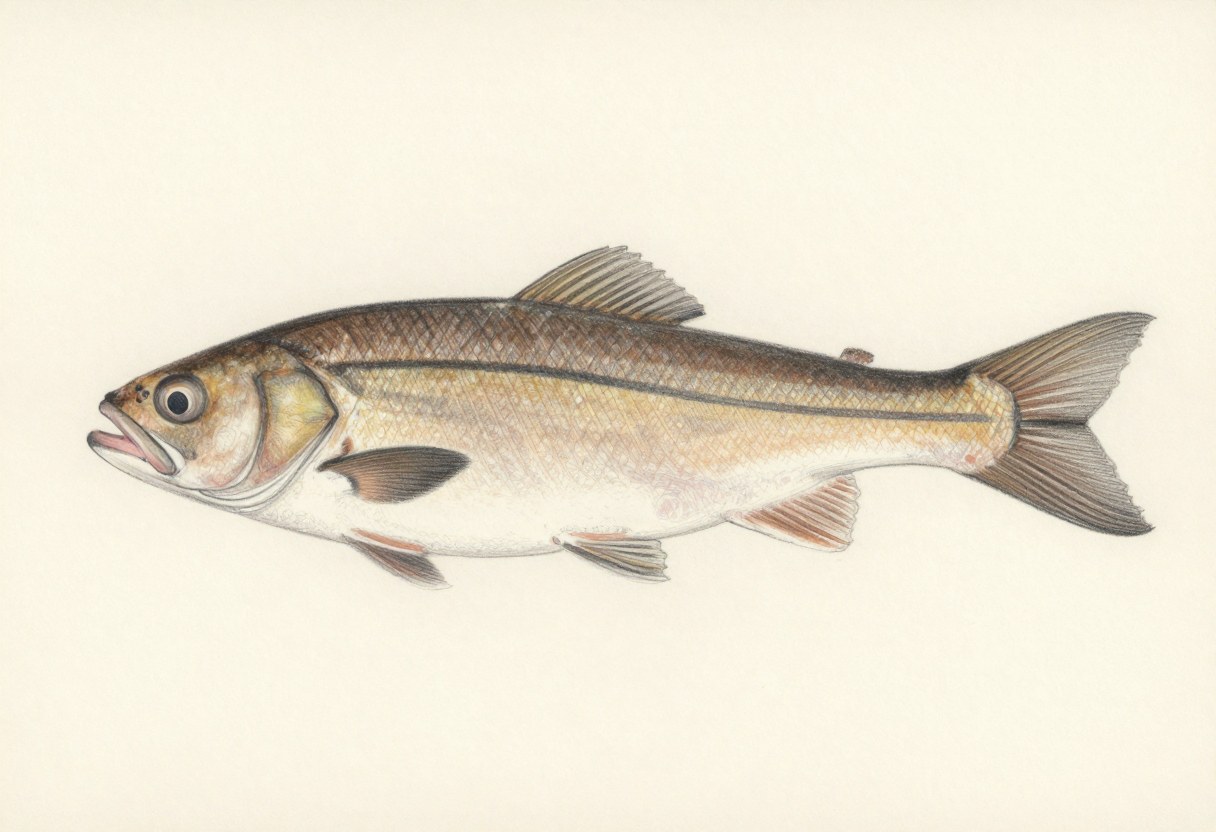
- A long, brown body with a bold dark stripe on each side.
- A broad, flat head.
- A lower jaw that projects past the upper.
- A short, spiny first dorsal fin made of separate spines.
Baits and lures
- Live eels, pinfish, and crabs
- Bucktail jigs and large soft plastics
- Cut bait
Techniques
- Sight-cast a jig or live bait to cobia cruising on the surface, often near rays.
- Fish near buoys, wrecks, and floating debris.
- Use strong tackle and a gaff or net and handle the fish carefully before it is in the boat.
- Tire a big fish before bringing it aboard.
Field notes
Cobia often follow large rays and sea turtles, which is why anglers look for shadows moving in clear water.
Related guides
Saltwater size limits, bag limits, seasons, gear rules, and license requirements change often and differ by state and in federal waters. Some species are catch-and-release only or closed in certain areas. Check your state's current fishing regulations before you keep a fish; our state resources directory links to each state's official wildlife and fisheries agency.