
Choosing a GPS or Satellite Communicator
PLBs, satellite messengers, and dedicated handheld GPS units compared — what each actually does, what it costs over time, and how to pick the right one.
Published September 5, 2026
How to Use This Guide
This is a buying guide for the physical devices, not a technique guide — our trail navigation basics guide covers how to actually use a map, compass, and GPS app together, and our hiking safety essentials guide covers the broader safety case for carrying one. This guide picks up from there: which device category actually fits how you use the outdoors, and what it really costs once you factor in the subscription most of them require.
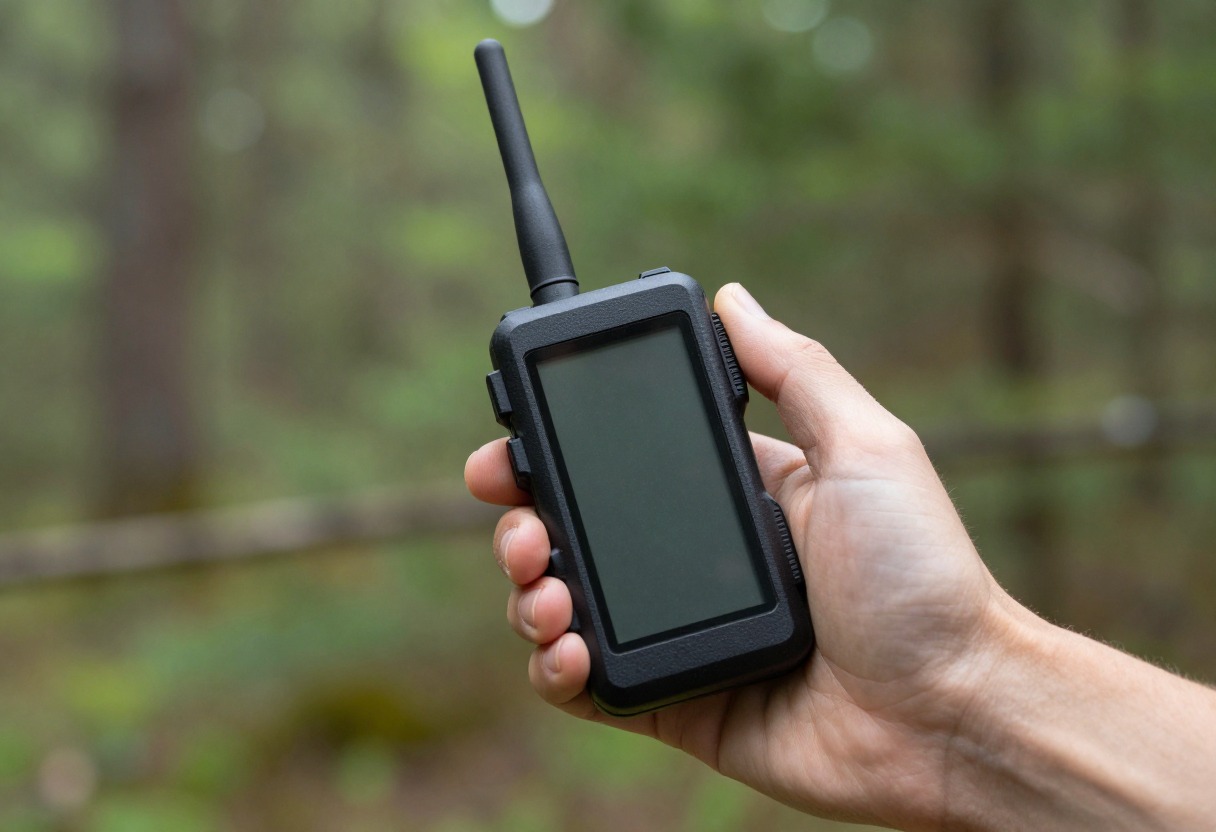
1. The Four Device Categories
| Category | What It Does | Subscription Required |
|---|---|---|
| Two-way satellite messenger | Send/receive custom text messages, SOS, location tracking, all via satellite | Yes, ongoing |
| One-way satellite beacon | SOS plus a small set of preset check-in messages; no custom text | Yes, usually cheaper |
| Personal Locator Beacon (PLB) | SOS only, transmitted directly to the government-run search-and-rescue satellite network | No |
| Dedicated handheld GPS unit | Precision mapping, navigation, tracking — no satellite messaging (some models add it as a built-in hybrid feature) | No (unless it includes messenger hybrid features) |
A phone with a well-prepared offline-map app remains the cheapest baseline option for shorter, better-traveled trips — see the navigation guide linked above for when that's genuinely enough on its own.
2. PLB vs. Satellite Messenger: The Real Difference
This is the single most important distinction to understand before buying, and it's the one most first-time buyers get confused about.
- A PLB (Personal Locator Beacon) does one thing: when you trigger it, it transmits your GPS location directly to the international COSPAS-SARSAT satellite network, which is monitored by government search-and-rescue agencies. No subscription, no company in the middle, no way to send any message beyond "I need help, here's my location." Battery life is measured in years because it sits unused until an actual emergency.
- A satellite messenger (Garmin inReach, Zoleo, SPOT) routes your SOS through a private monitoring center first, which can gather more information from you via two-way text before coordinating a response — genuinely useful when the situation isn't a life-threatening emergency but you still need help (a twisted ankle you can't walk out on, for example). This capability requires an ongoing subscription to keep the two-way messaging and tracking features active.
Neither is strictly "better" — a PLB is a cheaper, subscription-free, SOS-only safety net; a satellite messenger is a more capable, ongoing-cost communication tool that also happens to include SOS.
3. Matching the Device to How You Actually Use the Outdoors
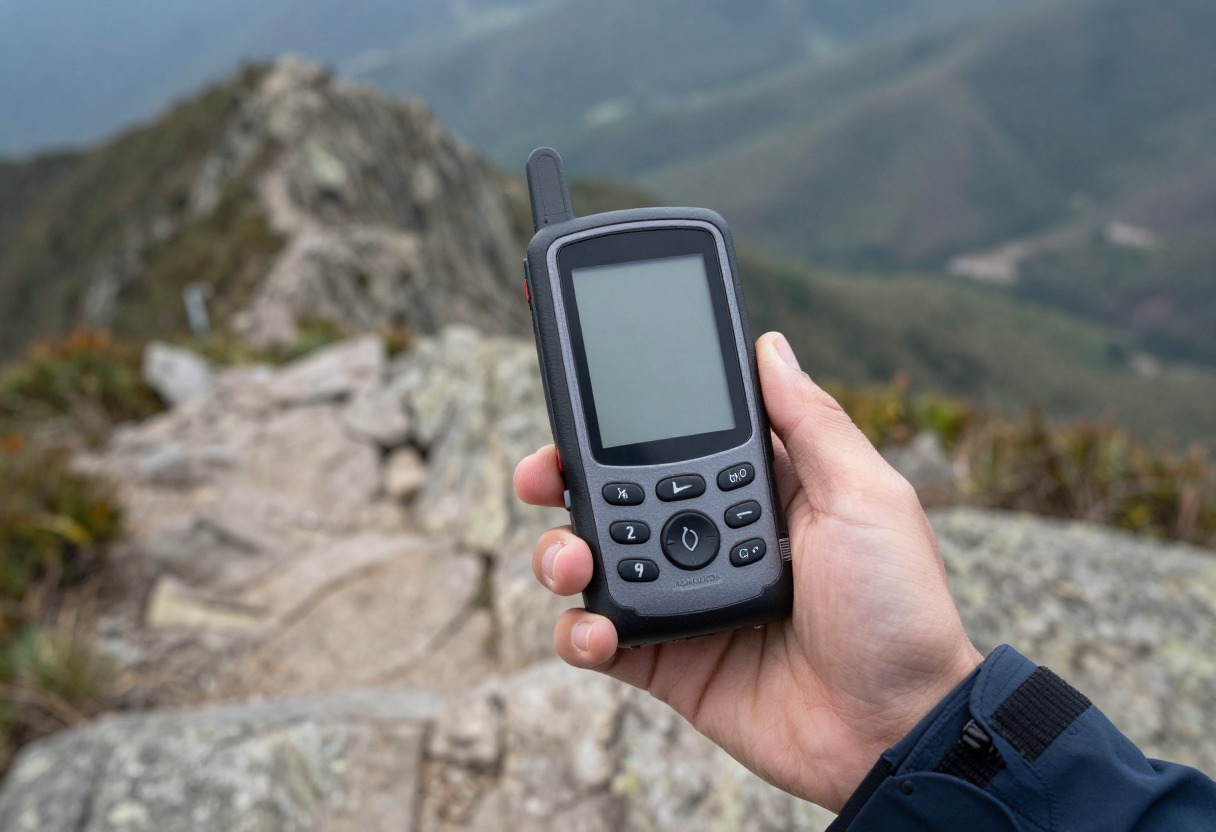
| Situation | Suggested Direction |
|---|---|
| Occasional day hikes on well-traveled trails | Phone app with offline maps is often genuinely enough; a PLB is a reasonable low-cost addition if you want a safety net without ongoing cost |
| Regular backcountry backpacking or hunting trips | A two-way satellite messenger — the ability to text a specific update to family, or get help without a full SOS, earns its subscription cost |
| Extended remote trips (multi-week, international, or far off any road) | A satellite messenger with a longer-interval tracking plan, or a hybrid handheld GPS/messenger combo unit |
| Frequent, precision-navigation-heavy use (hunting, off-trail bushwhacking) | A dedicated handheld GPS unit for the mapping and battery advantages, paired with a separate PLB if satellite messaging isn't a priority |
| Infrequent trips where cost matters most | A basic PLB — no ongoing subscription, and it sits ready for years between uses |
4. Subscription Plans and the Real Cost Over Time
The sticker price on a satellite messenger is only part of what you're actually committing to.
- Most satellite messenger plans are monthly or annual, and many providers (Garmin notably) let you freeze a subscription during the off-season and reactivate it before your next trip — worth asking about specifically if you only use the device seasonally.
- Higher-tier plans add more frequent tracking intervals and unlimited messaging; base plans often cap message counts or use longer tracking intervals to keep the price down.
- Add up a realistic year of use (device cost + a full season of subscription, not just the intro price) before comparing devices on sticker price alone — a cheaper device with a pricier ongoing plan can cost more over a few years than a pricier device with a cheaper plan.
- A PLB has zero ongoing cost after purchase, which is a genuine advantage for occasional users who don't want a subscription commitment at all.
5. Battery Life and Practical Use
- Satellite messengers typically run days to a couple of weeks per charge depending on tracking interval — more frequent tracking pings drain the battery faster, so dial back tracking frequency on longer trips if battery life is a concern.
- PLBs use long-shelf-life replaceable batteries (often rated 5-7+ years) since the device spends nearly all its life idle, waiting for an emergency that (hopefully) never comes.
- Dedicated handheld GPS units generally outperform phone apps for pure navigation battery life, since they're built around that one task rather than running a full smartphone OS alongside it.
6. How SOS Actually Works
- PLB SOS transmits directly to the COSPAS-SARSAT satellite network, which alerts the relevant national search-and-rescue authority for your location — no company call center in the loop.
- Satellite messenger SOS typically routes first to a private monitoring center (Garmin's dedicated response center is a common example), which can text back for more detail and coordinate the appropriate emergency response, sometimes resolving a non-life-threatening situation without a full search-and-rescue dispatch.
- False-alarm protection matters. Most devices require a deliberate multi-step action (a recessed button, a protective cover, a hold-to-confirm sequence) specifically to prevent accidental triggers — get familiar with your specific device's SOS sequence before you need it under stress.
7. Common Mistakes
- Buying a satellite messenger and letting the subscription lapse without realizing the device is now non-functional for messaging until reactivated.
- Assuming a PLB can send a custom message — it genuinely cannot; it's SOS-only by design.
- Never testing the device before a real trip — most units have a test/check-in mode specifically so you can confirm it works and everyone (you and your emergency contacts) knows what to expect.
- Choosing based on sticker price alone, ignoring multi-year subscription cost for a device you'll own for years.
- Storing the device buried in a pack where it isn't quick to access in an actual emergency — treat it like a PFD or bear spray: reachable, not packed away.
8. Budget Overview
| Item | Typical Range (USD) |
|---|---|
| PLB (one-time purchase, no subscription) | $250-$400 |
| Satellite messenger (device) | $200-$450 |
| Satellite messenger subscription (monthly, basic plan) | $15-$50/month |
| Dedicated handheld GPS unit | $200-$700+ |
Quick Decision Checklist
- I understand the difference between a PLB (SOS-only, no subscription) and a satellite messenger (two-way texting, ongoing subscription)
- I've matched the device category to how often and how remotely I actually go, not just to the most feature-rich option
- I've calculated a realistic full year of cost for a satellite messenger, not just the device price
- I know my specific device's SOS trigger sequence and have tested it (or its check-in mode) before relying on it
- I keep the device somewhere immediately accessible in the field, not buried in my pack
- If I chose a satellite messenger, I have a plan for keeping the subscription active when I actually need it
Glossary
- PLB (Personal Locator Beacon): An SOS-only emergency device that transmits directly to the government-run COSPAS-SARSAT search-and-rescue satellite network, requiring no subscription.
- Satellite Messenger: A two-way satellite communication device (Garmin inReach, Zoleo, SPOT) offering custom text messaging, tracking, and SOS, requiring an ongoing subscription.
- COSPAS-SARSAT: The international satellite system used by PLBs to relay emergency distress signals to national search-and-rescue authorities.
- Tracking Interval: How frequently a satellite messenger transmits your location for tracking purposes; shorter intervals use more battery and, on some plans, cost more.
This guide covers general principles for choosing a GPS or satellite communication device. Subscription pricing, plan features, and device specifications change over time — confirm current details directly with the manufacturer or provider before purchasing.